Colonial
Colonial architecture is a family of building styles developed by European powers and adapted in their overseas territories, blending metropolitan traditions with local materials and influences from the 15th to early 20th centuries.
Colonial architecture is a family of building styles developed by European powers and adapted in their overseas territories, blending metropolitan traditions with local materials and influences from the 15th to early 20th centuries.
Colonial architecture originated during the Age of Exploration, as European empires established settlements across the Americas, Africa, Asia, and Oceania. Driven by the need for administrative, religious, and domestic buildings, colonizers transplanted familiar European styles and adapted them to new climates, resources, and indigenous building knowledge. Over centuries, this process produced a rich tapestry of regional variants, each reflecting both imperial ambitions and local realities.
Colonial architecture is classified within the vernacular and traditional school, encompassing styles shaped by the architectural practices of European colonial powers. It serves as an umbrella for substyles such as Spanish Colonial, British Colonial, French Colonial, Dutch Colonial, and Portuguese Colonial, each defined by the parent empire and the region of adaptation. These styles are distinguished by their blend of imported forms and local innovations.
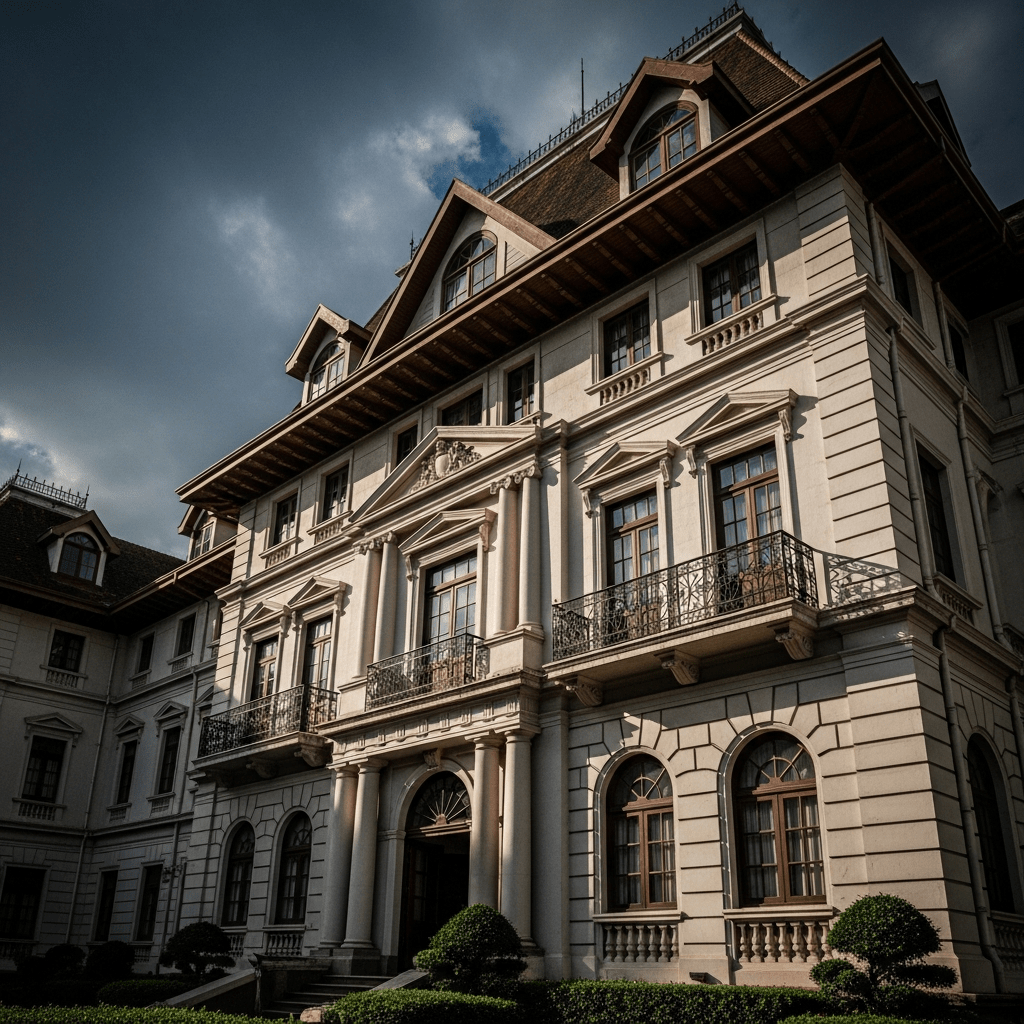
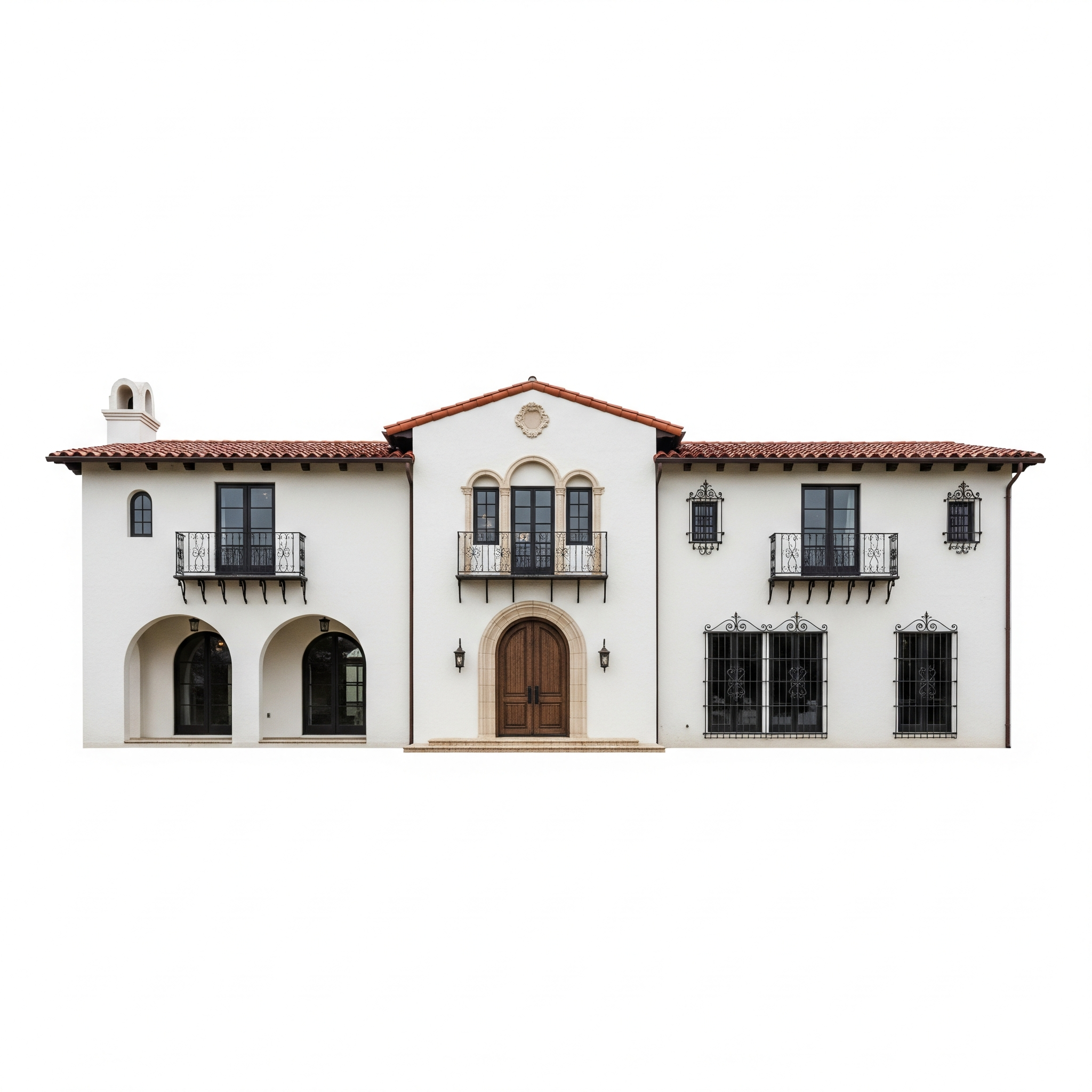
Colonial buildings often present symmetrical layouts, simple geometric volumes, and pitched or hipped roofs with wide eaves or verandas suited to local climates. Arcades, courtyards, and colonnades are common, providing shade and ventilation. Decorative details range from European classical motifs—columns, pilasters, moldings—to regional ornamentation or simplified finishes. Materials such as adobe, stone, brick, wood, and thatch impart a tactile sense of place, while thick walls and high ceilings enhance comfort in tropical and subtropical regions.
Colonial architecture served a wide array of functions, including administrative centers, churches, missions, forts, civic buildings, plantation houses, and residences. These structures were designed to assert imperial identity, facilitate governance, and accommodate daily life, often incorporating features for climate adaptation such as verandas and courtyards. The style’s flexibility allowed it to meet both official and domestic needs, shaping the built environment of colonial societies.
Bring this kind into your world illustrated posters, mugs, and shirts.
Archival print, museum-grade paper
Buy Poster
Stoneware mug, dishwasher safe
Buy Mug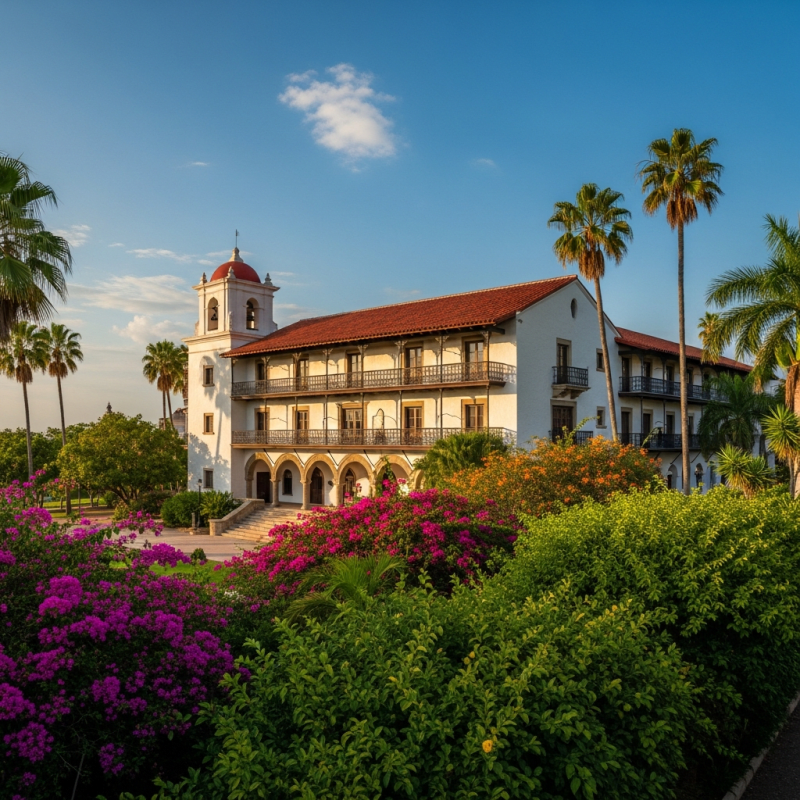
Soft cotton tee, unisex sizes
Buy ShirtColonial architecture stands as both a testament to historical exchange and a symbol of imperial legacy. Its buildings are celebrated for their craftsmanship and historical value, often forming the heart of old towns and heritage districts. Yet, the style also evokes complex cultural narratives—admired for its beauty, critiqued for its association with colonialism and cultural imposition. Today, colonial-era buildings are preserved, studied, and sometimes contested, reflecting ongoing dialogues about history, identity, and memory.
Colonial architecture flourished from the 15th century—coinciding with European exploration—through the early 20th century, as empires expanded and later receded. Its origins trace to Spain, Portugal, Britain, France, and the Netherlands, but its reach spans the Americas, Africa, Asia, and Oceania, with each region developing its own distinct adaptations.
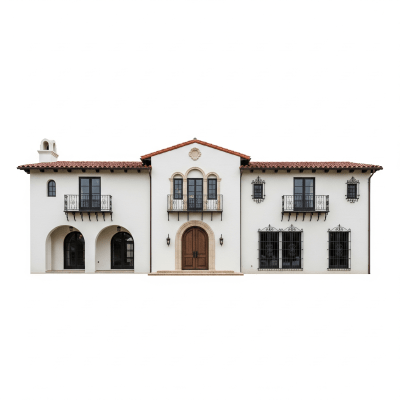
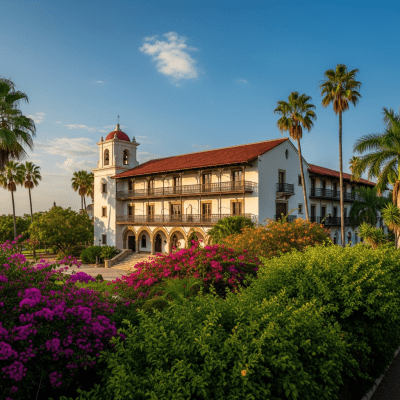
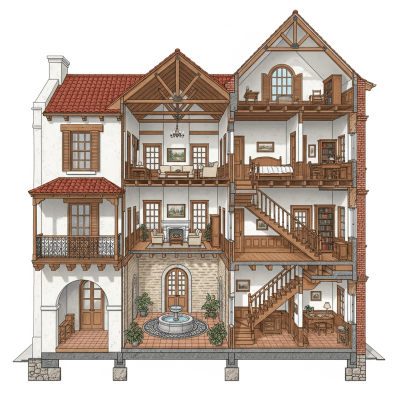
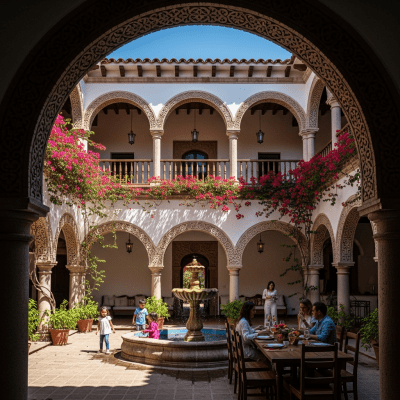

Colonial buildings typically employ materials sourced from their immediate environment—adobe, stone, brick, wood, coral, and thatch—often differing from those used in Europe. Construction techniques blend European masonry and timber framing with indigenous practices, such as adobe brickwork in Spanish America or raised timber structures in the Caribbean. Ornamentation adapts European motifs, sometimes simplified or enriched with local decorative traditions.
Most colonial architecture was designed and built by anonymous craftsmen, military engineers, or religious orders. In later periods, figures such as Sir George Gilbert Scott contributed to the style, especially in British colonial contexts. The legacy is largely collective, shaped by the interplay of metropolitan directives and local expertise.
Colonial architecture draws from European Renaissance, Baroque, and vernacular traditions, while incorporating indigenous building practices and spatial organization. Related styles include Colonial Revival (a later reinterpretation), Mission Revival (US Southwest), Creole architecture (Caribbean and Louisiana), Plantation architecture, and Neoclassical forms that emerged in later colonial periods.
Each variant reflects unique adaptations to local climate, materials, and cultural influences, resulting in diverse architectural expressions across regions.
Colonial architecture is widely recognized for its historical and cultural significance. Many buildings and districts, such as Old Havana (Cuba), Historic Centre of Salvador de Bahia (Brazil), Colonial City of Santo Domingo (Dominican Republic), Cape Coast Castle (Ghana), and Fort Jesus (Kenya), are protected as UNESCO World Heritage Sites or listed as national heritage. Preservation efforts vary, with some sites celebrated and others facing challenges due to neglect, redevelopment, or contested histories.