
Brutalism
Brutalism is a striking architectural style defined by its massive, block-like forms and raw, exposed concrete surfaces, embodying functional honesty and social ambition in mid-20th-century design.
Brutalism is a striking architectural style defined by its massive, block-like forms and raw, exposed concrete surfaces, embodying functional honesty and social ambition in mid-20th-century design.
Brutalism originated in the United Kingdom during the post-World War II era, emerging in the early 1950s as architects sought practical, affordable solutions for public buildings and housing. The term derives from the French phrase béton brut (raw concrete), popularized by critic Reyner Banham and inspired by Le Corbusier’s use of unfinished concrete. Brutalism was a reaction against the perceived decorative excesses of earlier modernist styles, favoring directness, material honesty, and social utility.
Brutalism is classified within the Modernism school of architecture, representing a distinct style characterized by bold, utilitarian forms. It sits alongside related movements such as International Style and Structural Expressionism, with substyles and regional variants including New Brutalism, Heroic Modernism, and Socialist Modernism.
Brutalist buildings are instantly recognizable for their monolithic, fortress-like appearance. They often feature heavy, blocky geometries, deeply recessed windows, cantilevered volumes, and sculptural staircases. The predominant use of exposed, unfinished concrete gives these structures a raw, tactile texture, sometimes complemented by brick, steel, or rough stone. Visible service elements such as pipes and ducts are left uncovered, emphasizing the building’s functional core.
Brutalism was primarily employed for public housing estates, government buildings, universities, libraries, cultural centers, and churches. Its design philosophy prioritized social utility, durability, and affordability, responding to the urgent need for robust civic infrastructure in the post-war period. The style’s open, modular layouts and honest material expression were intended to foster community and transparency, though its imposing forms sometimes provoked controversy and debate.
Bring this kind into your world illustrated posters, mugs, and shirts.

Archival print, museum-grade paper
Buy Poster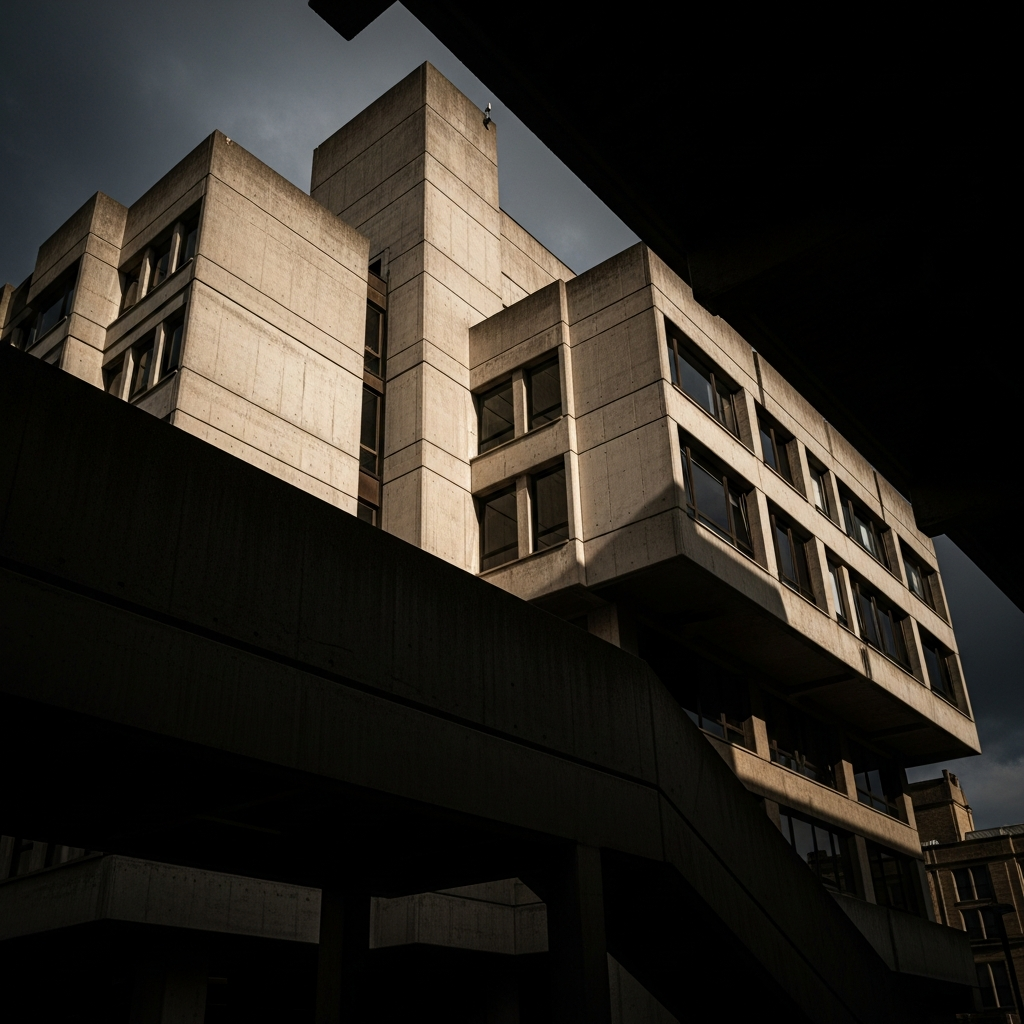
Stoneware mug, dishwasher safe
Buy Mug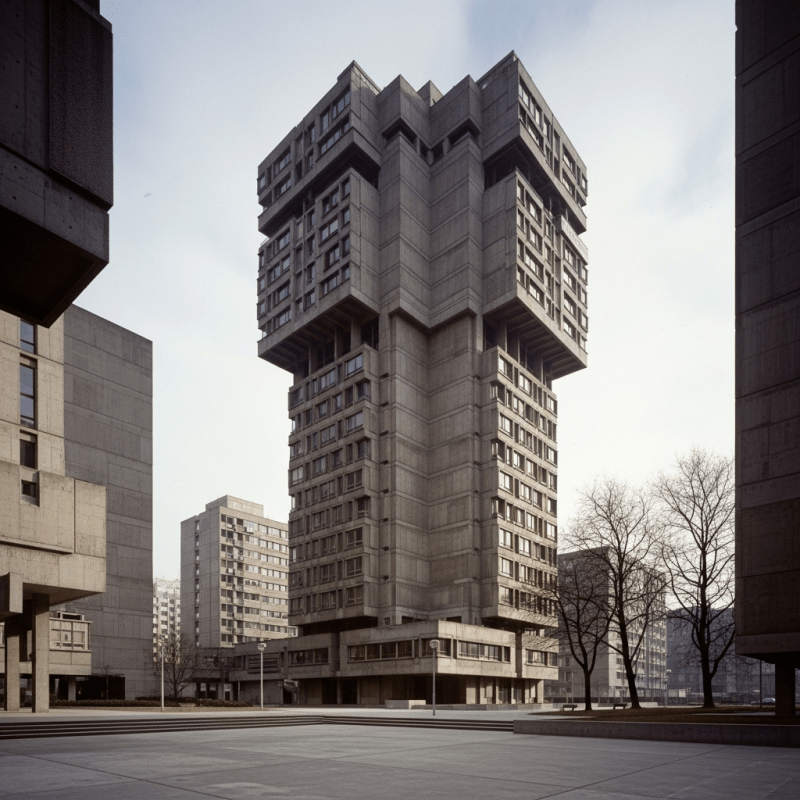
Soft cotton tee, unisex sizes
Buy ShirtBrutalism has left a profound mark on architectural culture, inspiring both admiration and criticism. Once maligned for its austere aesthetic, it is now celebrated in exhibitions, scholarly works, and popular media for its radical vision and social ideals. Brutalist buildings have become icons of mid-century modernism, sparking conservation campaigns and renewed interest among architects and enthusiasts who value their boldness and historical significance.
Brutalism flourished from the 1950s through the 1970s, originating in the United Kingdom and rapidly spreading across Europe, North America, Latin America, Asia, and Africa. Its international reach reflects the global post-war demand for practical, affordable architecture.
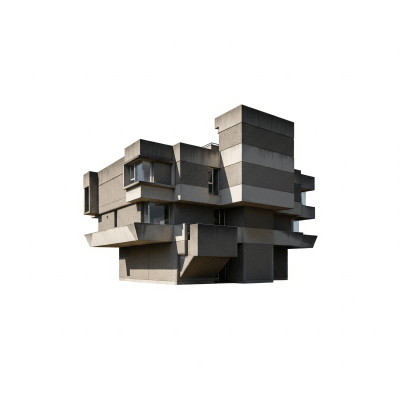
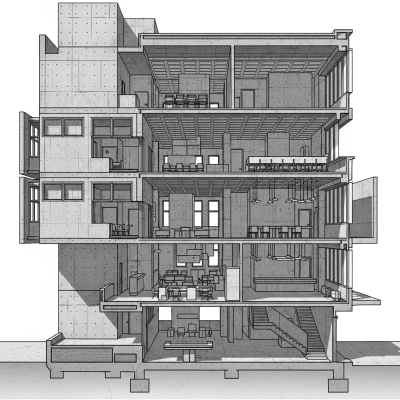
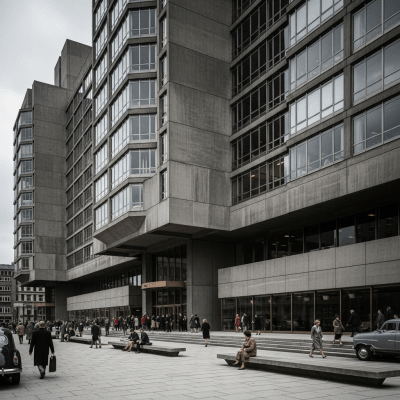
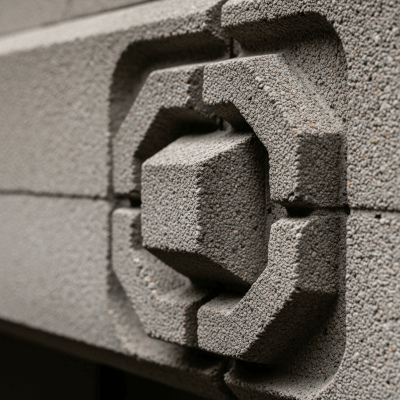
Brutalist architecture is synonymous with exposed, unfinished concrete, often cast in situ or formed with wooden boards for texture. Other materials such as brick, glass, steel, and rough stone appear in regional adaptations. Construction techniques include prefabrication, modular assembly, and the deliberate exposure of structural and service elements, reinforcing the style’s ethos of material honesty.
Brutalism draws inspiration from Le Corbusier’s late works, Modernist functionalism, Constructivism, and Scandinavian functionalism. It is closely related to the International Style and Structural Expressionism, and shares affinities with Metabolism (Japan) and Socialist Modernism (Eastern Europe). Later movements such as Deconstructivism reflect Brutalism’s legacy of expressive, structural form.
Brutalism has gained increasing recognition as a heritage style, with key buildings such as the Unité d’Habitation included in the UNESCO World Heritage listing for Le Corbusier’s works. Organizations like DOCOMOMO International maintain registers of significant Brutalist structures, and many buildings are tagged for preservation by architectural bodies. Despite ongoing debates, conservation efforts and scholarly attention underscore Brutalism’s enduring architectural and cultural value.