Origin Story

Emerging from the École des Beaux-Arts in Paris, Beaux-Arts architecture took root in France around 1830 and flourished internationally through the academy’s graduates. Its influence peaked between 1880 and 1920, as architects trained in rigorous classical principles exported the style to Europe, North America, and beyond, transforming the face of public and institutional architecture.

Classification

Beaux-Arts belongs to the Academic/Classical school of architecture, characterized by its adherence to classical forms and academic design methods. It is a distinct style within the broader tradition of classical revival movements, often grouped with Neoclassical and Renaissance-inspired architecture.

Appearance or Form

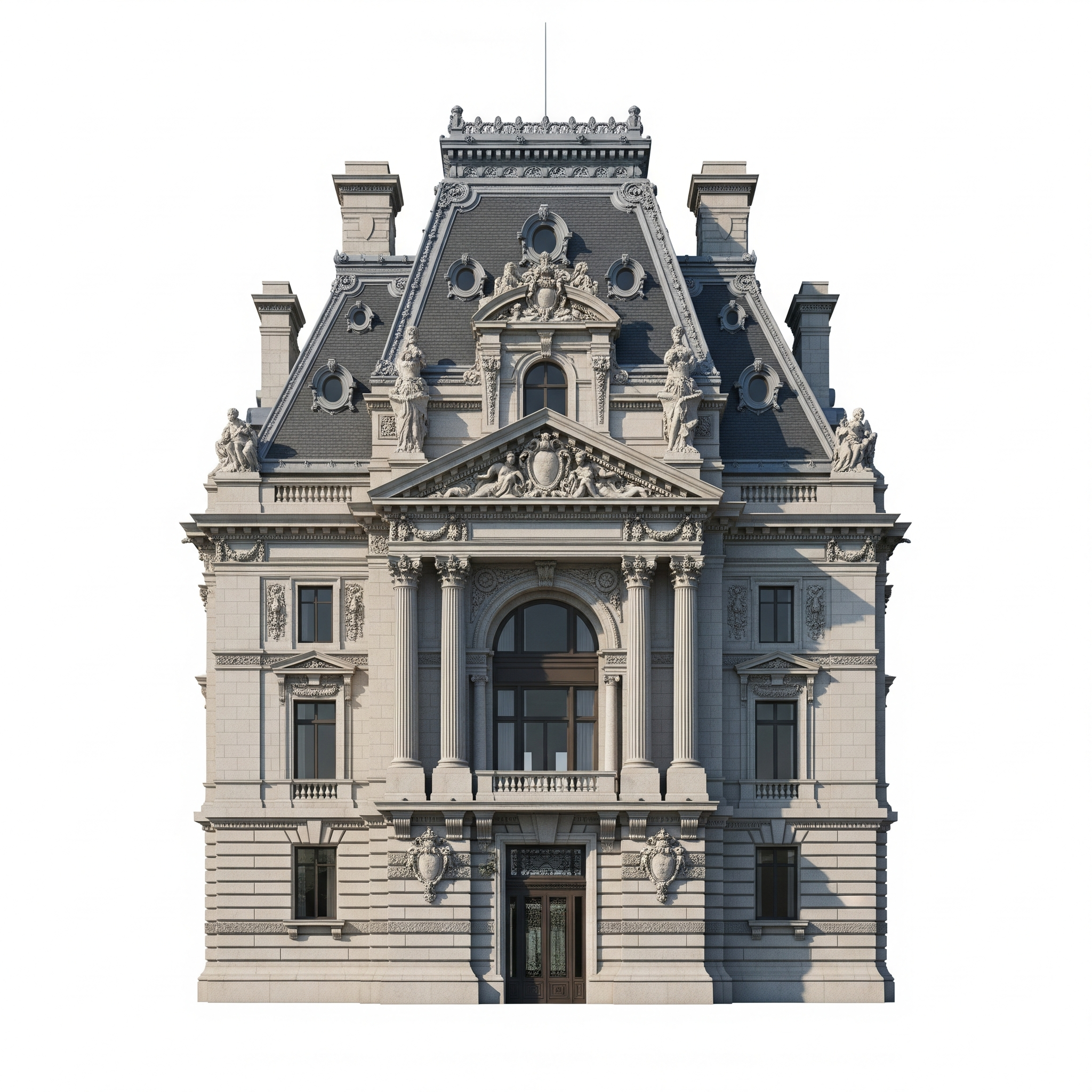
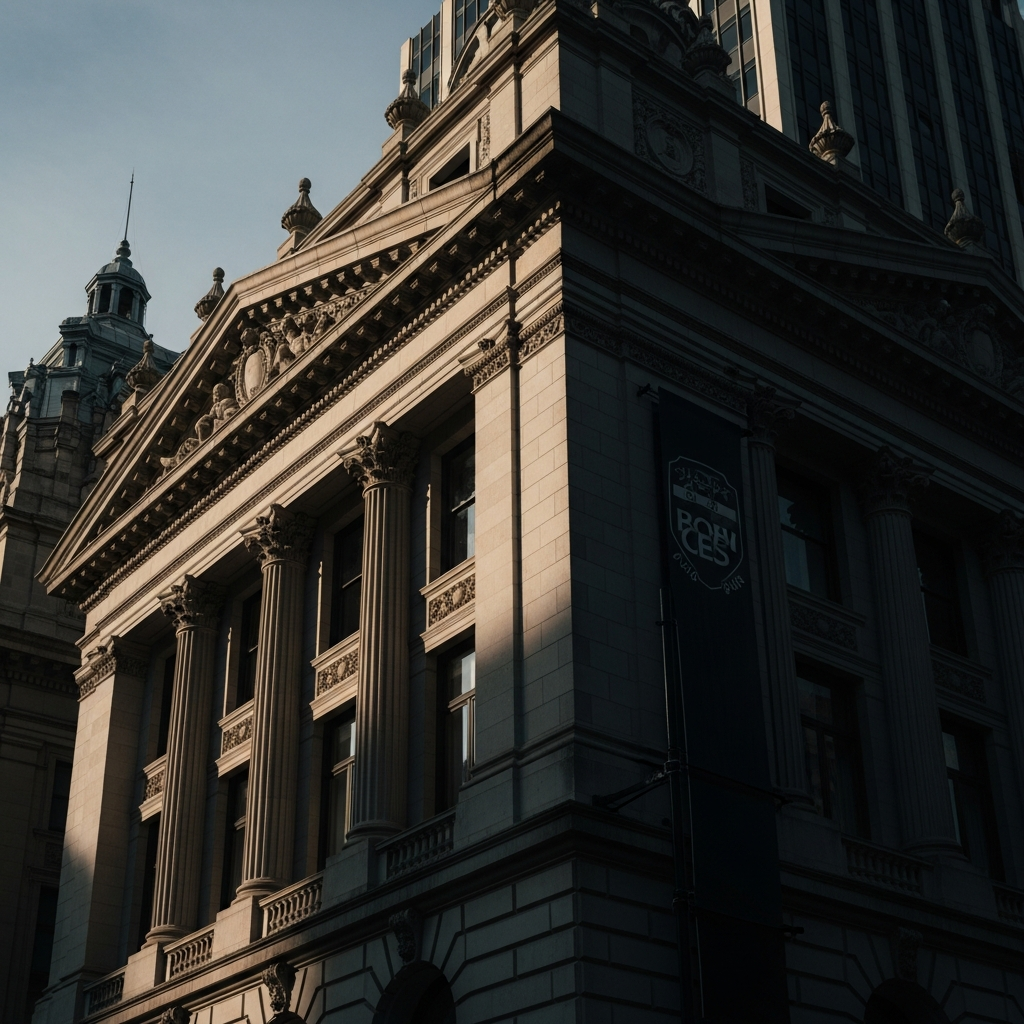
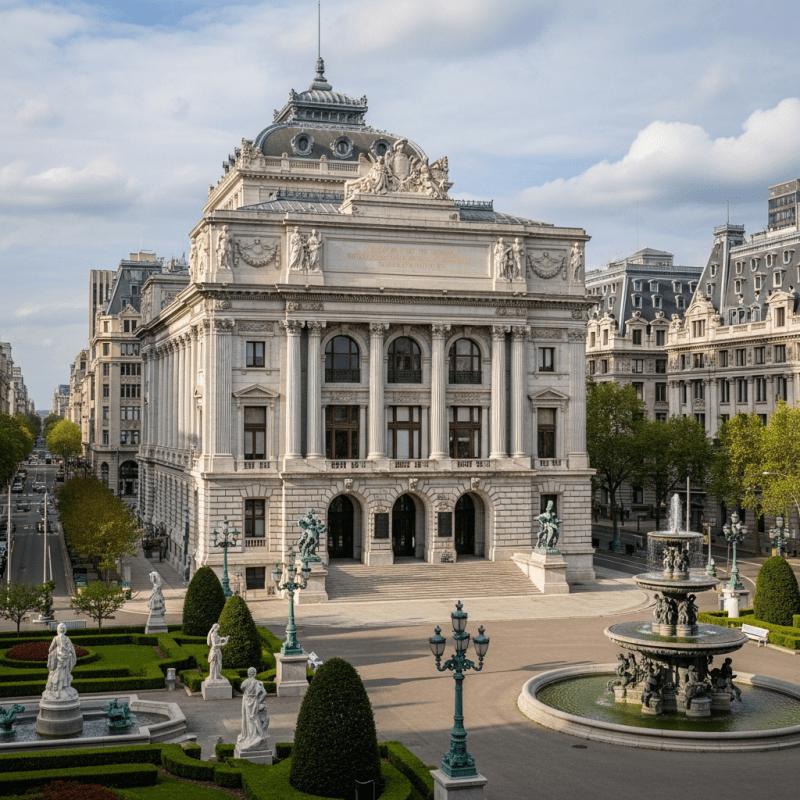
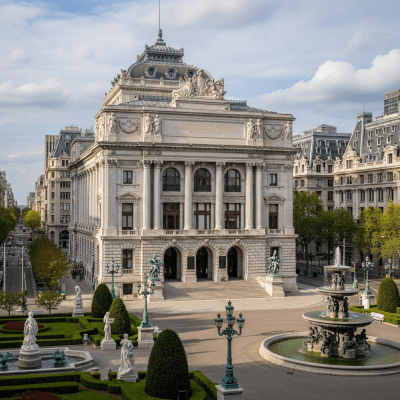
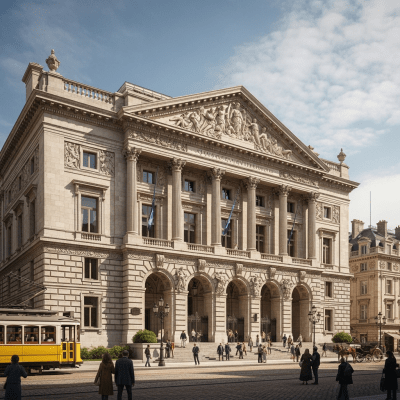
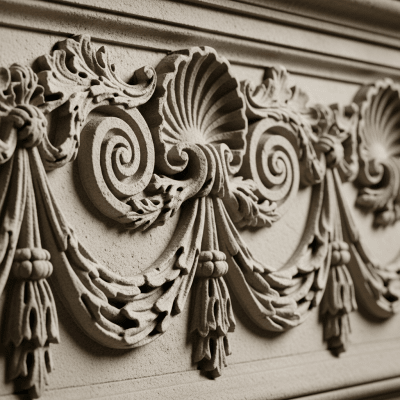
Visually, Beaux-Arts buildings are imposing and meticulously detailed. Expect symmetrical facades, axial layouts, grand staircases, domes, colonnades, and monumental entrances. Decorative motifs abound: classical orders, elaborate cornices, balustrades, pilasters, festoons, garlands, and allegorical sculptures, all contributing to a sense of opulence and civic grandeur.

Behavior or Usage

Beaux-Arts architecture was primarily employed for civic, cultural, and institutional buildings—courthouses, libraries, museums, railway stations, opera houses, banks, and grand residences. Its formal planning and hierarchy of spaces were designed to impress and guide visitors, integrating fine arts and sculpture to elevate the public experience.

Merchandise & Prints

Bring this kind into your world � illustrated posters, mugs, and shirts.

Beaux-Arts Beaux-Arts Poster

Beaux-Arts Poster

Archival print, museum-grade paper

Beaux-Arts Beaux-Arts Mug

Beaux-Arts Mug

Stoneware mug, dishwasher safe

Beaux-Arts Beaux-Arts Shirt

Beaux-Arts Shirt

Soft cotton tee, unisex sizes

Attributes & Insights

Taxon-Specific Insights

🌍Cultural Significance

As a symbol of civic pride and institutional authority, Beaux-Arts architecture became synonymous with progress, culture, and national identity. Its buildings often serve as landmarks and are celebrated in art, literature, and film for their grandeur and historic importance. Many are now protected as heritage sites, reflecting their enduring cultural value.

📌Notable Facts

  • Beaux-Arts was the preferred style for major public buildings in the U.S. during the City Beautiful Movement.
  • Its rigorous academic training emphasized drawing, classical studies, and integration of sculpture and painting.
  • Many Beaux-Arts buildings feature advanced engineering for their time, including steel frames hidden behind ornate stone facades.
  • The style’s influence spread globally, adapting to local materials and motifs in places as far-flung as Mexico and Canada.

🗺️Period And Region

Beaux-Arts architecture flourished from circa 1830 to 1930, reaching its zenith between 1880 and 1920. It originated in France but quickly spread to Europe, North America, Latin America, the United Kingdom, Canada, and Mexico, leaving a global legacy of monumental public buildings.

Visual Variations

High quality, studio-style photograph of a single Beaux-Arts from the architecture taxonomy
A wide-angle photograph of Beaux-Arts, a type of architecture, situated in its typical environment or setting
Detailed cross-sectional illustration or cutaway view showing the internal layout and key structural elements of the Beaux-Arts (architecture)
Photograph depicting Beaux-Arts, an example of architecture, in active use or cultural context—such as being inhabited, visited, or used for its intended purpose—while keeping focus on the structure itself
Close-up detail shot of a distinctive feature or ornamentation from the Beaux-Arts (architecture), showing material texture, craftsmanship, or unique design elements

Composition & Context

Taxon-Specific Insights

✨Key Characteristics

  • Monumental scale and formal symmetry
  • Axial alignment and hierarchical spatial planning
  • Classical ornamentation: columns, domes, balustrades
  • Grand staircases and processional routes
  • Integration of sculpture, painting, and decorative arts

🧱Materials And Techniques

Beaux-Arts architects favored stone—especially limestone and marble—alongside brick, iron, and later steel frames clad in stone. Lavish sculptural decoration adorned facades and interiors. Construction combined traditional masonry with modern engineering, allowing for expansive, open interiors and dramatic circulation routes.

🏛️Notable Works

  • Palais Garnier (Paris Opera House, Charles Garnier, 1861–1875)
  • Petit Palais (Paris, 1900)
  • Grand Palais (Paris, 1900)
  • New York Public Library (Carrère & Hastings, 1897–1911)
  • Union Station (Washington D.C., Daniel Burnham, 1903–1908)
  • San Francisco City Hall (Bakewell & Brown, 1915)
  • Montreal Museum of Fine Arts (Canada, 1912)
  • Palacio de Bellas Artes (Mexico City, 1904–1934)

👷‍♂️Notable Practitioners

  • Charles Garnier
  • Richard Morris Hunt
  • McKim, Mead & White
  • Daniel Burnham
  • Carrère & Hastings

🔗Influences And Related Styles

Beaux-Arts drew inspiration from French Neoclassicism, Renaissance architecture, Baroque, and ancient Greek and Roman traditions. It is closely related to Neoclassical and Second Empire styles, and influenced movements such as Edwardian Baroque and the City Beautiful Movement. Eclecticism and hybridizations with modern construction techniques are common in its international adaptations.

🌍Regional Variants

Regional adaptations of Beaux-Arts include the American Renaissance and American Beaux-Arts in the United States, Edwardian Baroque in the UK, and Academicismo or Eclecticismo in Latin America. These variants blend local materials, motifs, and functional needs with the core principles of Beaux-Arts, resulting in distinctive interpretations across continents.

🏅Heritage And Recognition

Many Beaux-Arts buildings are recognized as national or municipal landmarks and are protected for their architectural and cultural significance. The Palais Garnier is listed as part of Paris’s UNESCO World Heritage sites, and the style is cataloged by the Getty Vocabulary Program. Preservation efforts continue, though some structures face challenges due to their scale and maintenance requirements.

Faq

  • What defines Beaux-Arts architecture?
    Monumental scale, symmetrical plans, classical ornamentation, and integration of fine arts.
  • Where did Beaux-Arts originate?
    France, at the École des Beaux-Arts in Paris.
  • What types of buildings use Beaux-Arts style?
    Civic buildings, museums, libraries, railway stations, and opera houses.