
Bauhaus
Bauhaus is a pioneering architectural style and movement that revolutionized 20th-century design through its fusion of art, craft, and technology, emphasizing functionalism and minimalism.
Bauhaus is a pioneering architectural style and movement that revolutionized 20th-century design through its fusion of art, craft, and technology, emphasizing functionalism and minimalism.
The Bauhaus originated in Germany in 1919, founded by Walter Gropius in Weimar as an innovative school dedicated to uniting art and industry. Relocating to Dessau and later Berlin, the Bauhaus fostered a radical pedagogical approach that broke down barriers between fine arts, crafts, and architecture. Its ethos was shaped by the social and cultural upheavals of post-World War I Europe, aiming to democratize design and respond to the needs of modern society.
Bauhaus is classified within the Modernism school of architecture. It stands as a distinct style, characterized by its functionalist principles and rejection of historical ornamentation. While sometimes conflated with the International Style, Bauhaus remains unique for its direct connection to the influential German school and its holistic design philosophy.
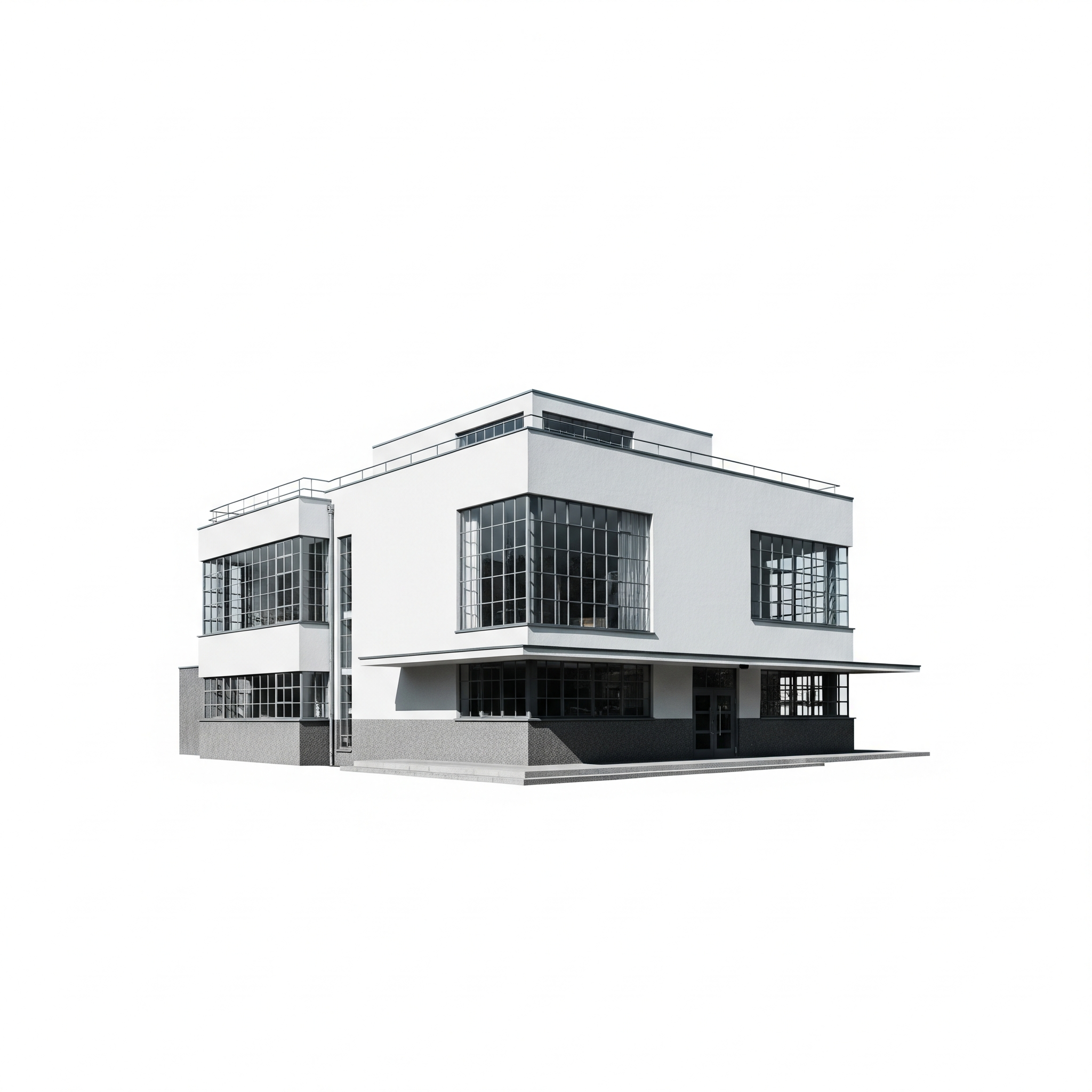
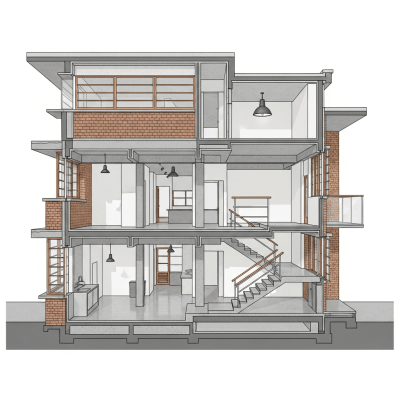
Bauhaus architecture is instantly recognizable for its clean, rectilinear forms, flat roofs, and open floor plans. Buildings often feature large ribbon windows, exposed structural elements, and a minimalist aesthetic devoid of superfluous decoration. The use of steel, glass, and concrete creates a sense of lightness and transparency, while color is applied sparingly for functional or compositional emphasis. The overall impression is one of clarity, simplicity, and geometric harmony.
Bauhaus buildings were designed for practical, everyday use, prioritizing efficiency and adaptability. The movement produced educational facilities, social housing, factories, and institutional structures, all reflecting a commitment to collective living and accessible design. Interiors are typically open and flexible, supporting communal activities and modern lifestyles. The integration of furniture and graphic design further enhances the user experience, embodying the Bauhaus ideal of total design.
Bring this kind into your world illustrated posters, mugs, and shirts.
Archival print, museum-grade paper
Buy Poster
Stoneware mug, dishwasher safe
Buy Mug
Soft cotton tee, unisex sizes
Buy ShirtBauhaus has left an indelible mark on global culture, inspiring generations of architects, designers, and artists. Its philosophy of "form follows function" and its embrace of industrial materials have influenced everything from urban planning to everyday objects. The movement is celebrated in museums, exhibitions, and educational curricula worldwide, and its legacy is visible in cities from Berlin to Tel Aviv and Chicago. Bauhaus remains a symbol of modernity, innovation, and the democratization of design.
Bauhaus flourished in Germany from 1919 to 1933, with its primary activity centered in Weimar, Dessau, and Berlin. After its closure, Bauhaus ideas spread internationally, notably influencing architecture in the United States and Israel throughout the mid-20th century and beyond.



Bauhaus drew inspiration from the Arts and Crafts movement, De Stijl, Constructivism, and early Expressionism. It is closely related to the International Style, Functionalism, Modernism, and Minimalism. Bauhaus principles have merged with local traditions worldwide, resulting in hybrid forms such as Tel Aviv’s White City.
Bauhaus buildings in Weimar, Dessau, and Bernau have been designated UNESCO World Heritage Sites for their architectural and cultural significance. The movement is officially recognized by DOCOMOMO International and the International Union of Architects (UIA) as foundational to modern architecture. Many Bauhaus structures are protected and restored, though some face ongoing conservation challenges.