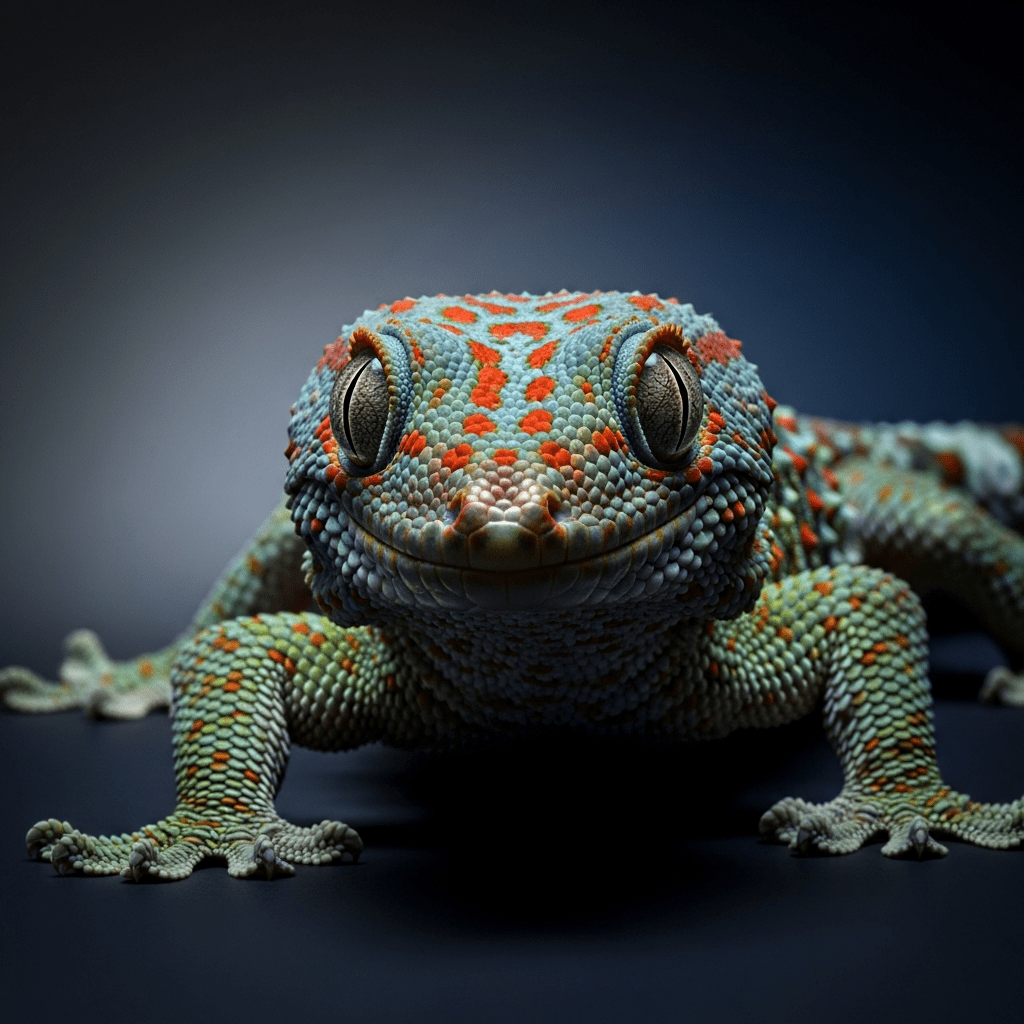
Tokay Gecko
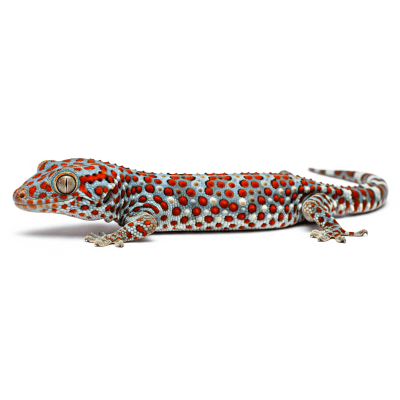
The Tokay Gecko (Gekko gecko) is a large, vividly colored gecko native to Asia, known for its striking blue-gray body adorned with bright orange or red spots and its loud, distinctive vocalizations.
The Tokay Gecko (Gekko gecko) is a large, vividly colored gecko native to Asia, known for its striking blue-gray body adorned with bright orange or red spots and its loud, distinctive vocalizations.
First described by Carl Linnaeus in 1758, the Tokay Gecko is a wild species with a broad natural distribution across Asia. While captive breeding is common in the pet trade, individual provenance records are generally unavailable, reflecting its widespread presence in natural habitats rather than a domesticated origin.
The Tokay Gecko belongs to the class Reptilia and is classified within the order Squamata, family Gekkonidae, genus Gekko. Its scientific name is Gekko gecko, with no recognized subspecies but several regional color morphs. It fits within the broader group of geckos, a diverse family of nocturnal lizards known for their climbing abilities.
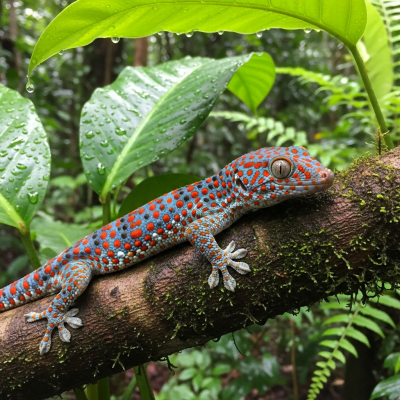
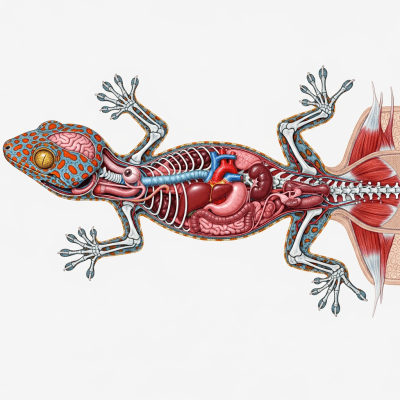
This species typically reaches about 30 centimeters in length, featuring a robust body, large head, and prominent eyes with vertical pupils. Its granular skin is predominantly blue-gray, patterned with vivid orange or red spots that vary regionally. Males are generally larger and more brightly colored than females. Notably, the Tokay Gecko has adhesive toe pads that allow it to climb smooth surfaces with ease.
The Tokay Gecko is nocturnal and arboreal, spending much of its time active at night in forested environments. It is known for its aggressive temperament and powerful bite, traits that serve it well in territorial defense. Its vocalizations are loud and distinctive, often heard during the night. The species reaches sexual maturity within one to two years and lays clutches of one to two eggs that adhere to surfaces.
Bring this kind into your world illustrated posters, mugs, and shirts.
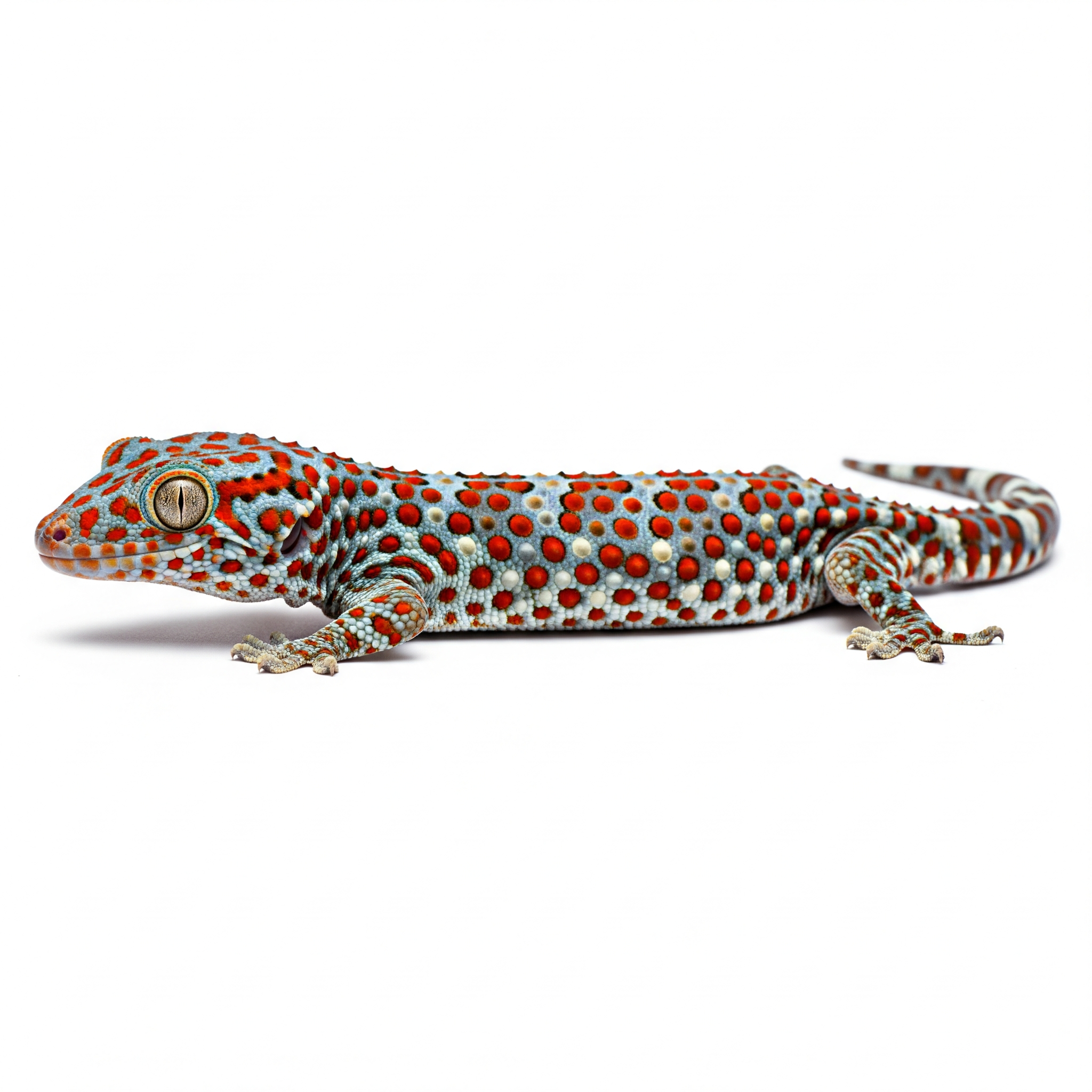
Archival print, museum-grade paper
Buy Poster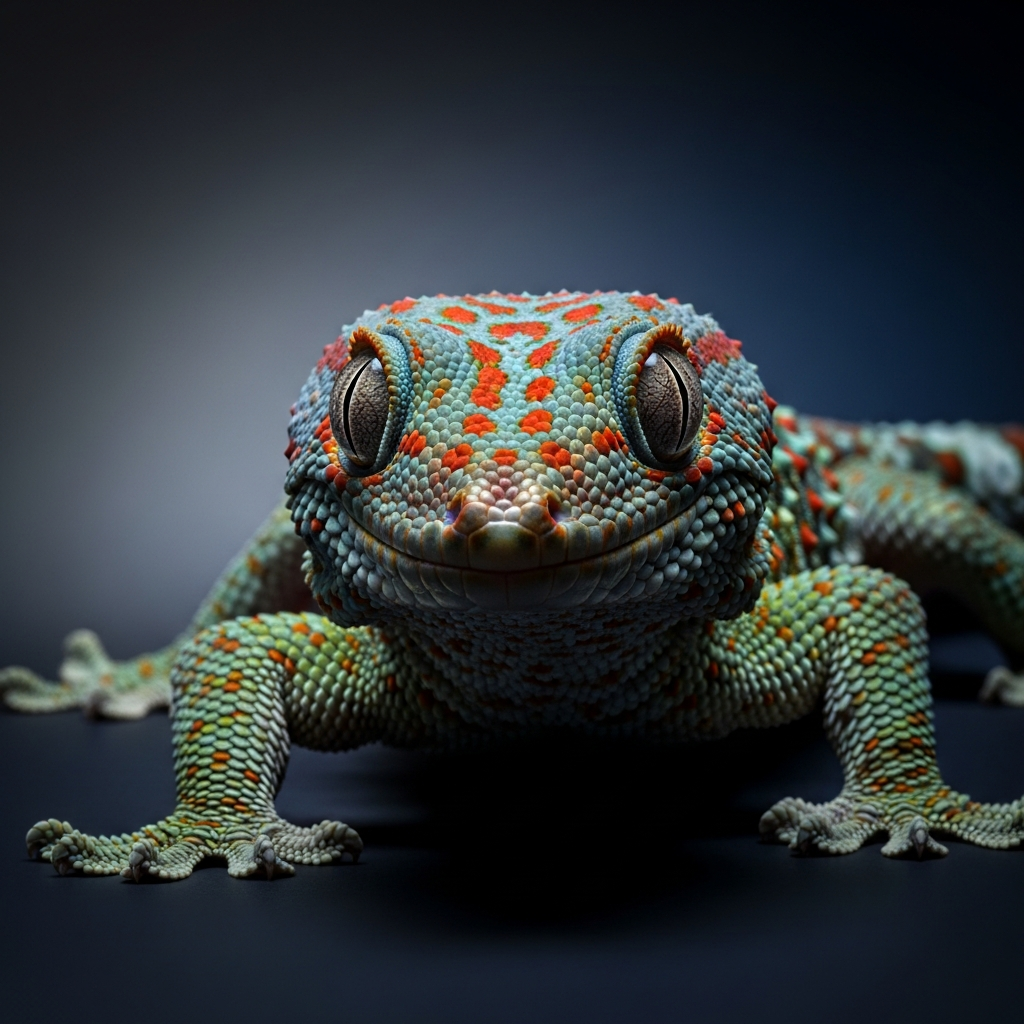
Stoneware mug, dishwasher safe
Buy Mug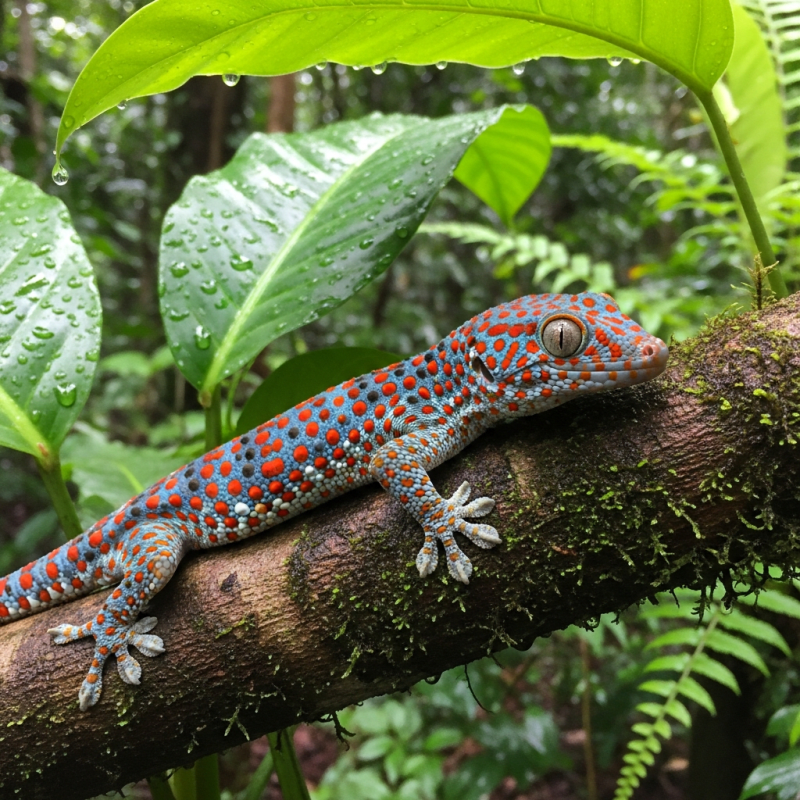
Soft cotton tee, unisex sizes
Buy ShirtIn traditional Chinese medicine and various Southeast Asian cultures, dried Tokay Geckos are valued as remedies for ailments such as respiratory issues and impotence, despite limited scientific evidence supporting these claims. The species also features in local folklore, often regarded as a household guardian that helps ward off pests. Its unique call and striking appearance have made it a notable figure in regional cultural narratives.
The Tokay Gecko inhabits arboreal, nocturnal forest environments across a broad native range in Asia. It thrives in tropical and subtropical forests where it can climb trees and other vertical surfaces. Its natural habitat includes humid, warm areas that support its nocturnal lifestyle and dietary needs.


Reaching sexual maturity around one and a half years of age, the Tokay Gecko lays small clutches of one to two eggs. These eggs are adhesive, often attached to surfaces such as tree bark or rocks. The species exhibits moderate growth rates, and while exact lifespan data is limited, individuals can live several years in captivity under proper care.
Currently, the Tokay Gecko does not have an assigned IUCN conservation status and is not listed under CITES appendices. However, habitat loss and collection for the pet trade and traditional medicine pose localized threats. Commercial breeding helps reduce pressure on wild populations, but ongoing habitat protection remains important for its long-term survival.
The Tokay Gecko interacts with humans primarily through the pet trade and traditional medicine markets. It is widely kept as an exotic pet due to its size and vivid coloration, with commercial breeding operations supporting this demand. Additionally, in some cultures, it is harvested for use in remedies and regarded as a natural pest deterrent in homes. Careful management is necessary to balance human use with species conservation.