Origin Story

First described by Carl Linnaeus in 1758, the Spectacled Caiman is a wild species native to the Neotropical region. It has no documented captive origin or breeder lineage, existing naturally across a broad geographic range with several recognized subspecies that reflect regional variations.

Classification

Belonging to the class Reptilia, the Spectacled Caiman is classified within the order Crocodylia and family Alligatoridae. Its genus is Caiman and species crocodilus, with multiple subspecies recognized across its range.

Appearance or Form

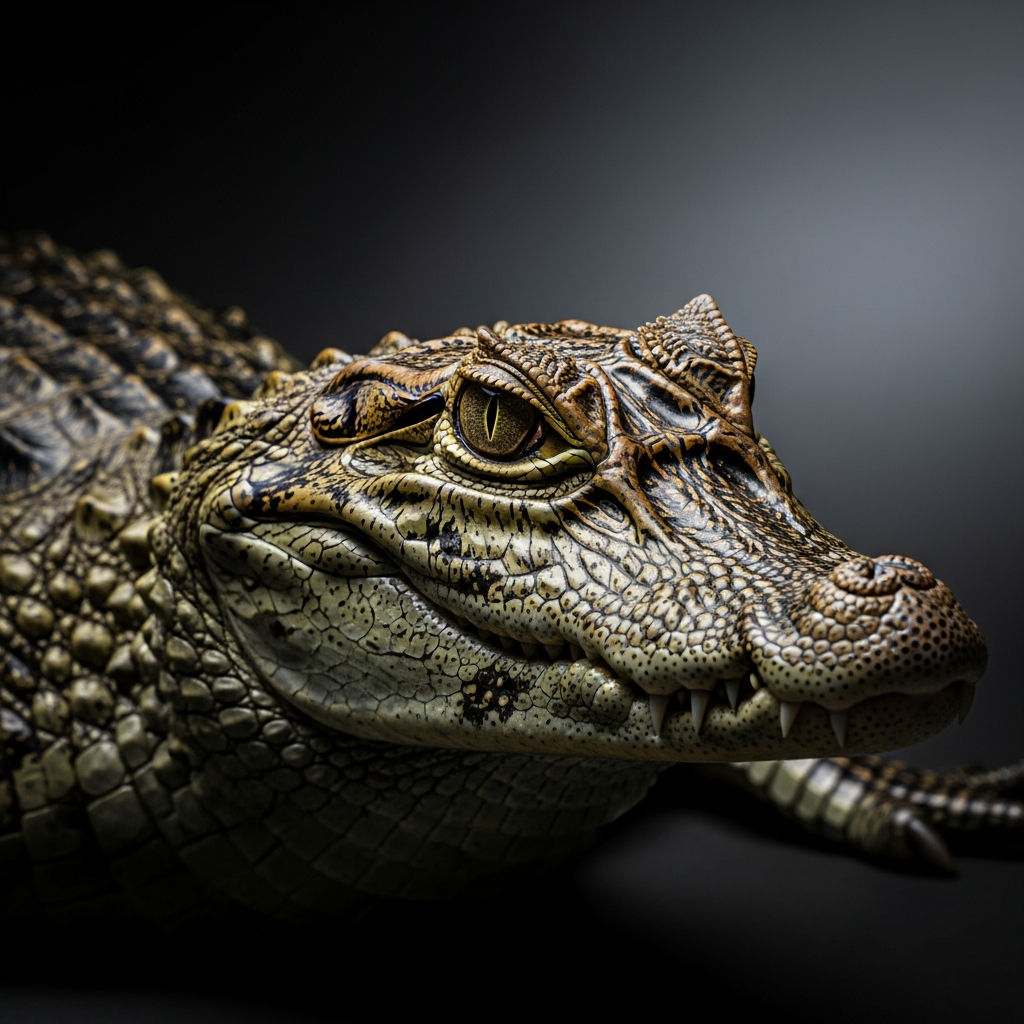
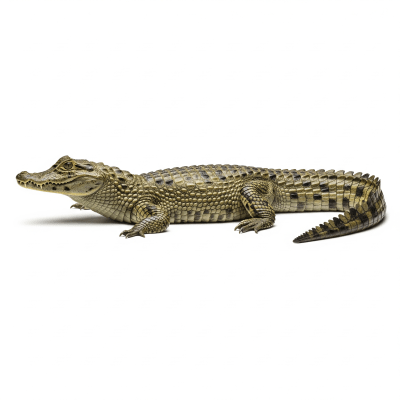
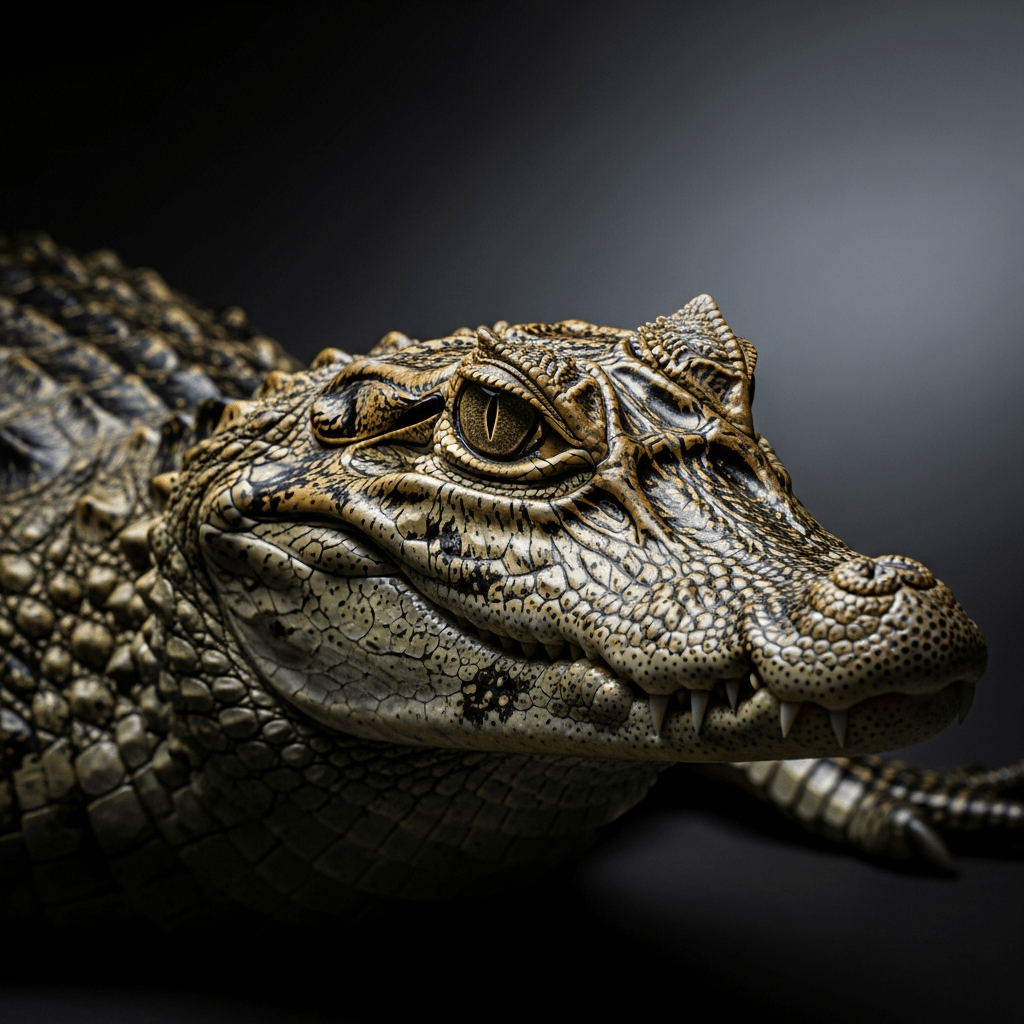
The Spectacled Caiman typically measures around two meters in length, with males generally larger than females. Its coloration ranges from olive-green to brown, with juveniles displaying lighter tones and dark bands that fade as they mature. A broad snout and a prominent bony ridge between the eyes—the "spectacles"—are its key identifying features.

Behavior or Usage

This carnivorous reptile is both aquatic and semi-aquatic, inhabiting freshwater environments such as rivers, lakes, and wetlands, and tolerating brackish waters. It grows rapidly under favorable conditions and demonstrates resilience by surviving droughts through burrowing or aestivation. It thrives even in polluted or human-altered habitats but remains vulnerable to extreme cold and habitat loss.

Merchandise & Prints

Bring this kind into your world � illustrated posters, mugs, and shirts.

Spectacled Caiman Spectacled Caiman Poster

Spectacled Caiman Poster

Archival print, museum-grade paper

Spectacled Caiman Spectacled Caiman Mug

Spectacled Caiman Mug

Stoneware mug, dishwasher safe

Spectacled Caiman Spectacled Caiman Shirt

Spectacled Caiman Shirt

Soft cotton tee, unisex sizes

Attributes & Insights

Taxon-Specific Insights

🌍Cultural Significance

The Spectacled Caiman holds cultural importance in various Neotropical communities, often recognized by its distinctive appearance and presence in local folklore. Its skin has been traditionally used in leathercraft, and it features in educational exhibits within zoos and aquaria, helping raise awareness about crocodilian species.

📌Notable Facts

  • The name "spectacled" comes from the unique bony ridge between its eyes that looks like eyeglasses.
  • It is the most widespread caiman species in the Neotropics, adaptable to diverse freshwater habitats.
  • Juveniles have distinctive dark banding that fades with age.
  • It can survive drought periods by burrowing or entering a state of aestivation.
  • International trade is regulated under CITES Appendix II due to its commercial use.

🌍Habitat And Distribution

Native to the Neotropics, the Spectacled Caiman thrives in a variety of freshwater environments including rivers, lakes, and wetlands. It also tolerates brackish water and adapts well to human-altered landscapes, making it one of the most ecologically versatile crocodilians in its range.

Visual Variations

High quality studio photograph of a Spectacled Caiman, belonging to the taxonomy reptiles
A detailed image of a Spectacled Caiman (reptiles) in its typical natural habitat
Scientific cross-sectional illustration of a Spectacled Caiman
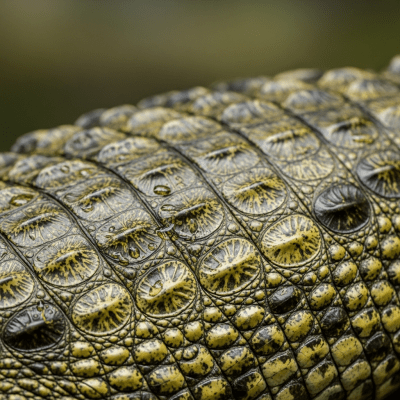
A close-up macro photograph of the skin or scales of a Spectacled Caiman
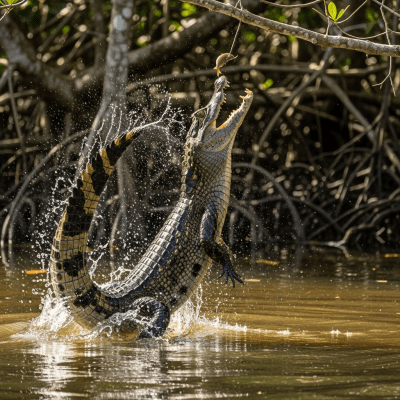
A dynamic action shot of a Spectacled Caiman, part of the taxonomy reptiles, in motion such as climbing, swimming, basking, or hunting in its environment

Composition & Context

Taxon-Specific Insights

🦎Reproduction And Lifecycle

While specific reproductive details vary, the Spectacled Caiman lays shelled eggs typical of crocodilians. It includes several subspecies with regional breeding behaviors. Juveniles display distinct banding patterns that fade as they mature, and the species exhibits rapid growth under optimal conditions.

⚠️Conservation And Threats

Listed under CITES Appendix II, the Spectacled Caiman faces threats from habitat loss and hunting for its leather, although its skin is considered lower quality compared to other crocodilians. Its adaptability has helped maintain stable populations, but conservation efforts focus on regulating trade and protecting natural habitats.

🤝Interaction With Humans

The Spectacled Caiman is commercially farmed for leather and occasionally consumed locally for meat. It is also popular in the pet trade and displayed in zoos and aquaria for educational purposes. While it can coexist near human settlements, habitat disturbance and hunting impact its populations.

Faq

Q: How large does a Spectacled Caiman grow?
The average length is about two meters, with males typically larger than females.

Q: Where is the Spectacled Caiman found?
It inhabits freshwater and brackish habitats throughout the Neotropics.

Q: Is the Spectacled Caiman dangerous to humans?
It is generally not aggressive toward humans but should be respected as a wild predator.