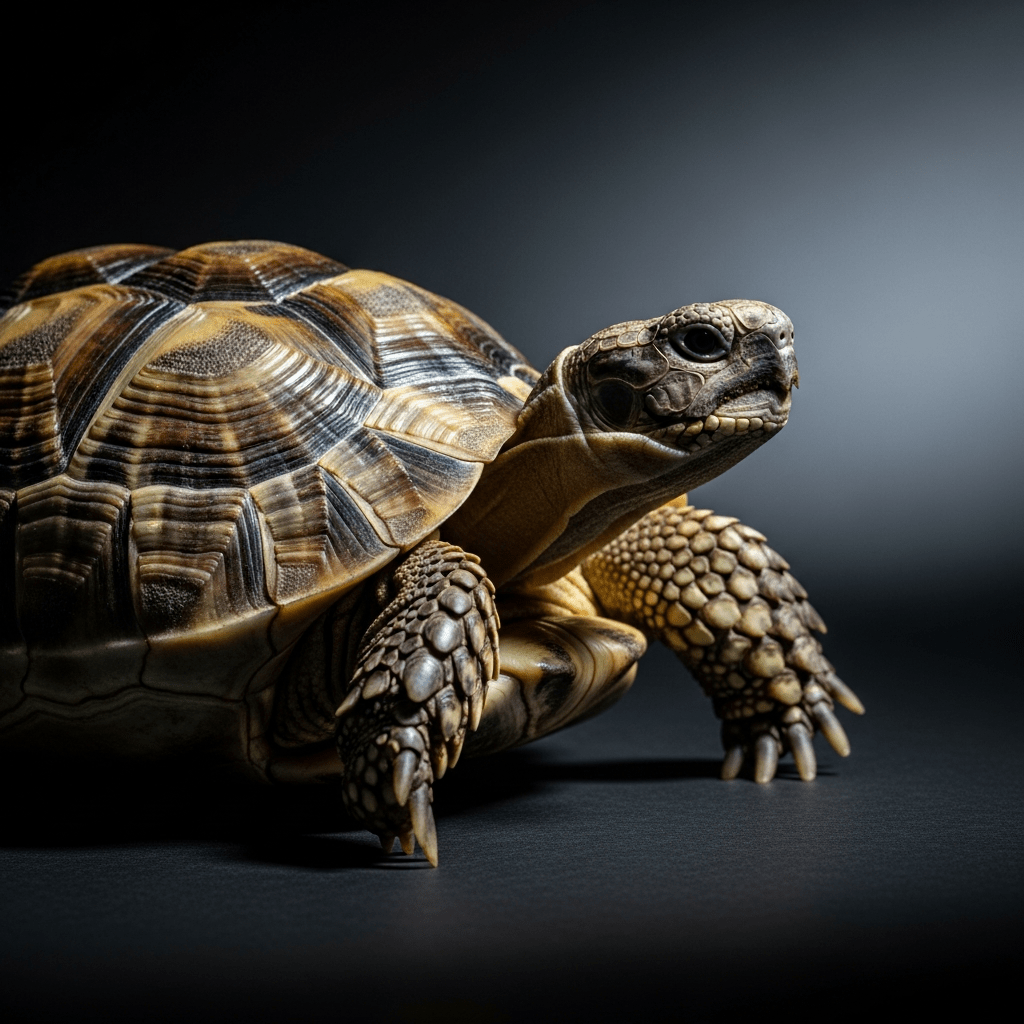
Russian Tortoise
The Russian Tortoise (Agrionemys horsfieldii) is a small, hardy terrestrial tortoise native to Central Asia, known for its adaptability and popularity as a pet.
The Russian Tortoise (Agrionemys horsfieldii) is a small, hardy terrestrial tortoise native to Central Asia, known for its adaptability and popularity as a pet.
First described by John Gray in 1844, the Russian Tortoise originates from a broad range across Russia, Kazakhstan, Uzbekistan, Turkmenistan, Iran, Afghanistan, Pakistan, and China. While captive breeding is widespread for the pet trade, detailed lineage records are generally unavailable.
The Russian Tortoise belongs to the class Reptilia, order Testudines, and family Testudinidae. Its genus is Agrionemys and species horsfieldii, placing it among terrestrial tortoises known for their sturdy build and terrestrial habits.
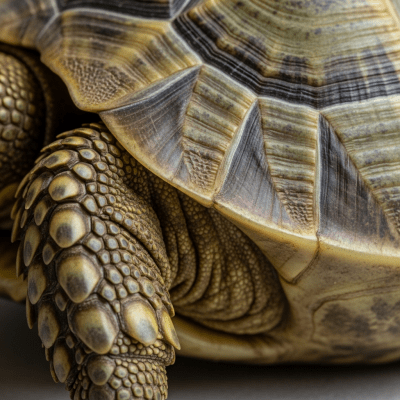
This tortoise features a rounded, domed shell colored from yellowish-brown to olive with darker markings. It typically measures between 13 and 25 centimeters in carapace length, with females generally larger than males. Its strong limbs, each bearing four toes, are well adapted for digging in dry, sandy, or rocky environments.
The Russian Tortoise is a terrestrial species adapted to arid habitats, exhibiting slow growth and a lifespan that can exceed 40 years in captivity. It resists many diseases common to tortoises but is sensitive to high humidity and poor care conditions. Its behavior and hardiness make it a favored pet and a subject in educational and zoological settings.
Bring this kind into your world illustrated posters, mugs, and shirts.

Archival print, museum-grade paper
Buy Poster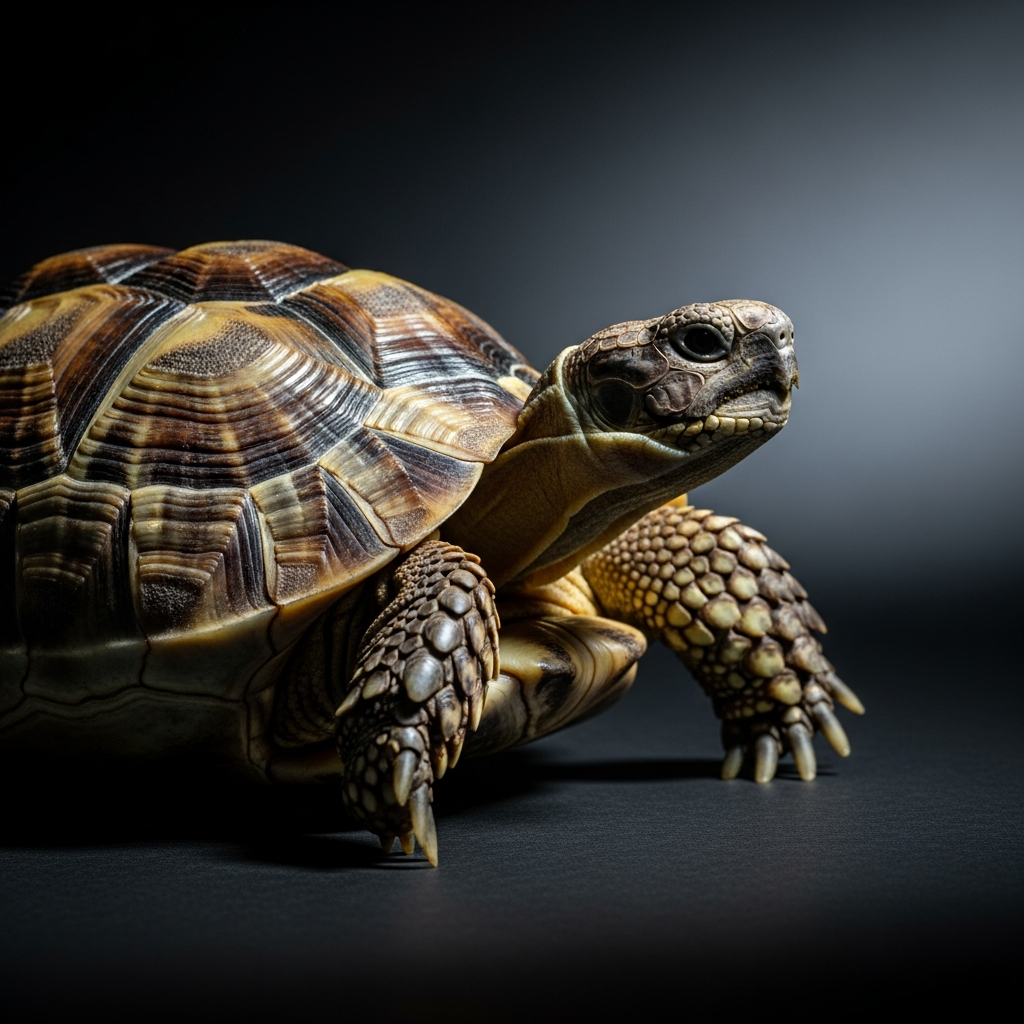
Stoneware mug, dishwasher safe
Buy Mug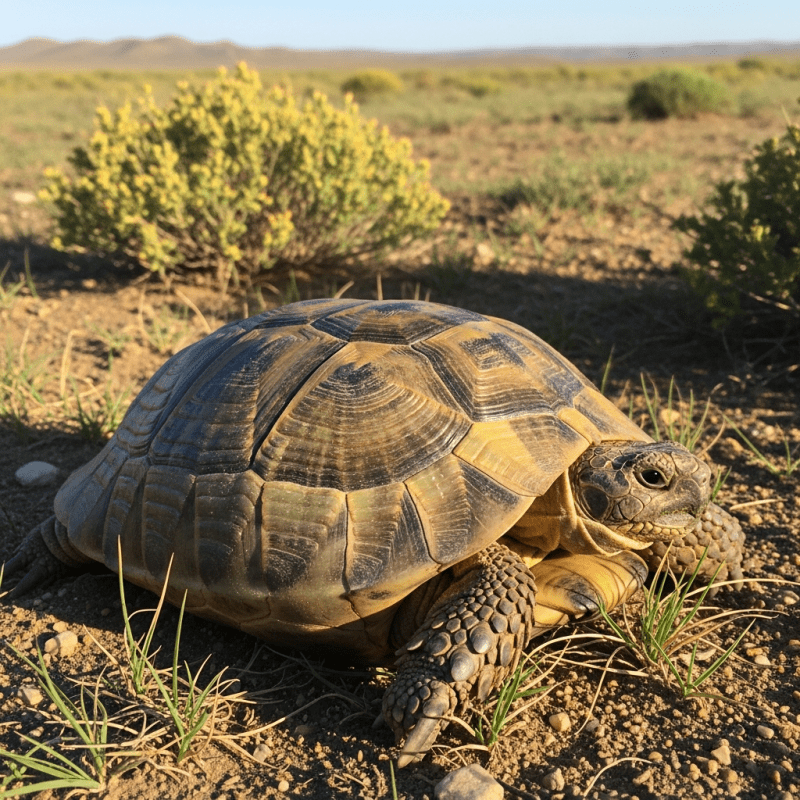
Soft cotton tee, unisex sizes
Buy ShirtWhile not prominently featured in traditional art or mythology, the Russian Tortoise holds cultural value as a popular pet worldwide, symbolizing resilience and adaptability. Its presence in educational programs and zoos fosters awareness of reptile conservation and biology.
Native to dry, sandy, and rocky habitats across Central Asia, the Russian Tortoise inhabits regions of Russia, Kazakhstan, Uzbekistan, Turkmenistan, Iran, Afghanistan, Pakistan, and China. It thrives in arid environments where it can burrow to escape extreme temperatures and drought.



Details on the Russian Tortoise's reproduction are limited, but like other tortoises, it lays eggs in burrows. Growth is slow, with individuals reaching sexual maturity over several years. Lifespans in captivity often exceed four decades, reflecting their longevity and resilience.
The Russian Tortoise is listed under CITES Appendix II, regulating its international trade to prevent overexploitation. While not currently assessed by the IUCN Red List, habitat loss and collection for the pet trade pose potential threats. Conservation efforts focus on sustainable trade and habitat protection.
Humans primarily interact with the Russian Tortoise through the pet trade, where it is prized for its manageable size and temperament. It also serves educational and zoological purposes. However, trade is regulated to ensure wild populations remain stable, and captive breeding reduces pressure on natural habitats.