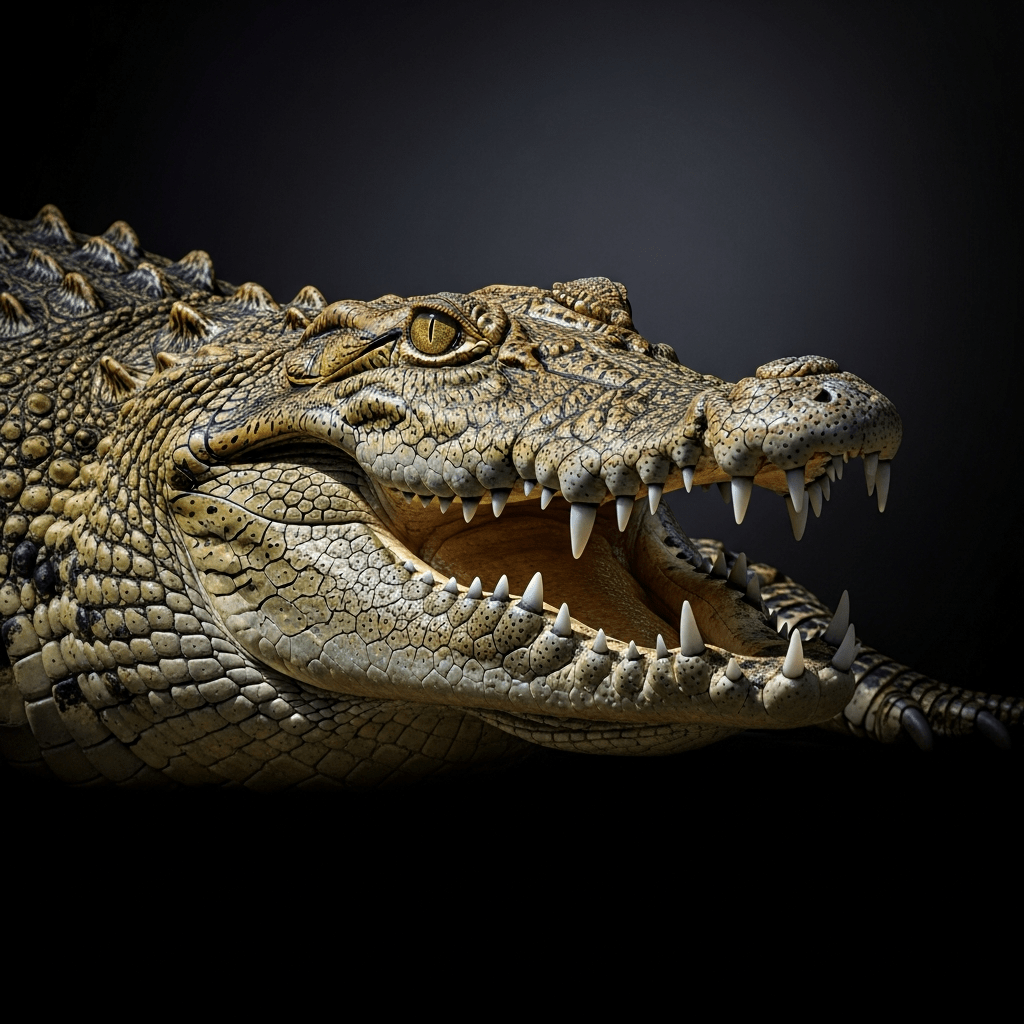
Nile Crocodile
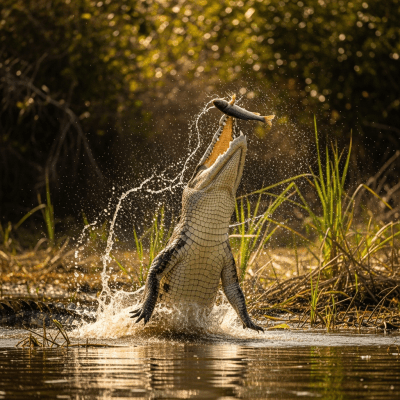
The Nile Crocodile (Crocodylus niloticus) is Africa's largest crocodilian and a powerful apex predator renowned for its size, strength, and adaptability across diverse aquatic habitats.
The Nile Crocodile (Crocodylus niloticus) is Africa's largest crocodilian and a powerful apex predator renowned for its size, strength, and adaptability across diverse aquatic habitats.
First described by Laurenti in 1768, the Nile Crocodile belongs to an ancient lineage with fossil evidence tracing the genus Crocodylus back millions of years. Native to sub-Saharan Africa, it thrives in wild aquatic environments, with captive breeding programs established worldwide, especially in Africa and zoological institutions.
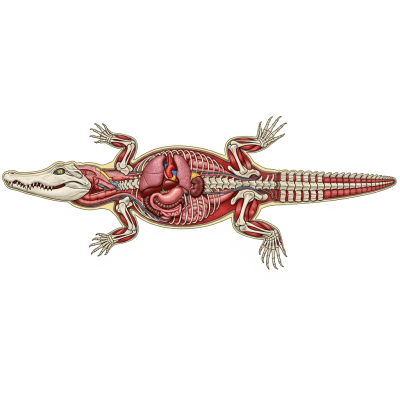
The Nile Crocodile is classified within the class Reptilia, order Crocodylia, and genus Crocodylus. It is a member of the crocodilian family distinguished by robust bodies, armored skin, and aquatic adaptations, fitting squarely among modern reptiles known for their cold-blooded physiology and scaly integument.
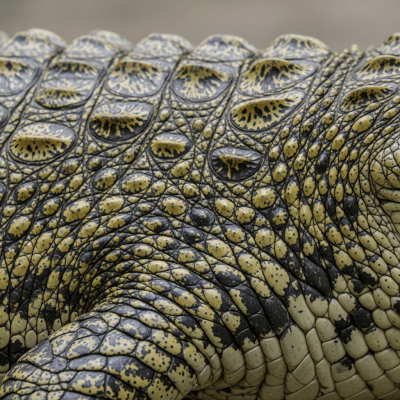
This species features a robust, elongated body with a powerful tail, short limbs, and a broad snout. Adult males typically measure between 4 and 5 meters, sometimes exceeding 6 meters, while females are smaller at 2.5 to 3.5 meters. Weighing up to 750 kilograms, their olive to dark brown skin is armored with osteoderms, complemented by lighter undersides and yellowish crossbands in juveniles, creating a striking and formidable appearance.
The Nile Crocodile is a carnivorous ambush predator, relying on stealth and power to capture prey. It exhibits complex social hierarchies and notable maternal care, guarding nests and hatchlings. Rapid growth characterizes early life stages, and individuals can live up to 85 years. Their aquatic lifestyle and resilience to environmental changes underscore their ecological success.
Bring this kind into your world illustrated posters, mugs, and shirts.
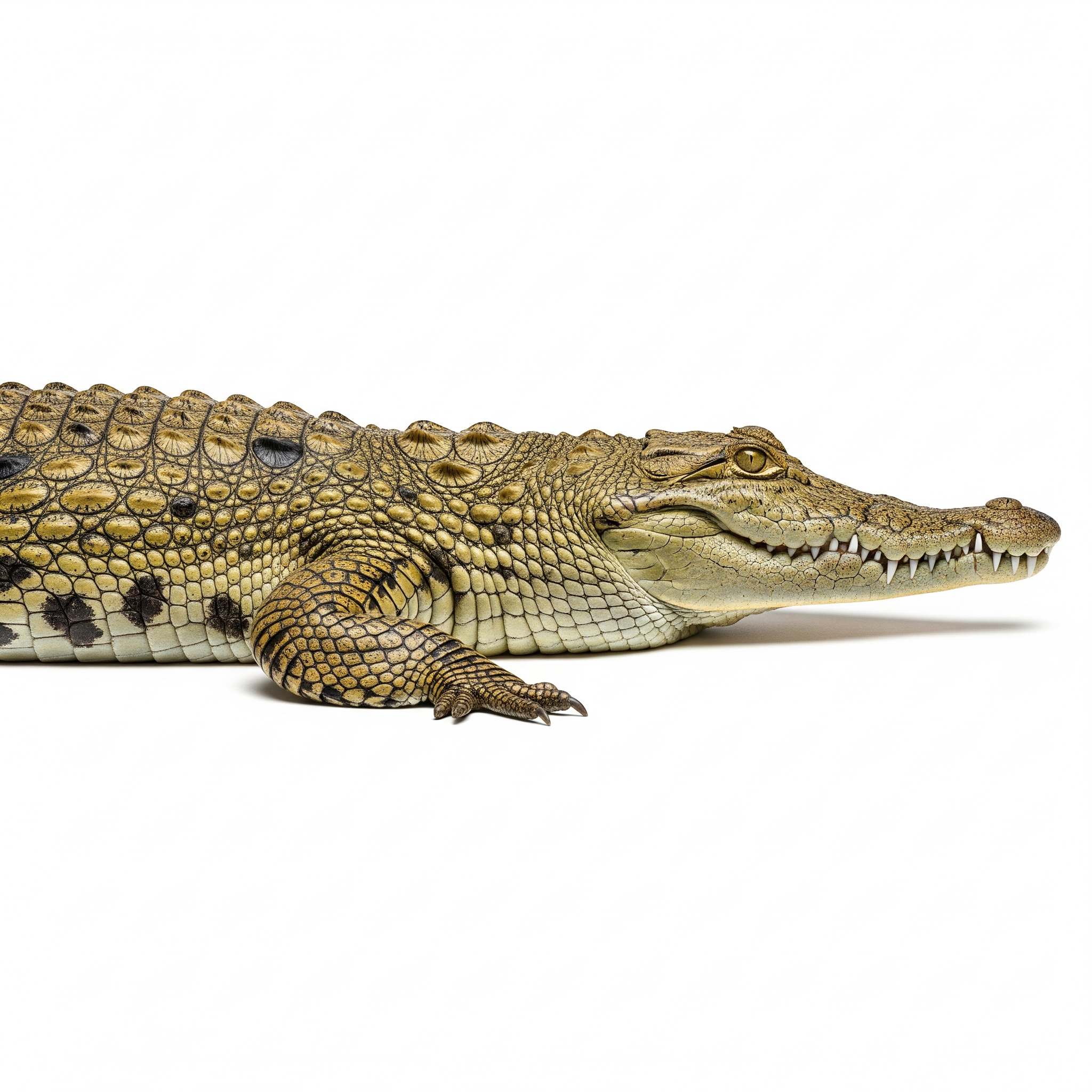
Archival print, museum-grade paper
Buy Poster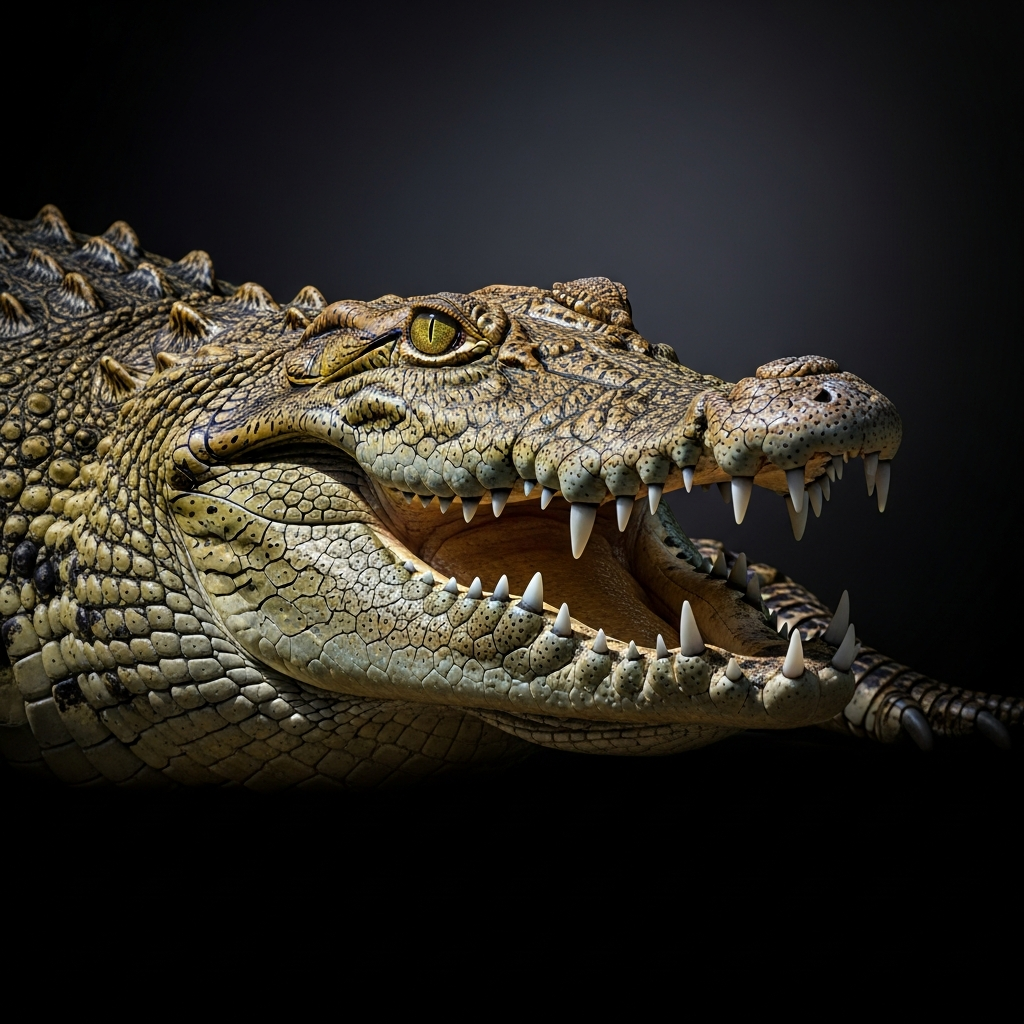
Stoneware mug, dishwasher safe
Buy Mug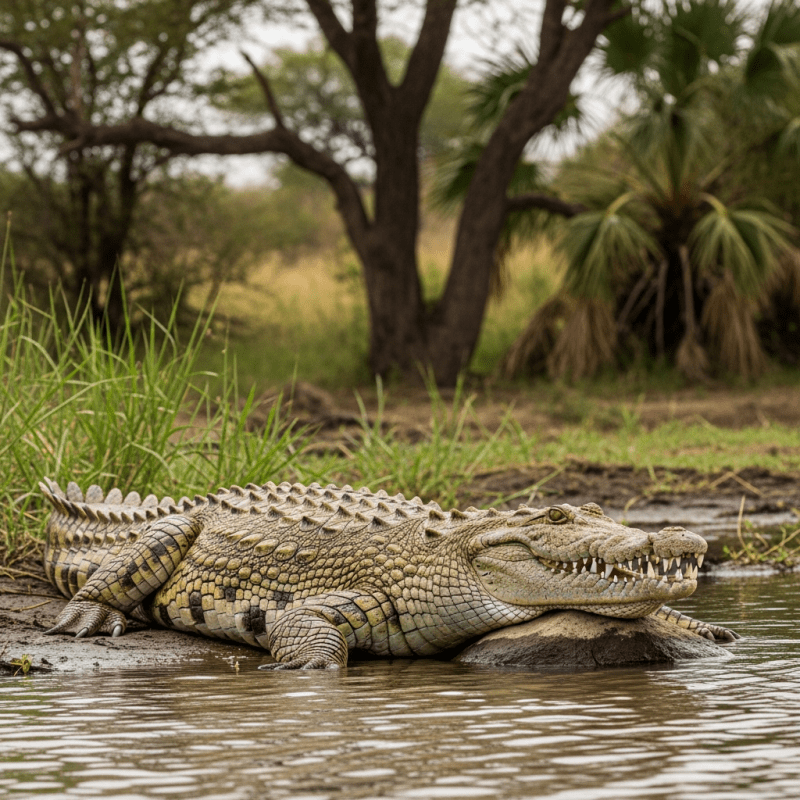
Soft cotton tee, unisex sizes
Buy ShirtThroughout African cultures, the Nile Crocodile holds symbolic significance, often appearing in folklore, art, and mythology as a symbol of strength and danger. Its imposing presence has inspired stories and reverence, while in modern times, it features prominently in ecotourism and wildlife conservation narratives.
The Nile Crocodile is native to sub-Saharan Africa, inhabiting a variety of aquatic environments including rivers, lakes, marshes, and estuaries. Its adaptability allows it to thrive in diverse freshwater ecosystems, from tropical wetlands to arid river systems, making it one of Africa's most widespread large reptiles.
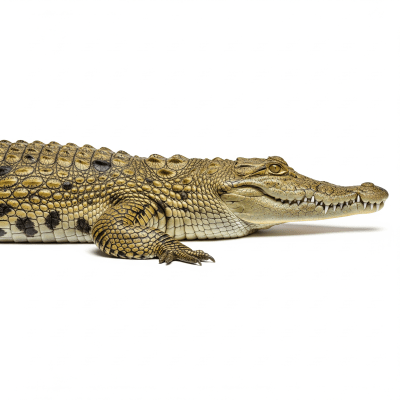
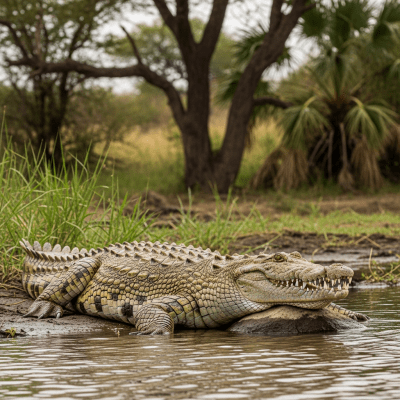
Reproduction involves nesting on riverbanks where females lay clutches of eggs, which they vigilantly guard until hatching. Juveniles grow rapidly in early stages, developing distinctive yellowish crossbands that fade with maturity. Sexual maturity is reached after several years, and individuals can live up to 85 years, experiencing a long and complex lifecycle in the wild.
Listed under CITES Appendix II, the Nile Crocodile faces threats primarily from habitat loss and pollution. Although not currently classified as endangered, conservation efforts focus on regulating trade, protecting habitats, and supporting sustainable farming practices to ensure population stability across its range.
The Nile Crocodile significantly impacts human communities through its role in ecotourism and the commercial trade of its leather and meat. Crocodile farming is established in several African countries, balancing economic benefits with conservation. However, conflicts occasionally arise due to attacks on humans and livestock, necessitating careful management and awareness.