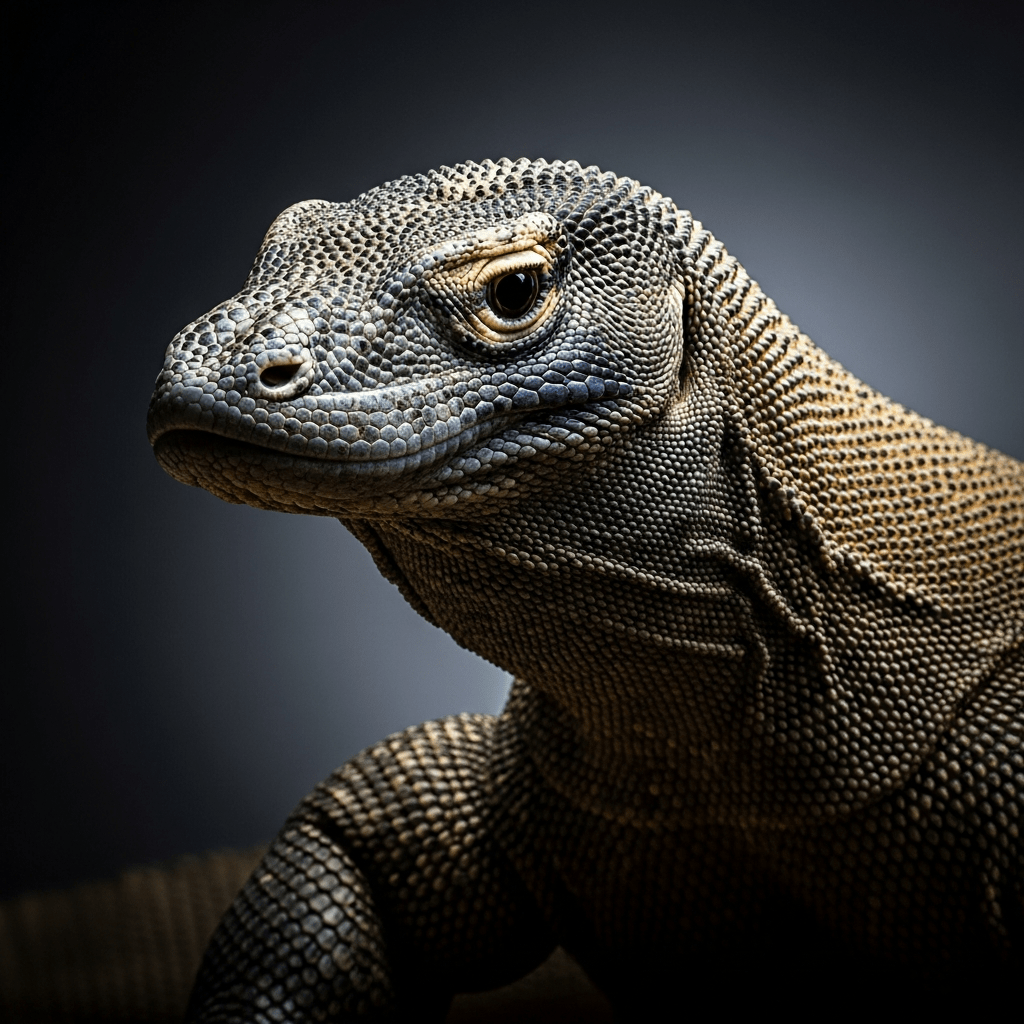
Komodo Dragon
The Komodo dragon (Varanus komodoensis) is the largest living species of lizard, famed for its formidable size, venomous bite, and role as a dominant predator within its native Indonesian islands.
The Komodo dragon (Varanus komodoensis) is the largest living species of lizard, famed for its formidable size, venomous bite, and role as a dominant predator within its native Indonesian islands.
First described scientifically by Peter Ouwens in 1912, the Komodo dragon is endemic to a handful of islands in the Indonesian archipelago, including Komodo, Rinca, Flores, Gili Motang, and Padar. These tropical island habitats have shaped its evolution and restricted distribution, with all known populations remaining wild and native to this region.
The Komodo dragon belongs to the class Reptilia, order Squamata, and family Varanidae. Within the genus Varanus, it is identified as the species komodoensis, representing a unique lineage of monitor lizards distinguished by its exceptional size and predatory adaptations.
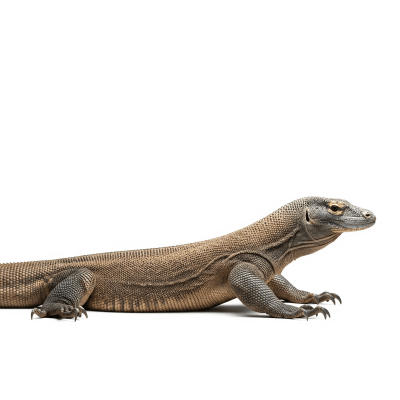
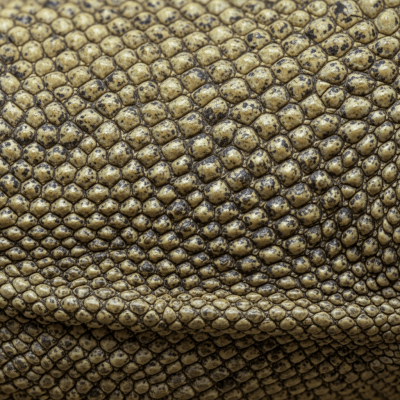
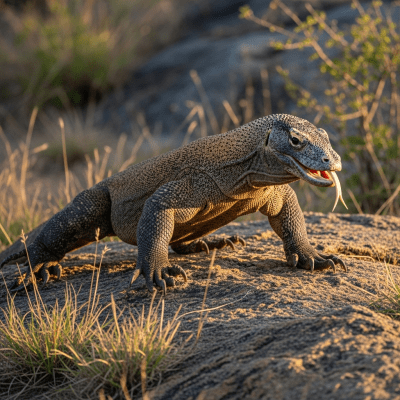
Komodo dragons possess a robust, muscular body covered in rough, armored scales reinforced with bony osteoderms. Adults can reach lengths up to 3.1 meters and weigh around 90 kilograms. Their coloration ranges from grayish-brown to reddish hues, often darker in juveniles. Notable features include a broad, flattened head, powerful jaws lined with sharp, serrated teeth, and a long, strong tail, all contributing to their imposing presence.
As apex predators, Komodo dragons employ stealth and ambush tactics to hunt a carnivorous diet. Their venomous bite delivers anticoagulant and hypotensive proteins that aid in subduing prey. These lizards exhibit a slow growth rate, reaching sexual maturity around 8 to 9 years of age, and demonstrate remarkable resistance to bacterial infections, likely due to evolved immune defenses.
Bring this kind into your world illustrated posters, mugs, and shirts.
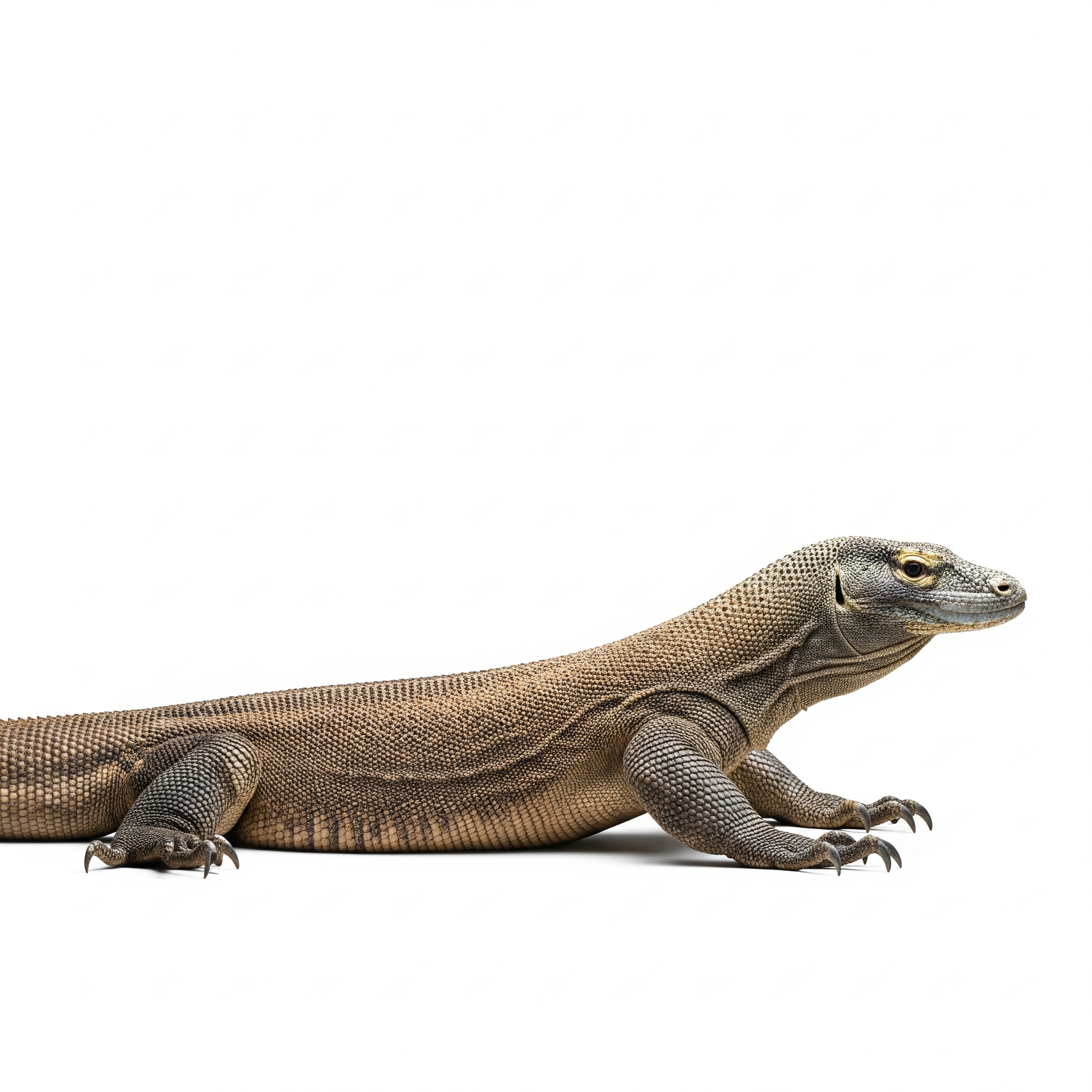
Archival print, museum-grade paper
Buy Poster
Stoneware mug, dishwasher safe
Buy Mug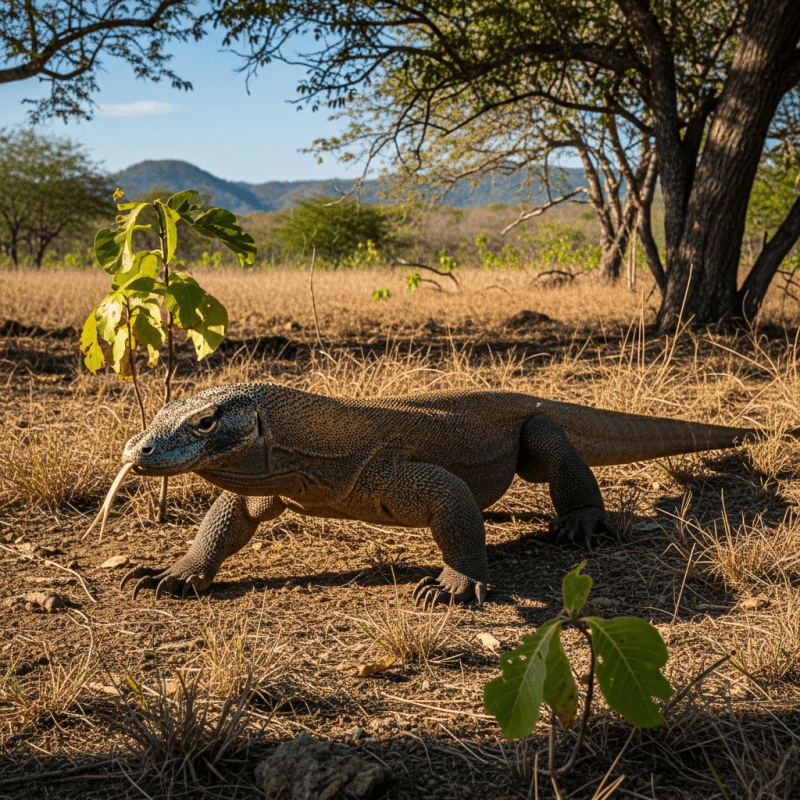
Soft cotton tee, unisex sizes
Buy ShirtThe Komodo dragon holds a prominent place in local Indonesian culture, where it is known as "Biawak Komodo" or "Ora." Historically, some communities attributed mystical or medicinal properties to its body parts, though such practices are now illegal. Today, the species serves as a flagship for conservation and ecotourism, drawing visitors worldwide to Komodo National Park and contributing to regional identity and economy.
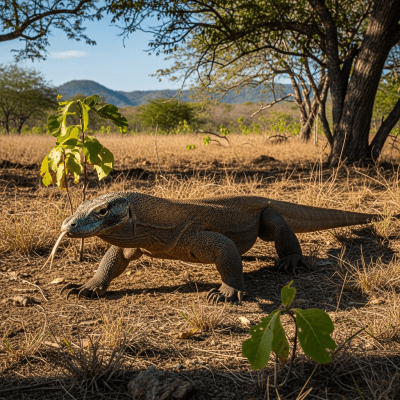
Komodo dragons inhabit tropical island ecosystems within the Lesser Sunda group of Indonesia. Their range includes Komodo, Rinca, Flores, Gili Motang, and Padar islands, where they occupy dry forests, savannahs, and open grasslands. These environments provide ample prey and suitable conditions for their ambush predation lifestyle.

Komodo dragons reach sexual maturity at approximately 8 to 9 years of age. While specific breeding behaviors are not extensively documented, females lay clutches of eggs that incubate in nests or burrows. Juveniles display darker coloration than adults and undergo slow growth, with a typical lifespan estimated around 30 years in the wild.
Although not currently listed with a specific IUCN status here, Komodo dragons face threats from habitat loss, human encroachment, and natural disasters. They are protected under Indonesian law and international agreements, with strict prohibitions on trade and exploitation. Conservation efforts focus on habitat preservation and ecotourism management within Komodo National Park.
Komodo dragons influence local economies through ecotourism, attracting visitors eager to observe this remarkable reptile in its natural habitat. Historically, local beliefs attributed medicinal or mystical qualities to the species, but such uses are now illegal. Human activity poses risks through habitat disturbance, though ongoing conservation programs aim to mitigate these impacts.