Indian Star Tortoise
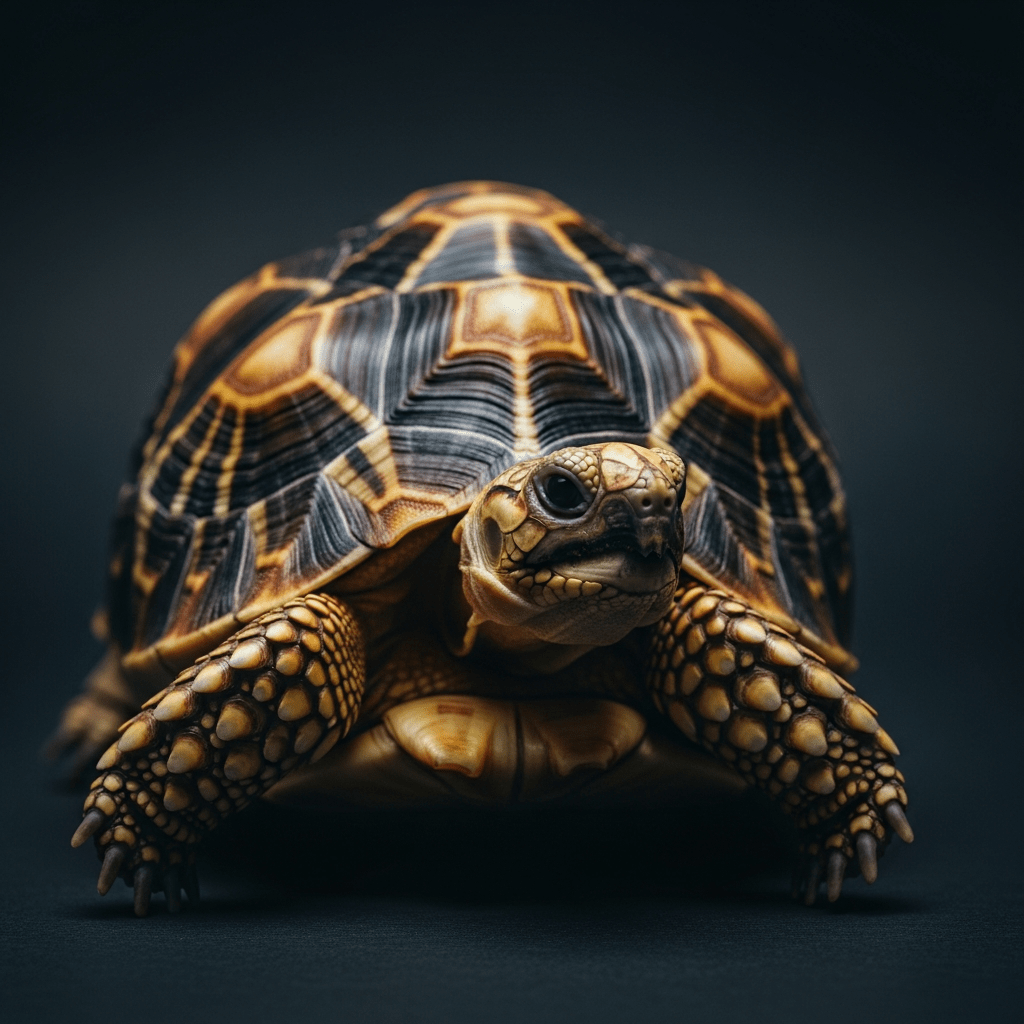
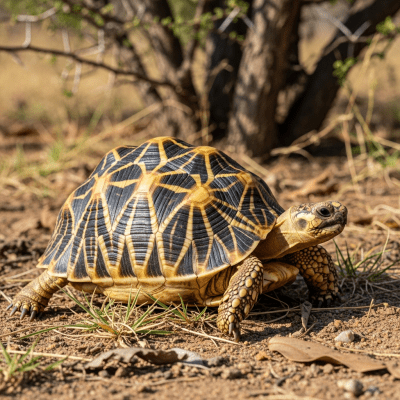
The Indian Star Tortoise (Geochelone elegans) is a distinctive terrestrial tortoise native to South Asia, celebrated for its striking star-patterned shell that provides natural camouflage in dry grasslands.
The Indian Star Tortoise (Geochelone elegans) is a distinctive terrestrial tortoise native to South Asia, celebrated for its striking star-patterned shell that provides natural camouflage in dry grasslands.
First described by John Edward Gray in 1831, the Indian Star Tortoise is a wild species indigenous to the Indian subcontinent. Its lineage is rooted in the arid and semi-arid regions of India, Pakistan, and Sri Lanka, with captive populations today primarily sourced from wild individuals or bred in controlled environments such as zoos and private collections.
Belonging to the class Reptilia and order Testudines, the Indian Star Tortoise is classified within the genus Geochelone. It fits within the broader group of terrestrial tortoises, which are characterized by their domed shells and herbivorous diets.
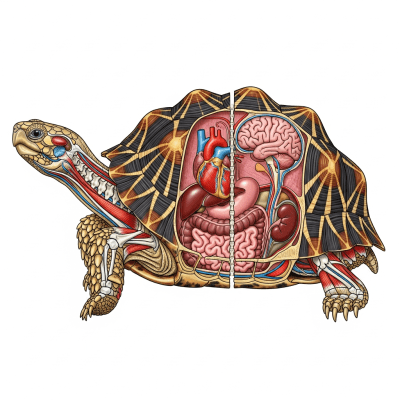
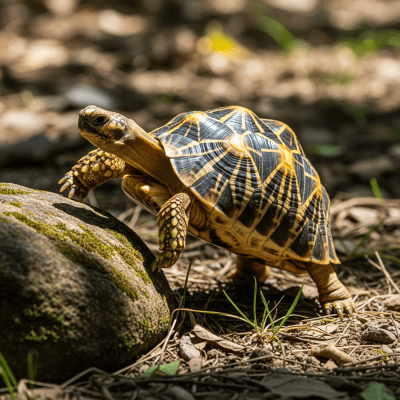
This medium-sized tortoise features a domed carapace measuring approximately 15 to 38 centimeters in length, adorned with yellow or cream-colored radiating star patterns set against a dark brown or black background. Its limbs are sturdy and covered with scales, while the head is small and blunt. Females tend to be larger than males, exhibiting subtle sexual dimorphism.
The Indian Star Tortoise is primarily terrestrial and herbivorous, feeding on grasses, fruits, and flowers. It grows slowly and is well adapted to withstand drought conditions typical of its native dry habitats. However, it is sensitive to cold and damp environments and prone to respiratory infections when exposed to high humidity or stress.
Bring this kind into your world illustrated posters, mugs, and shirts.
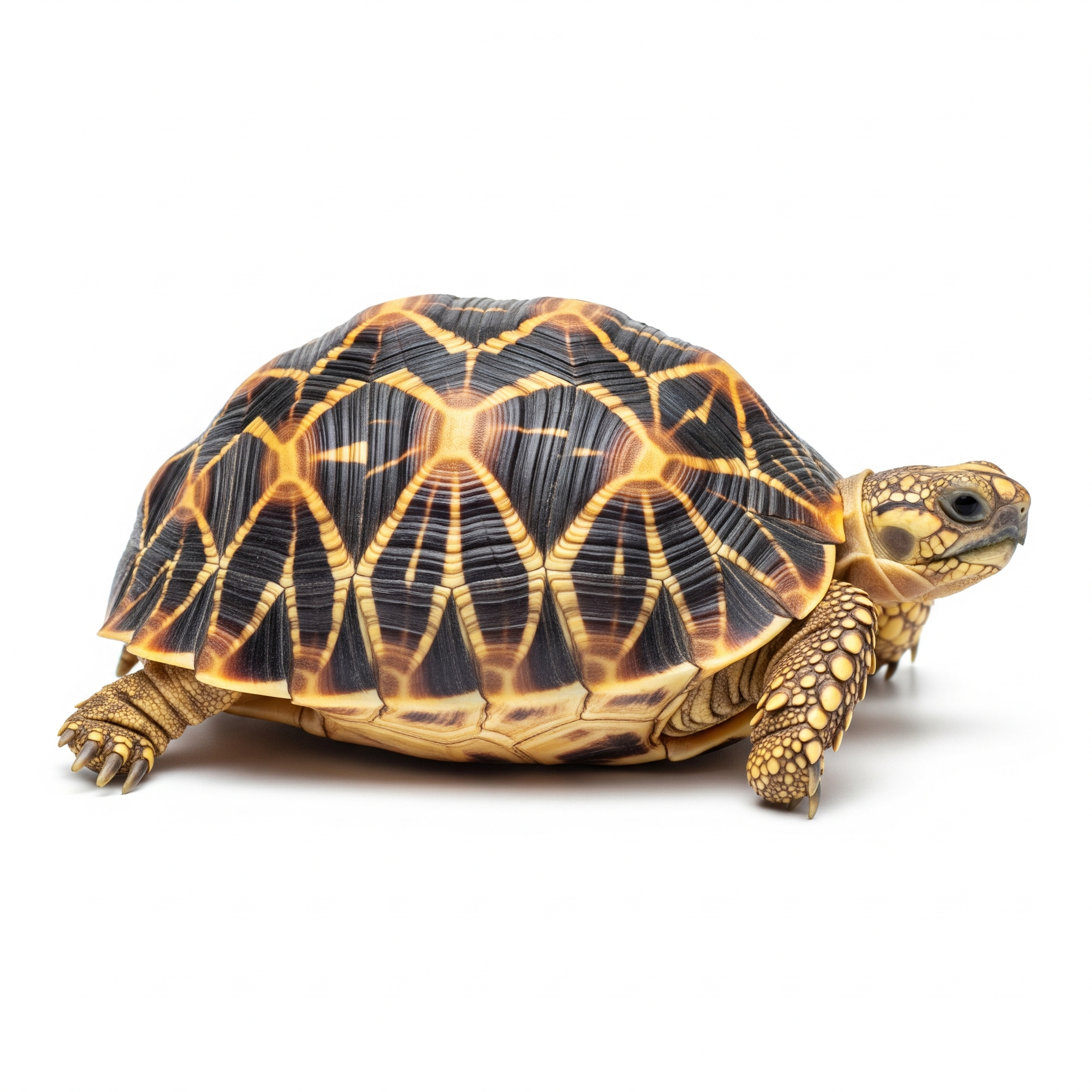
Archival print, museum-grade paper
Buy Poster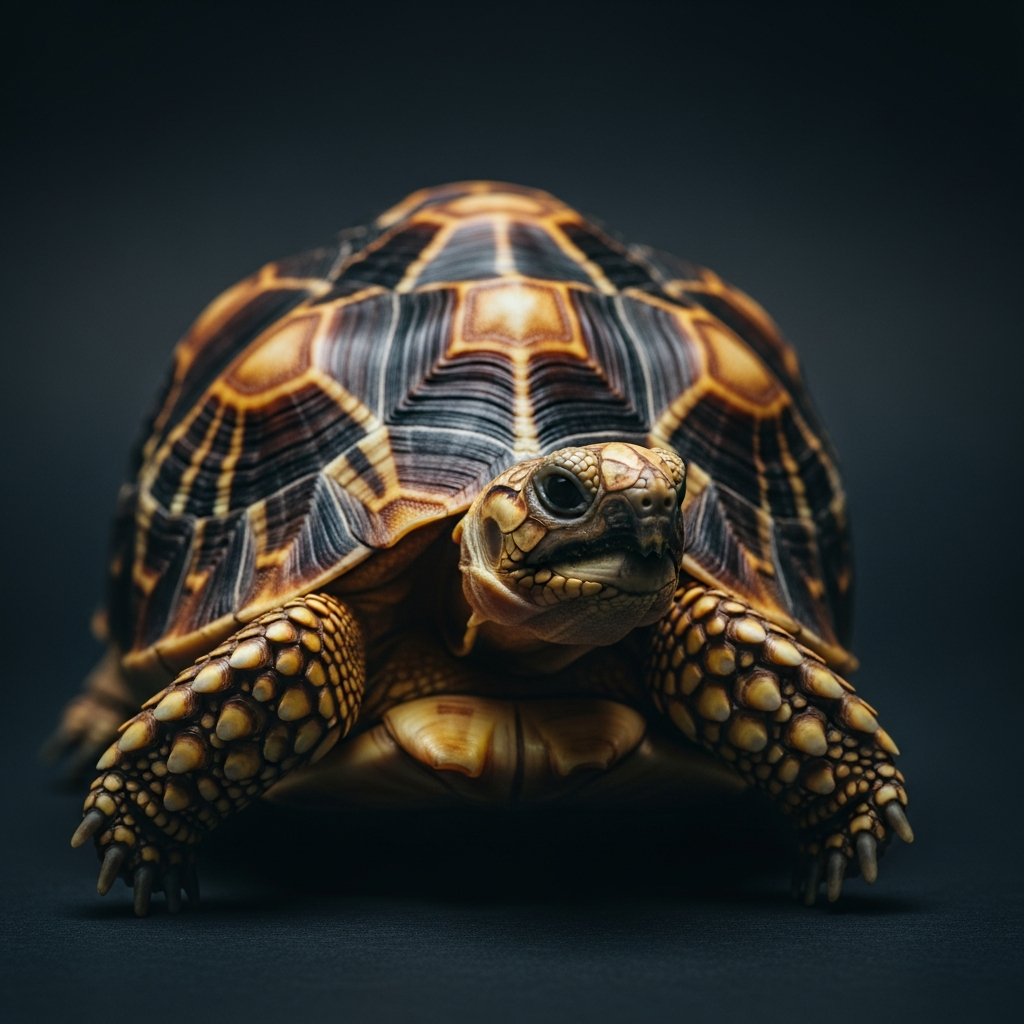
Stoneware mug, dishwasher safe
Buy Mug
Soft cotton tee, unisex sizes
Buy ShirtBeyond its ecological role, the Indian Star Tortoise holds cultural value in some regions where it is regarded as a status symbol and prized as an ornamental pet. Its unique shell pattern has inspired artistic representations and admiration, contributing to its popularity in the exotic pet trade.
The Indian Star Tortoise inhabits arid and semi-arid environments, particularly dry grasslands across India, Pakistan, and Sri Lanka. It thrives in these warm, open habitats where its star-patterned shell blends seamlessly with the surrounding vegetation and soil.

While detailed reproductive data is limited, the Indian Star Tortoise exhibits slow growth and reaches sexual maturity over several years. Breeding typically occurs in the wild, with captive populations maintained through regulated breeding programs. Lifespan information is not well documented but is consistent with other medium-sized tortoises, often spanning several decades.
The Indian Star Tortoise faces significant conservation challenges primarily due to habitat loss and illegal collection for the pet trade. Although international trade is heavily regulated, ongoing poaching threatens wild populations. Conservation efforts focus on habitat protection and enforcing trade restrictions to ensure the species’ survival.
This tortoise is widely sought after as an ornamental pet, prized for its unique and attractive shell pattern. Human activities, including habitat encroachment and illegal wildlife trade, have impacted its populations. Captive breeding programs and legal protections aim to balance human interest with species conservation.