Green Tree Python
The Green Tree Python (Morelia viridis) is a vibrant, arboreal snake known for its striking green coloration and prehensile tail, native to the rainforests of New Guinea, Indonesia, and northern Australia.
The Green Tree Python (Morelia viridis) is a vibrant, arboreal snake known for its striking green coloration and prehensile tail, native to the rainforests of New Guinea, Indonesia, and northern Australia.
First described by Hermann Schlegel in 1872, the Green Tree Python originates from the lush rainforests spanning New Guinea, including Papua New Guinea and Indonesian Papua, the Indonesian Aru Islands, and the Cape York Peninsula of northern Australia. Captive breeding has since flourished worldwide, with notable lineages developed in Europe, North America, and Australia, often selected for unique color morphs.
The Green Tree Python belongs to the class Reptilia, order Squamata, and family Pythonidae. Its genus is Morelia and species viridis, placing it among medium-sized pythons known for their arboreal habits and nonvenomous constriction hunting methods.
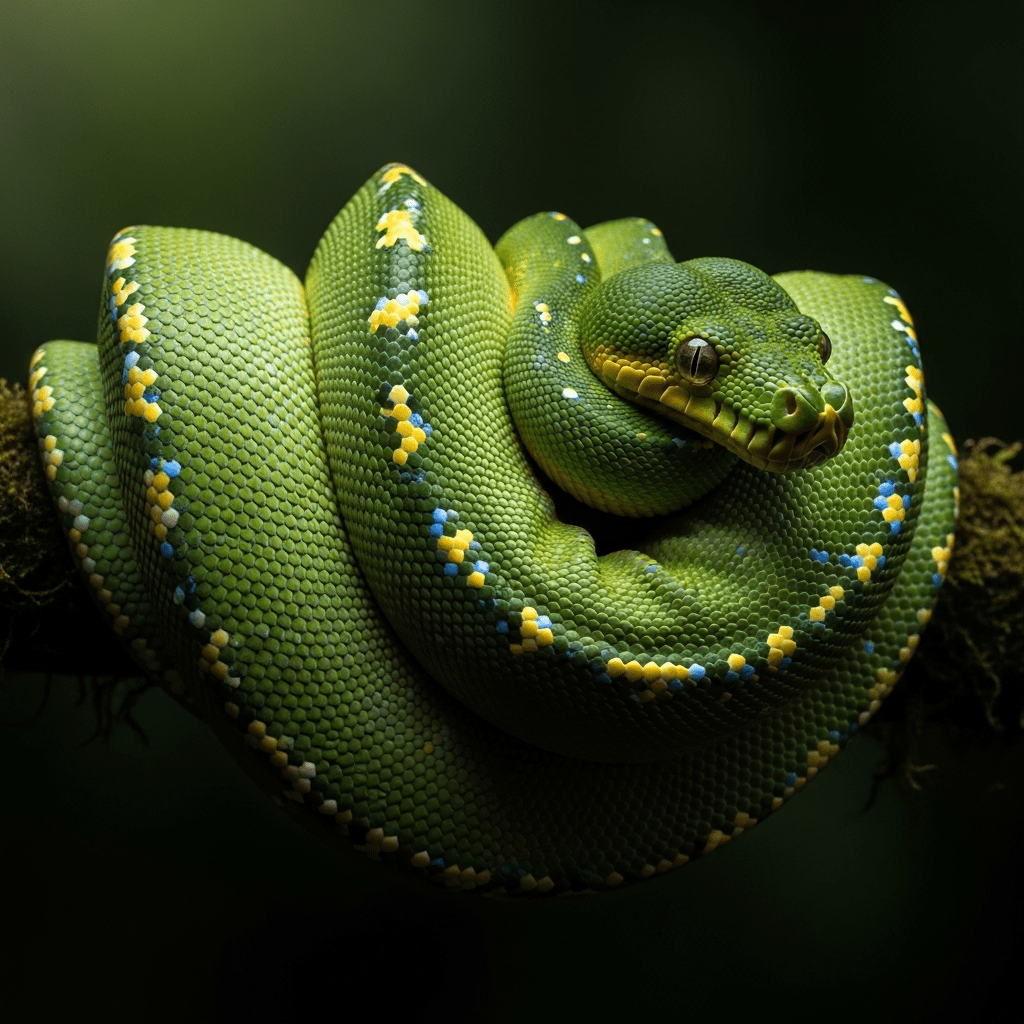
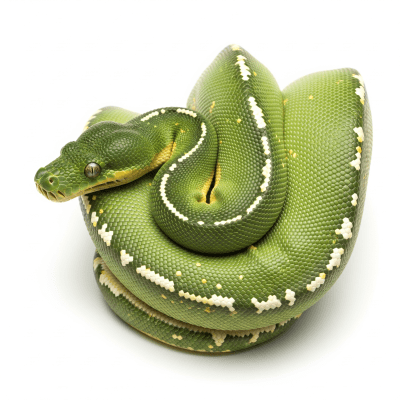
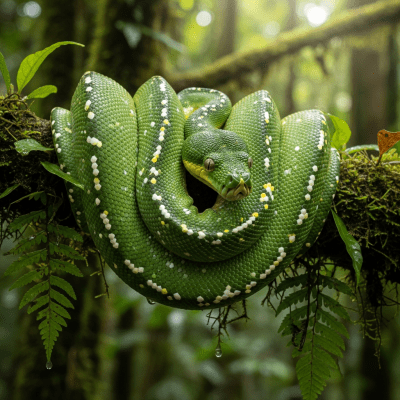
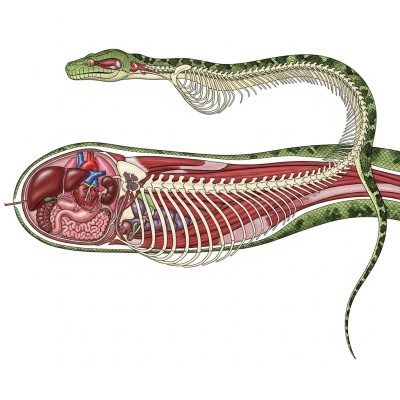
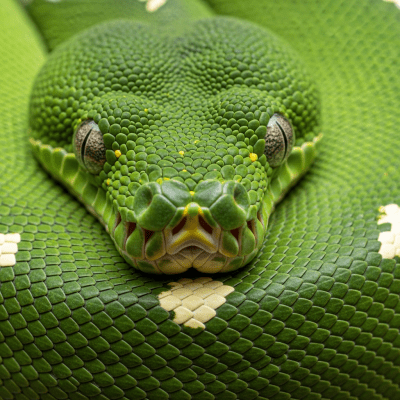
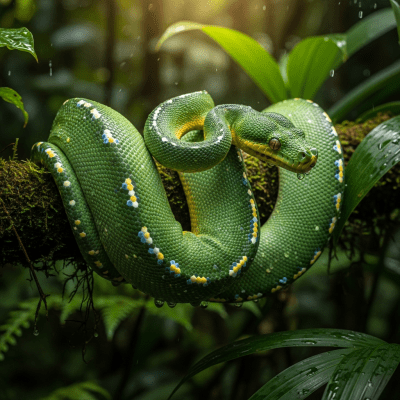
This python features a slender, laterally compressed body typically measuring around 120 cm in length, with females generally larger than males. Its vivid green dorsal scales may display blue, yellow, or white markings depending on locality or morph. Juveniles undergo a dramatic color transformation, starting bright yellow, red, or orange and shifting to green within their first year. The species has a large head equipped with heat-sensing pits and a prehensile tail that aids in gripping branches, often resting coiled elegantly on tree limbs.
Primarily arboreal, the Green Tree Python uses its prehensile tail to navigate and anchor itself within the rainforest canopy. It exhibits moderate growth, reaching sexual maturity between two and three years of age. Females display maternal care by incubating their clutches of 12 to 25 eggs. Adapted to humid environments, these snakes are sensitive to dehydration and stress, particularly in captivity where proper husbandry is essential.
Bring this kind into your world illustrated posters, mugs, and shirts.
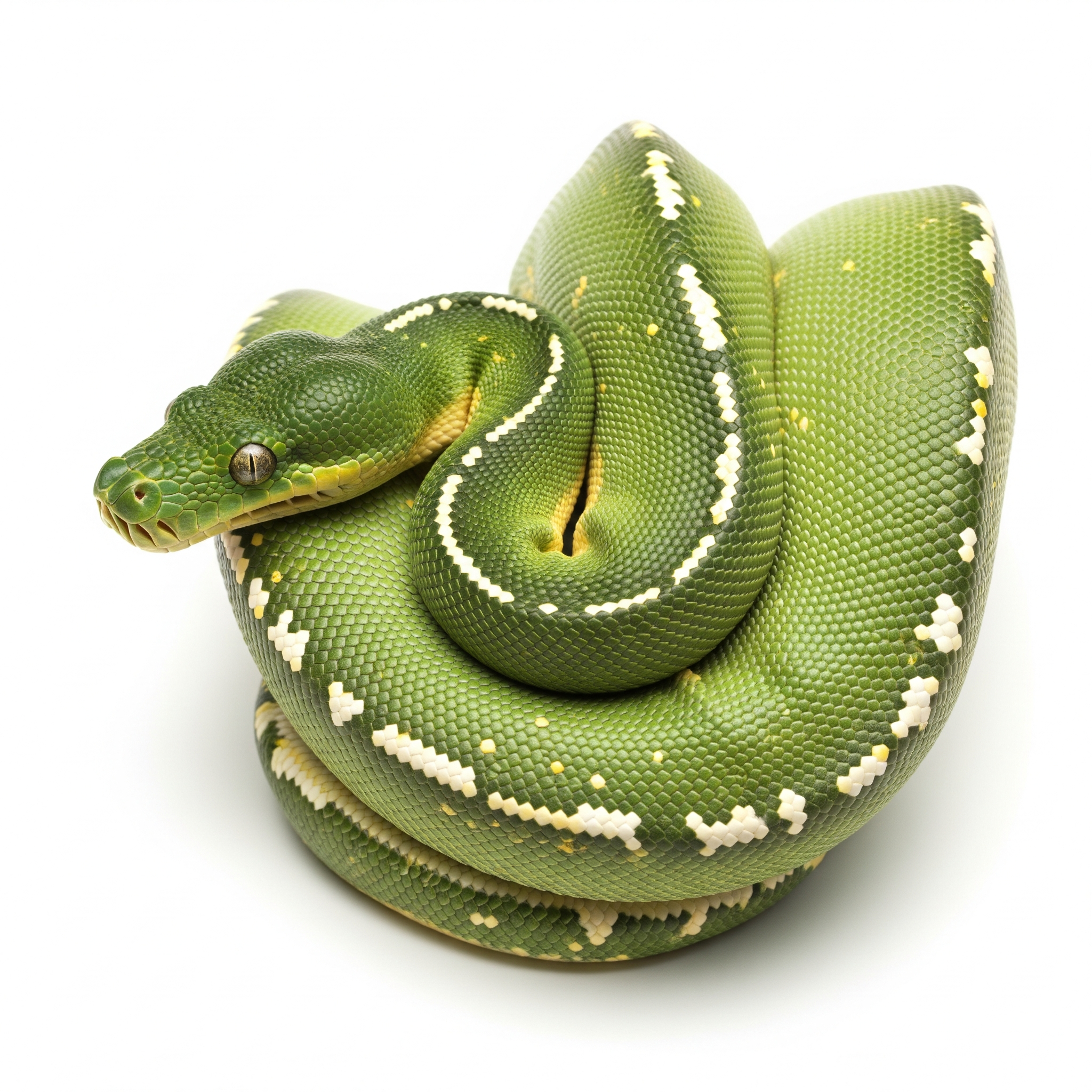
Archival print, museum-grade paper
Buy Poster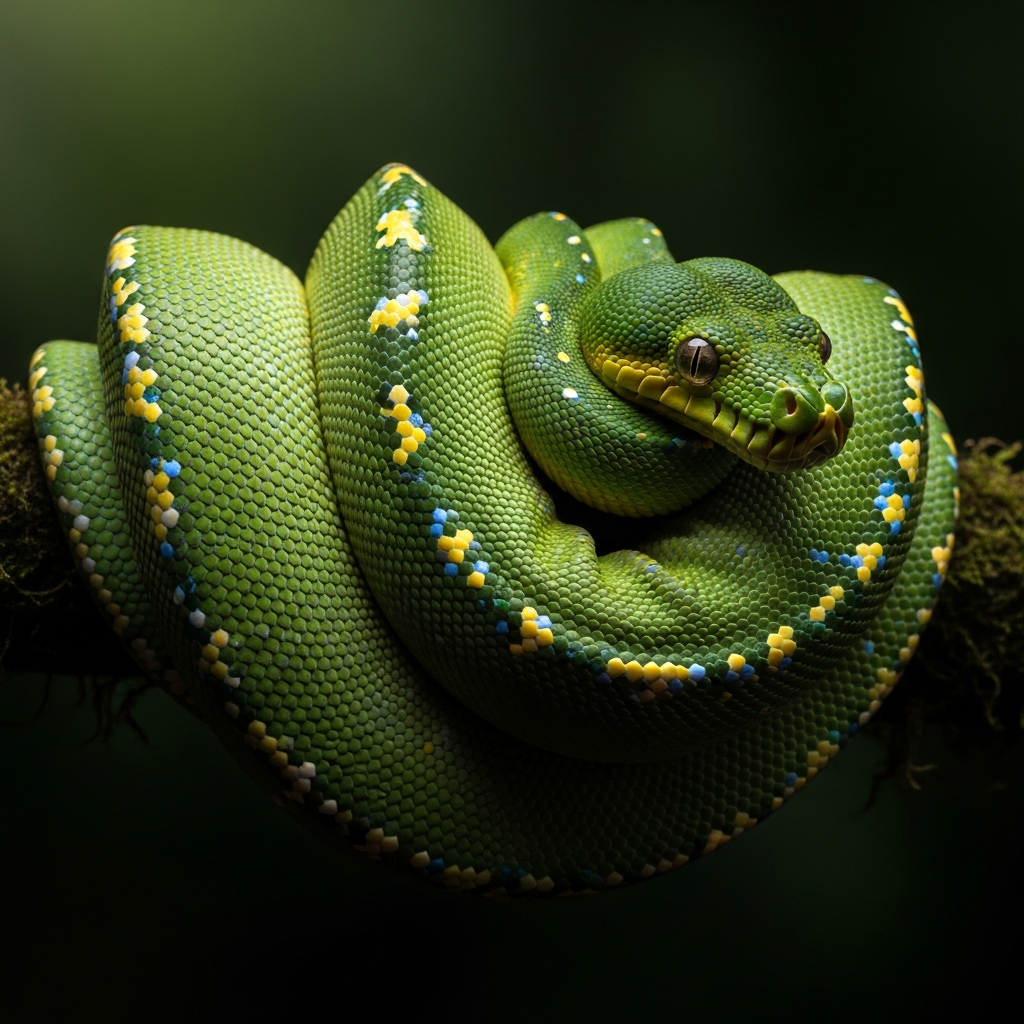
Stoneware mug, dishwasher safe
Buy Mug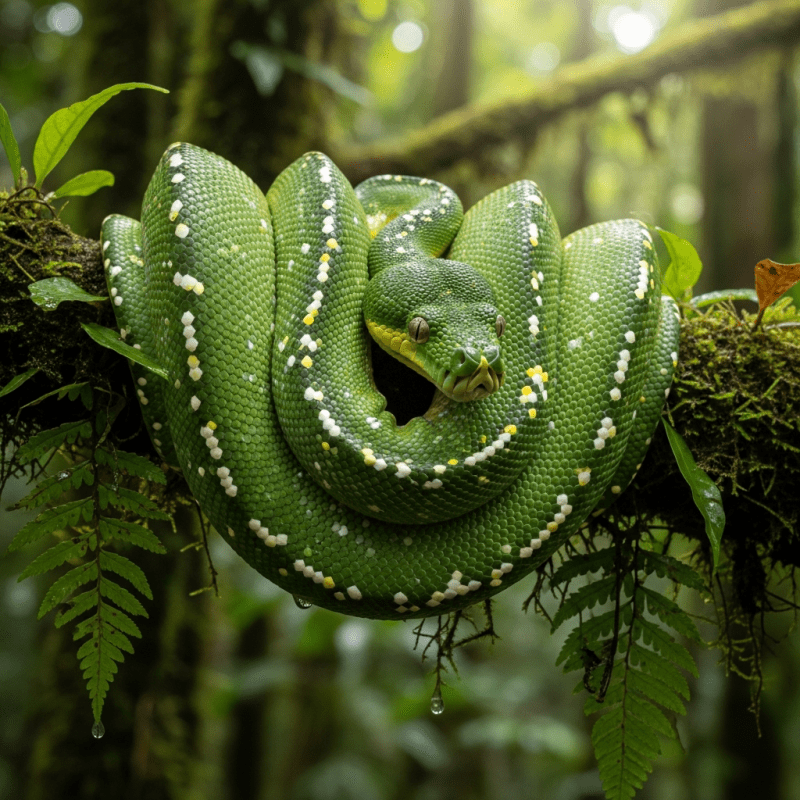
Soft cotton tee, unisex sizes
Buy ShirtWhile not widely prominent in global culture, the Green Tree Python holds significance in its native regions, occasionally appearing in local folklore and educational programs. Its striking appearance also makes it a popular subject in herpetoculture and ecotourism, where it is admired for its beauty and unique arboreal lifestyle.
Native to the rainforests of New Guinea, including both Papua New Guinea and Indonesian Papua, the Indonesian Aru Islands, and the Cape York Peninsula in northern Australia, the Green Tree Python thrives in humid, arboreal habitats. It is predominantly found resting and hunting among the dense foliage and branches of tropical forest canopies.
Green Tree Pythons reach sexual maturity between two and three years of age. Females lay clutches ranging from 12 to 25 eggs and exhibit maternal incubation, coiling around their eggs to regulate temperature and protect them until hatching. Juveniles emerge brightly colored and undergo a gradual color change to green within their first year. Growth is moderate, supporting a lifespan that can extend several years in captivity under proper care.
Currently, the Green Tree Python does not have a formal IUCN conservation status, and there are no specific listings under CITES. However, wild populations face threats from habitat loss due to deforestation and illegal collection for the pet trade. Captive breeding programs have helped reduce pressure on wild populations by providing sustainable sources for herpetoculture.
The Green Tree Python is highly valued in the exotic pet trade for its striking appearance and manageable size. Captive breeding is widespread, reducing reliance on wild-caught specimens. While not used for food, it occasionally features in ecotourism and educational initiatives. Proper husbandry is crucial, as the species is sensitive to stress and environmental changes, especially dehydration and respiratory issues in captivity.