
Green Sea Turtle
The Green Sea Turtle (Chelonia mydas) is a large, herbivorous marine reptile known for its smooth, heart-shaped shell and vital role in maintaining healthy seagrass ecosystems across tropical and subtropical oceans worldwide.
The Green Sea Turtle (Chelonia mydas) is a large, herbivorous marine reptile known for its smooth, heart-shaped shell and vital role in maintaining healthy seagrass ecosystems across tropical and subtropical oceans worldwide.
First described by Carl Linnaeus in 1758, the Green Sea Turtle is a naturally occurring species with a global marine distribution. While captive lineage records exist in some aquaria and conservation programs, most populations are wild and have no comprehensive pedigree documentation.
Belonging to the class Reptilia, the Green Sea Turtle is classified within the order Testudines and family Cheloniidae. Its genus is Chelonia, with the species epithet mydas, placing it among the well-known sea turtles distinguished by their aquatic adaptations and shelled bodies.
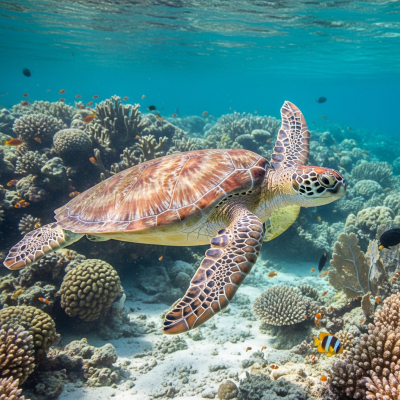
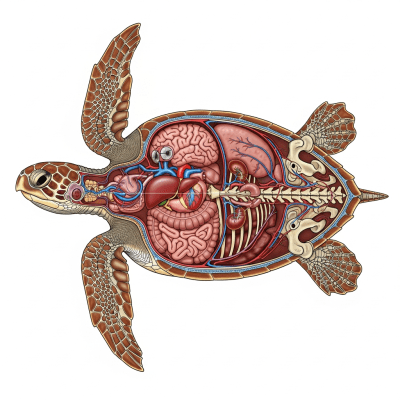
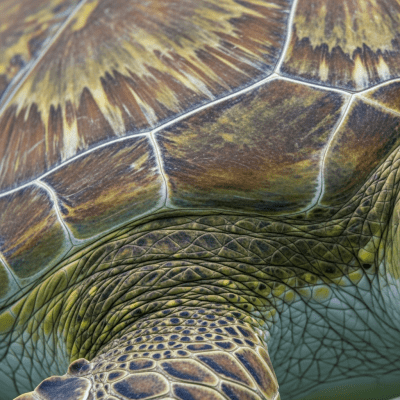
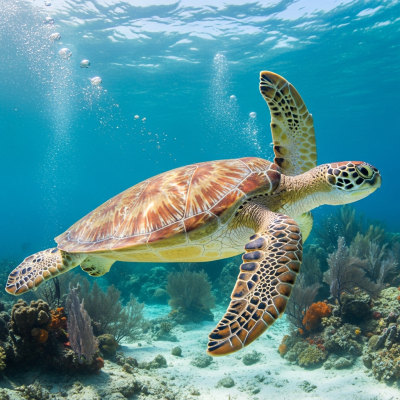
The Green Sea Turtle features a smooth, streamlined carapace that is olive to dark brown, often marked with subtle radiating patterns. Its heart-shaped shell contrasts with a lighter-colored plastron beneath. Adults typically measure around 80 centimeters in length and weigh about 68 kilograms. Adapted for life in the ocean, its paddle-like limbs enable efficient swimming, while juveniles display different coloration and a more carnivorous diet.
Primarily herbivorous as adults, Green Sea Turtles feed on seagrasses and algae, contributing to the health of coastal marine habitats. They are migratory, traveling thousands of kilometers between feeding areas and nesting beaches. Juveniles tend to be more carnivorous. Their growth rates vary depending on region and food availability, with sexual maturity reached between 20 and 50 years. They are vulnerable to diseases like fibropapillomatosis and sensitive to environmental changes.
Bring this kind into your world illustrated posters, mugs, and shirts.
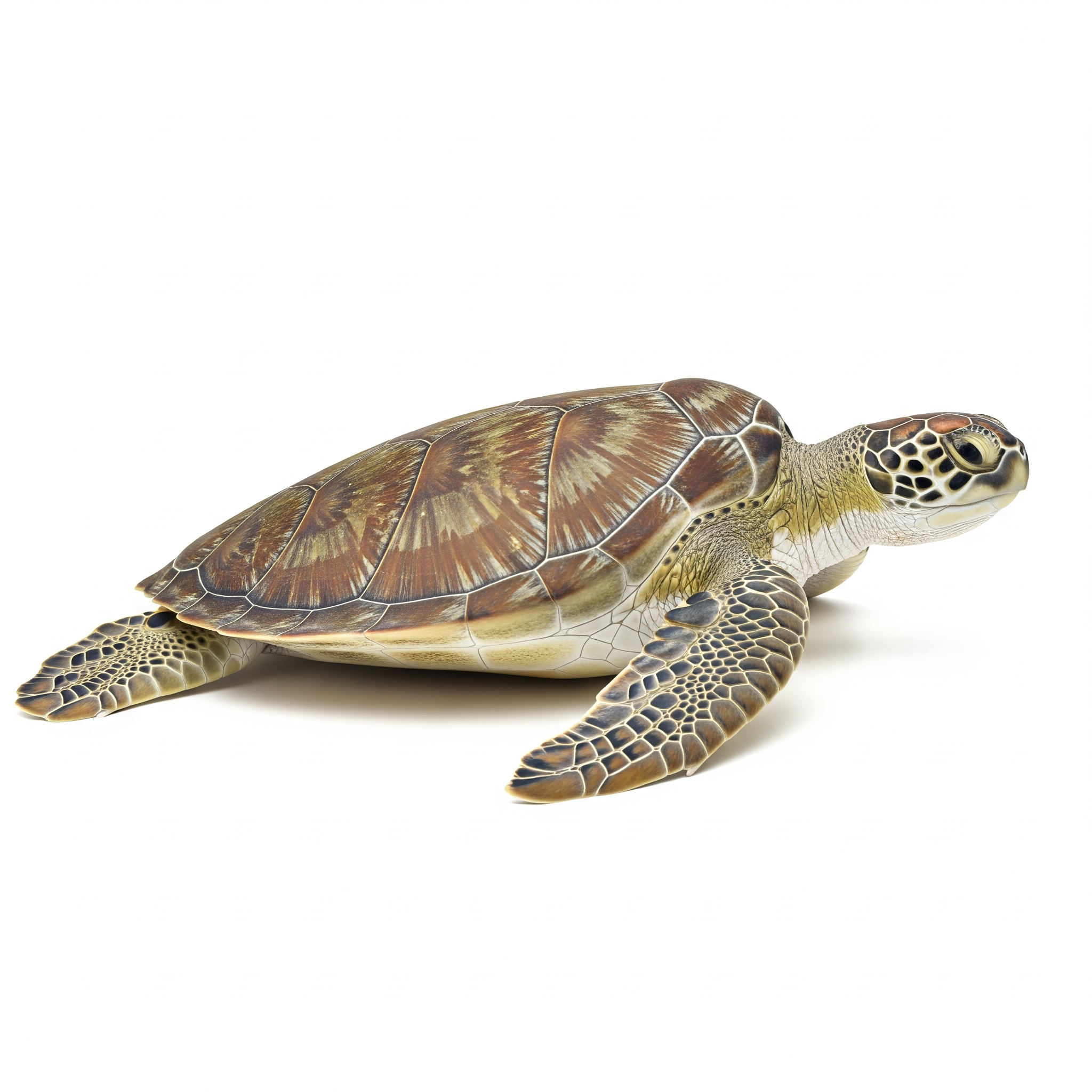
Archival print, museum-grade paper
Buy Poster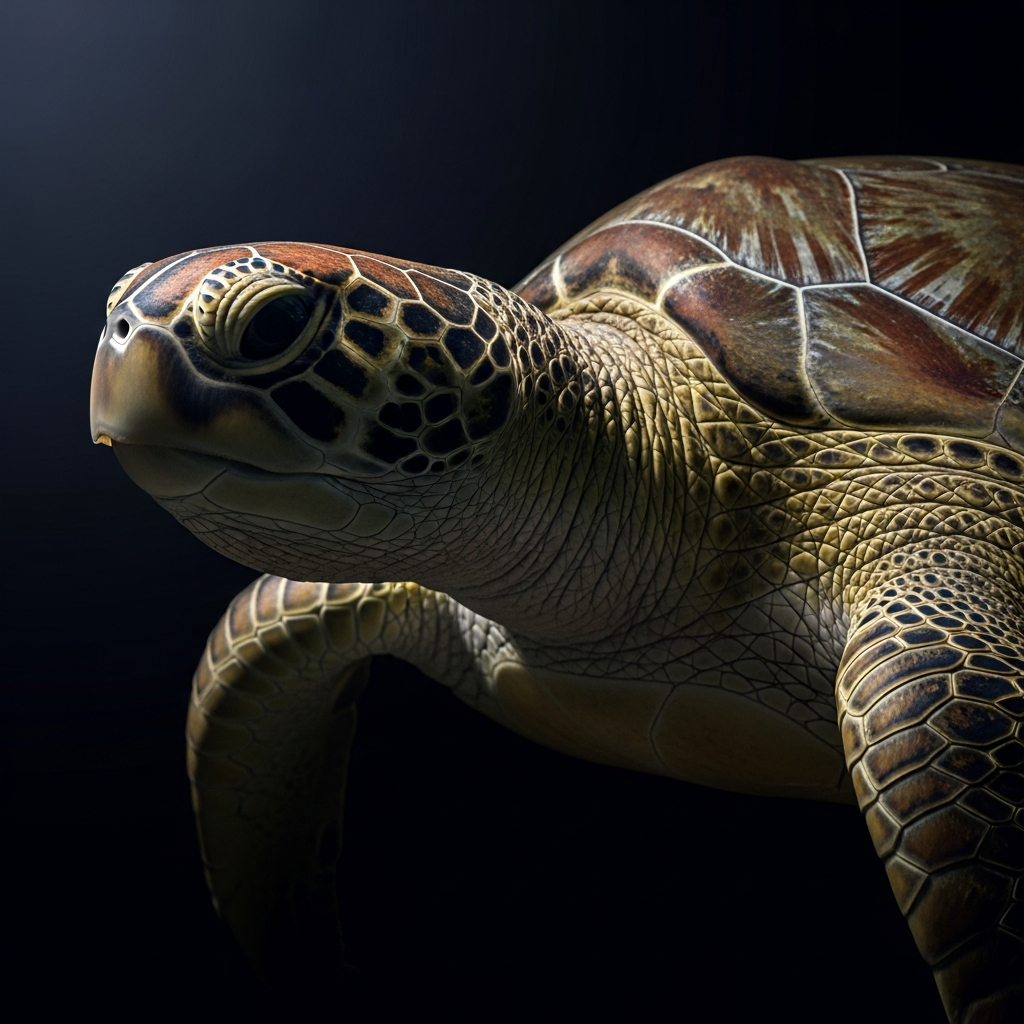
Stoneware mug, dishwasher safe
Buy Mug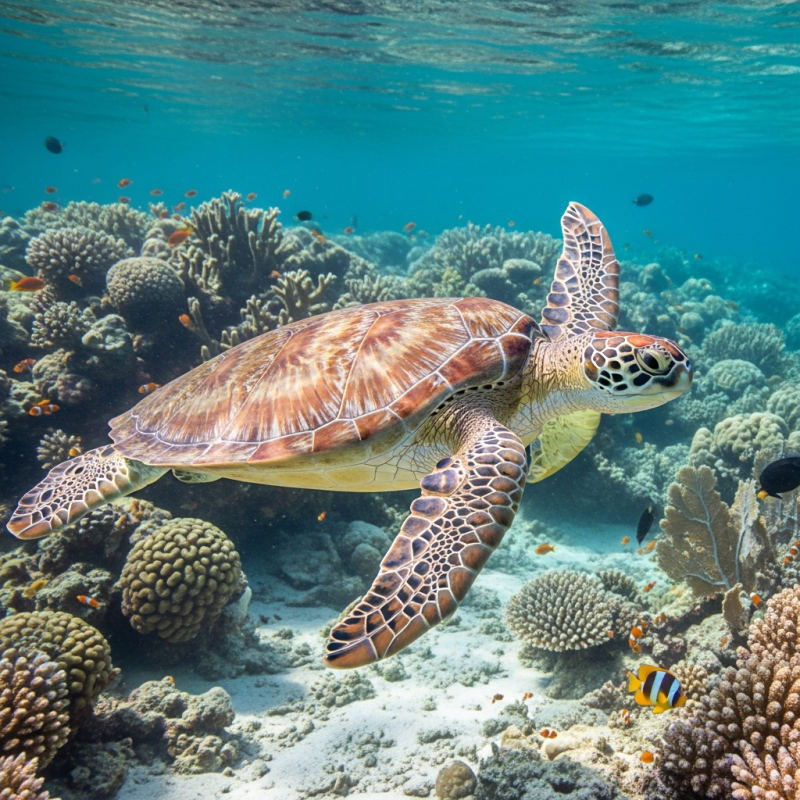
Soft cotton tee, unisex sizes
Buy ShirtThroughout history, Green Sea Turtles have held cultural importance, featuring in folklore, art, and cuisine. Their meat, eggs, and shells were traditionally valued in various societies, and turtle fat was used in delicacies such as turtle soup. Today, they inspire ecotourism, especially around nesting sites, symbolizing marine conservation efforts and the delicate balance of ocean ecosystems.
Green Sea Turtles inhabit marine coastal environments across tropical and subtropical oceans worldwide. They frequent seagrass beds and coral reefs, which provide essential feeding grounds. Their range spans global marine waters, where they migrate extensively between feeding areas and nesting beaches.
Green Sea Turtles reach sexual maturity slowly, typically between 20 and 50 years of age. Females return to sandy beaches to lay clutches of eggs, often traveling long distances to their natal sites. Hatchlings emerge after incubation and make their way to the sea, beginning a juvenile phase that is more carnivorous before transitioning to an herbivorous adult diet. Their lifespan can extend for several decades in the wild.
Classified as Vulnerable by the IUCN and listed under Appendix I of CITES, Green Sea Turtles face significant threats from habitat degradation, climate change, and disease such as fibropapillomatosis. Conservation efforts focus on protecting nesting beaches, regulating trade, and mitigating human impacts to ensure their survival.
Humans have historically harvested Green Sea Turtles for their meat, eggs, and shells, but international protections now restrict such exploitation. Ecotourism around nesting sites provides economic incentives for conservation. Despite these efforts, human activities like coastal development, pollution, and fishing continue to impact their populations.