Gila Monster
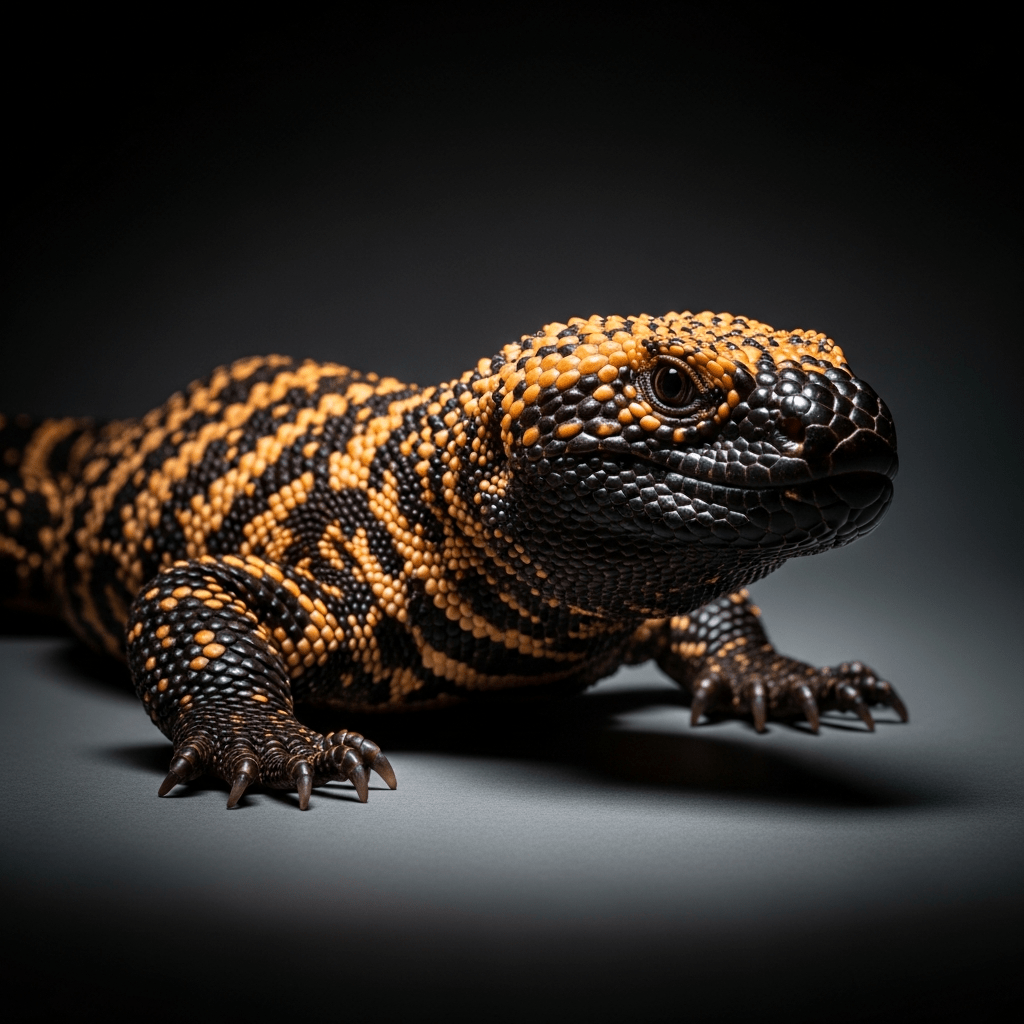
The Gila Monster (Heloderma suspectum) is a stout-bodied, venomous lizard native to the arid deserts of the southwestern United States and northwestern Mexico, renowned as the only venomous lizard indigenous to the United States.
The Gila Monster (Heloderma suspectum) is a stout-bodied, venomous lizard native to the arid deserts of the southwestern United States and northwestern Mexico, renowned as the only venomous lizard indigenous to the United States.
First scientifically described by Edward Drinker Cope in 1869, the Gila Monster has long inhabited the harsh desert landscapes of North America. Its discovery marked an important addition to herpetology, revealing a unique venomous reptile adapted to extreme environments. Most captive specimens today come from regulated wild collection or breeding programs, with no distinct captive lineages documented.
The Gila Monster belongs to the class Reptilia, order Squamata, and family Helodermatidae. Within the genus Heloderma, it is classified as the species suspectum. It shares its family with other bead-like lizards but stands out as the only venomous species native to the United States.
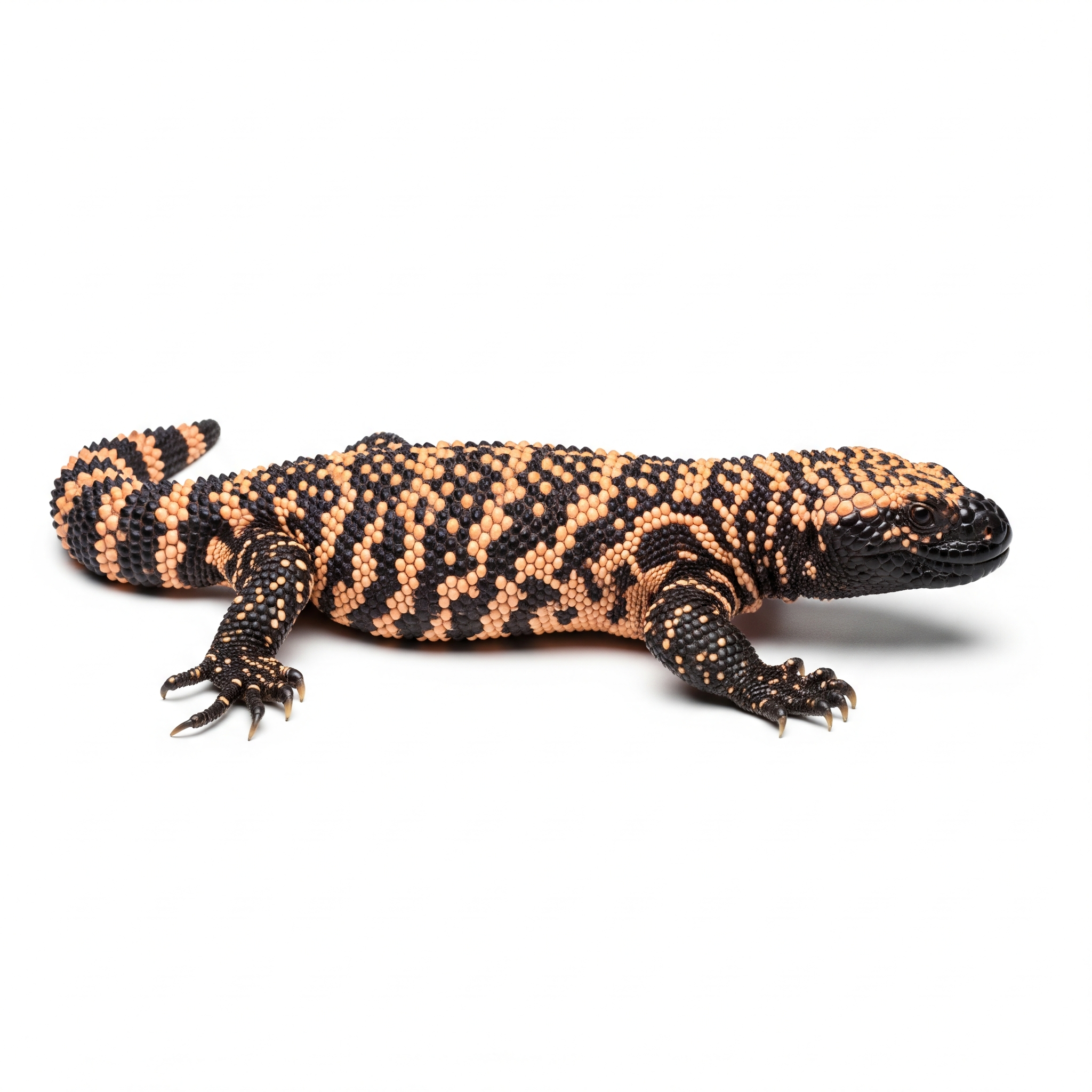
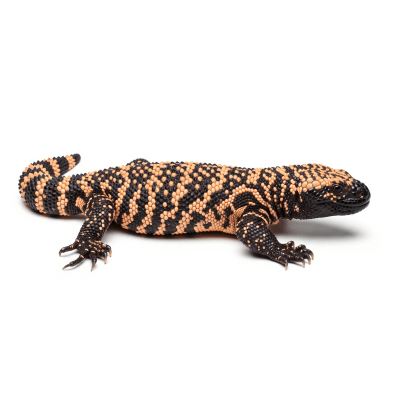
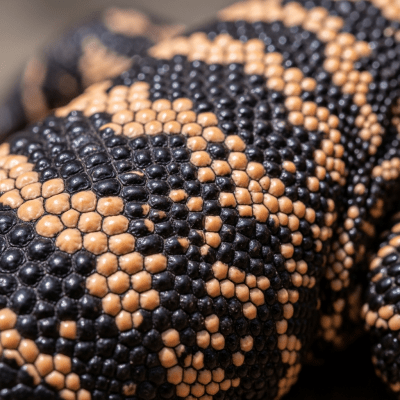
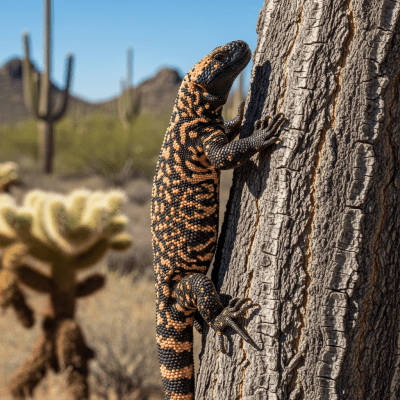
This lizard is characterized by a robust, stout body covered in bead-like scales called osteoderms, which give its skin a distinctive textured appearance. Typically measuring around 30 cm in length and weighing up to 2 kg, the Gila Monster displays striking coloration of black interspersed with vivid pink, orange, or yellow patterns. Its short limbs and thick tail, used for fat storage, further define its unique form.
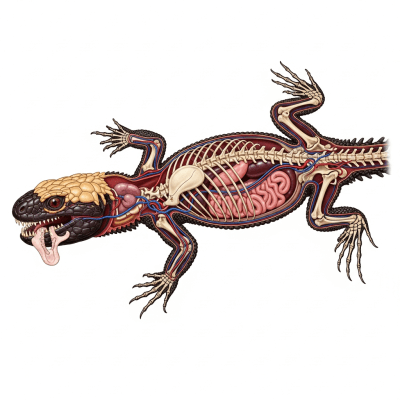
The Gila Monster is primarily diurnal but spends much of its time underground, emerging mainly during spring and early summer. It has a slow metabolism, allowing it to survive long periods without food. Equipped with venom glands in its lower jaw, it delivers venom through grooved teeth, mainly for defense and subduing prey. While venomous, its bite is rarely fatal to humans.
Bring this kind into your world illustrated posters, mugs, and shirts.
Archival print, museum-grade paper
Buy Poster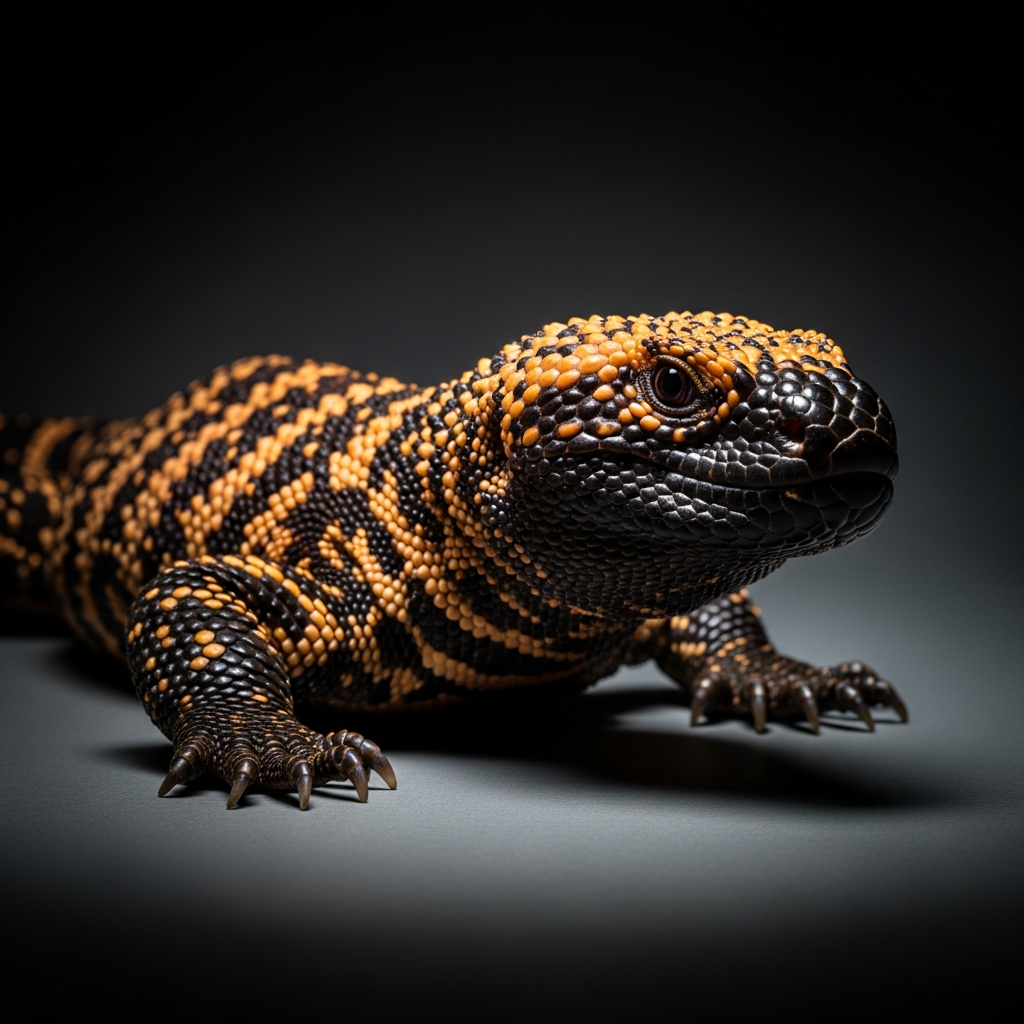
Stoneware mug, dishwasher safe
Buy Mug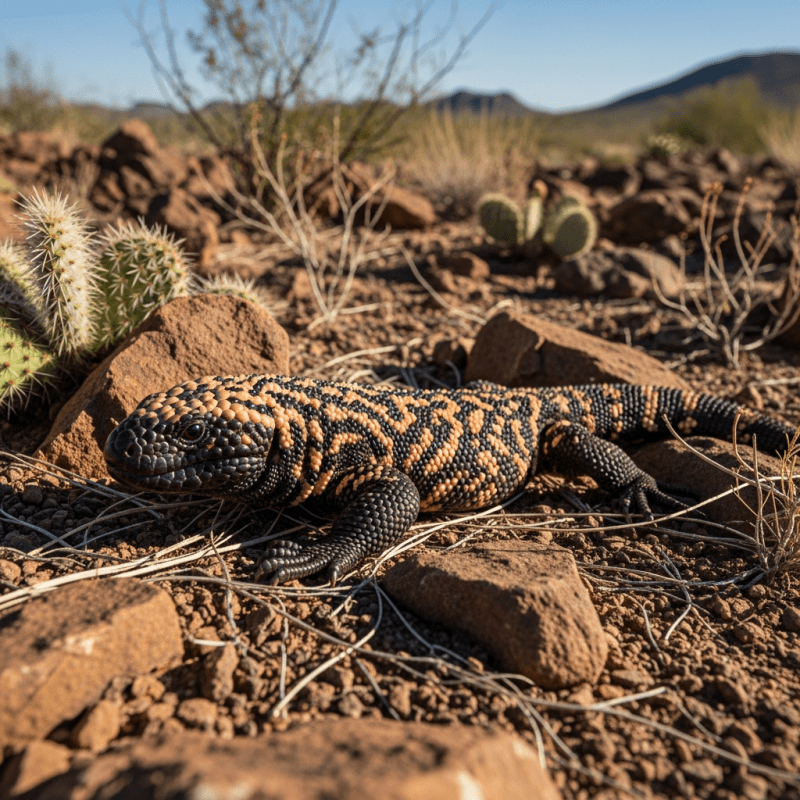
Soft cotton tee, unisex sizes
Buy ShirtThe Gila Monster holds a unique place in southwestern folklore and natural history as a symbol of the desert’s resilience and mystery. Its striking appearance and venomous nature have inspired curiosity and caution alike. In modern times, its venom has gained cultural importance through pharmaceutical research, notably contributing to diabetes treatment development.
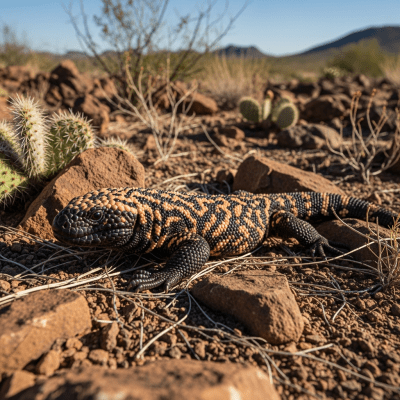
The Gila Monster thrives in arid desert environments across the southwestern United States and northwestern Mexico. It favors rocky, scrubby terrain where it can burrow and find shelter underground, emerging mainly during warmer months to forage and mate.
The species is oviparous, laying clutches of 3 to 13 eggs that incubate for up to 10 months. Details on sexual maturity age and specific breeding behaviors remain less documented, but the Gila Monster’s slow metabolism and underground lifestyle influence its reproductive cycle and development.
While the Gila Monster is not currently listed with a formal IUCN status, it faces threats from habitat loss and illegal collection. Its trade is regulated by legal frameworks to protect wild populations. Conservation efforts focus on habitat preservation and controlling unauthorized capture.
Humans impact Gila Monsters primarily through habitat disruption and illegal collection for the exotic pet trade. Conversely, the species benefits medical science through venom research, contributing to pharmaceutical advances. Captive individuals are mainly found in research and educational settings under strict regulation.