Garter Snake
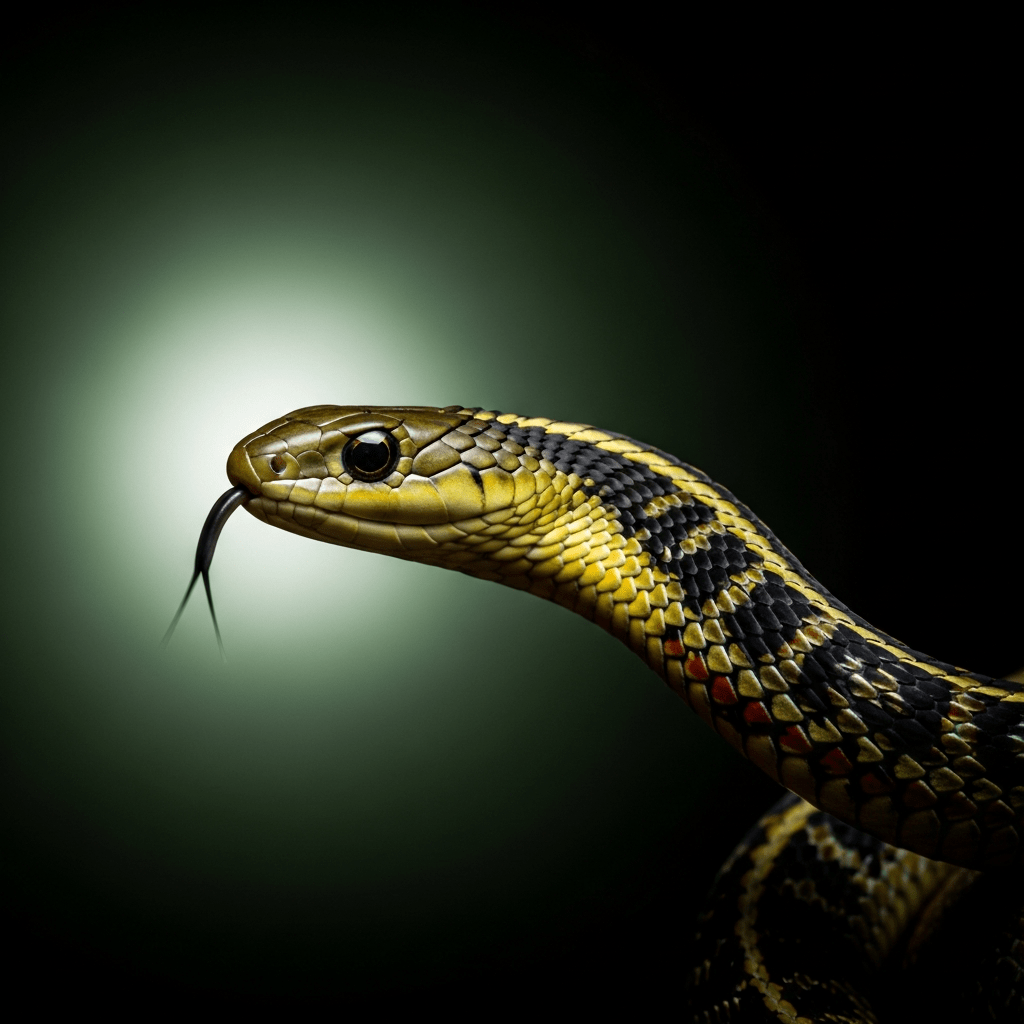
The garter snake (Thamnophis sirtalis) is a widespread, non-venomous snake native to North America, easily recognized by its slender body and distinctive longitudinal stripes.
The garter snake (Thamnophis sirtalis) is a widespread, non-venomous snake native to North America, easily recognized by its slender body and distinctive longitudinal stripes.
First described by Carl Linnaeus in 1758, the garter snake is a wild species with a broad natural lineage across North America. Its numerous subspecies reflect a rich genetic diversity shaped by varied habitats and regional adaptations.
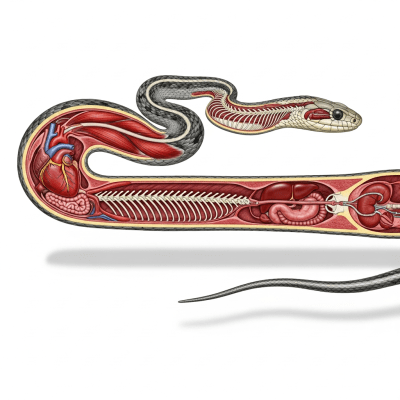
The garter snake belongs to the class Reptilia, order Squamata, and family Colubridae. Its genus is Thamnophis, with the species name sirtalis. This places it among the colubrid snakes, a large and diverse group of mostly non-venomous snakes.
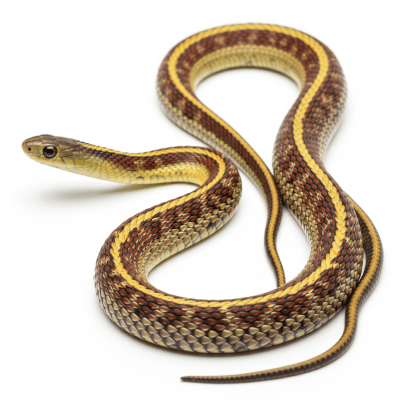
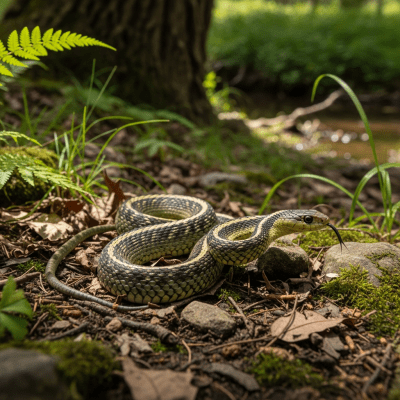
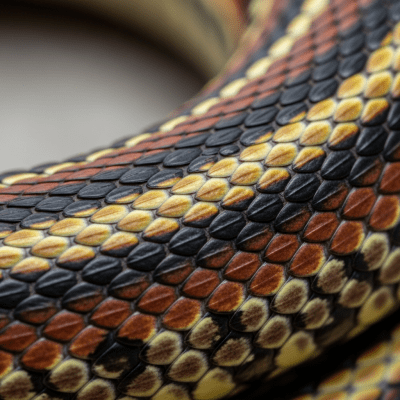
Garter snakes typically measure between 46 and 137 centimeters in length, featuring a slender body with keeled scales and a head slightly wider than the neck. Their coloration usually includes one to three longitudinal stripes in shades of yellow, white, blue, or green set against brown, olive, or black backgrounds. Some populations display checkered or spotted patterns, while the ventral surface is generally lighter.
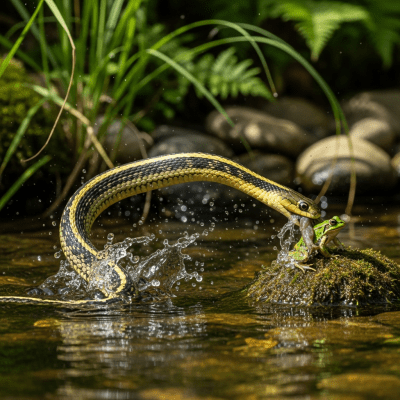
These snakes are carnivorous, feeding on a variety of prey including amphibians like newts, which they can consume despite the toxins these amphibians produce. Garter snakes play an important ecological role as both predator and prey, and they exhibit remarkable adaptability to diverse environments ranging from wild to urban areas.
Bring this kind into your world illustrated posters, mugs, and shirts.

Archival print, museum-grade paper
Buy Poster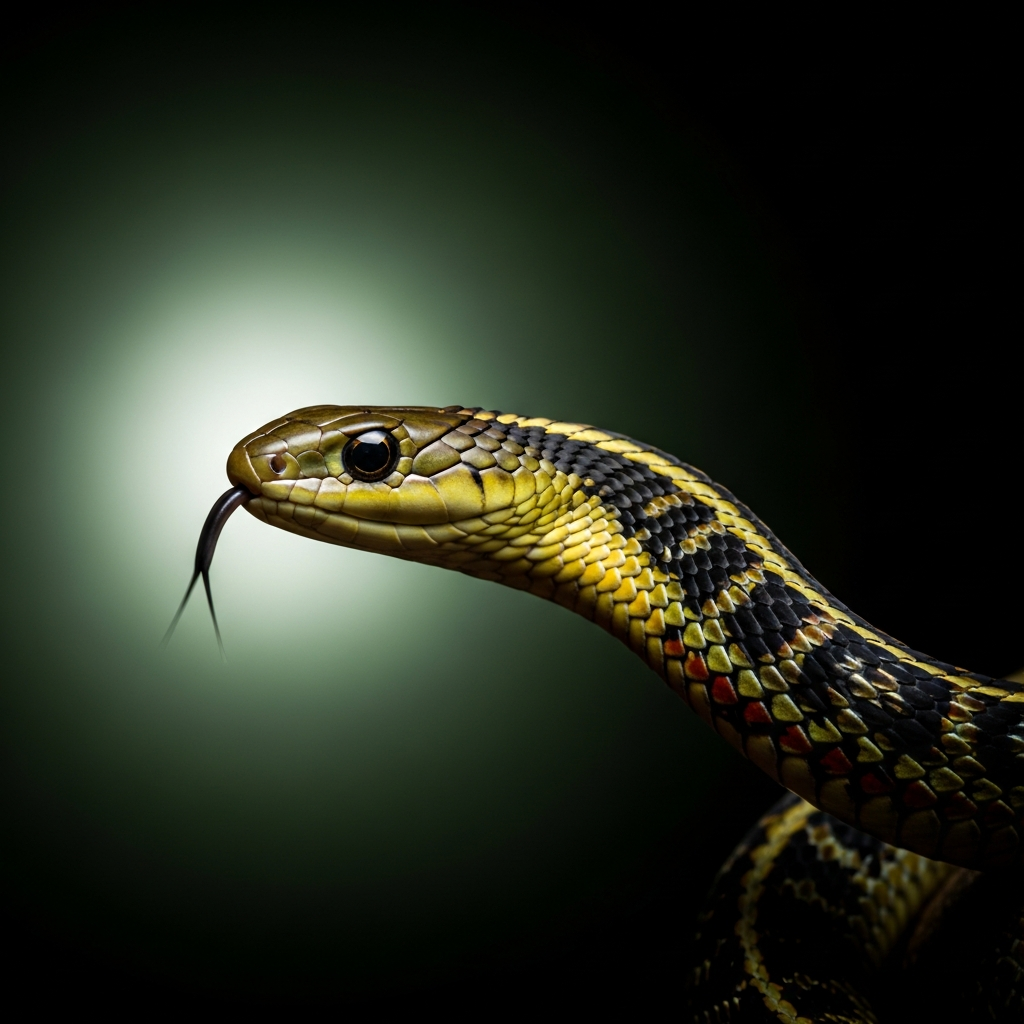
Stoneware mug, dishwasher safe
Buy Mug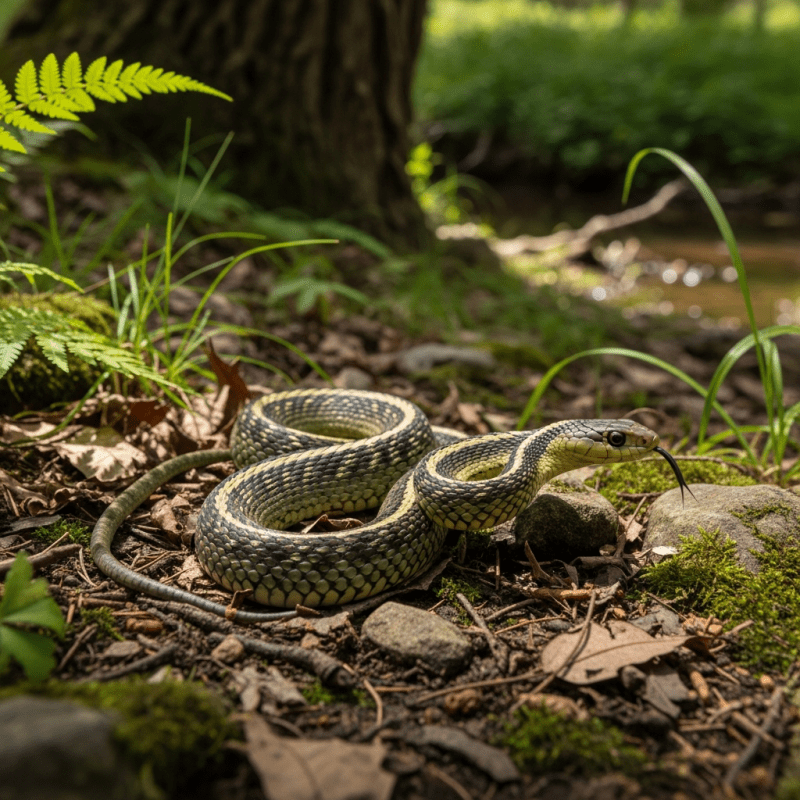
Soft cotton tee, unisex sizes
Buy ShirtWhile not prominent in widespread cultural myths, garter snakes often appear in regional folklore and are valued in many communities for their role in natural pest control. Their approachable size and docile nature have also made them familiar figures in educational settings and among reptile enthusiasts.
Garter snakes are native to North America and occupy a wide range of habitats. They thrive in diverse environments including wetlands, forests, grasslands, and even urban and suburban areas. Their adaptability to varied moisture and temperature conditions allows them to persist across this broad geographic range.
Garter snakes reproduce through ovoviviparity, meaning females give birth to live young rather than laying eggs. Litters typically range from 10 to 40 offspring. Details on sexual maturity and lifespan vary among subspecies, but their reproductive strategy supports survival across fluctuating environmental conditions.
Currently, garter snakes are not listed with a significant conservation status and remain widespread and abundant. However, habitat loss and pollution can impact local populations. Their resilience and adaptability have so far helped them withstand many environmental pressures.
Garter snakes often live near human settlements and can benefit gardens and farms by controlling pests such as insects and small rodents. They are sometimes kept as pets due to their manageable size and gentle temperament. While generally tolerated or welcomed, they may be threatened by habitat destruction and intentional killing due to fear or misunderstanding.