Florida Softshell Turtle
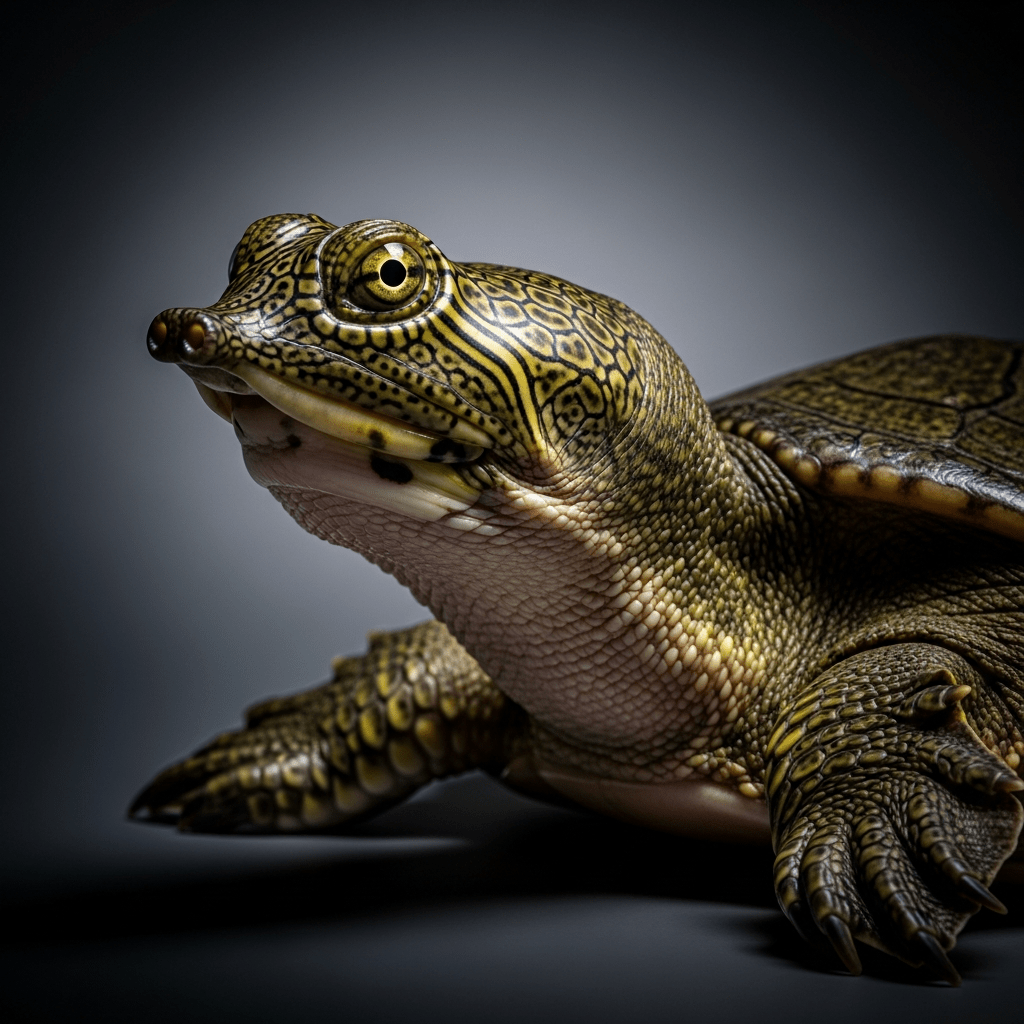
The Florida Softshell Turtle (Apalone ferox) is a large aquatic turtle native to the southeastern United States, recognized for its flexible, leathery shell and distinctive snorkel-like snout.
The Florida Softshell Turtle (Apalone ferox) is a large aquatic turtle native to the southeastern United States, recognized for its flexible, leathery shell and distinctive snorkel-like snout.
First described by Charles Alexandre Lesueur in 1827, the Florida Softshell Turtle is a naturally occurring species with its holotype specimen collected in Florida. It has no history of captive breeding or artificial lineage, firmly rooted in wild freshwater ecosystems.
Belonging to the class Reptilia and order Testudines, the Florida Softshell Turtle is part of the family Trionychidae, genus Apalone, and species ferox. It is closely related to other softshell turtles native to North America.
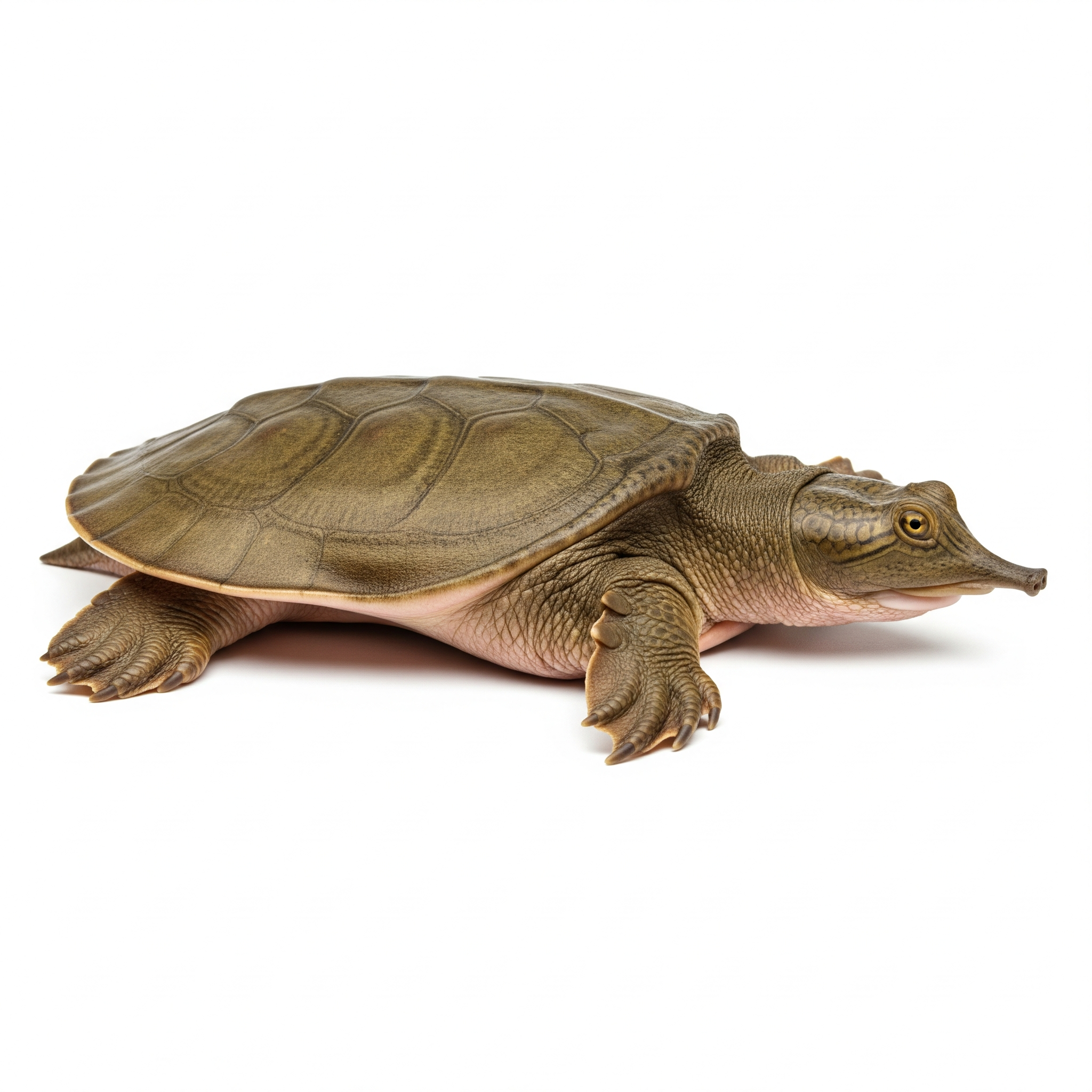
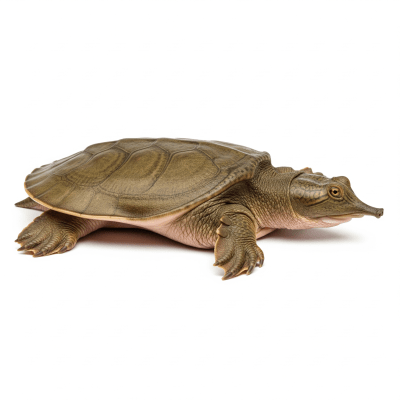
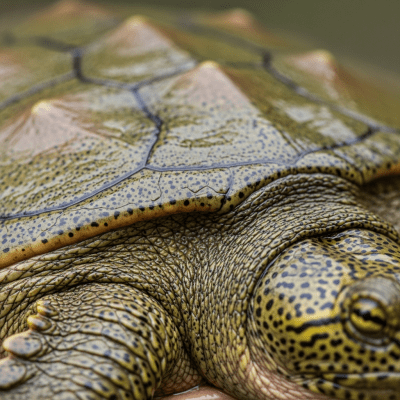
This turtle features a flattened, pancake-like carapace covered by leathery skin instead of hard scutes, typically olive to brown with dark spots or blotches and a pale underside. Adults measure between 38 and 60 cm in carapace length, with females generally larger than males. Its long, tubular snout acts like a snorkel, aiding breathing at the water surface, complemented by webbed feet and strong claws. Juveniles display more vivid patterning that fades with age.
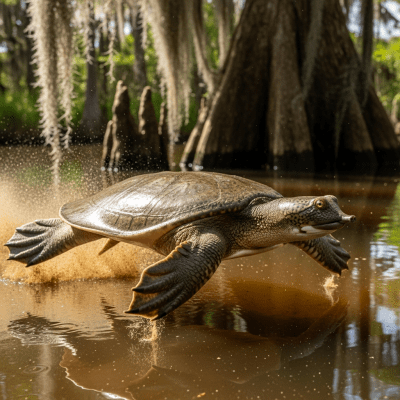
The Florida Softshell Turtle is highly aquatic and carnivorous, feeding aggressively on fish, amphibians, crustaceans, and aquatic invertebrates. It prefers sandy or muddy substrates for burrowing and rarely basks. Known for rapid growth and swift movements, this species tolerates poor water quality and variable temperatures but faces vulnerability from habitat loss and predation on eggs and juveniles.
Bring this kind into your world illustrated posters, mugs, and shirts.
Archival print, museum-grade paper
Buy Poster
Stoneware mug, dishwasher safe
Buy Mug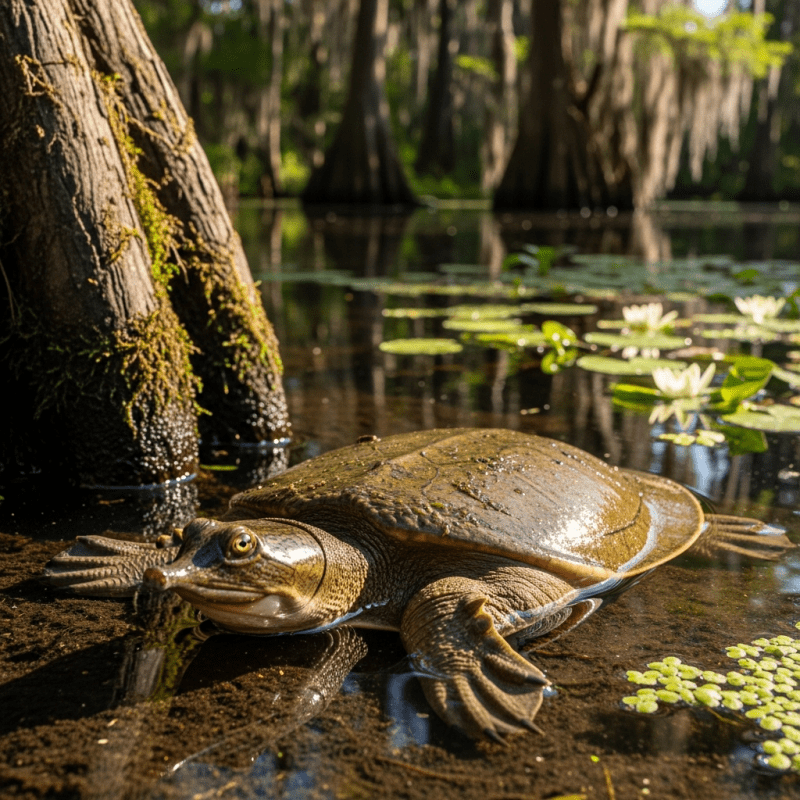
Soft cotton tee, unisex sizes
Buy ShirtWhile not prominent in widespread cultural traditions, the Florida Softshell Turtle has limited use in traditional medicine and cultural practices within its native range. Its meat is considered edible in some regions, though commercial exploitation remains regulated and limited.
The Florida Softshell Turtle inhabits a variety of freshwater environments throughout the southeastern United States. It favors rivers, lakes, ponds, and marshes with sandy or muddy bottoms where it can burrow and forage effectively.


Details on the Florida Softshell Turtle's reproduction are limited, but like other softshell turtles, it lays eggs in sandy nests near water. Juveniles exhibit more pronounced patterning that fades as they mature. The species grows rapidly, reaching adult size within a few years, with females generally larger than males.
Currently, the Florida Softshell Turtle is not listed with a specific IUCN status but faces threats from habitat loss and predation on eggs and juveniles. It is not considered invasive outside its native range. State and federal regulations govern its collection and trade to ensure sustainable populations.
This species is occasionally harvested for its meat and appears in limited traditional medicine and cultural uses. It is subject to regulated trade and is sometimes kept in the pet trade, though its aggressive behavior and size limit its popularity. Habitat alteration by humans remains a significant impact on its wild populations.