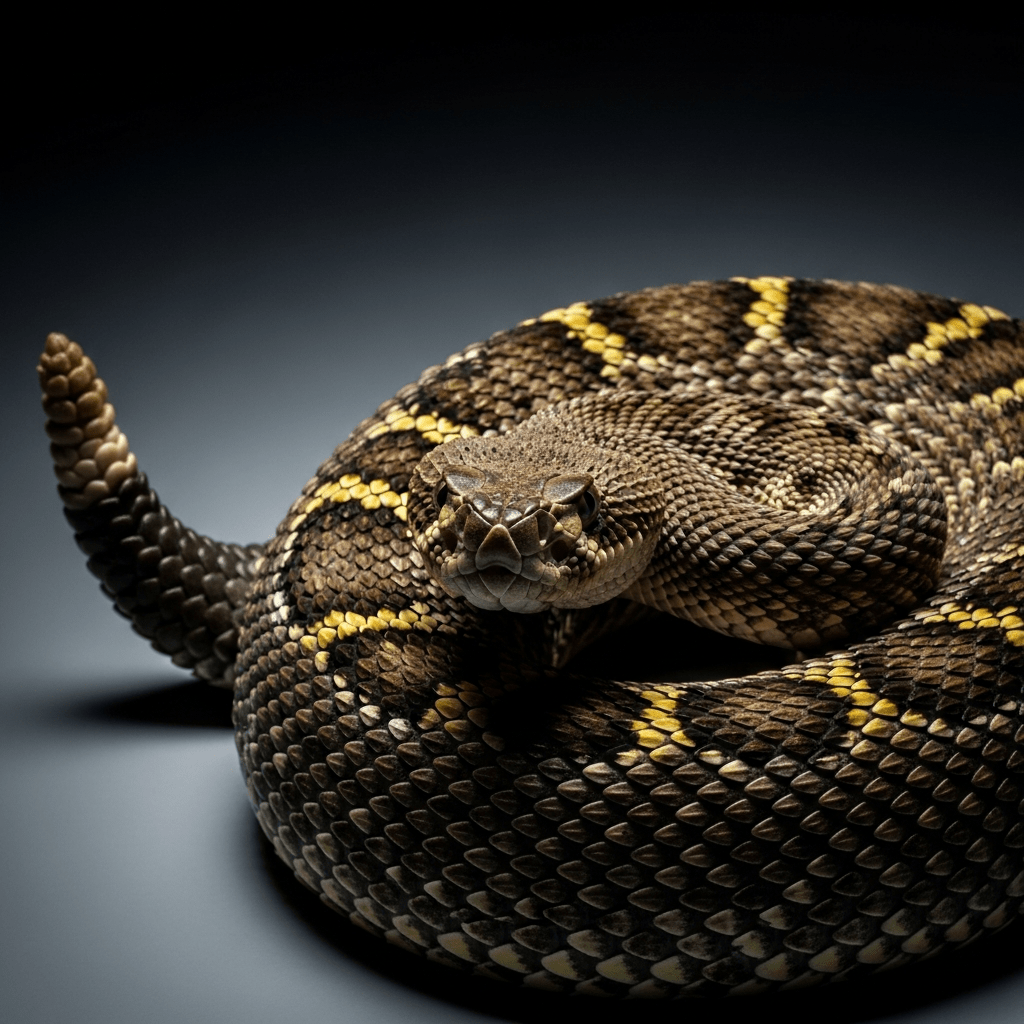
Eastern Diamondback Rattlesnake
The Eastern Diamondback Rattlesnake (Crotalus adamanteus) is the largest venomous snake native to the southeastern United States, renowned for its distinctive diamond-shaped dorsal pattern and formidable size.
The Eastern Diamondback Rattlesnake (Crotalus adamanteus) is the largest venomous snake native to the southeastern United States, renowned for its distinctive diamond-shaped dorsal pattern and formidable size.
First described in 1799 by Palisot de Beauvois, the Eastern Diamondback Rattlesnake traces its lineage directly within the genus Crotalus. It is native to the southeastern United States, with wild populations serving as the primary reference for the species, as no captive-bred lineages of taxonomic significance exist.
Belonging to the class Reptilia, the Eastern Diamondback is a member of the order Squamata and family Viperidae. Its genus is Crotalus, which encompasses the rattlesnakes, with the species epithet adamanteus.
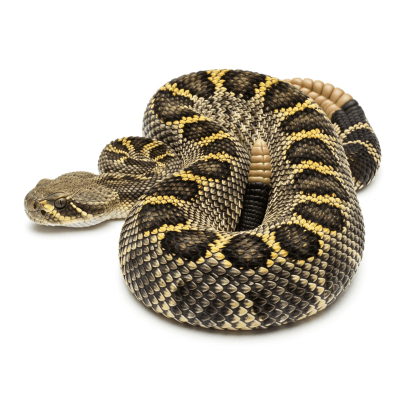
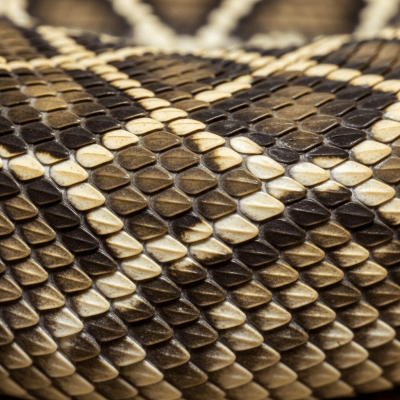
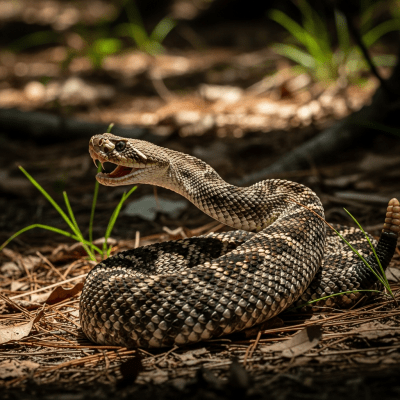
This robust, heavy-bodied rattlesnake can reach lengths up to 2.4 meters and weigh as much as 6.7 kilograms, making it the heaviest venomous snake in North America. Its coloration features a brown to olive background adorned with bold, dark diamond-shaped blotches outlined by lighter scales. The broad, triangular head houses heat-sensing pit organs between the eyes and nostrils, while its tail ends in a distinctive keratin rattle used as a warning signal.
The Eastern Diamondback is a carnivorous predator, relying on its hemotoxic venom to subdue prey. It grows continuously, shedding its skin periodically, and reproduces viviparously, giving birth to live young in litters ranging from seven to twenty-one. Adapted to arid environments, it plays a vital ecological role but is sensitive to habitat fragmentation and human disturbance.
Bring this kind into your world illustrated posters, mugs, and shirts.
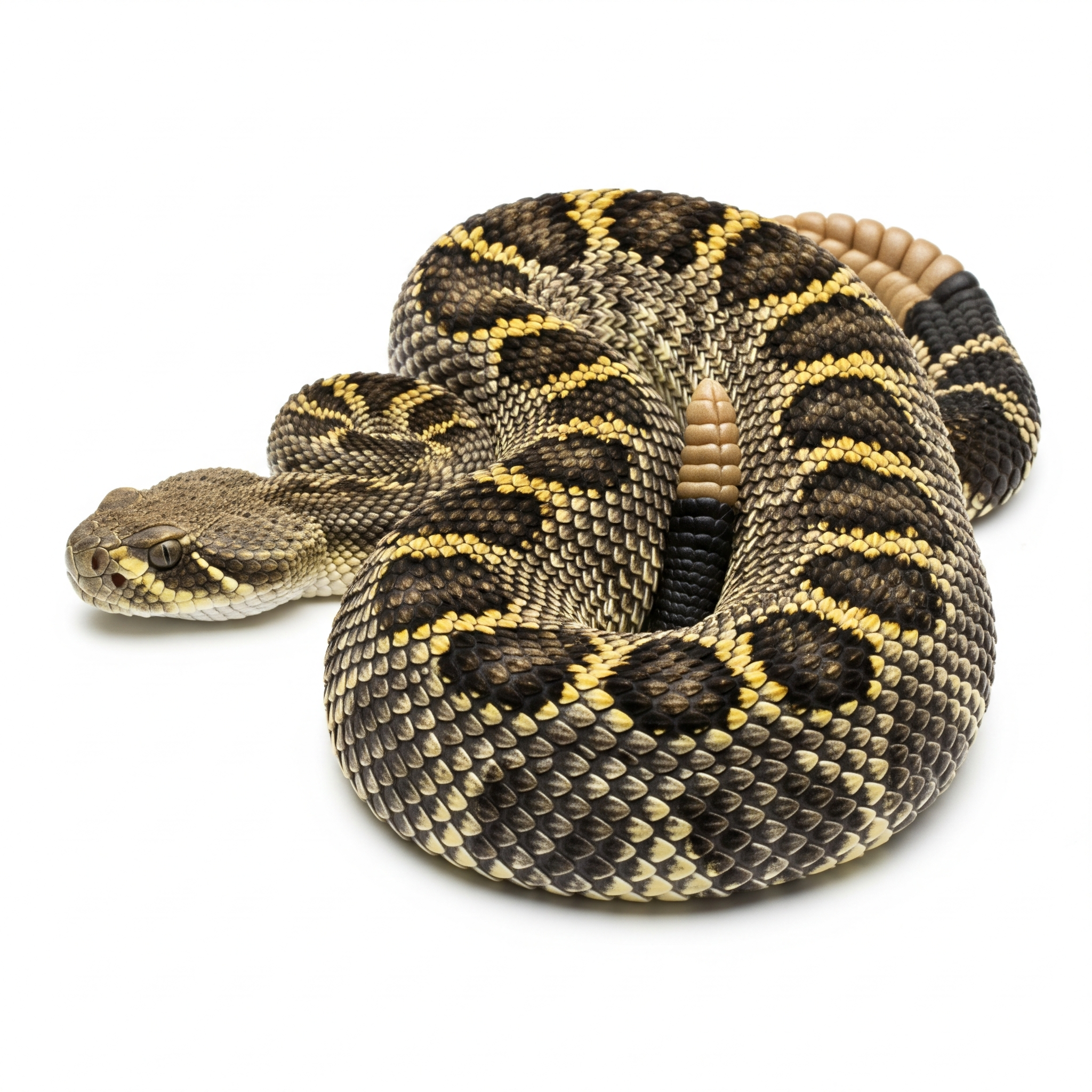
Archival print, museum-grade paper
Buy Poster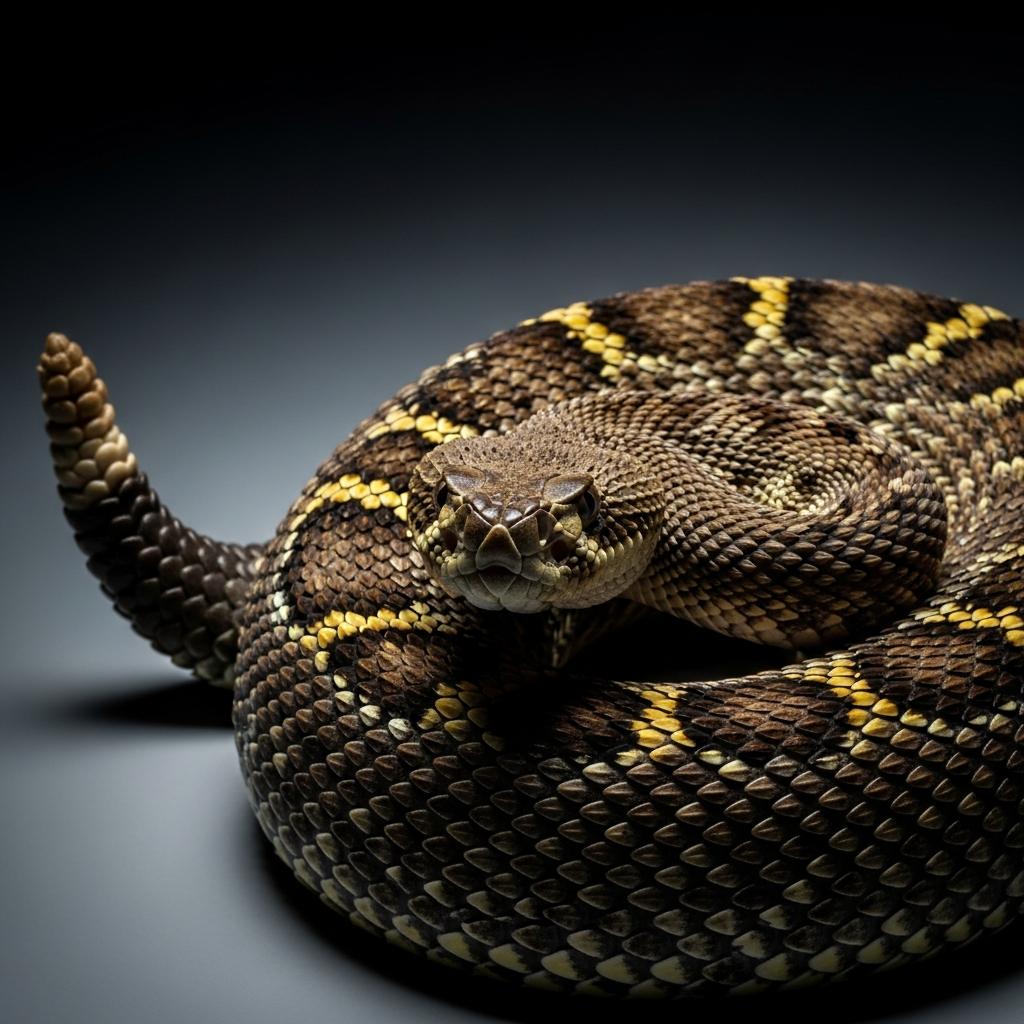
Stoneware mug, dishwasher safe
Buy Mug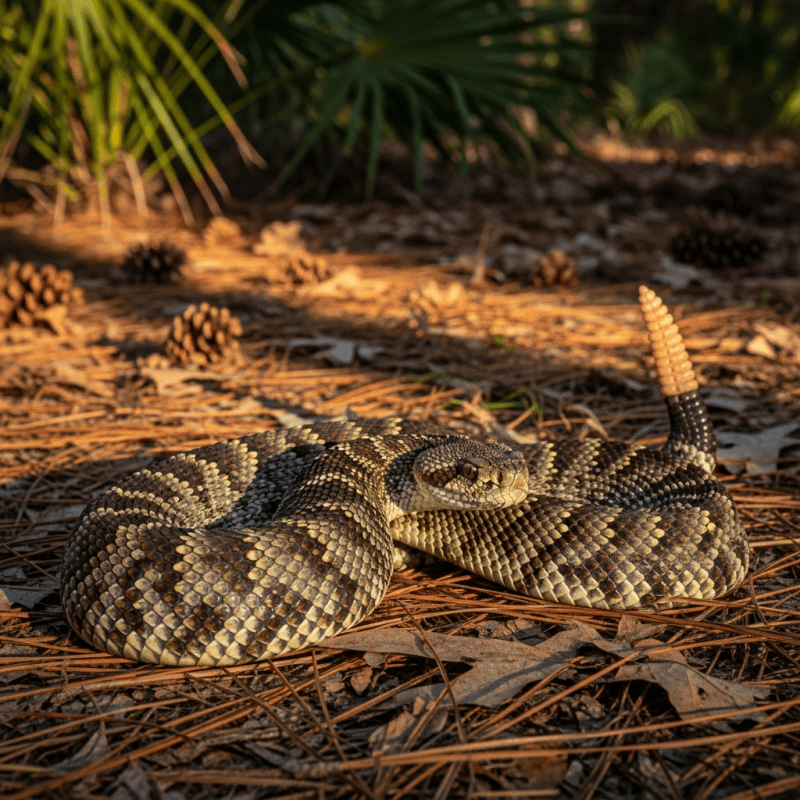
Soft cotton tee, unisex sizes
Buy ShirtAs an iconic venomous snake, the Eastern Diamondback features prominently in regional folklore and is often showcased in educational exhibits and rattlesnake roundups. Its striking pattern and formidable reputation have made it a symbol of the wild southeastern United States, appearing in art and cultural narratives that highlight the balance between respect and caution toward venomous wildlife.
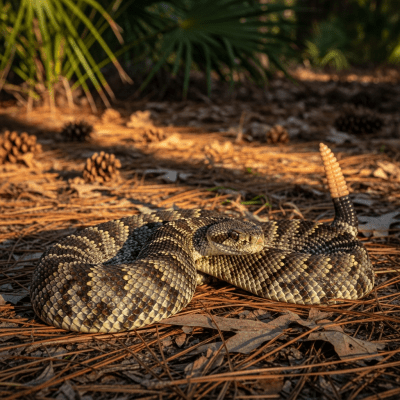
Native to the southeastern United States, the Eastern Diamondback Rattlesnake thrives in arid habitats such as pine forests, sandy woodlands, and coastal scrublands. Its range spans states like Florida, Georgia, and the Carolinas, where it occupies ecosystems that provide cover and abundant prey.

The species reaches sexual maturity at an age not precisely documented but reproduces viviparously, giving birth to live young. Litters typically consist of seven to twenty-one offspring. Growth is continuous throughout life, accompanied by periodic shedding of skin. Lifespan details are not well established but are believed to be several years in the wild.
While the Eastern Diamondback is not currently listed with a formal IUCN status, it faces threats from habitat fragmentation, human encroachment, and persecution. Legal protections vary by state, and commercial use is limited and regulated. Conservation efforts focus on habitat preservation and public education to reduce unnecessary killing.
Humans impact the Eastern Diamondback primarily through habitat destruction and direct conflict. The species is occasionally hunted for its skin and meat, though such practices are increasingly discouraged. Venom is harvested for research and antivenom production. Educational programs and rattlesnake roundups help raise awareness, balancing respect for this powerful reptile with safety considerations.