
Eastern Box Turtle
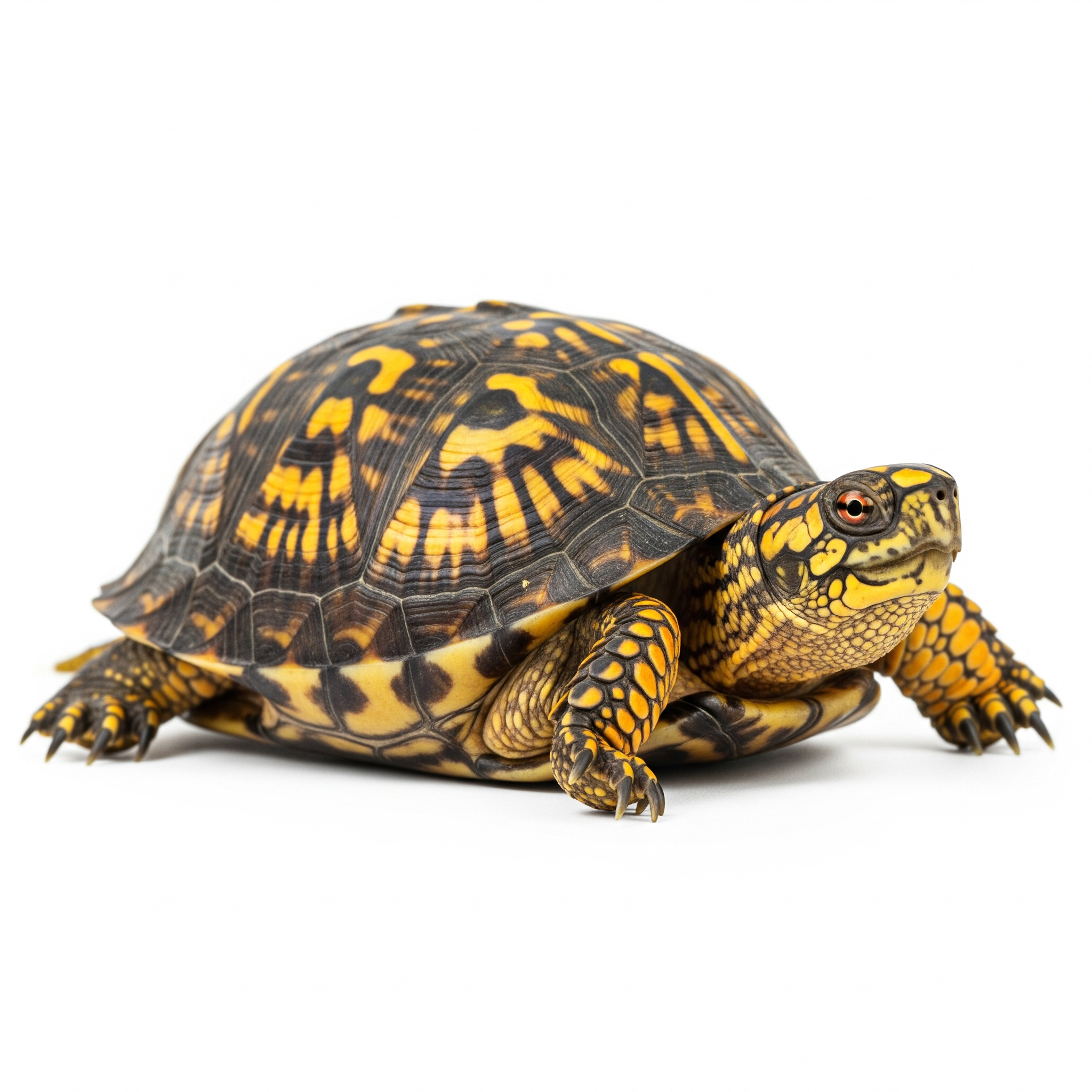
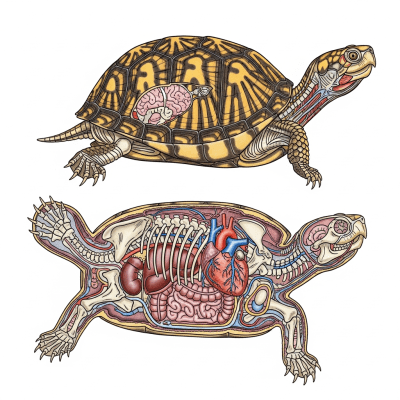
The Eastern Box Turtle (Terrapene carolina carolina) is a terrestrial turtle native to eastern North America, known for its distinctive domed shell with a hinged plastron that allows it to close completely for protection.
The Eastern Box Turtle (Terrapene carolina carolina) is a terrestrial turtle native to eastern North America, known for its distinctive domed shell with a hinged plastron that allows it to close completely for protection.
First described by Carl Linnaeus in 1758 as Testudo carolina, the Eastern Box Turtle was later reclassified under the genus Terrapene. This wild species has a broad natural lineage across eastern North America, with no specific breeder or institution linked to its origin. Its subspecies name, carolina carolina, reflects its regional distribution within the larger box turtle complex.
The Eastern Box Turtle belongs to the class Reptilia, order Testudines, and family Emydidae. Within this hierarchy, it is classified under the genus Terrapene and species carolina, with the subspecies designation carolina distinguishing its eastern North American lineage.
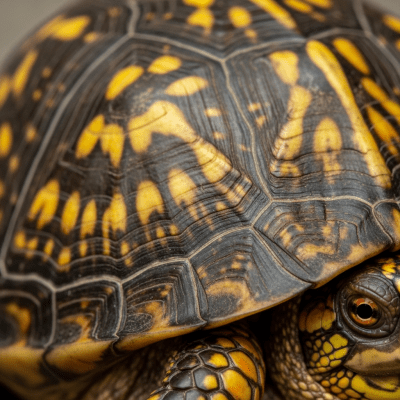
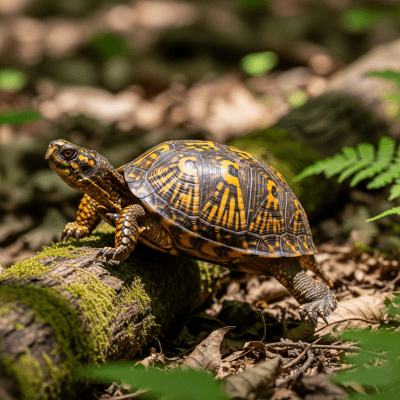
This turtle features a high-domed carapace measuring around 11.5 cm in length, notable for a movable hinge on its plastron that enables it to seal its shell tightly. Its shell coloration is highly variable, typically displaying yellow, orange, or reddish patterns against a dark brown or black background. Similar colorful patterns often appear on the skin of its head and limbs. Males and females differ visually: males usually have red eyes and a concave plastron, while females have brown eyes and a flat plastron.
The Eastern Box Turtle is primarily terrestrial and omnivorous, feeding on a diverse diet of plants, fungi, insects, and small animals. It grows slowly, reaching sexual maturity between 7 and 10 years, and can live for over 40 years in the wild. The species tolerates cold and drought conditions but is vulnerable to habitat fragmentation, road mortality, and collection for the pet trade.
Bring this kind into your world illustrated posters, mugs, and shirts.
Archival print, museum-grade paper
Buy Poster
Stoneware mug, dishwasher safe
Buy Mug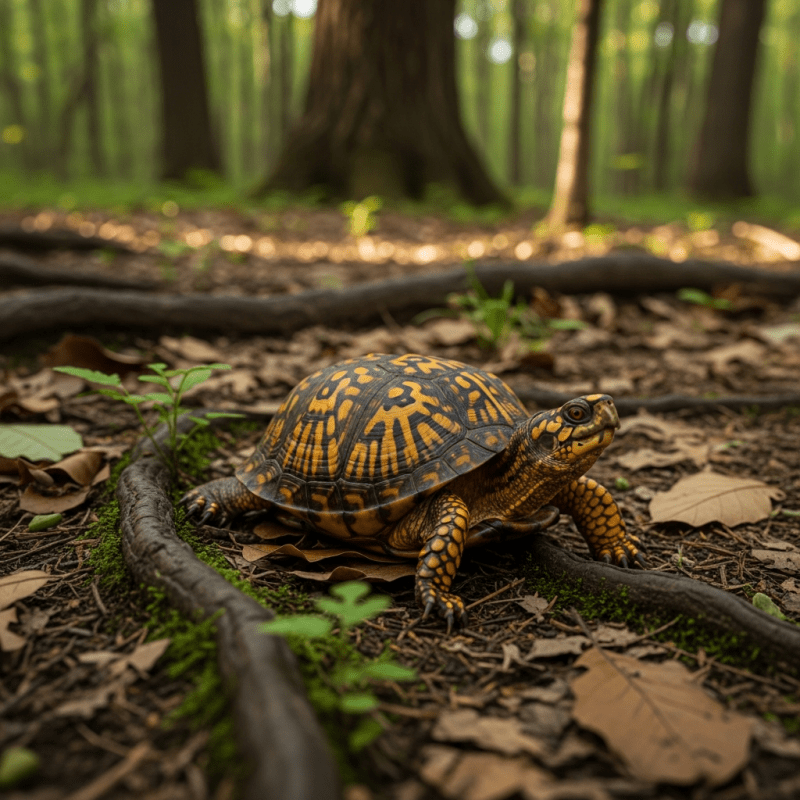
Soft cotton tee, unisex sizes
Buy ShirtWhile not widely featured in contemporary culture, the Eastern Box Turtle has historically held ecological and educational importance. It serves as a flagship species for conservation efforts and environmental awareness in its native regions. Indigenous groups may have used turtles ceremonially or as food in the past, but such practices are now rare and largely replaced by conservation priorities.
Native to eastern North America, the Eastern Box Turtle inhabits a variety of woodland environments. It thrives in diverse terrestrial habitats where it can find ample cover and food sources, including deciduous and mixed forests, meadows, and moist areas with rich leaf litter.
The Eastern Box Turtle reaches sexual maturity between 7 and 10 years of age. It exhibits slow growth and a long lifespan, often exceeding 40 years in the wild. Breeding behaviors are typical of terrestrial turtles, with females laying clutches of eggs in protected terrestrial sites. Hatchlings emerge fully formed and begin their slow journey toward maturity.
Although not currently assessed with a definitive IUCN status, the Eastern Box Turtle faces significant threats from habitat fragmentation, road mortality, and collection for the pet trade. Conservation efforts focus on habitat protection, reducing roadkill incidents, and regulating trade to ensure sustainable populations.
Humans impact Eastern Box Turtles primarily through habitat alteration and road networks that increase mortality. The species is also collected for the pet trade, though regulations have tightened to protect wild populations. Its ecological role and distinctive appearance make it valuable for education and conservation awareness programs.