Crested Gecko
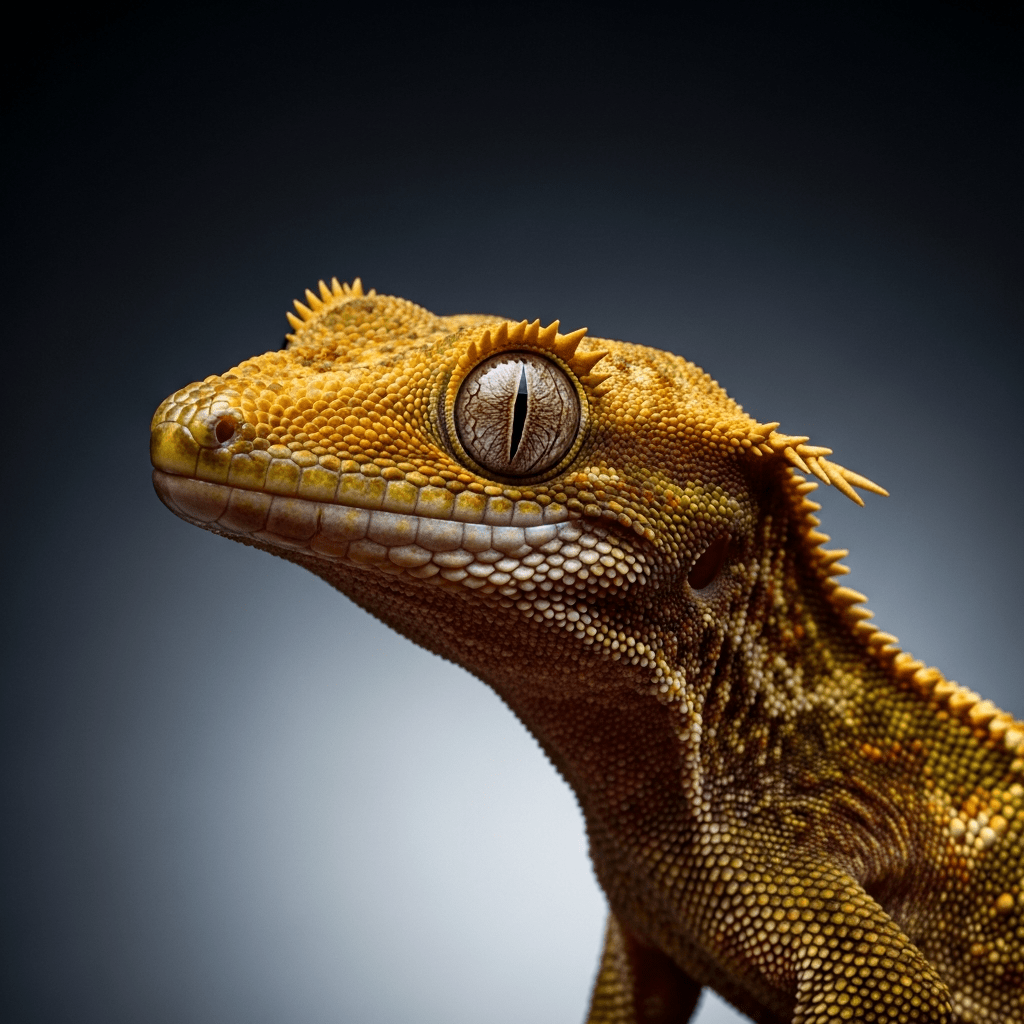
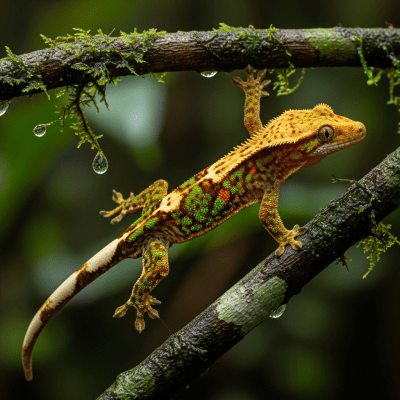
The crested gecko (Correlophus ciliatus) is a medium-sized, arboreal lizard native to southern New Caledonia, easily recognized by the distinctive crests running from its eyes to the base of its tail.
The crested gecko (Correlophus ciliatus) is a medium-sized, arboreal lizard native to southern New Caledonia, easily recognized by the distinctive crests running from its eyes to the base of its tail.
First described in 1866 by Guichenot, the crested gecko was long thought extinct until its remarkable rediscovery in 1994 during a herpetological expedition in southern New Caledonia. Since then, captive breeding programs have flourished worldwide, originating from these rediscovered wild populations.
Belonging to the class Reptilia and order Squamata, the crested gecko is classified within the family Diplodactylidae and genus Correlophus. Its scientific name is Correlophus ciliatus, with a synonym previously recognized as Rhacodactylus ciliatus.
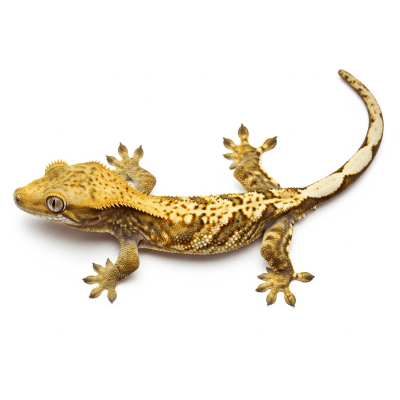
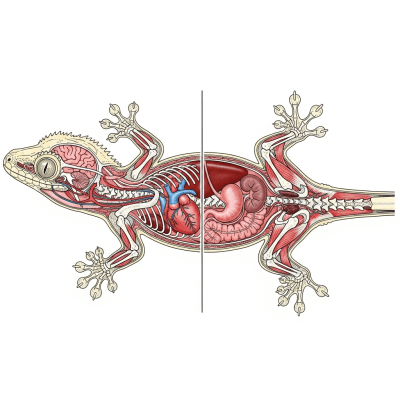
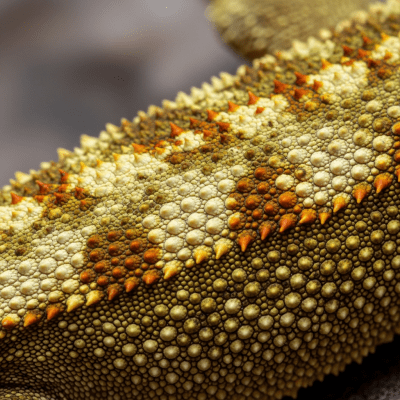
The crested gecko typically measures around 15 centimeters in length and weighs about 35 grams. Its most striking feature is the pair of crests that extend from above the eyes down to the tail base, lending it its common name. This species displays a wide variety of vibrant color morphs, including reds, oranges, yellows, and browns, often patterned with harlequin, dalmatian, or flame designs. Equipped with specialized toe pads, it adeptly climbs smooth surfaces, and its prehensile tail can be shed as a defense mechanism, though unlike many geckos, it does not regenerate.
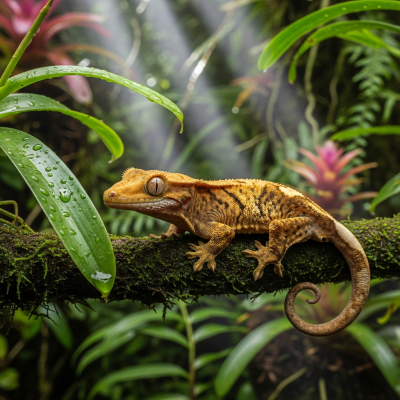
Nocturnal and arboreal by nature, crested geckos are omnivorous, feeding on a diet of fruits, nectar, and insects. They grow rapidly under favorable conditions, reaching sexual maturity between 12 and 18 months. Adapted to a range of humidity levels, they are sensitive to prolonged dehydration and extreme temperatures, which influences their habitat preferences and care requirements.
Bring this kind into your world illustrated posters, mugs, and shirts.
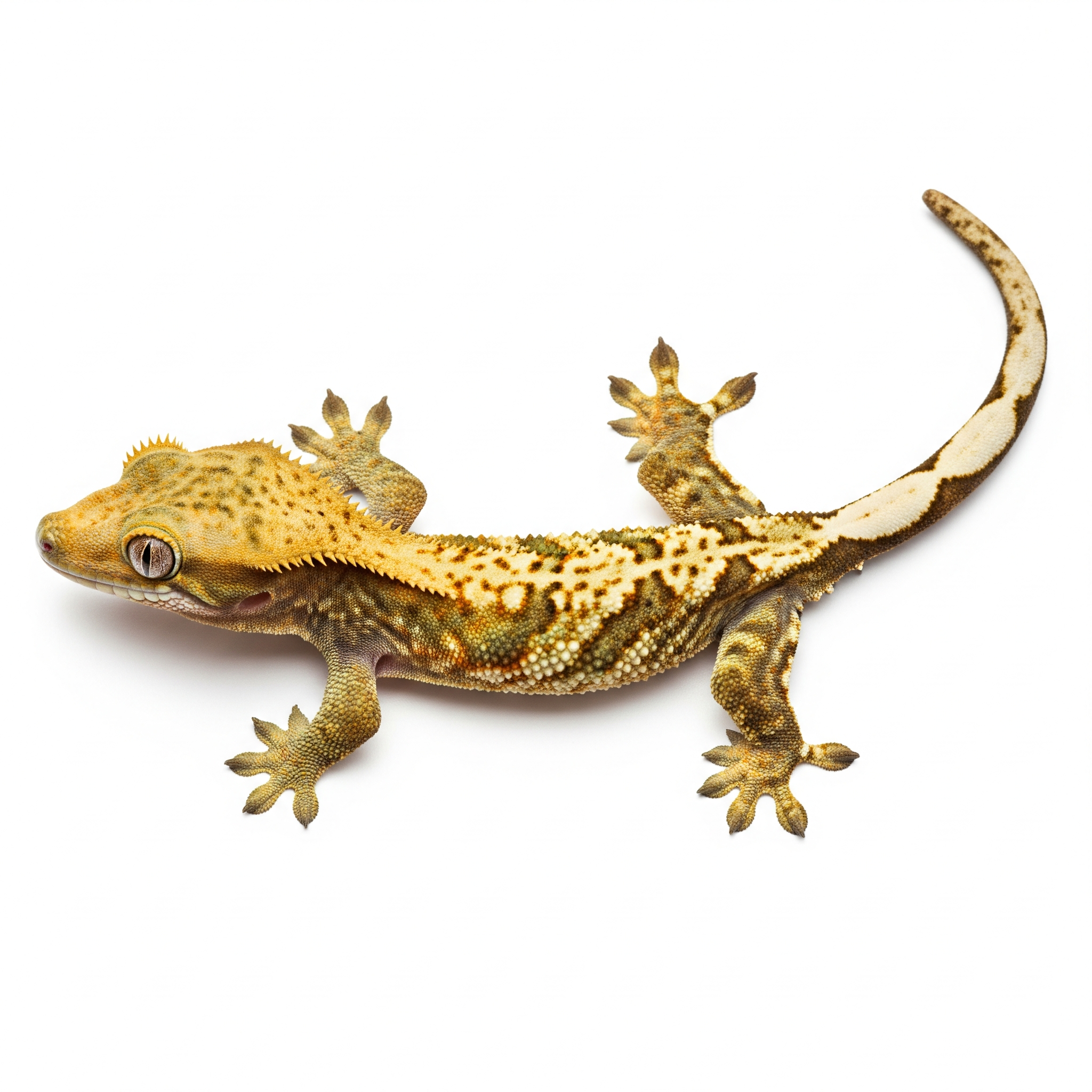
Archival print, museum-grade paper
Buy Poster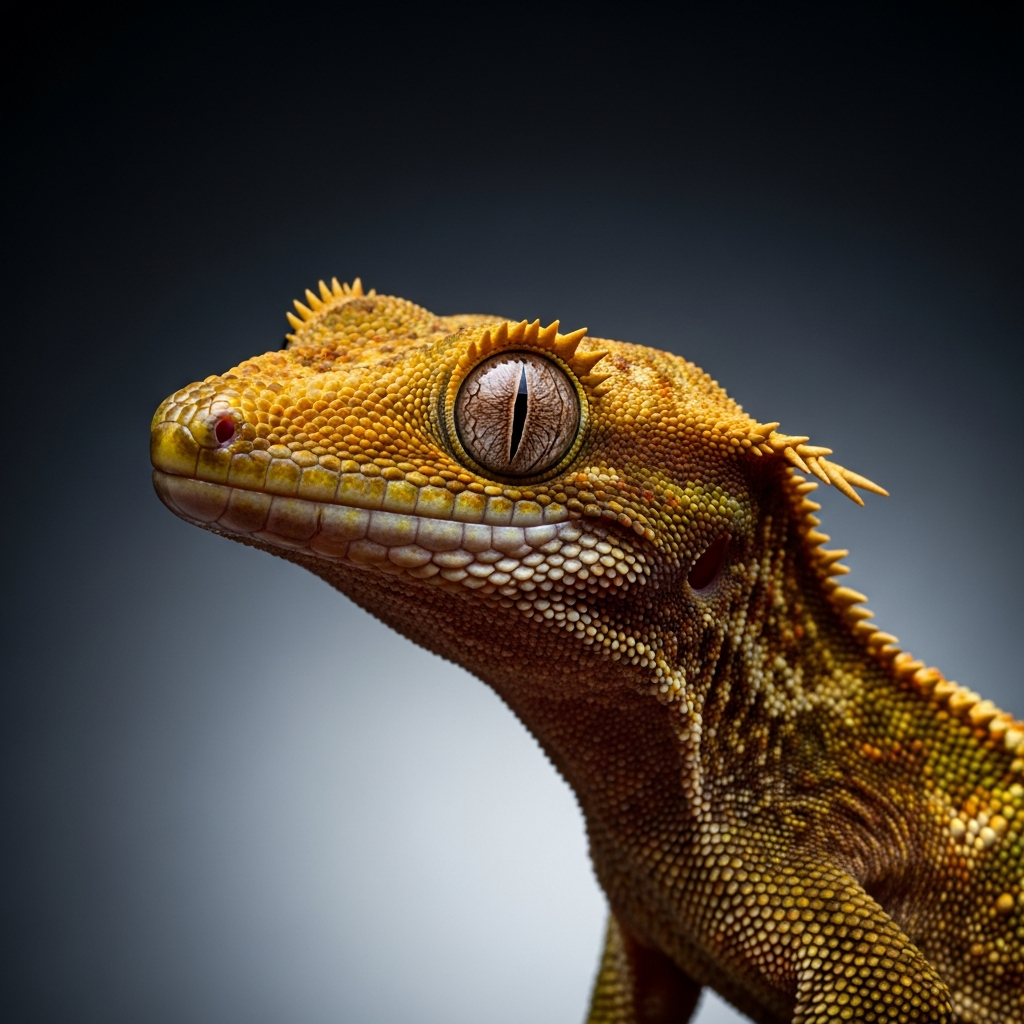
Stoneware mug, dishwasher safe
Buy Mug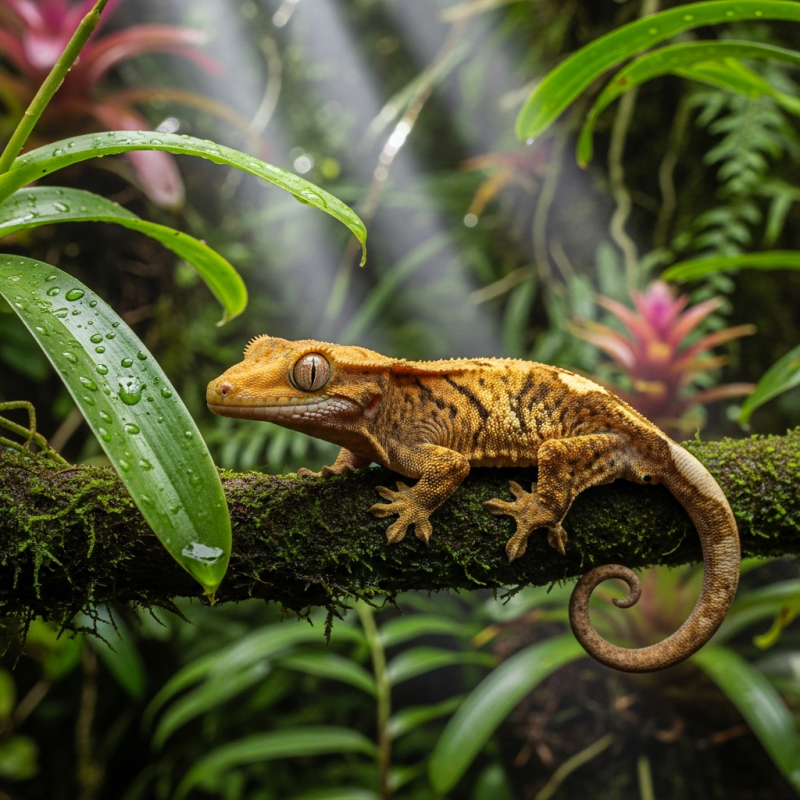
Soft cotton tee, unisex sizes
Buy ShirtWhile not prominent in traditional myth or art, the crested gecko has gained cultural significance in modern herpetoculture and pet communities. Its gentle temperament and striking appearance have made it a popular subject for educational outreach, inspiring interest in reptile conservation and captive breeding innovations.
The crested gecko is native exclusively to the arboreal forest environments of southern New Caledonia. It thrives in humid, tree-rich habitats where it can climb and forage at night. Its natural range is limited, contributing to its initial presumed extinction before rediscovery.
Crested geckos reach sexual maturity between 12 and 18 months of age. They reproduce by laying eggs, typically in small clutches. Growth is rapid under optimal conditions, though detailed lifespan data in the wild is limited. In captivity, they can live several years with proper care.
Although not currently listed under CITES, the crested gecko’s conservation status has been closely monitored since its rediscovery. Habitat loss and environmental changes pose ongoing threats in the wild. Captive breeding programs have helped alleviate pressure on wild populations by supplying the pet trade with sustainably bred individuals.
The crested gecko has a significant presence in the global pet trade, prized for its manageable size and calm demeanor. Commercial breeding focuses on producing diverse color and pattern morphs, fueling demand. Additionally, it serves educational and research purposes, fostering broader awareness of reptile care and conservation.