
Common Wall Lizard
The Common Wall Lizard (Podarcis muralis) is a small, agile lizard native to much of Europe, known for its adaptability to urban and rocky environments and its distinctive variable coloration.
The Common Wall Lizard (Podarcis muralis) is a small, agile lizard native to much of Europe, known for its adaptability to urban and rocky environments and its distinctive variable coloration.
First described by Laurenti in 1768, the Common Wall Lizard belongs to the genus Podarcis within the family Lacertidae. It has a long-documented natural history as a wild species, with multiple subspecies and regional morphs reflecting its wide distribution and local adaptations. Introduced populations have also established in parts of North America.
The Common Wall Lizard is classified within the class Reptilia, order Squamata, family Lacertidae, and genus Podarcis. Its scientific name is Podarcis muralis, with synonyms including Lacerta muralis. This placement situates it among the typical wall and rock-dwelling lizards of Europe.
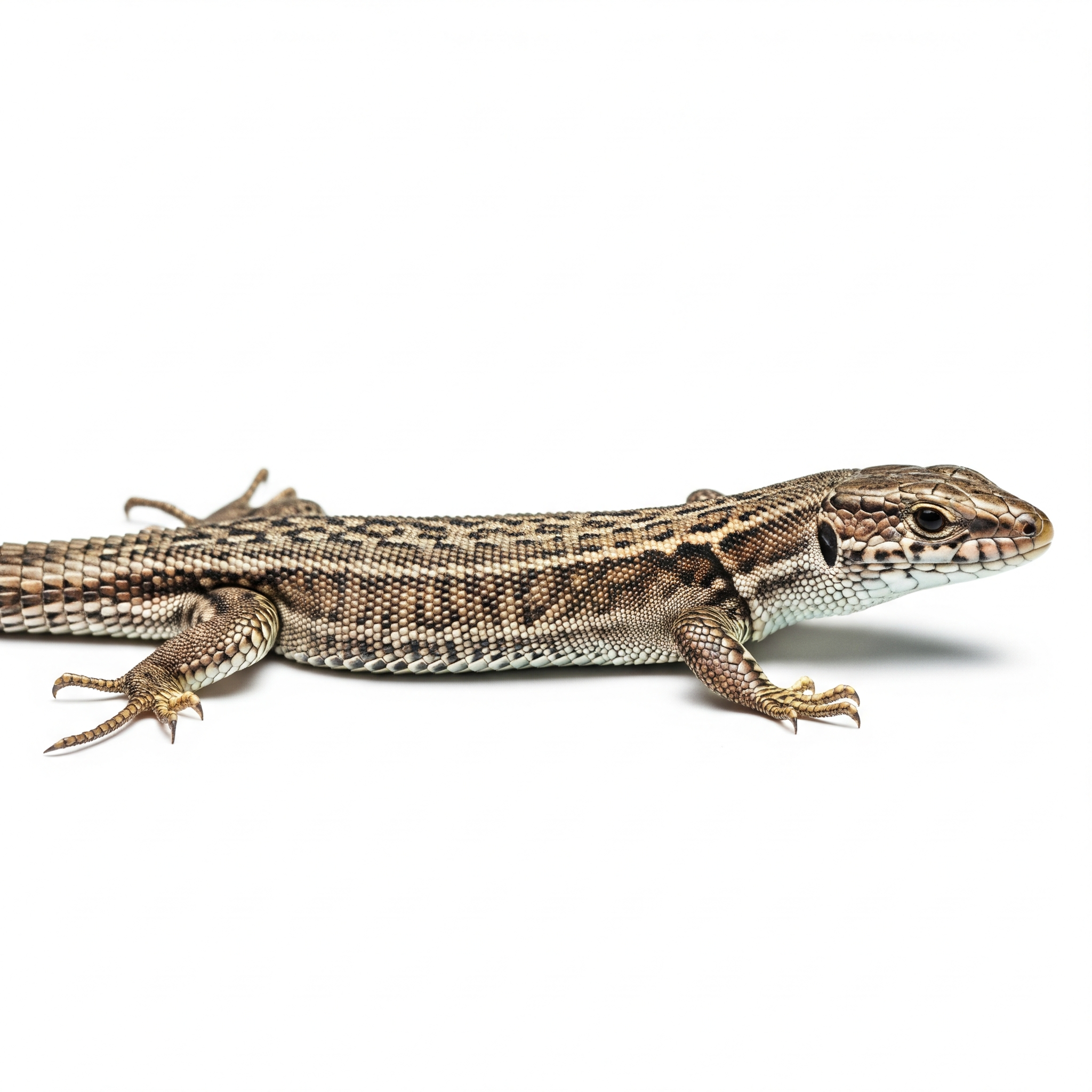
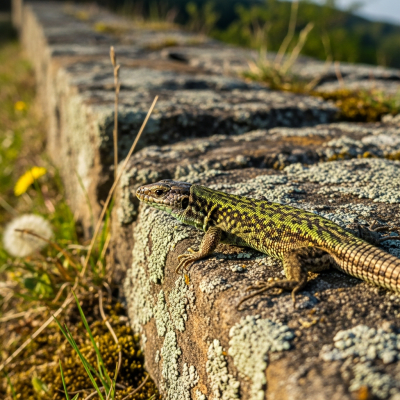
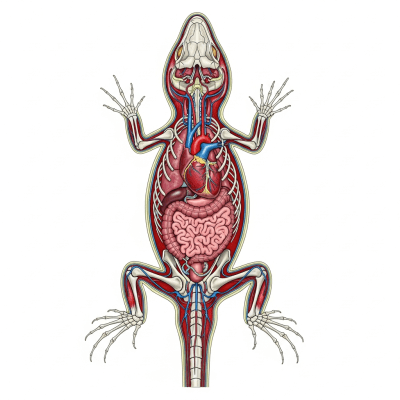
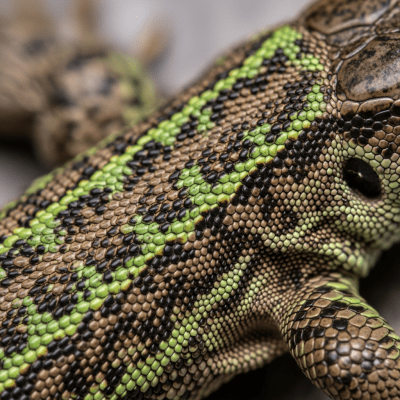
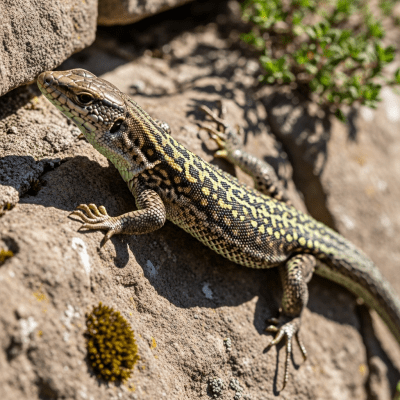
This lizard features a slender body covered with granular scales on its back and larger scales on its belly. It typically measures around 15 cm in length. Its coloration varies widely, ranging from brown, grey, and green to reddish hues, often marked with darker stripes or spots. The ventral surface may be white, yellow, orange, or red, sometimes adorned with spots. Its form enables rapid movement across vertical surfaces like walls and stones.
The Common Wall Lizard is diurnal and terrestrial, frequently seen basking on walls and rocky surfaces. It is highly agile, capable of swift movement that aids in evading predators. While its diet is not specifically detailed here, it thrives in diverse habitats, showing resilience to urbanization and moderate cold. Ecologically, it plays a role as both predator and prey within its environment.
Bring this kind into your world illustrated posters, mugs, and shirts.
Archival print, museum-grade paper
Buy Poster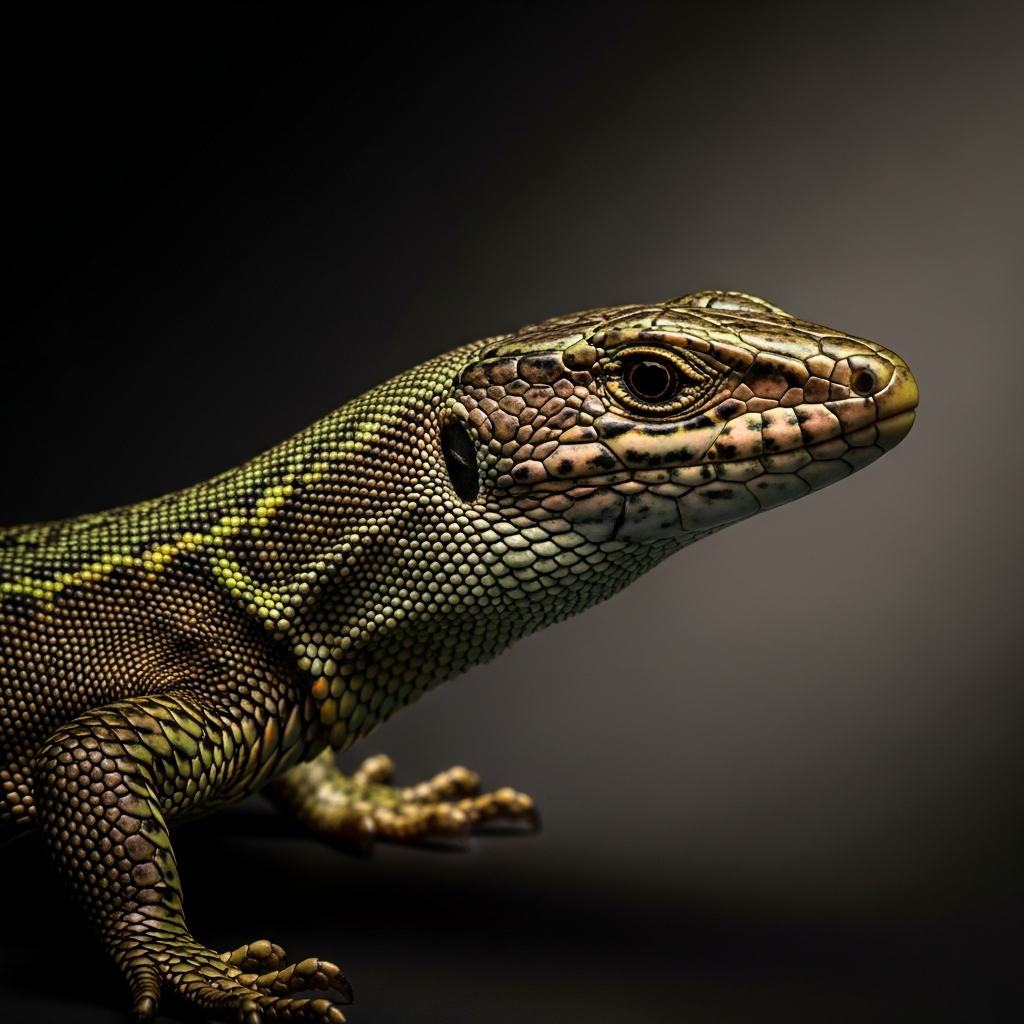
Stoneware mug, dishwasher safe
Buy Mug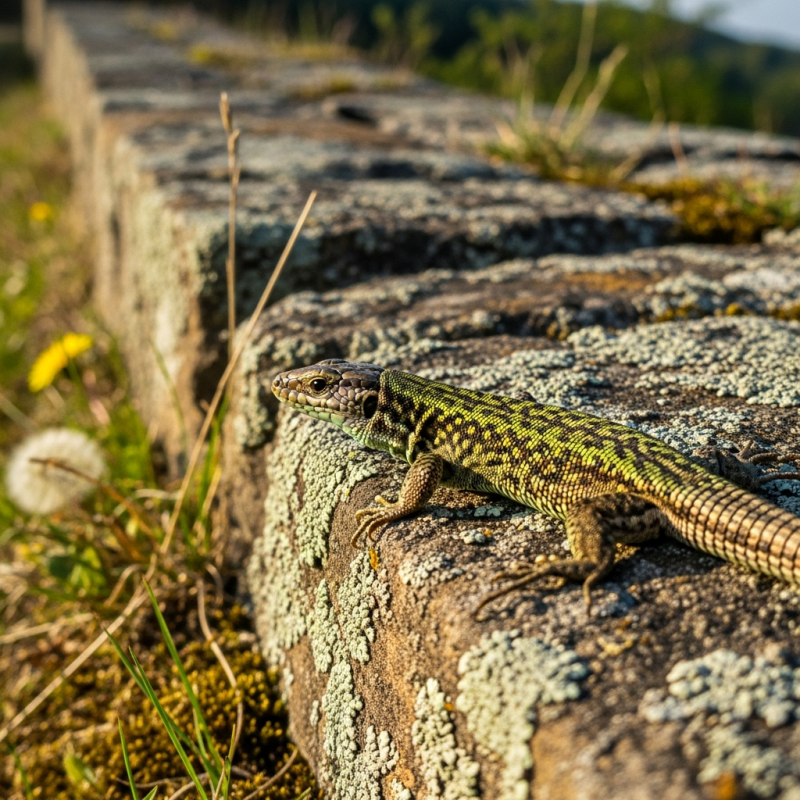
Soft cotton tee, unisex sizes
Buy ShirtThough not widely prominent in art or mythology, the Common Wall Lizard holds ecological and educational value. It serves as a model organism in studies of adaptation, behavior, and urban ecology, helping scientists understand how reptiles adjust to human-altered landscapes.
The Common Wall Lizard naturally inhabits a wide range across much of Europe, thriving in urban areas and rocky environments. It is frequently observed basking on walls, stones, and other vertical surfaces. Its adaptability has allowed introduced populations to establish in parts of North America, where it occupies similar habitats.
This species is oviparous, laying clutches of 2 to 10 eggs each breeding season. The incubation period ranges from 6 to 11 weeks, influenced by environmental temperature. Hatchlings emerge fully formed and begin independent life immediately. Details on age at sexual maturity and lifespan are not specified, but typical lacertid traits suggest relatively rapid development.
While the Common Wall Lizard does not currently have a designated IUCN conservation status, it faces threats from habitat loss and predation by birds, mammals, and invasive species. Its tolerance of urban environments offers some resilience, but local populations may be vulnerable to environmental changes. In introduced areas, it is considered invasive, which poses ecological challenges.
The Common Wall Lizard interacts with humans primarily through its presence in urban environments and occasional use in the pet trade. It is valued as an ecological and educational species, contributing to scientific research on adaptation and urban ecology. However, its introduction outside its native range has led to invasive status concerns, highlighting the complex relationship between this reptile and human activity.