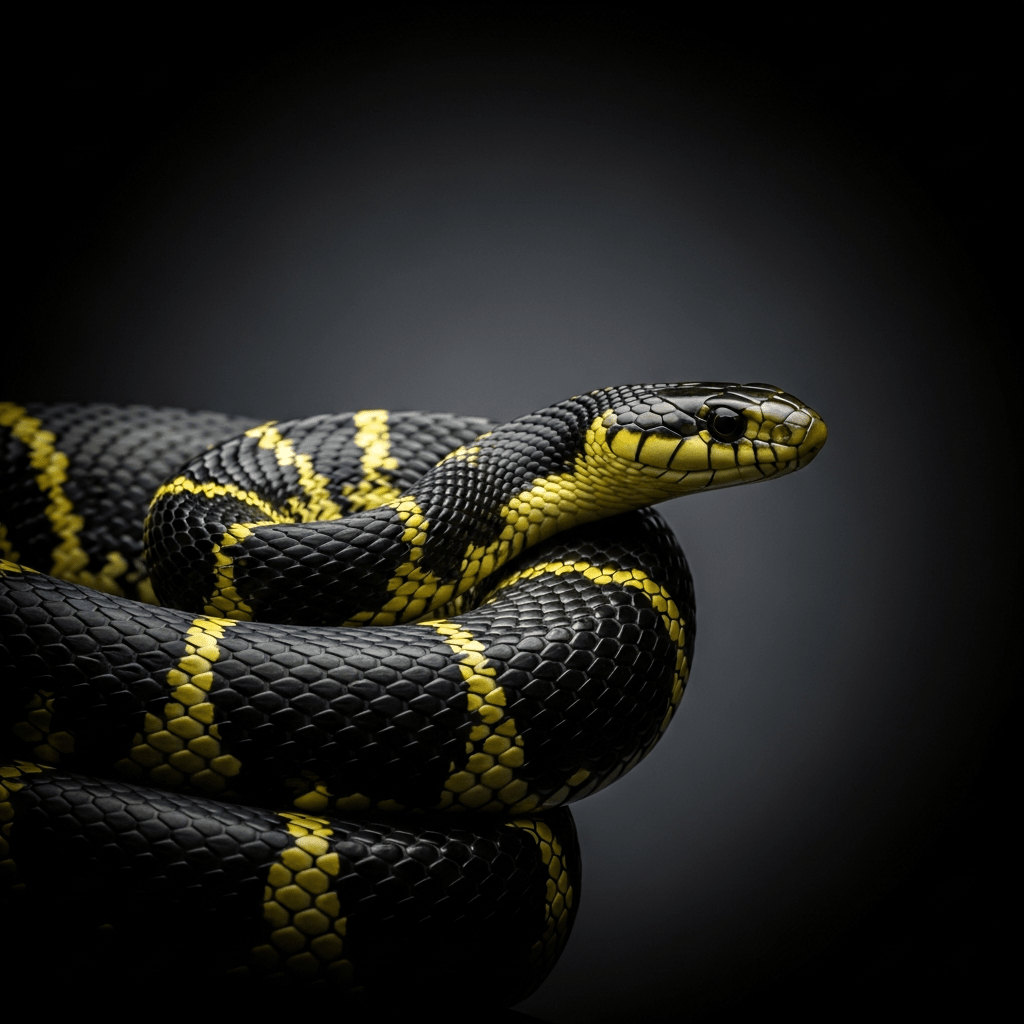
Common Kingsnake
The Common Kingsnake (Lampropeltis getula) is a nonvenomous, adaptable snake native to North America, known for its striking banded pattern and immunity to the venom of other snakes.
The Common Kingsnake (Lampropeltis getula) is a nonvenomous, adaptable snake native to North America, known for its striking banded pattern and immunity to the venom of other snakes.
First described by Linnaeus in 1766, the Common Kingsnake originates from the United States and northern Mexico. While wild populations thrive across this range, captive breeding has flourished since the late 20th century, producing numerous color morphs and variants through dedicated herpetoculture efforts.
Belonging to the class Reptilia and order Squamata, the Common Kingsnake is a member of the family Colubridae. Its genus is Lampropeltis, with the species designation getula. This classification places it among a diverse group of nonvenomous snakes widespread across North America.
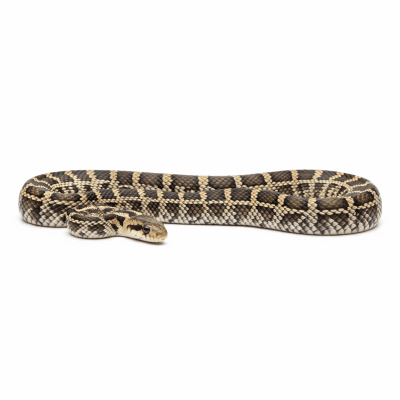
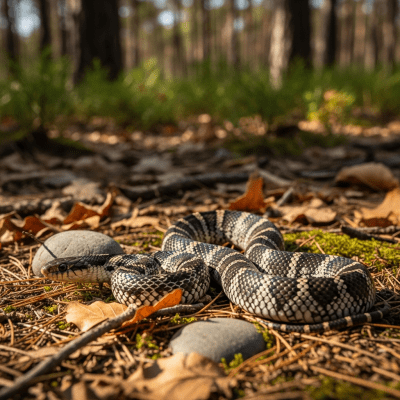
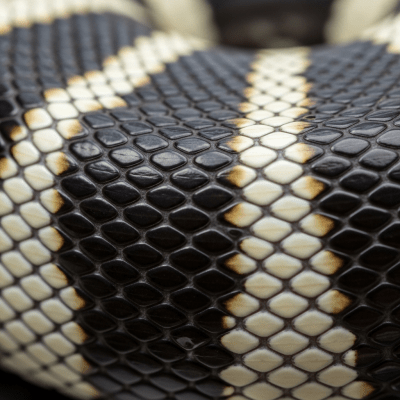
The Common Kingsnake typically measures between 90 and 120 centimeters, with some individuals reaching up to 180 centimeters. It features a robust, cylindrical body covered in smooth, glossy scales. Its coloration usually consists of black or dark brown bands alternating with white or yellow, though patterns vary by subspecies and morph. A distinctive trait is its immunity to the venom of pit vipers and other snakes.
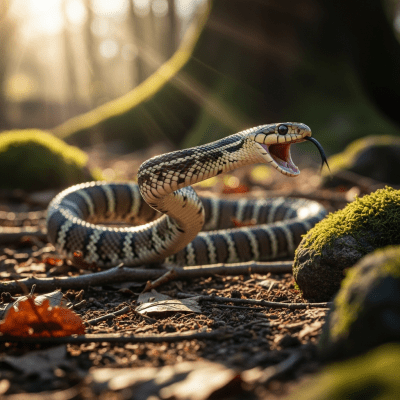
This carnivorous snake employs constriction to subdue prey, showcasing a moderate growth rate with juveniles reaching maturity within two to three years. Known for its hardiness, it tolerates diverse environmental conditions and resists many common reptile diseases, making it a resilient species in both wild and captive settings.
Bring this kind into your world illustrated posters, mugs, and shirts.
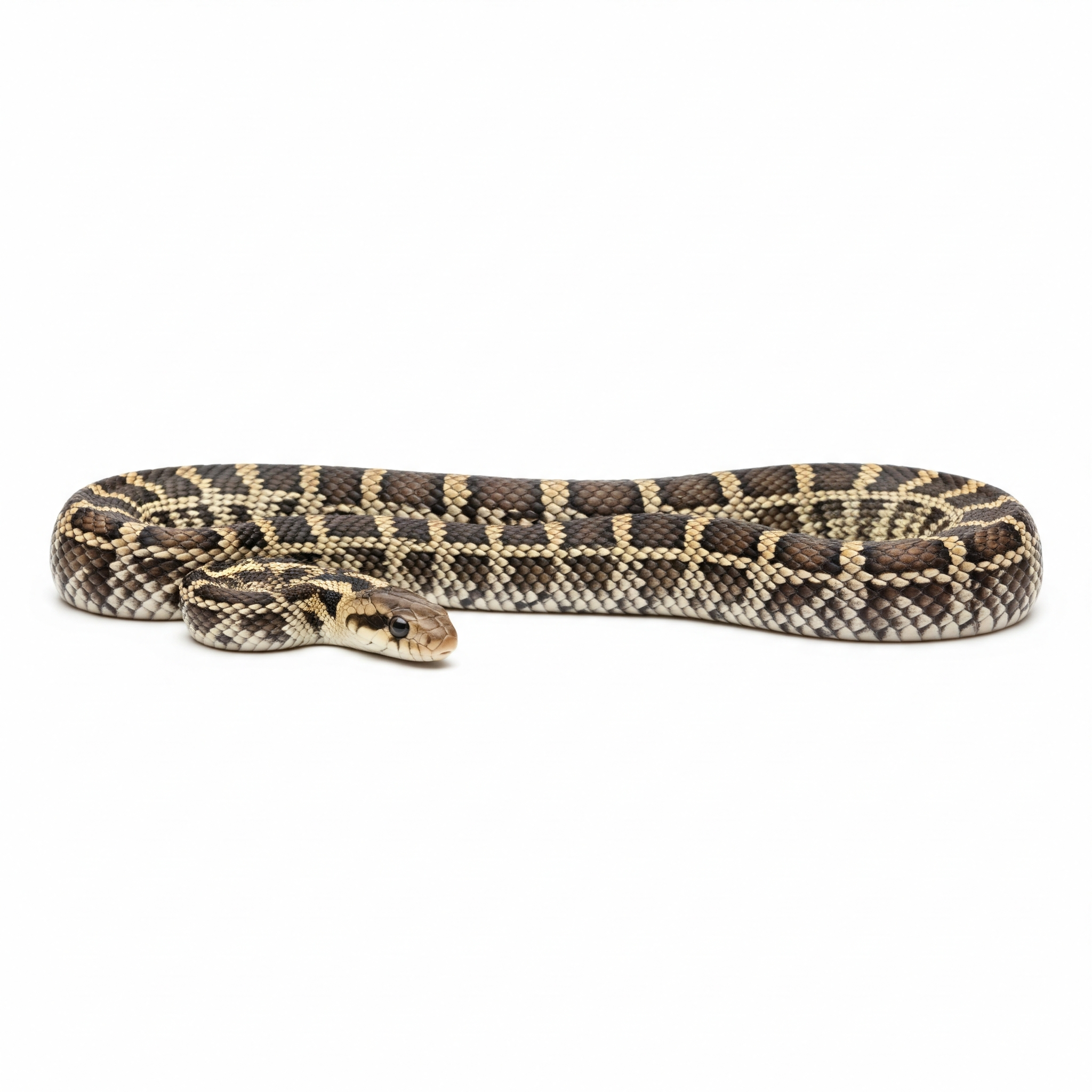
Archival print, museum-grade paper
Buy Poster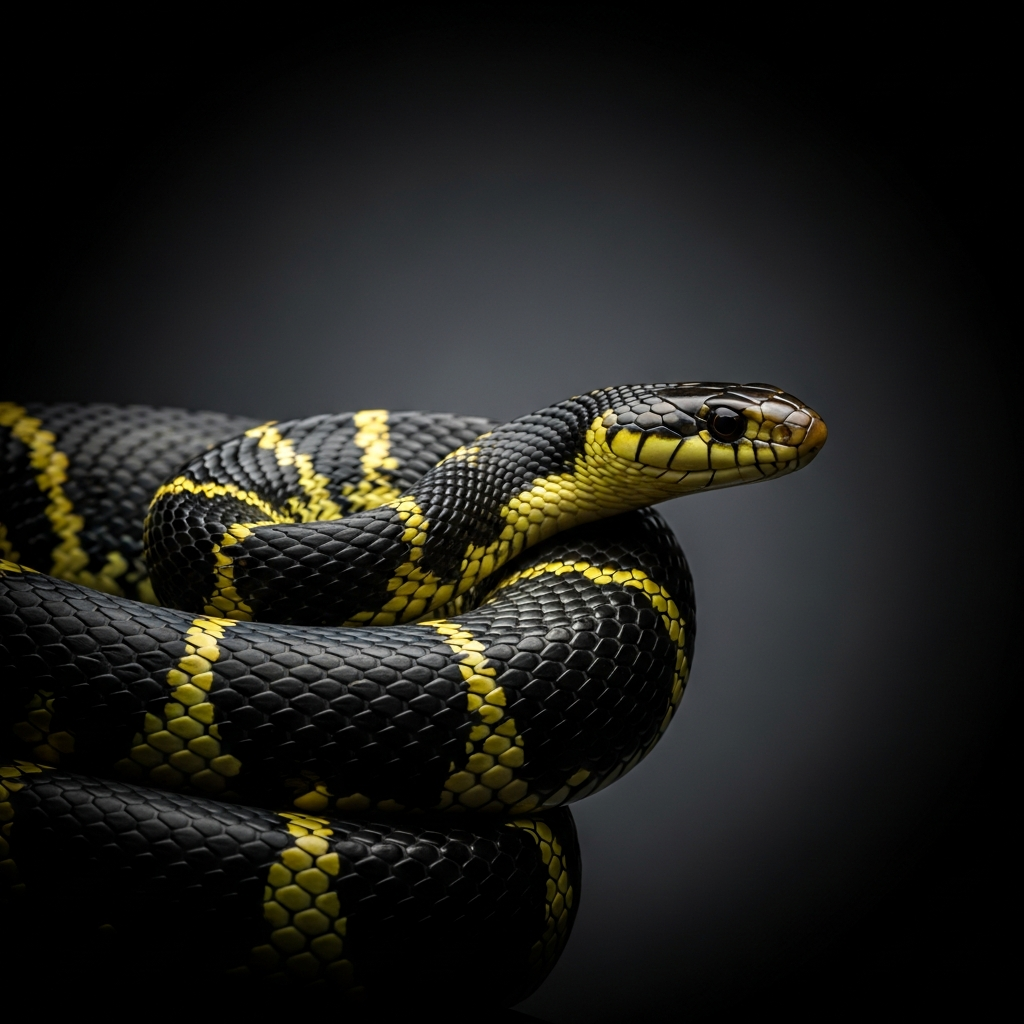
Stoneware mug, dishwasher safe
Buy Mug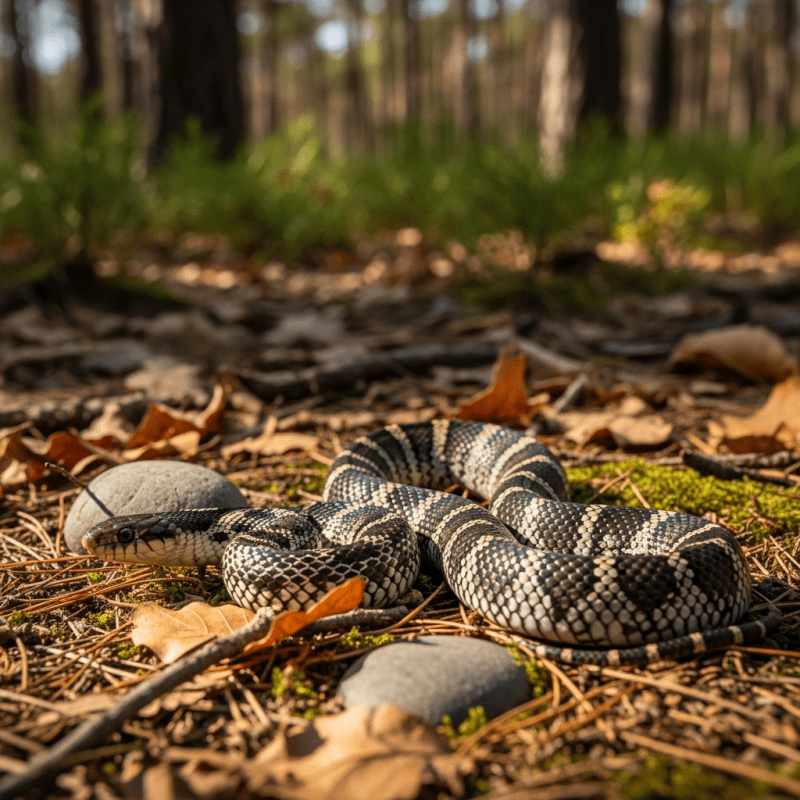
Soft cotton tee, unisex sizes
Buy ShirtThe Common Kingsnake holds a valued place in herpetology and education, often featured in zoological demonstrations to illustrate snake ecology and predatory behavior. Its striking appearance and docile nature have also made it a popular subject in the pet trade and reptile enthusiast communities.
The Common Kingsnake inhabits a broad native range across the United States and northern Mexico. It occupies diverse habitats within this region, adapting well to various environmental conditions. While specific habitat preferences vary, its wide distribution reflects its ecological versatility.

Juvenile Common Kingsnakes grow at a moderate pace, reaching sexual maturity between two and three years of age. They typically live around 15 to 20 years in captivity. Breeding behaviors and clutch sizes vary among subspecies, but captive breeding has successfully produced numerous morphs and variants.
The Common Kingsnake currently lacks a formal conservation status, reflecting its stable populations and adaptability. It faces no major widespread threats and benefits from its resilience and widespread distribution. Continued monitoring ensures that any emerging risks can be addressed promptly.
Humans interact with the Common Kingsnake primarily through the pet trade, where it is prized for its appearance and temperament. It also serves educational and zoological roles in demonstrating snake behavior and ecology. Captive breeding programs support sustainable trade, reducing pressure on wild populations.