Common European Grass Snake
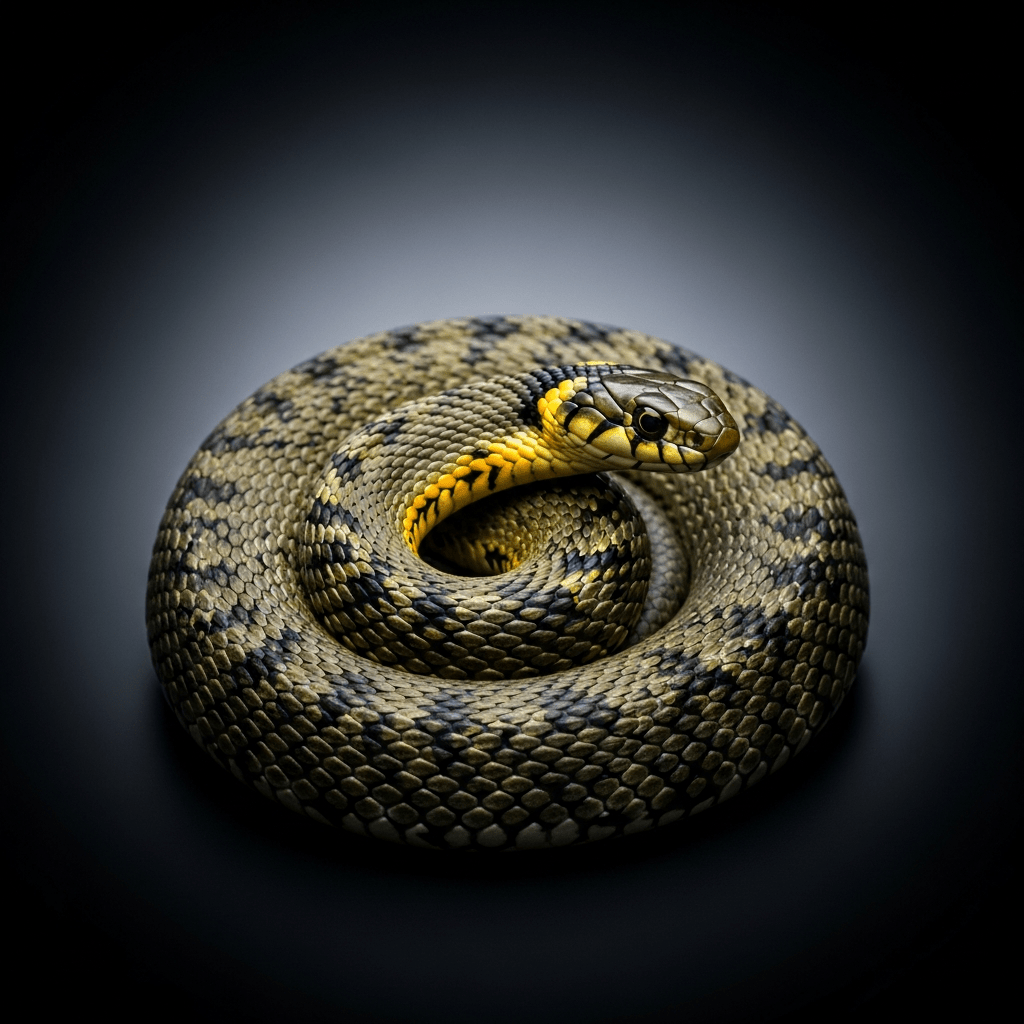
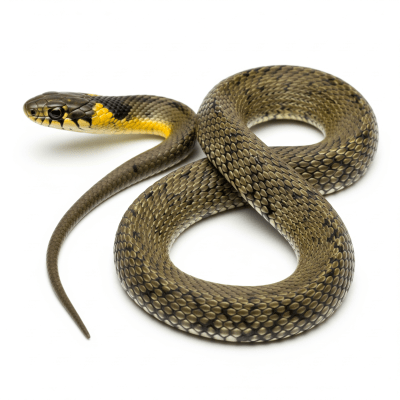
The Common European Grass Snake (Natrix natrix) is a widespread, non-venomous snake native to much of Europe and parts of western Asia, easily recognized by its olive-green coloration and distinctive yellow collar.
The Common European Grass Snake (Natrix natrix) is a widespread, non-venomous snake native to much of Europe and parts of western Asia, easily recognized by its olive-green coloration and distinctive yellow collar.
First described by Carl Linnaeus in 1758, the Common European Grass Snake has a long-established presence across Europe and western Asia. It is a wild species with a broad natural lineage, exhibiting regional variations but no association with specific breeders or institutions.
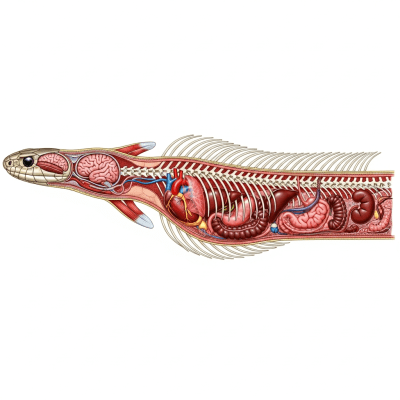
The Common European Grass Snake belongs to the class Reptilia, order Squamata, and family Colubridae. Its genus is Natrix and species natrix, placing it among non-venomous colubrid snakes common in Eurasia.
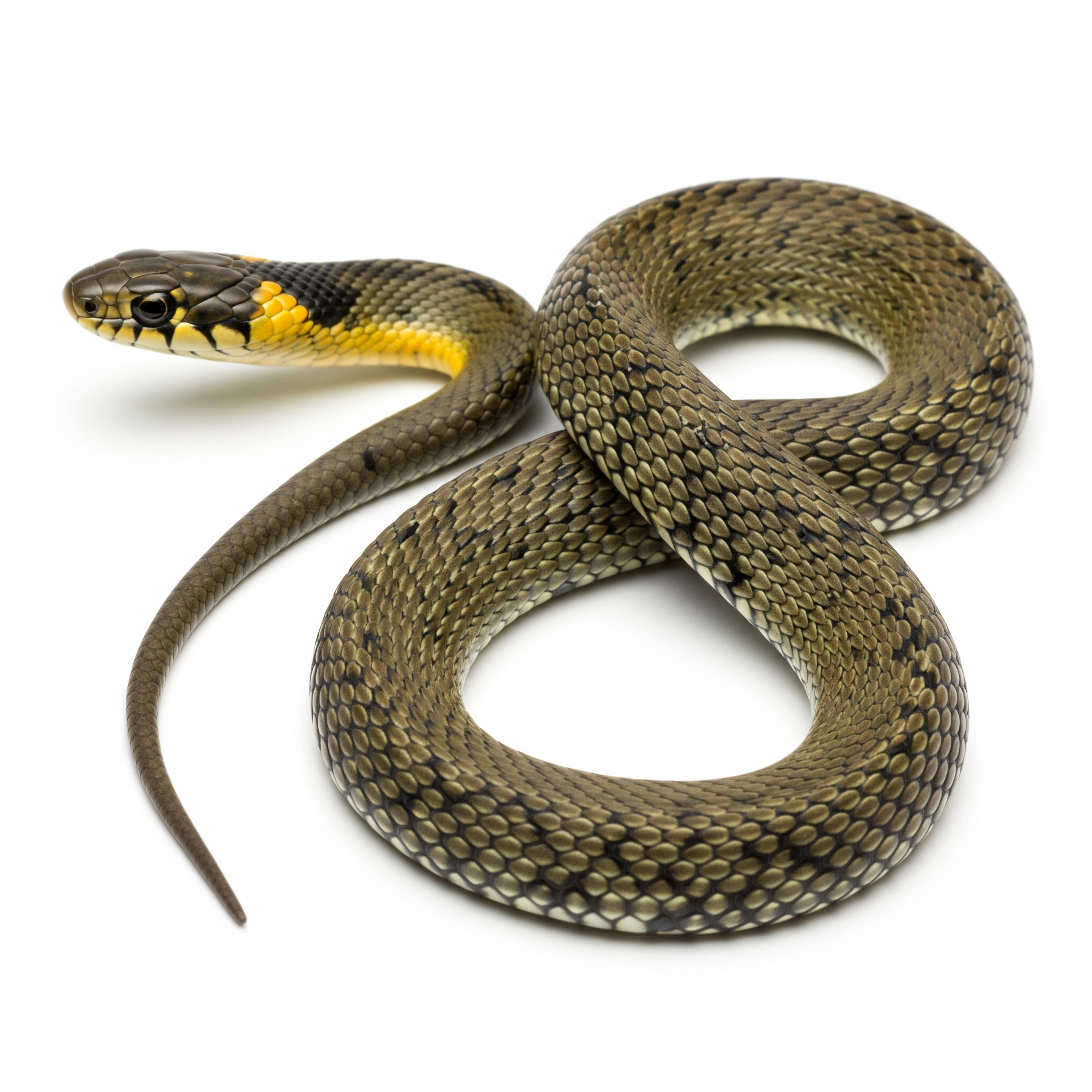
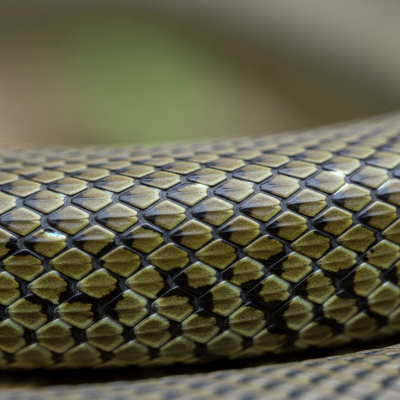
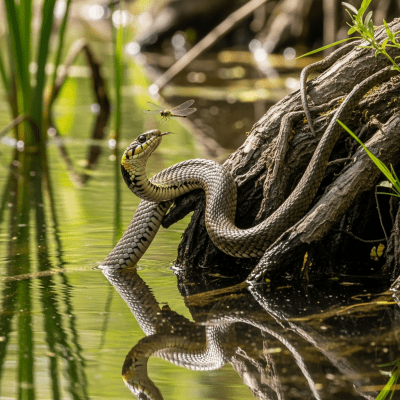
This slender snake typically measures around 70 cm in length, with some individuals exceeding one meter. It features smooth scales and an olive-green to brownish-grey body marked by black spots or bars along the flanks. A striking yellow or white collar bordered by black is prominent behind the head, especially in juveniles and young adults. The ventral side is pale with dark markings, enhancing its distinctive appearance.
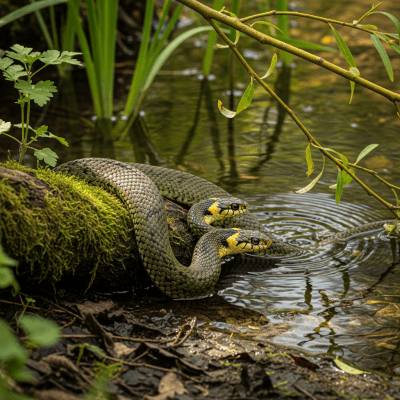
Primarily diurnal, the grass snake is an excellent swimmer often found near aquatic environments. It feeds carnivorously on amphibians and small fish. Non-venomous and shy, it relies on rapid escape and bluffing behaviors such as feigning death to evade predators.
Bring this kind into your world illustrated posters, mugs, and shirts.
Archival print, museum-grade paper
Buy Poster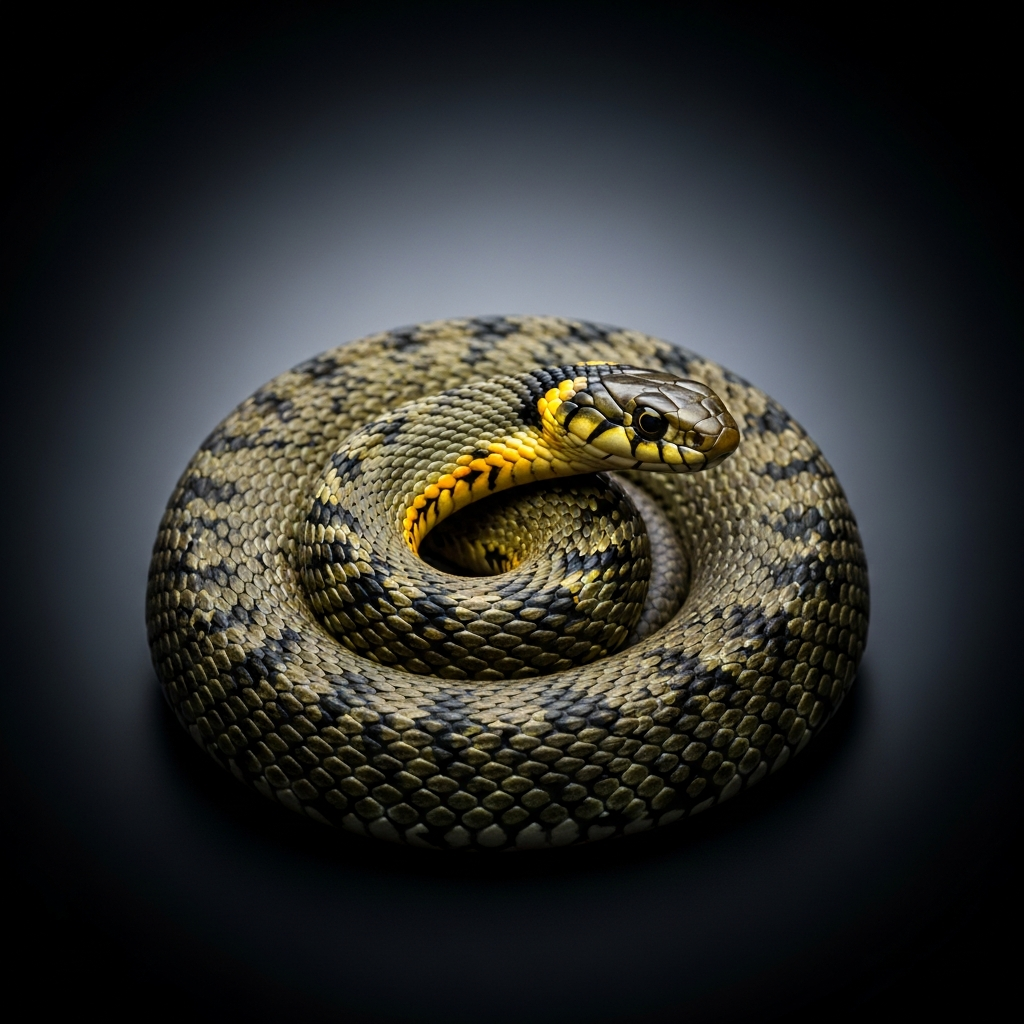
Stoneware mug, dishwasher safe
Buy Mug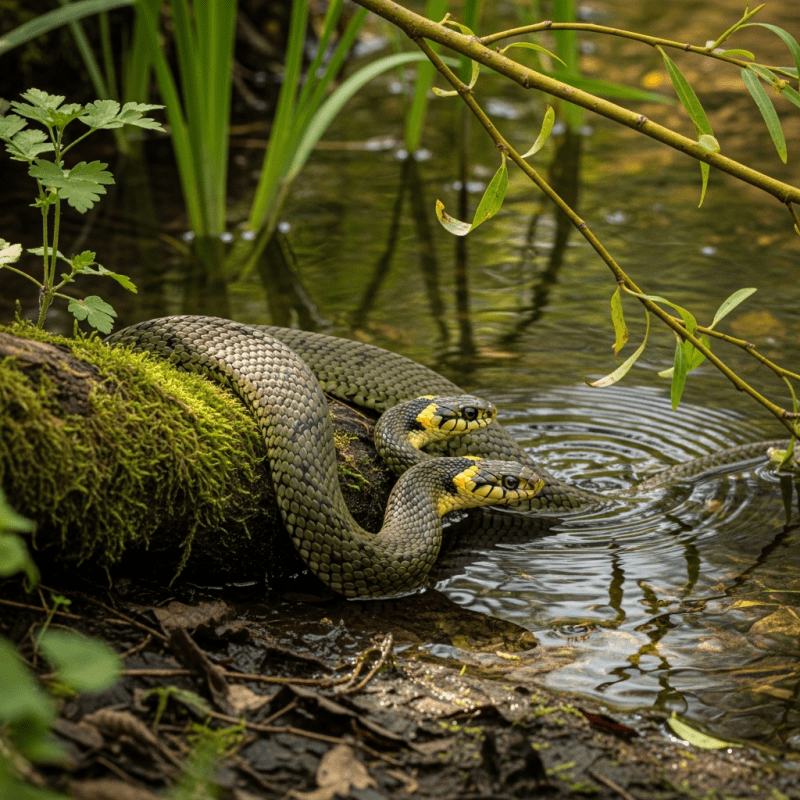
Soft cotton tee, unisex sizes
Buy ShirtThroughout Europe, the grass snake has appeared in folklore and local naming traditions, often symbolizing water or nature’s subtle presence. While not a major figure in widespread myth, its recognizable collar and harmless nature have made it a familiar emblem in regional cultural contexts.
The Common European Grass Snake thrives across much of Europe and parts of western Asia, favoring aquatic habitats such as ponds, lakes, rivers, and wetlands. It is equally comfortable on land and in water, often found basking near water bodies where it hunts and breeds.
This species is oviparous, laying clutches of 8 to 40 eggs in warm, decomposing vegetation or compost heaps that provide essential incubation heat. Juveniles display the characteristic yellow collar prominently. Details on sexual maturity age vary, but like many snakes, they undergo several growth stages before reaching adulthood.
While the Common European Grass Snake currently faces no major conservation threats, habitat loss and pollution can impact local populations. It benefits from legal protections in many countries, reflecting its ecological importance and sensitivity to environmental changes.
Grass snakes generally avoid human contact and are harmless if encountered. They are occasionally kept for educational or research purposes but are not common in the pet trade due to legal protections and habitat needs. Their role in controlling amphibian and small fish populations indirectly supports healthy ecosystems valued by humans.