Origin Story

First described by Carl Linnaeus in 1758, the Common European Adder has a broad natural lineage spanning Europe and Asia. It inhabits wild populations without recognized subspecies or captive-bred lineages in commercial breeding, reflecting a long-established presence across diverse environments.

Classification

The Common European Adder belongs to the class Reptilia, order Squamata, and family Viperidae. Its genus is Vipera and species berus, placing it firmly among the true vipers known for their venomous capabilities.

Appearance or Form

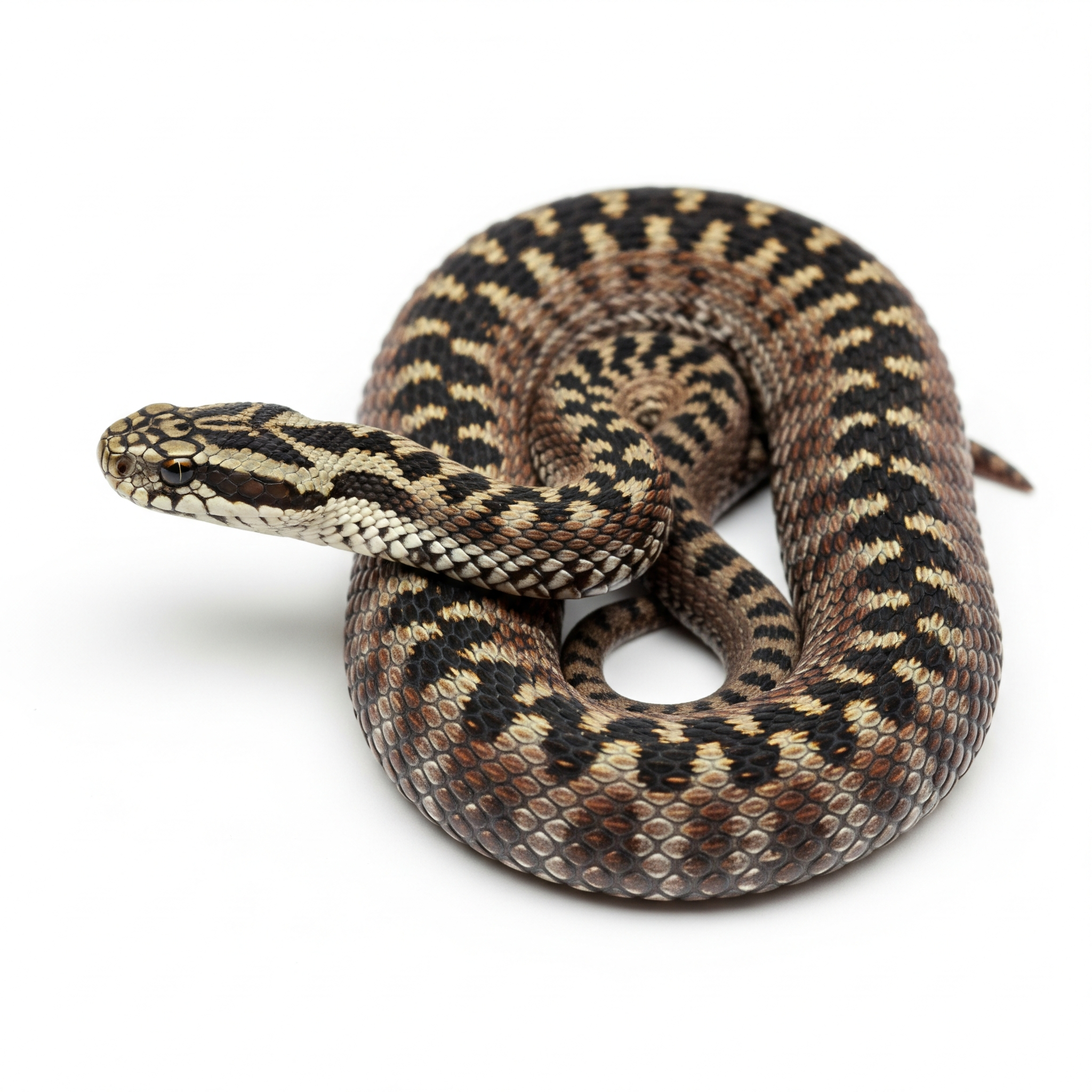
This medium-sized viper typically measures around 60 cm in length, with females generally larger than males. Its coloration ranges from grey to brown, marked by a distinctive dark zigzag pattern along the back, while melanistic all-black individuals are common in some regions. The snake features a broad head distinct from its neck, vertical pupils, and keeled scales that give its skin a textured feel.

Behavior or Usage

The Common European Adder is primarily diurnal and terrestrial, adapting to a variety of habitats including elevations up to 3,000 meters. It preys on small mammals, amphibians, and lizards, using hemotoxic venom to subdue its prey. The species is cold-tolerant, exhibiting seasonal hibernation, and can live up to 15 years in the wild.

Merchandise & Prints

Bring this kind into your world � illustrated posters, mugs, and shirts.

Common European Adder Common European Adder Poster

Common European Adder Poster

Archival print, museum-grade paper

Common European Adder Common European Adder Mug

Common European Adder Mug

Stoneware mug, dishwasher safe

Common European Adder Common European Adder Shirt

Common European Adder Shirt

Soft cotton tee, unisex sizes

Attributes & Insights

Taxon-Specific Insights

🌍Cultural Significance

Known by many regional names such as "Huggorm" in Sweden and "Kyy" in Finland, the Common European Adder holds a place in local folklore and cultural identity across its range. Its striking pattern and venomous nature have inspired myths and cautionary tales, symbolizing both danger and resilience in northern European traditions.

📌Notable Facts

  • It is the only venomous snake found across much of northern and central Europe.
  • Melanistic (all-black) individuals are common in some populations.
  • The species gives birth to live young, a rarity among snakes.
  • Its venom is primarily hemotoxic but rarely fatal to humans.
  • It can be found at elevations up to 3,000 meters, showcasing remarkable cold tolerance.

🌍Habitat And Distribution

The Common European Adder thrives in diverse habitats across much of Europe and parts of Asia, including the United Kingdom and Scandinavia. It occupies a range of ecosystems from lowlands to mountainous regions, tolerating elevations up to 3,000 meters, and adapts well to various terrestrial environments.

Visual Variations

High quality studio photograph of a Common European Adder, belonging to the taxonomy reptiles
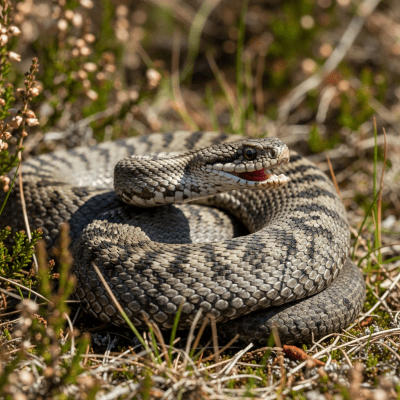
A detailed image of a Common European Adder (reptiles) in its typical natural habitat
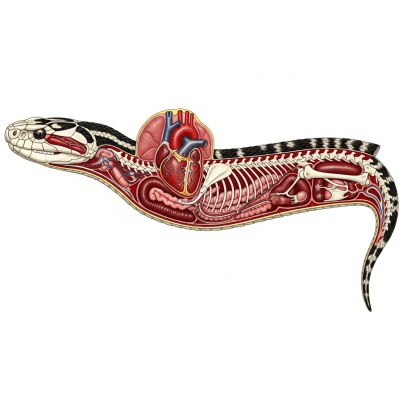
Scientific cross-sectional illustration of a Common European Adder
A close-up macro photograph of the skin or scales of a Common European Adder
A dynamic action shot of a Common European Adder, part of the taxonomy reptiles, in motion such as climbing, swimming, basking, or hunting in its environment

Composition & Context

Taxon-Specific Insights

🦎Reproduction And Lifecycle

This species reaches sexual maturity at an age that varies by region and reproduces through ovoviviparity, giving birth to live young rather than laying eggs. Litters typically range from 3 to 20 offspring. The Common European Adder undergoes seasonal hibernation and can live up to 15 years in the wild.

⚠️Conservation And Threats

Currently, the Common European Adder is not listed under major conservation threat categories and does not appear on CITES appendices. Its wide distribution and adaptability have helped maintain stable populations, though habitat loss and human persecution can pose localized risks.

🤝Interaction With Humans

While not commonly kept as pets or commercially bred, the Common European Adder is occasionally maintained in captivity for research, education, and venom extraction to produce antivenom. Human encounters often lead to fear or avoidance, but bites are rare and typically non-lethal. Conservation efforts focus on habitat protection and public awareness to reduce unnecessary killing.

Faq

Is the Common European Adder dangerous to humans? While venomous, its bite is rarely fatal and typically causes localized pain and swelling.

Where is the Common European Adder found? It inhabits much of Europe and parts of Asia, including the UK and Scandinavia.

Does it lay eggs? No, it is ovoviviparous, meaning it gives birth to live young.