Chinese Water Dragon
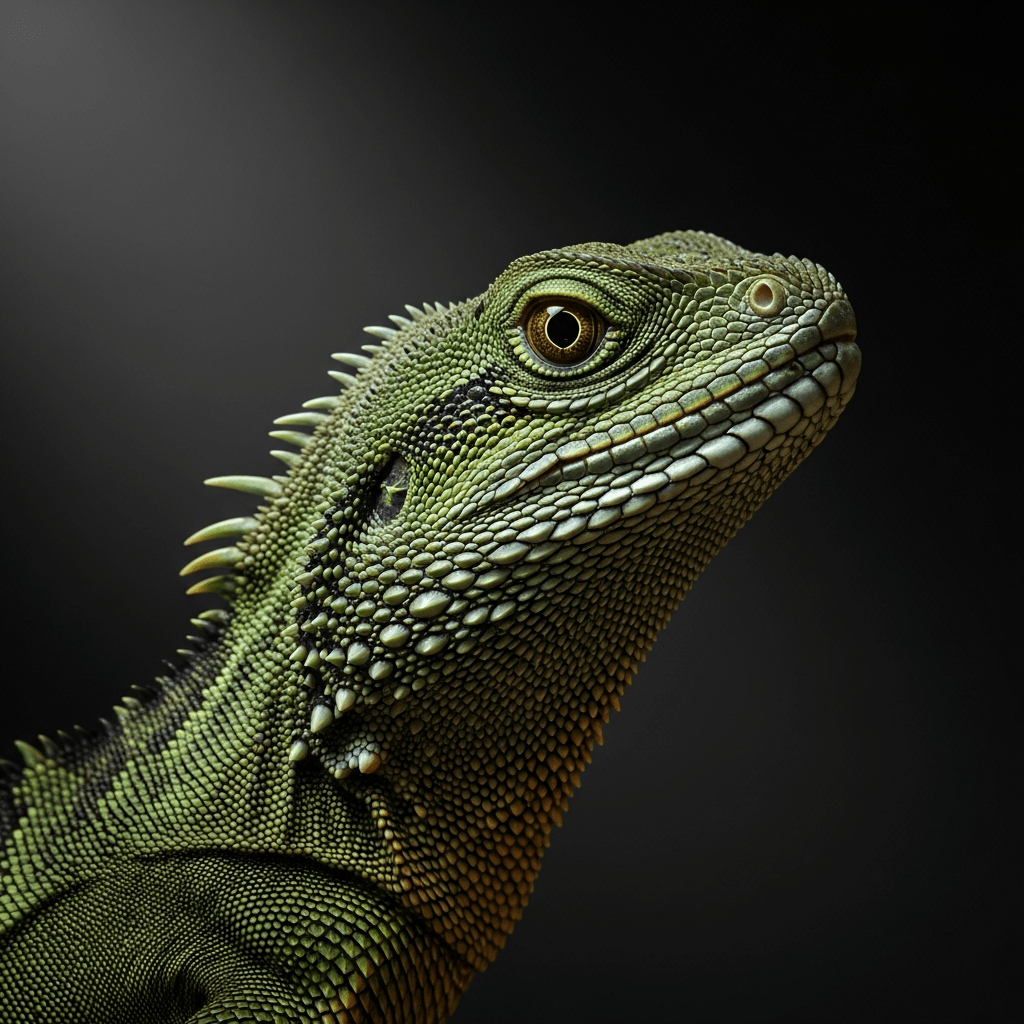
The Chinese Water Dragon (Physignathus cocincinus) is a vibrant, semi-arboreal lizard native to Southeast Asia, known for its striking green coloration and affinity for aquatic environments.
The Chinese Water Dragon (Physignathus cocincinus) is a vibrant, semi-arboreal lizard native to Southeast Asia, known for its striking green coloration and affinity for aquatic environments.
First described by Georges Cuvier in 1829, the Chinese Water Dragon hails from the lush regions of Vietnam, Thailand, and China. Its discovery in the early 19th century marked the introduction of this distinctive species to science, with most captive populations today descending from wild-caught or commercially bred stock within its native range.
Belonging to the class Reptilia, the Chinese Water Dragon is classified within the order Squamata and family Agamidae. Its genus is Physignathus, with the species name cocincinus. This places it among the agamid lizards, a diverse group known for their often vivid appearances and arboreal habits.
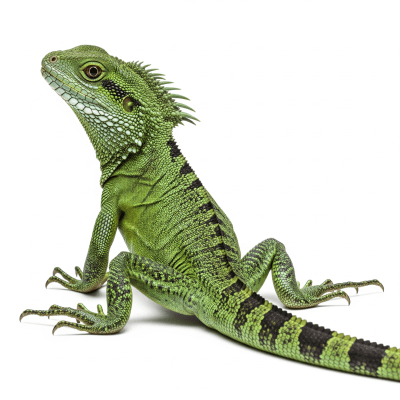
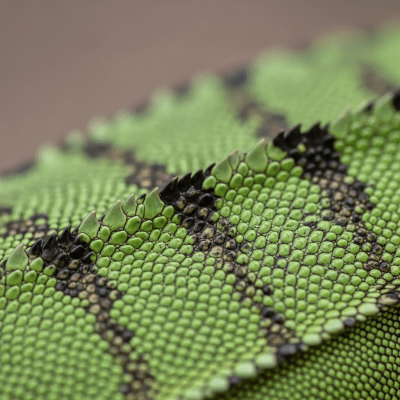
The Chinese Water Dragon typically measures around 70 centimeters in length, with a long tail making up about two-thirds of its total size. It boasts bright green dorsal scales contrasted by lighter green or yellow underparts, accented by occasional turquoise or orange highlights on the throat and flanks. Juveniles are paler and may display faint stripes. Notable physical features include a prominent nuchal crest, robust limbs, and elongated digits perfectly adapted for climbing.
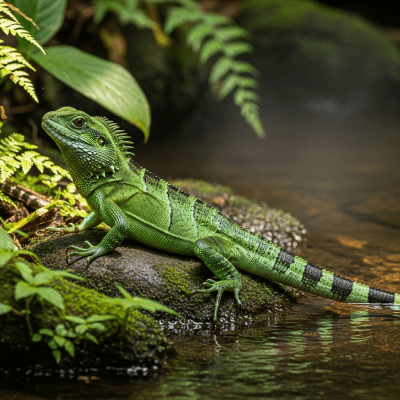
This diurnal lizard is both semi-arboreal and aquatic, spending much of its time climbing vegetation near water sources and swimming when threatened or hunting. Its diet is omnivorous, feeding on insects, small vertebrates, and plant matter. Rapid growth allows individuals to reach sexual maturity within one to two years. The Chinese Water Dragon thrives in environments with high humidity and requires vertical space to climb, reflecting its natural habitat preferences.
Bring this kind into your world illustrated posters, mugs, and shirts.
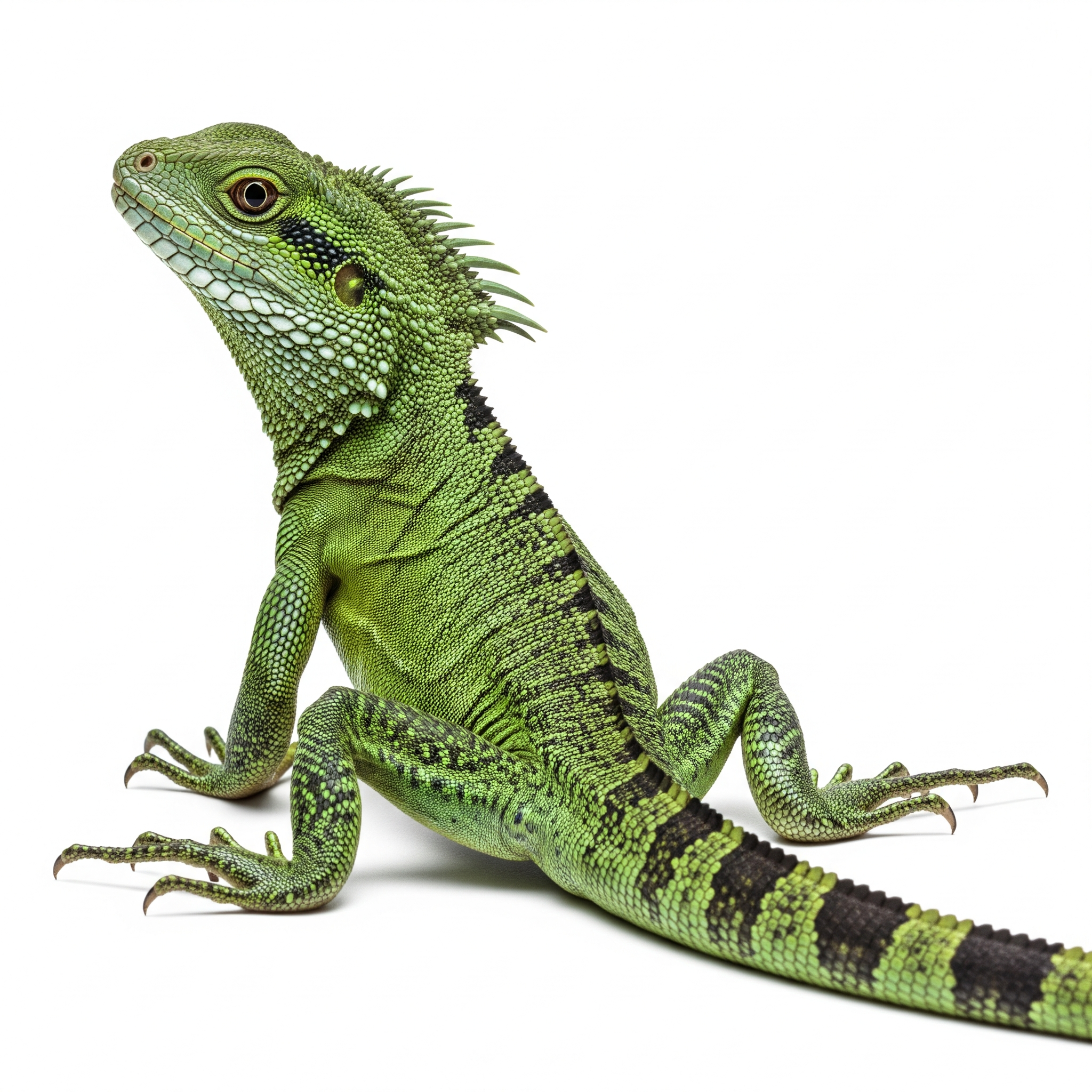
Archival print, museum-grade paper
Buy Poster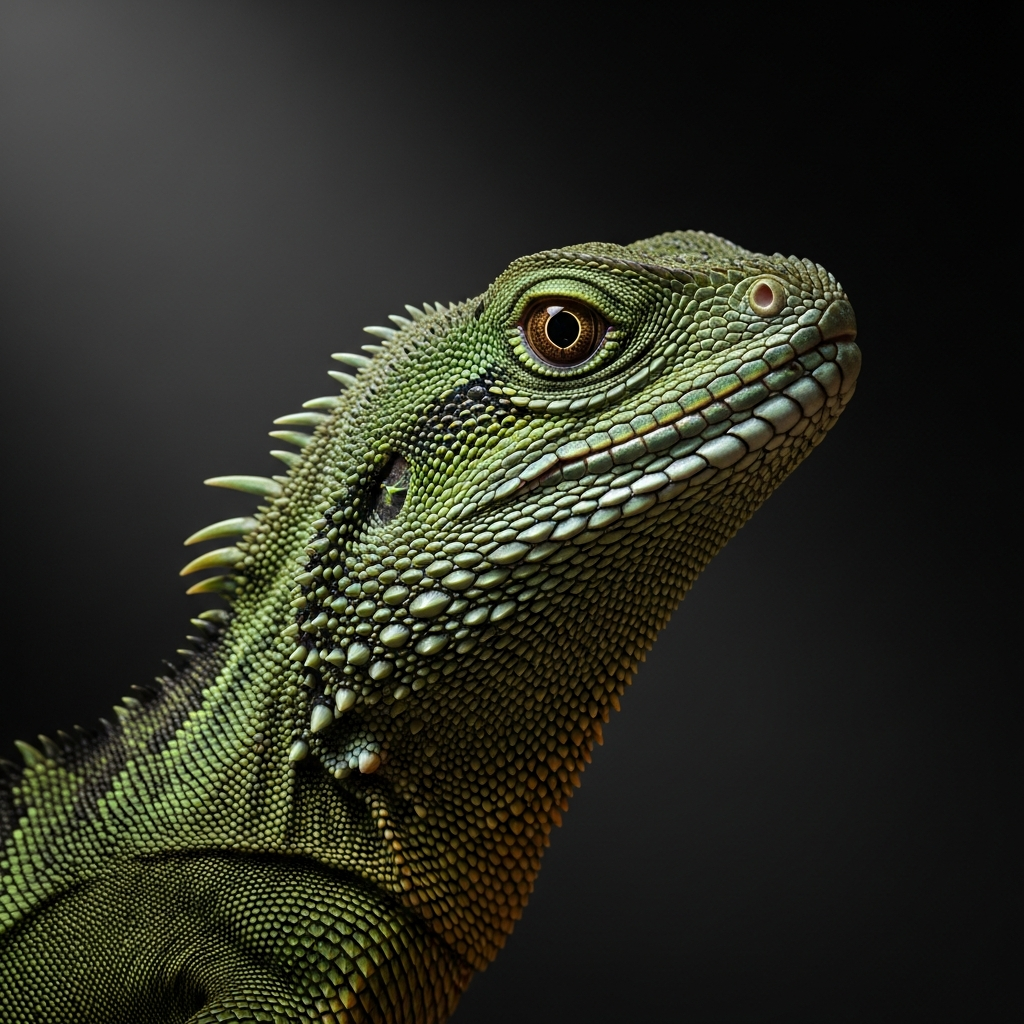
Stoneware mug, dishwasher safe
Buy Mug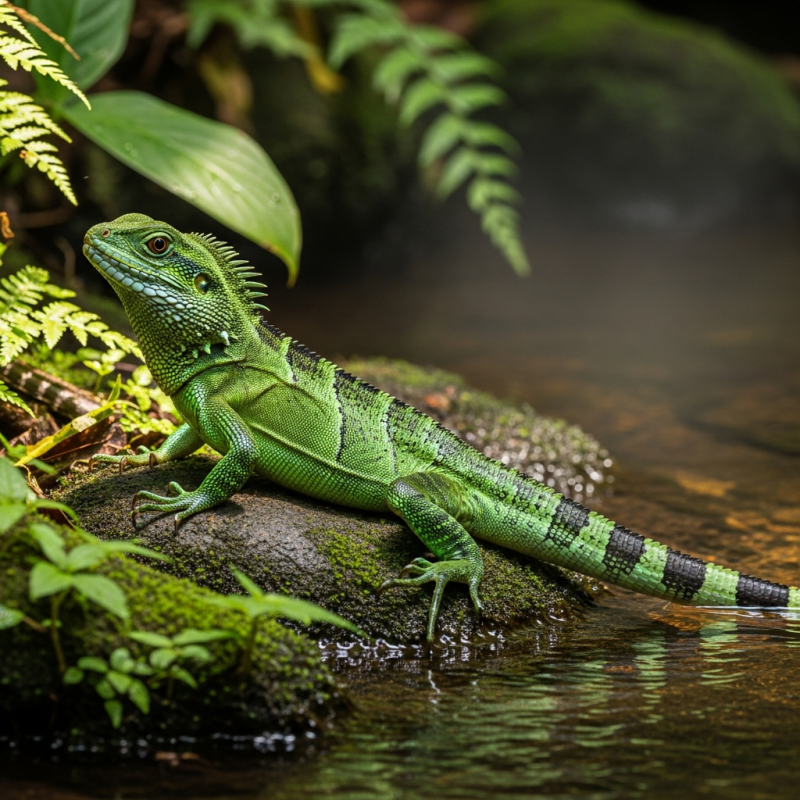
Soft cotton tee, unisex sizes
Buy ShirtWhile the Chinese Water Dragon does not hold a prominent place in traditional mythology or culinary practices, it has gained cultural significance through its popularity in the exotic pet trade. Its striking appearance and docile nature have made it a favored species for reptile enthusiasts worldwide, often featured in terrarium displays and reptile exhibitions.
Native to the humid, tropical forests of Southeast Asia—specifically Vietnam, Thailand, and China—the Chinese Water Dragon inhabits semi-arboreal and aquatic environments. It favors areas with abundant vegetation near streams or rivers, requiring both high humidity and vertical structures for climbing and shelter.
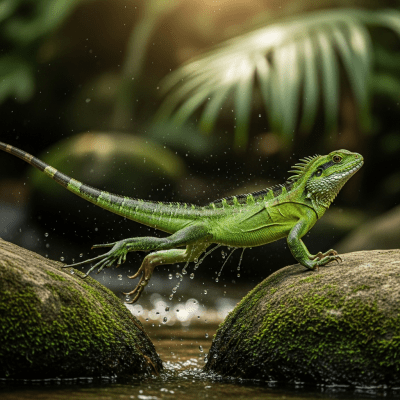
Chinese Water Dragons reach sexual maturity between one and two years of age. They exhibit rapid growth under optimal conditions. While detailed breeding behaviors are not extensively documented, captive breeding is common and successful in the pet trade. Lifespan averages around 12 years, with individuals progressing from paler, striped juveniles to vividly colored adults.
Currently, there is no formal conservation status assigned to the Chinese Water Dragon. However, wild populations face pressures from habitat loss and collection for the pet trade. Sustainable captive breeding programs help alleviate some demand on wild stocks, but habitat preservation remains crucial for their long-term survival.
The Chinese Water Dragon is highly valued in the exotic pet market due to its striking appearance and manageable care requirements. Commercial breeding operations in Southeast Asia supply much of the global demand. While not used culinarily or medicinally, its presence in captivity has increased awareness of reptile care and conservation. Responsible husbandry is essential to prevent health issues common in captivity, such as metabolic bone disease and respiratory infections.