Origin Story

First described by Carl Linnaeus in 1758, the Common Boa Constrictor is a naturally occurring wild species with a broad native range across the Americas. Its lineage in captivity varies depending on breeders and localities, but wild populations are free from hybridization or artificial selection.

Classification

The Common Boa Constrictor belongs to the family Boidae within the order Squamata, class Reptilia. Its scientific name is Boa constrictor, with several recognized subspecies such as Boa constrictor imperator and Boa constrictor occidentalis. It is part of the kingdom Animalia and phylum Chordata, fitting squarely among the large, non-venomous constricting snakes.

Appearance or Form

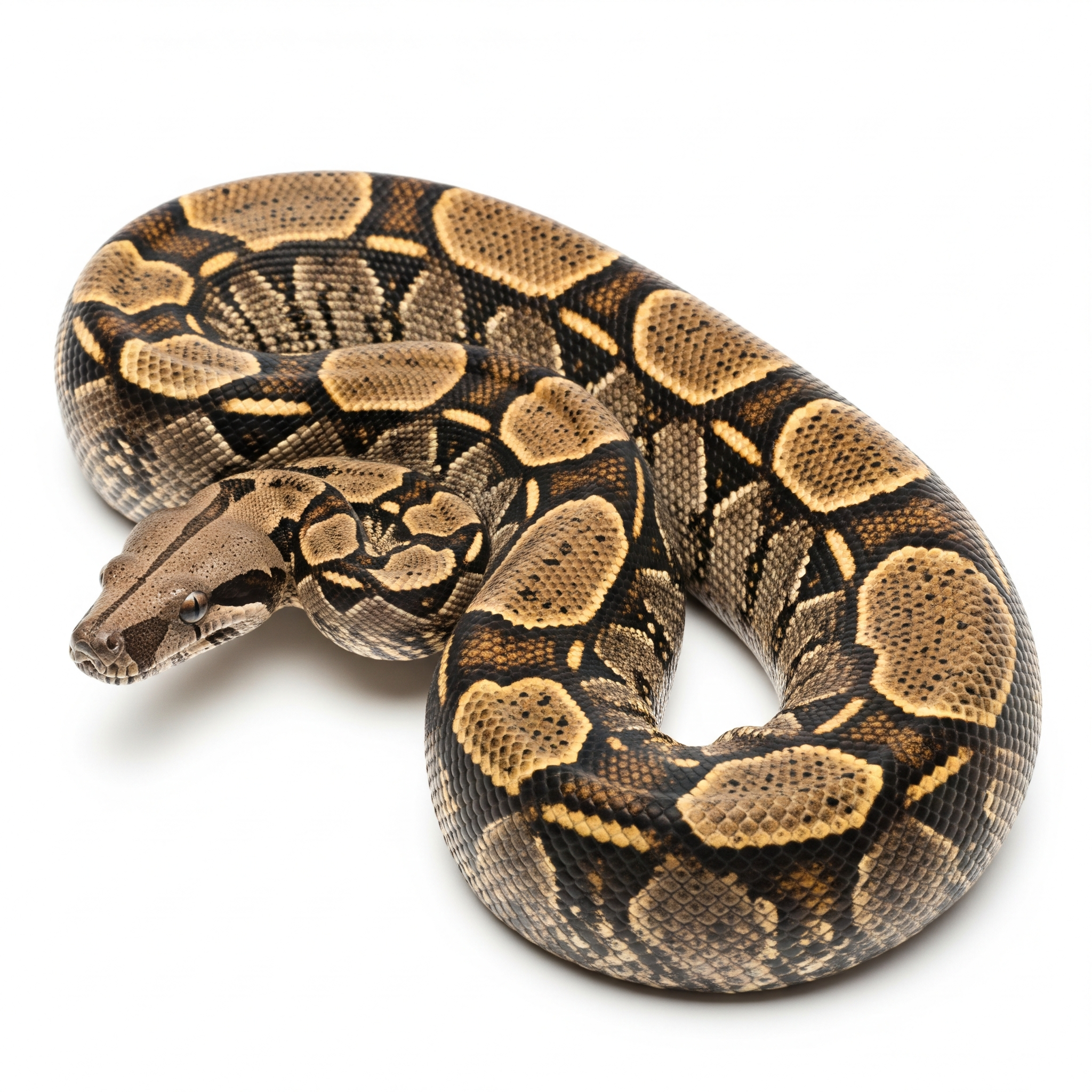
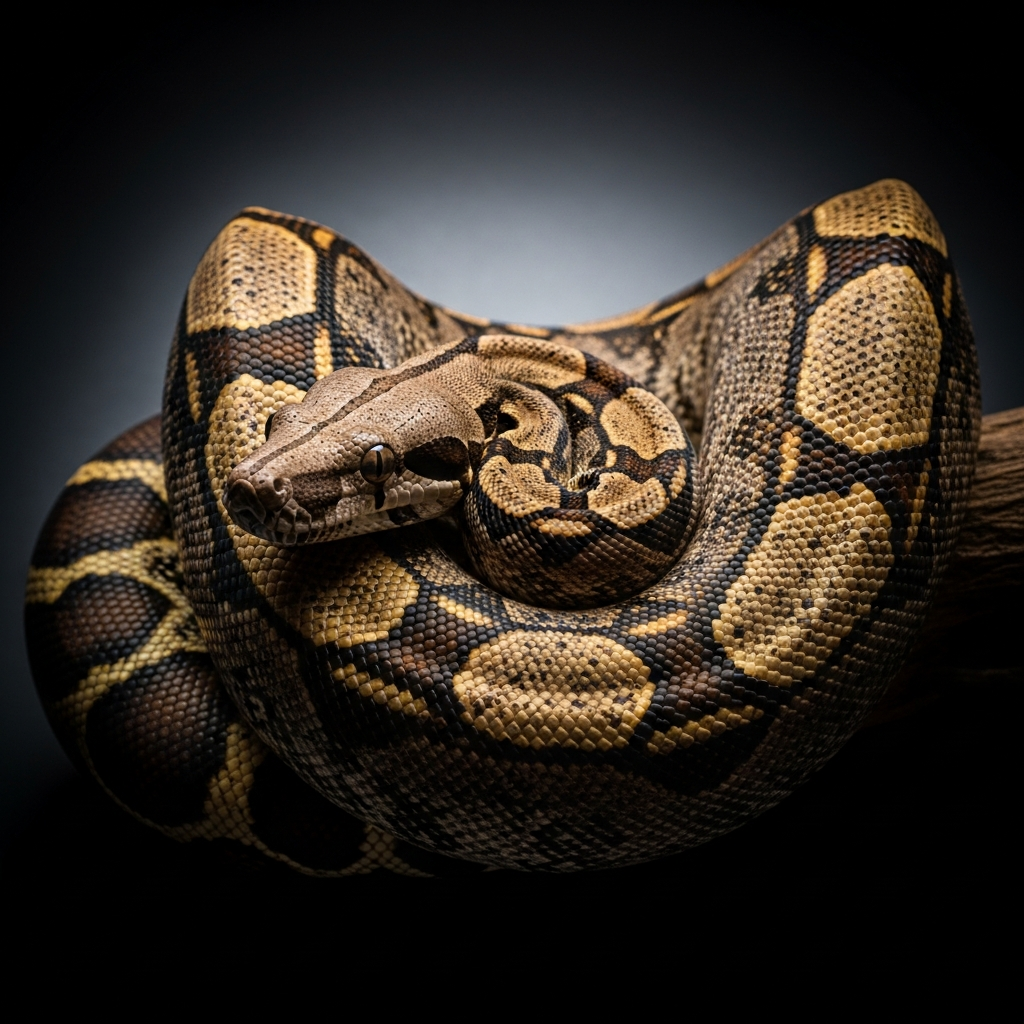
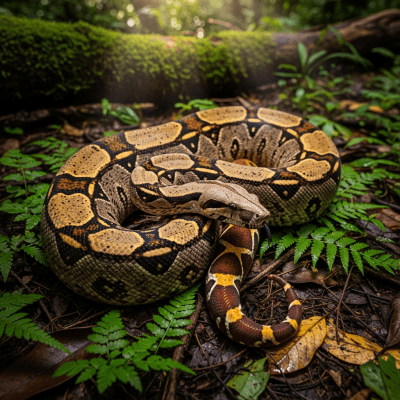
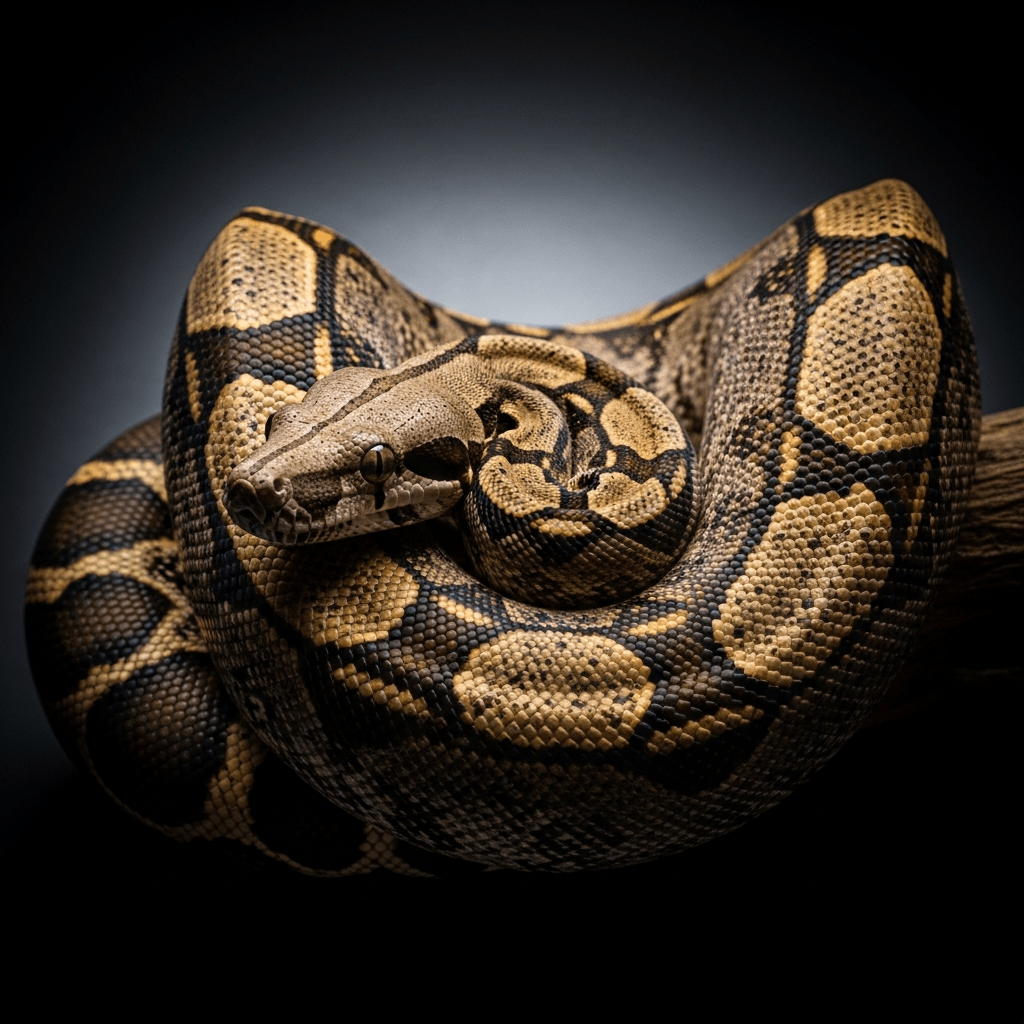
This snake is muscular and heavy-bodied, typically reaching lengths up to 4 meters. Its coloration varies by subspecies and locality, generally featuring a background of brown, gray, or cream adorned with darker, saddle-shaped markings along its back and sides. The head is distinctively shaped with a pronounced jaw and heat-sensing pits that assist in detecting prey.

Behavior or Usage

The Common Boa Constrictor is a carnivorous predator that relies on constriction to subdue its prey. Juveniles grow rapidly during their first years, slowing as they mature. They are tolerant of a wide range of habitats and climates but are sensitive to extreme cold. In captivity, they can be susceptible to respiratory infections, while in the wild, juveniles face predation from birds and mammals.

Merchandise & Prints

Bring this kind into your world � illustrated posters, mugs, and shirts.

Common Boa Constrictor Common Boa Constrictor Poster

Common Boa Constrictor Poster

Archival print, museum-grade paper

Common Boa Constrictor Common Boa Constrictor Mug

Common Boa Constrictor Mug

Stoneware mug, dishwasher safe

Common Boa Constrictor Common Boa Constrictor Shirt

Common Boa Constrictor Shirt

Soft cotton tee, unisex sizes

Attributes & Insights

Taxon-Specific Insights

🌍Cultural Significance

Throughout its range, the Common Boa Constrictor holds cultural importance, appearing in indigenous rituals and traditional medicine, though documentation is limited. Its striking appearance and formidable presence have also made it a symbol in various local folklore and art forms.

📌Notable Facts

  • The Common Boa Constrictor gives birth to live young rather than laying eggs, a rare trait among snakes.
  • It can grow up to 4 meters long, with some individuals exceeding this length.
  • Its heat-sensing pits enable it to detect warm-blooded prey even in darkness.
  • Despite its size and strength, juveniles are vulnerable to predation by birds and mammals.
  • It is a popular species in the pet trade due to its manageable temperament and striking patterns.

🌍Habitat And Distribution

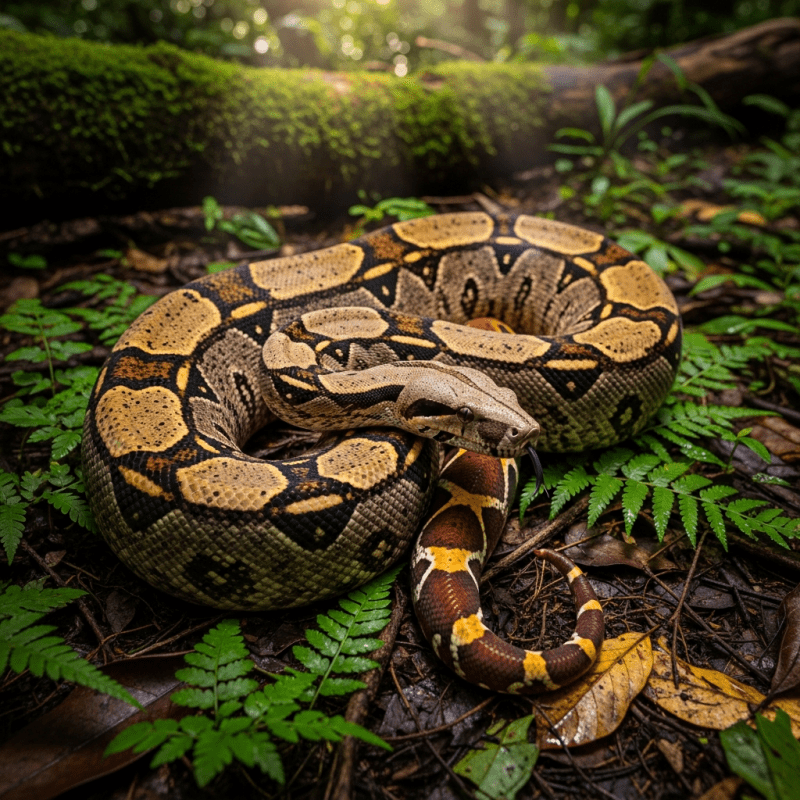
The Common Boa Constrictor is native to a wide range across the Americas, inhabiting diverse environments from tropical rainforests to arid regions. It thrives in various habitats, demonstrating adaptability to different climates and ecological zones throughout its extensive range.

Visual Variations

High quality studio photograph of a Common Boa Constrictor, belonging to the taxonomy reptiles
A detailed image of a Common Boa Constrictor (reptiles) in its typical natural habitat
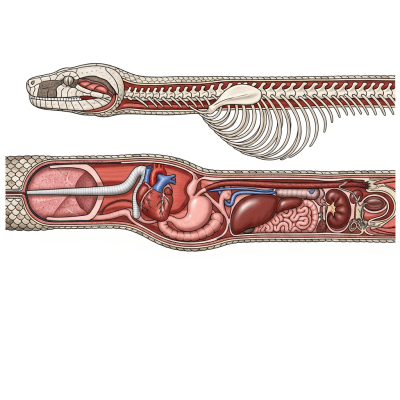
Scientific cross-sectional illustration of a Common Boa Constrictor
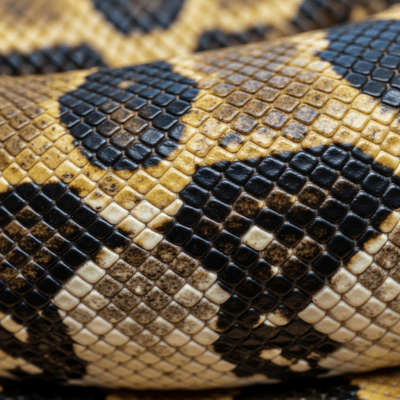
A close-up macro photograph of the skin or scales of a Common Boa Constrictor
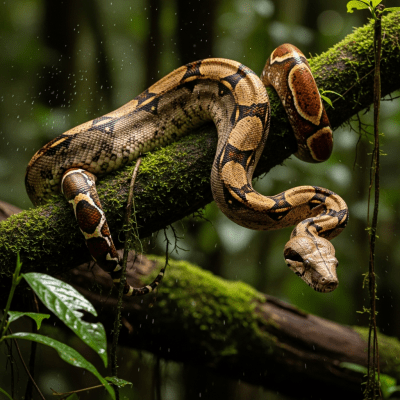
A dynamic action shot of a Common Boa Constrictor, part of the taxonomy reptiles, in motion such as climbing, swimming, basking, or hunting in its environment

Composition & Context

Taxon-Specific Insights

🦎Reproduction And Lifecycle

This species reaches sexual maturity at varying ages depending on environmental factors. It is ovoviviparous, meaning females give birth to live young rather than laying eggs. Juveniles experience rapid growth during their early years before slowing as they mature, with an average lifespan of around 25 years.

⚠️Conservation And Threats

The Common Boa Constrictor currently lacks a formal IUCN conservation status, but it faces threats from habitat loss and the pet trade. Trade in its skin for leather goods is regulated, and conservation efforts focus on habitat preservation and sustainable management of wild populations.

🤝Interaction With Humans

Humans interact with the Common Boa Constrictor primarily through the pet trade, where it is prized for its size and striking appearance. Its skin is occasionally used for leather products under regulated trade. While not commonly consumed, some local communities may use it for food or traditional purposes. Captive care requires attention to prevent respiratory illnesses, and wild populations can be impacted by habitat encroachment.

Faq

Is the Common Boa Constrictor venomous? No, it subdues prey by constriction rather than venom.
How long do they live? They typically live around 20 to 30 years in the wild, with captive individuals sometimes reaching over 40 years.
Do they lay eggs? No, they are ovoviviparous and give birth to live young.