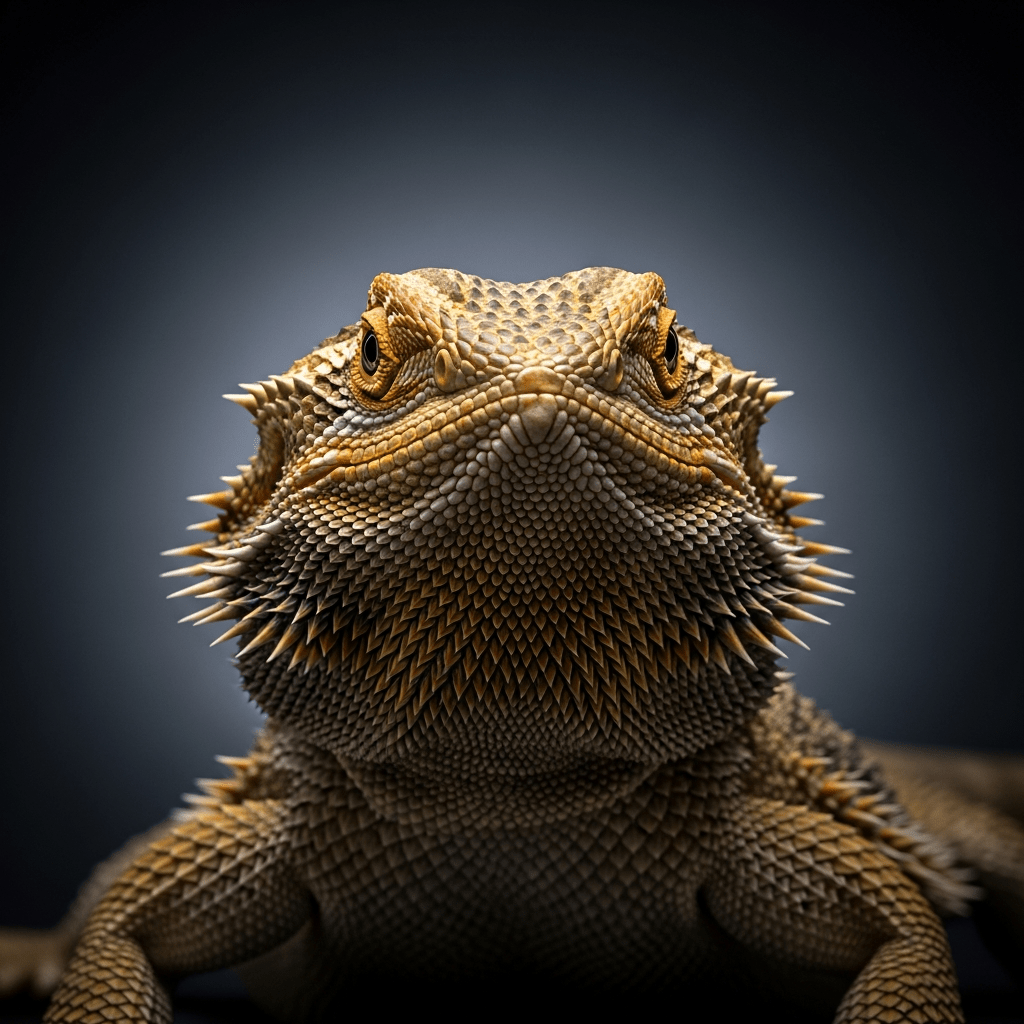
Origin Story

Pogona vitticeps was first scientifically described by Ernst Ahl in 1926. It originates from the arid and semi-arid inland regions of eastern and central Australia. Early captive populations were established from wild-caught individuals exported before Australia imposed wildlife export restrictions in the mid-20th century. Today, all pet trade specimens are captive bred, with breeders developing a variety of color morphs and lineages.

Classification

The Bearded Dragon belongs to the class Reptilia within the order Squamata, family Agamidae. Its genus is Pogona, with the species name vitticeps. It is closely related to other agamid lizards native to Australia, sharing traits common to this diverse group of terrestrial reptiles.

Appearance or Form

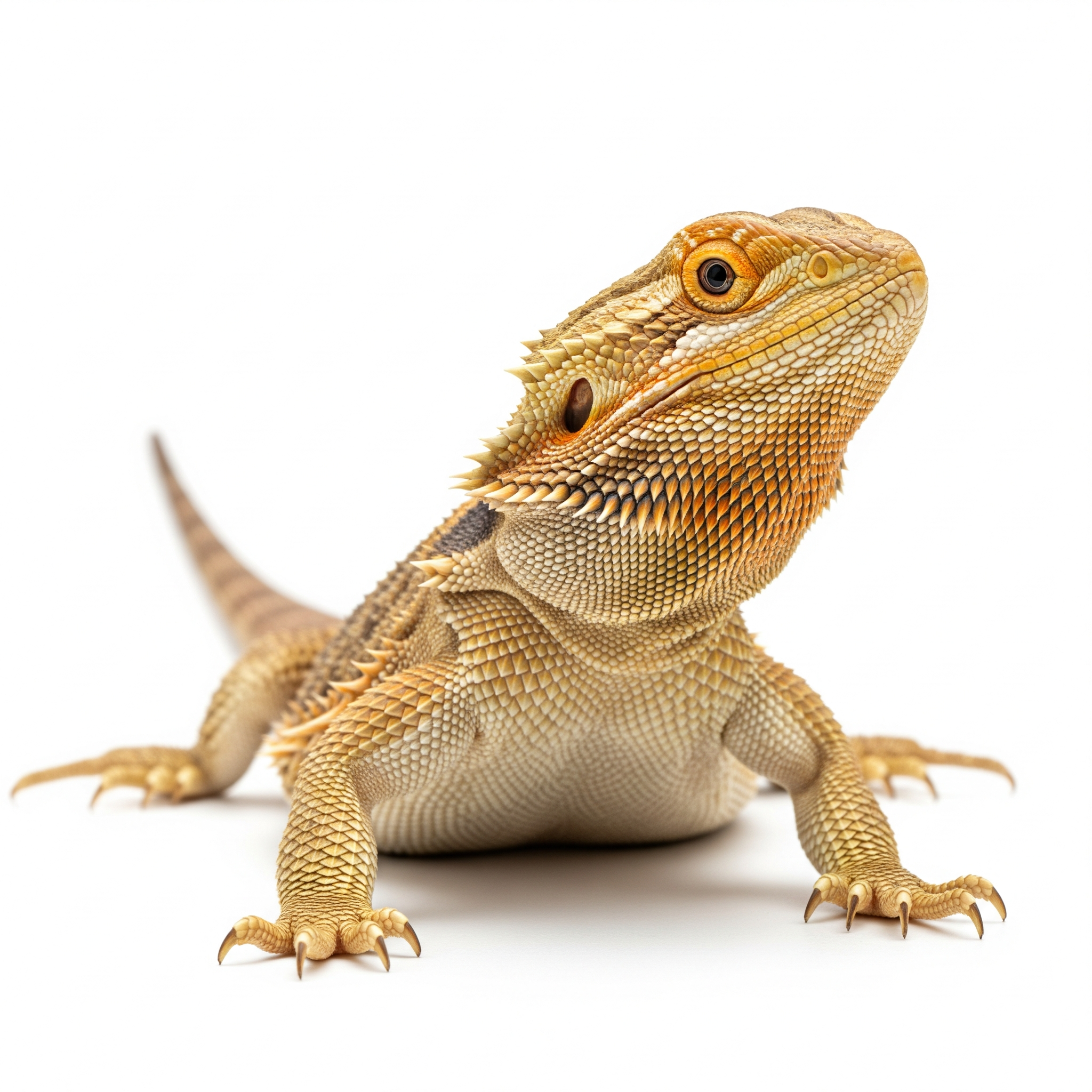
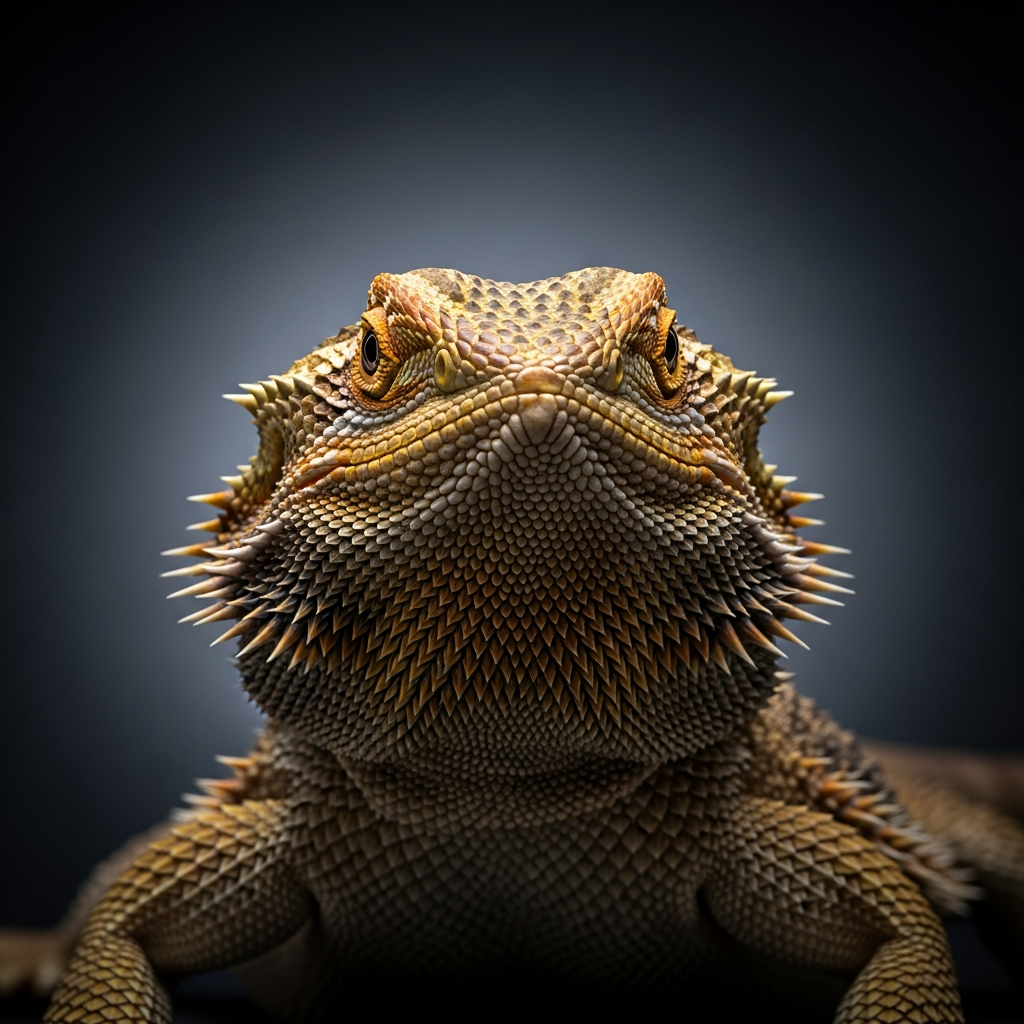
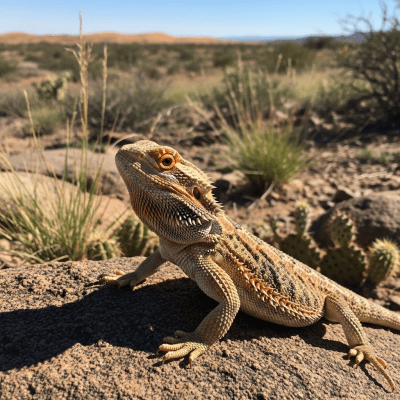
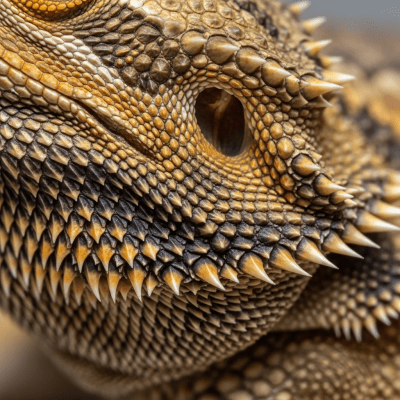
Bearded Dragons have a robust, flattened body and a broad, triangular head adorned with spiny scales that form an expandable "beard" beneath the throat, which darkens during displays. Adults typically measure around 40 cm in length, with males generally larger than females. Their coloration varies from tan and yellow to orange and reddish hues, enhanced by selective breeding to produce morphs such as Citrus, Red, Leatherback, and Hypo.

Behavior or Usage

This species is diurnal and terrestrial, often seen basking to regulate its body temperature. Bearded Dragons are omnivorous, feeding on insects, small vertebrates, fruits, and vegetation. Juveniles grow rapidly, reaching maturity within one to two years. They are hardy reptiles, well adapted to arid environments but require proper UVB lighting and calcium intake in captivity to prevent metabolic bone disease.

Merchandise & Prints

Bring this kind into your world � illustrated posters, mugs, and shirts.

Bearded Dragon Bearded Dragon Poster

Bearded Dragon Poster

Archival print, museum-grade paper

Bearded Dragon Bearded Dragon Mug

Bearded Dragon Mug

Stoneware mug, dishwasher safe

Bearded Dragon Bearded Dragon Shirt

Bearded Dragon Shirt

Soft cotton tee, unisex sizes

Attributes & Insights

Taxon-Specific Insights

🌍Cultural Significance

Bearded Dragons have gained widespread popularity as companion animals due to their docile nature and ease of care. They frequently appear in educational programs and herpetoculture demonstrations, fostering public interest in reptiles. Occasionally, they are featured in zoological exhibits, contributing to awareness and appreciation of Australian reptile fauna.

📌Notable Facts

  • The "beard" can darken and expand as a defensive or social display.
  • Selective breeding has produced numerous vibrant color morphs prized by reptile enthusiasts.
  • They are among the few reptiles that tolerate a range of temperature fluctuations in arid habitats.
  • Bearded Dragons can live up to 10–12 years in captivity with proper care.
  • Wild-caught trade is now banned; all pets come from captive breeding programs.

🌍Habitat And Distribution

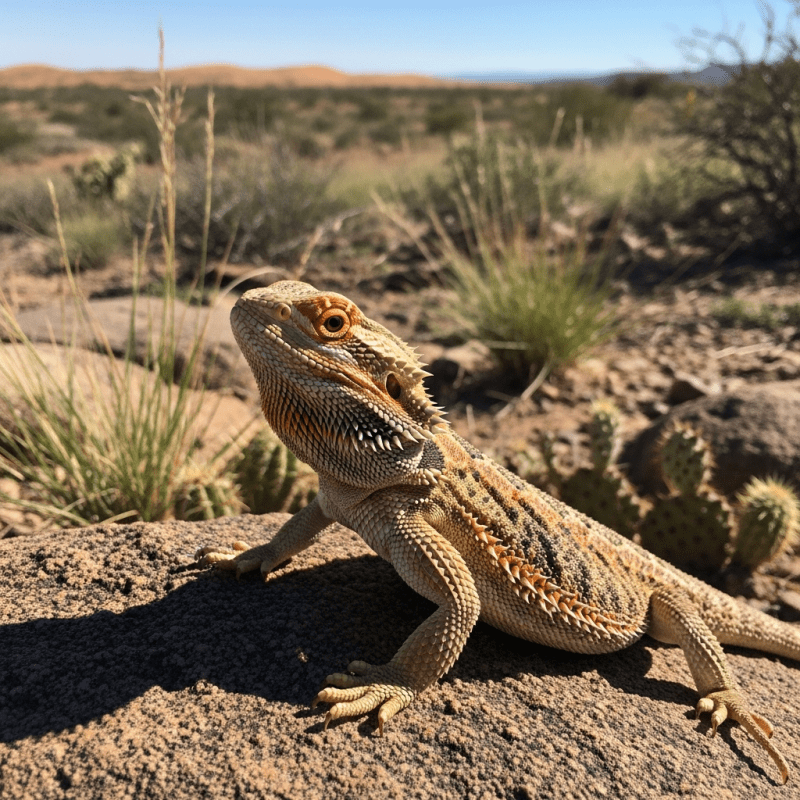
Native to the arid and semi-arid regions of central Australia, especially inland eastern and central areas, Bearded Dragons inhabit dry woodlands, scrublands, and deserts. They thrive in terrestrial environments where they bask in sunlight and seek shelter among rocks and sparse vegetation.

Visual Variations

High quality studio photograph of a Bearded Dragon, belonging to the taxonomy reptiles
A detailed image of a Bearded Dragon (reptiles) in its typical natural habitat
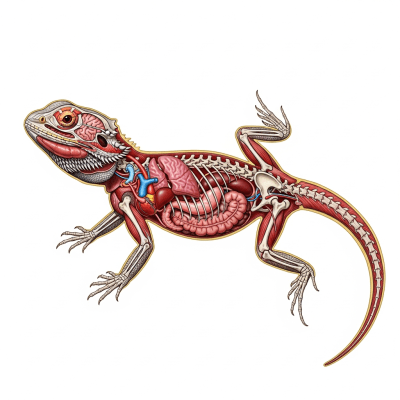
Scientific cross-sectional illustration of a Bearded Dragon
A close-up macro photograph of the skin or scales of a Bearded Dragon
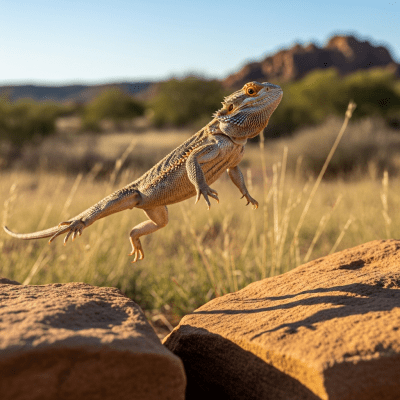
A dynamic action shot of a Bearded Dragon, part of the taxonomy reptiles, in motion such as climbing, swimming, basking, or hunting in its environment

Composition & Context

Taxon-Specific Insights

🦎Reproduction And Lifecycle

Bearded Dragons reach sexual maturity within one to two years. While specific reproductive details vary, they lay clutches of eggs in sandy soil. Juveniles grow rapidly, developing adult coloration and size over the first few years. Lifespan in captivity averages around 10 years, with proper husbandry extending longevity.

⚠️Conservation And Threats

Currently, the Bearded Dragon is not listed as threatened or endangered. Wild populations remain stable in their native range. However, habitat degradation and illegal collection could pose risks if not monitored. Conservation efforts focus on protecting natural habitats and enforcing trade restrictions to ensure sustainable populations.

🤝Interaction With Humans

Bearded Dragons have a significant role in the pet trade, prized for their approachable nature and ease of care. They are bred commercially worldwide, with no current culinary use. Their presence in education and zoological exhibits helps bridge understanding between humans and reptiles, promoting conservation awareness and responsible pet ownership.

Faq

Q: Are Bearded Dragons good pets for beginners?
A: Yes, their calm temperament and manageable care make them ideal for novice reptile keepers.

Q: What do Bearded Dragons eat?
A: They are omnivores, eating insects, small animals, fruits, and plants.

Q: How long do Bearded Dragons live?
A: Typically 8 to 12 years in captivity with proper care.