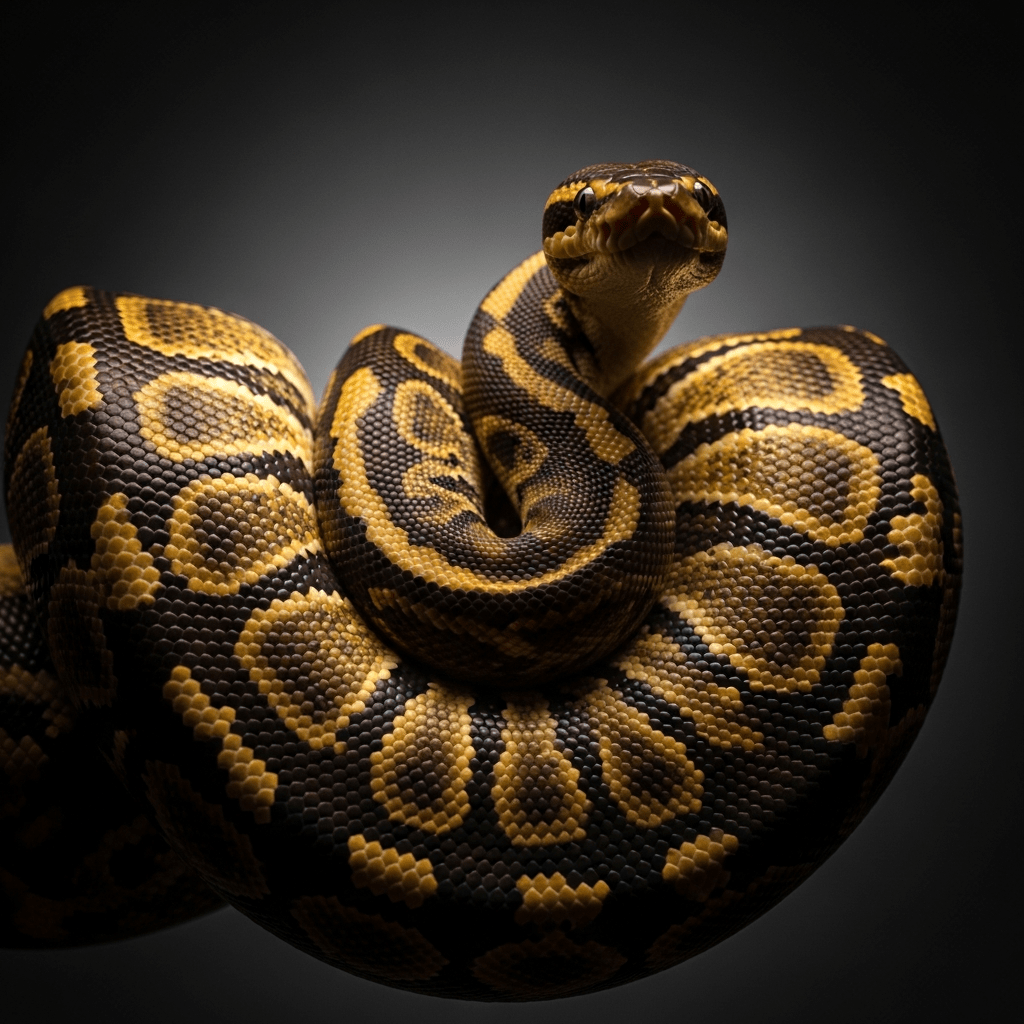
Ball Python
The Ball Python (Python regius) is a medium-sized, nonvenomous snake native to West and Central Africa, celebrated for its gentle nature and distinctive habit of curling into a tight ball when threatened.
The Ball Python (Python regius) is a medium-sized, nonvenomous snake native to West and Central Africa, celebrated for its gentle nature and distinctive habit of curling into a tight ball when threatened.
First described by George Shaw in 1802, the Ball Python originates from a broad range across West and Central Africa, including countries such as Ghana, Togo, Benin, Nigeria, Cameroon, and Senegal. Wild populations thrive in terrestrial habitats where they seek shelter in burrows or under debris. In captivity, the species has been extensively bred, particularly in the United States and Europe, producing a wide variety of color and pattern morphs.
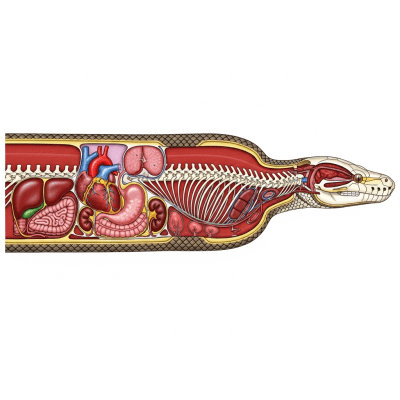
The Ball Python belongs to the class Reptilia, order Squamata, and family Pythonidae. Its scientific name is Python regius, placing it within the genus Python. This classification situates it among nonvenomous constrictor snakes known for their muscular bodies and method of subduing prey.
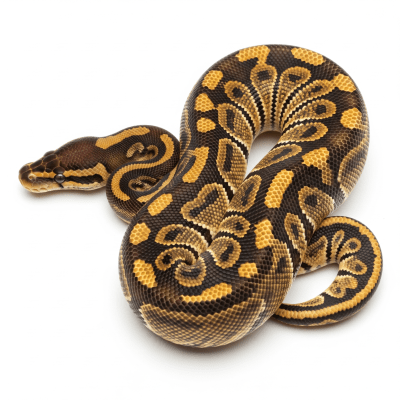
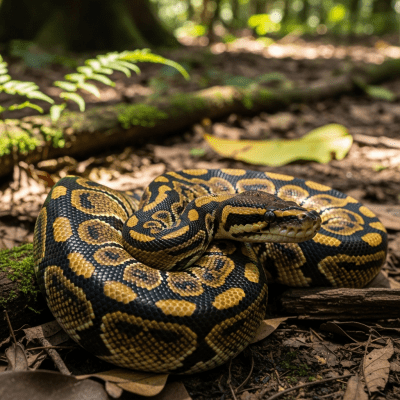
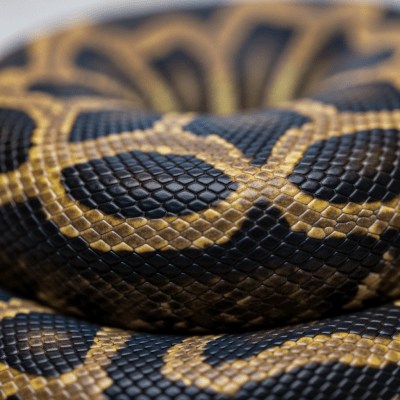
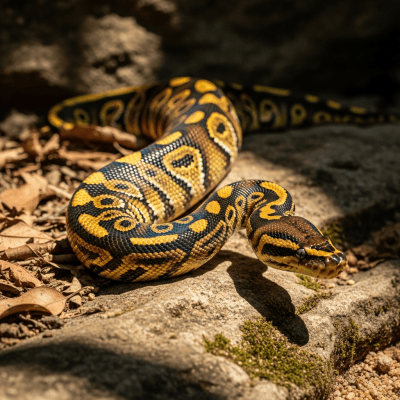
Ball Pythons possess a robust, muscular body covered in smooth scales, with adults typically measuring around 90 centimeters in length and weighing approximately 1.2 kilograms. Females tend to be larger than males. Their wild-type coloration features a dark brown to black background adorned with gold, tan, or light brown blotches, while the ventral side is cream to white. Captive breeding has introduced numerous morphs, including albino, piebald, pastel, and spider variants, each showcasing unique patterns and vibrant colors. A defining characteristic is their short, blunt head and their signature defensive behavior of curling into a tight ball.
Primarily nocturnal and terrestrial, Ball Pythons are carnivorous constrictors that hunt small mammals and birds. They exhibit moderate growth rates and reach sexual maturity around two years of age. Known for their calm disposition, they tolerate handling well, making them popular pets. In the wild, they favor hiding in burrows or beneath debris to avoid predators and extreme conditions. While hardy, they can be vulnerable to respiratory infections and mites if kept in suboptimal conditions.
Bring this kind into your world illustrated posters, mugs, and shirts.
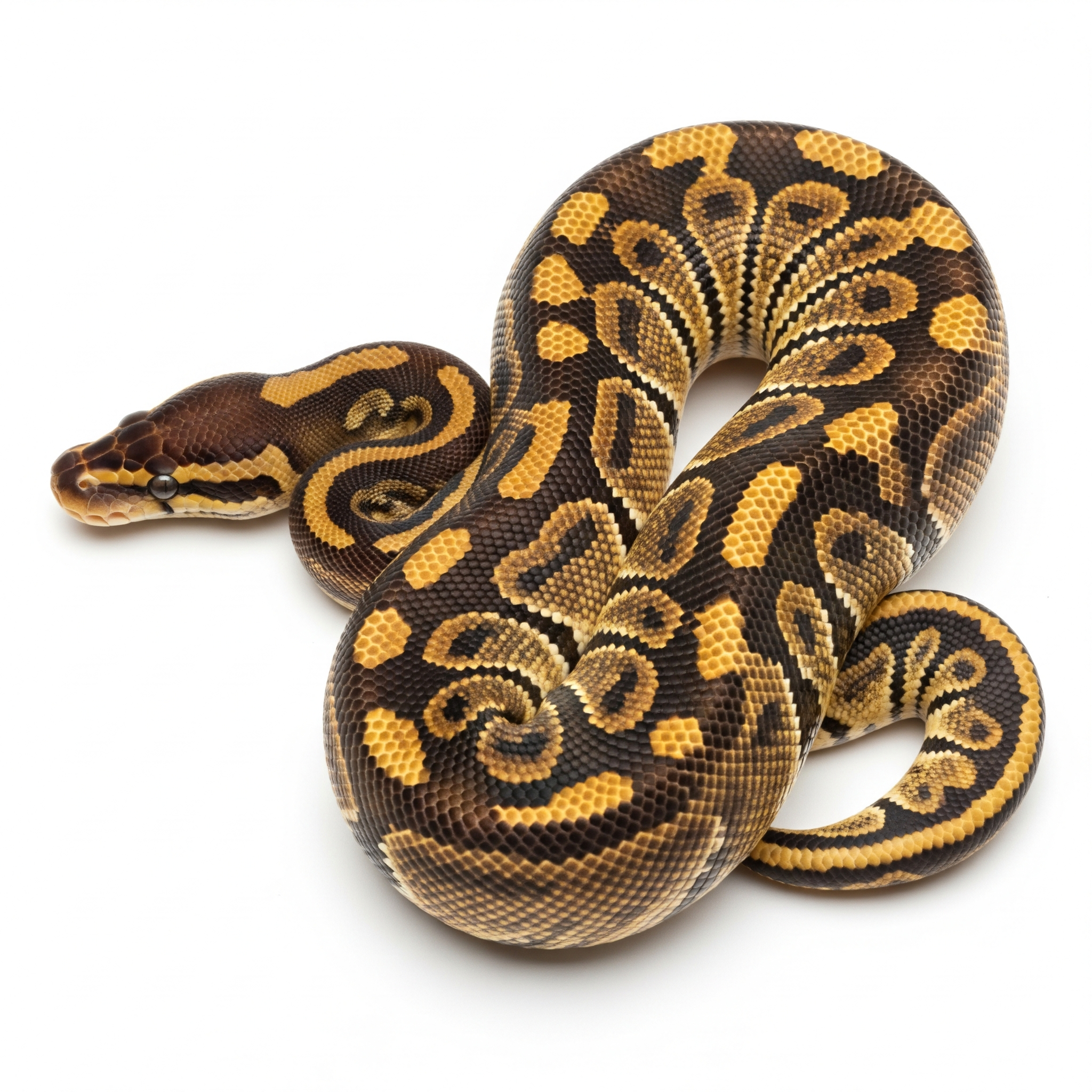
Archival print, museum-grade paper
Buy Poster
Stoneware mug, dishwasher safe
Buy Mug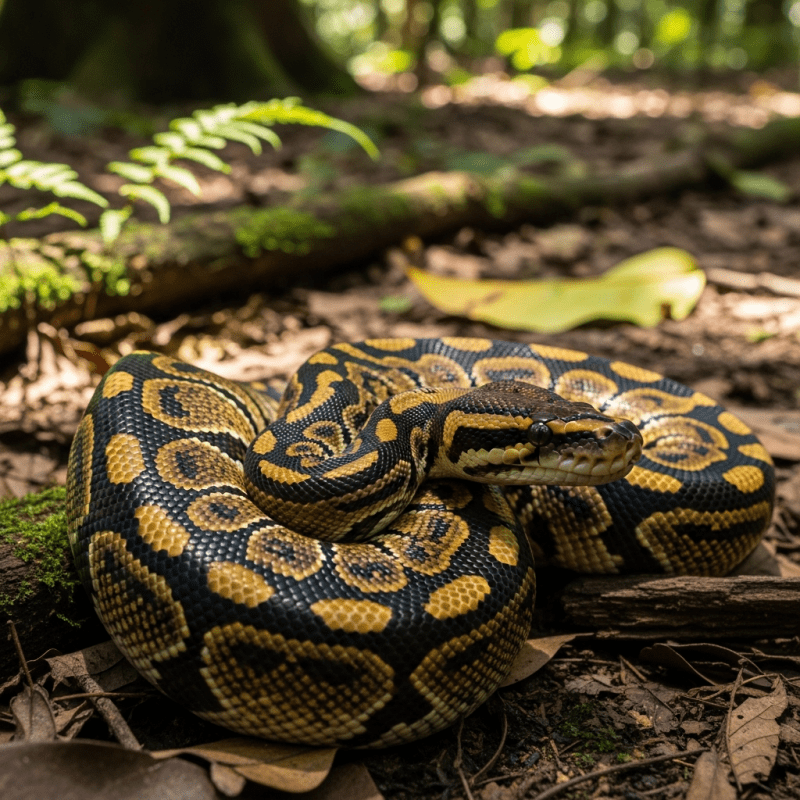
Soft cotton tee, unisex sizes
Buy ShirtThe Ball Python holds cultural importance in parts of Africa, where it is sometimes referred to as the "Royal Python" — a name inspired by historical accounts of African royalty adorning themselves with these snakes as jewelry. Beyond traditional symbolism, the species has become a beloved figure in modern herpetoculture and educational outreach worldwide, celebrated for its striking appearance and approachable nature.
Ball Pythons inhabit terrestrial environments across West and Central Africa, including Ghana, Togo, Benin, Nigeria, Cameroon, and Senegal. They prefer savannas, grasslands, and open forests where they can find shelter in burrows or under natural debris. These habitats provide both protection from predators and access to prey.
Ball Pythons reach sexual maturity at approximately two years of age. They are oviparous, laying clutches ranging from three to eleven eggs. After laying, females typically incubate the eggs by coiling around them to regulate temperature. Hatchlings emerge fully independent, beginning their solitary lives. Growth is moderate, and with proper care, individuals can live many years in captivity.
While Ball Pythons are not currently listed with a specific IUCN conservation status, their wild populations face pressures from habitat loss and collection for the pet trade. Some countries regulate commercial trade to prevent overharvesting. Maintaining sustainable captive breeding programs helps reduce pressure on wild populations and supports conservation efforts.
Ball Pythons have a significant presence in the pet trade, prized for their manageable size and calm behavior. They are extensively bred commercially, supplying enthusiasts worldwide. Additionally, they serve educational and zoological roles, helping raise awareness about reptiles. Although occasionally consumed locally in West Africa, their primary human interaction is through captivity and conservation. Responsible husbandry and regulation are essential to ensure their continued well-being both in the wild and in captivity.