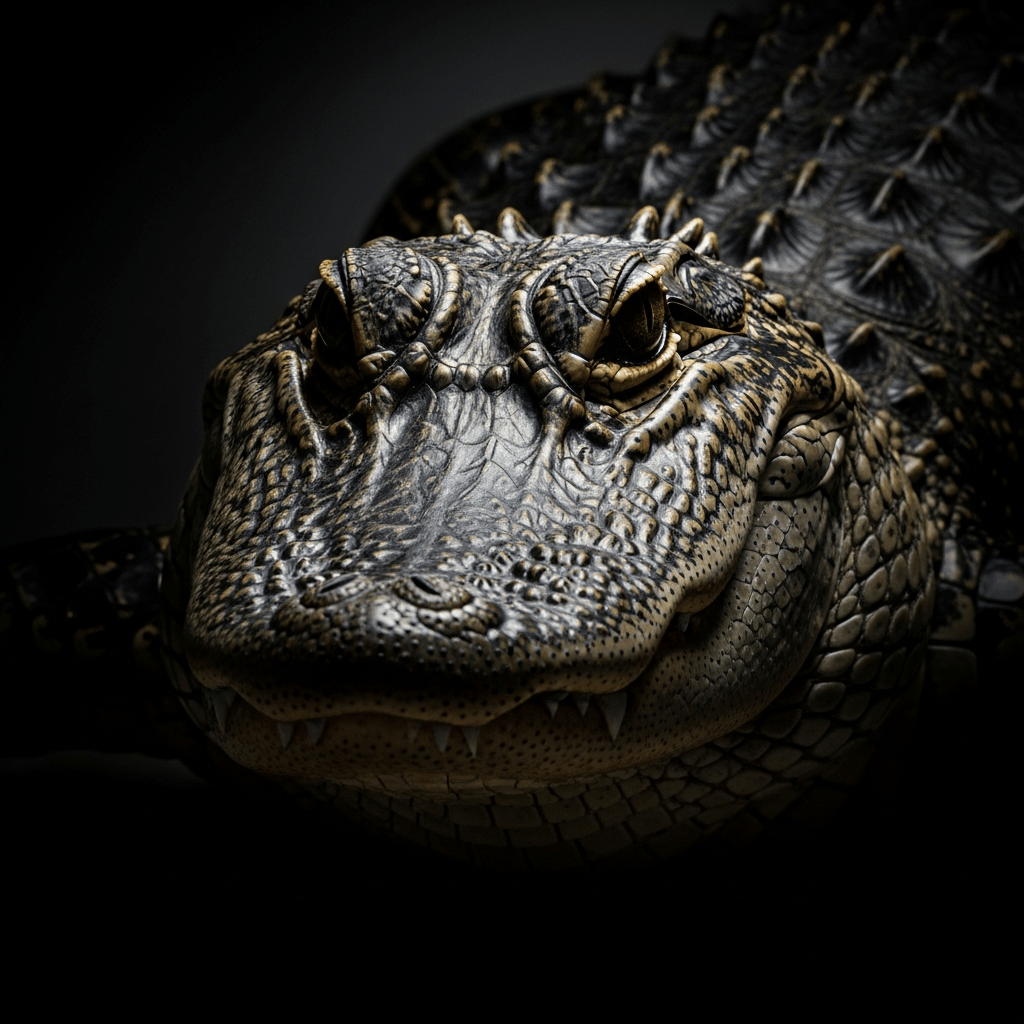
American Alligator
The American Alligator (Alligator mississippiensis) is a large, powerful crocodilian native to the wetlands of the southeastern United States, recognized for its broad snout, armored body, and vital role in its ecosystem.
The American Alligator (Alligator mississippiensis) is a large, powerful crocodilian native to the wetlands of the southeastern United States, recognized for its broad snout, armored body, and vital role in its ecosystem.
First described scientifically by François Marie Daudin in 1801, the American Alligator has long inhabited the freshwater wetlands of the southeastern United States. Its lineage traces back millions of years, thriving in swampy habitats that shaped its distinctive adaptations.
The American Alligator belongs to the class Reptilia, order Crocodylia, and family Alligatoridae. Within the genus Alligator, it is identified as the species mississippiensis, distinguishing it from other crocodilian relatives.
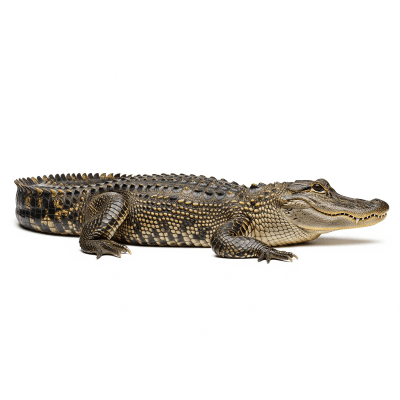
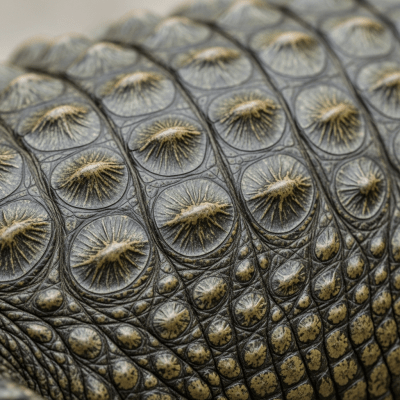
This species features a robust, armored body reaching up to 4.6 meters (15 feet) in length and weighing as much as 450 kilograms (1,000 pounds). Its broad, rounded snout and muscular tail are adapted for powerful swimming. The dorsal coloration ranges from dark olive-brown to black, contrasting with lighter ventral surfaces, while juveniles display distinctive yellow banding that fades with maturity.
The American Alligator is a carnivorous predator, primarily aquatic and semi-aquatic, inhabiting freshwater wetlands. It exhibits variable growth influenced by environmental factors, reaching sexual maturity between 10 and 12 years at lengths of 1.8 to 2.1 meters. Notably, it can survive brief freezing conditions through a unique "icing" behavior, showcasing resilience uncommon among crocodilians.
Bring this kind into your world illustrated posters, mugs, and shirts.
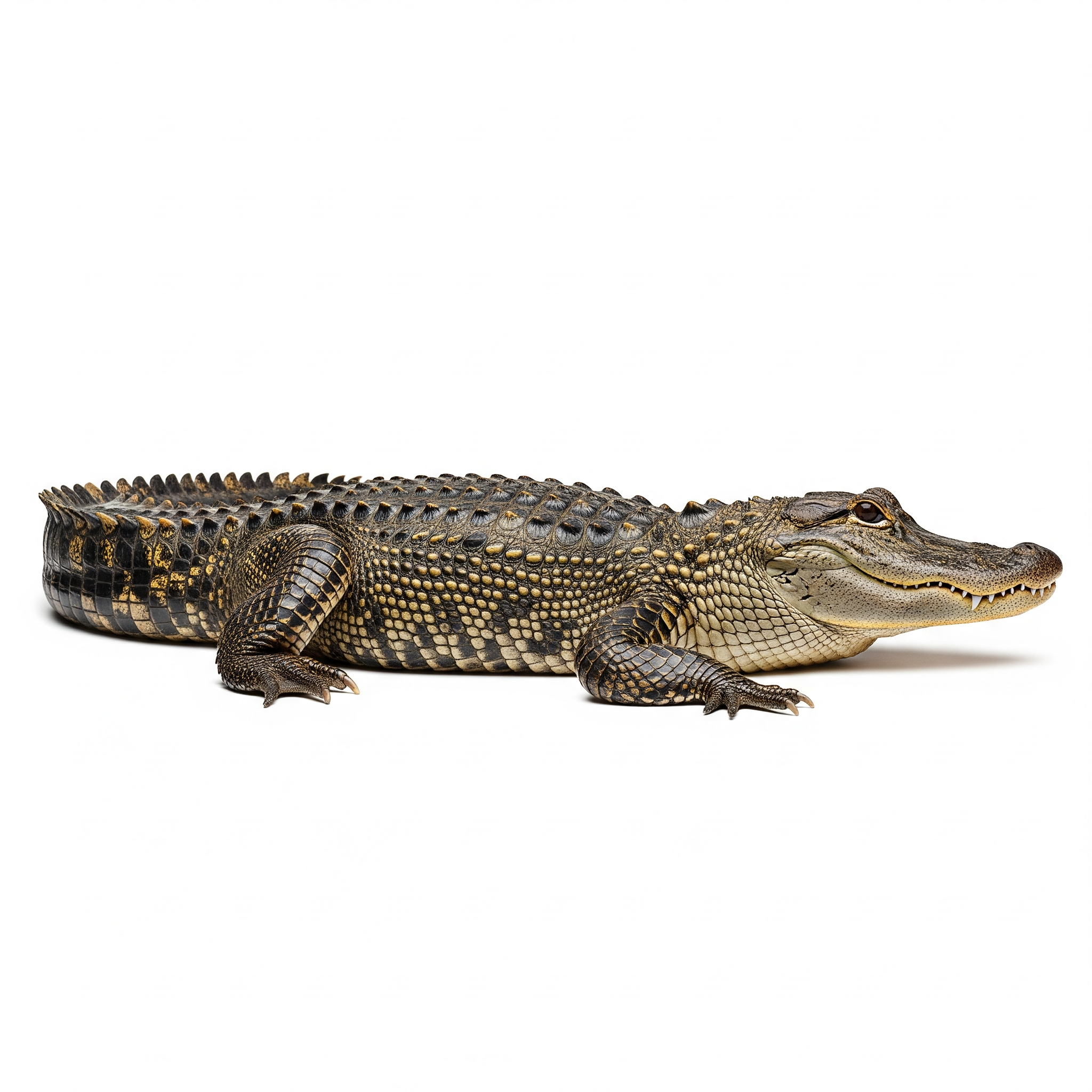
Archival print, museum-grade paper
Buy Poster
Stoneware mug, dishwasher safe
Buy Mug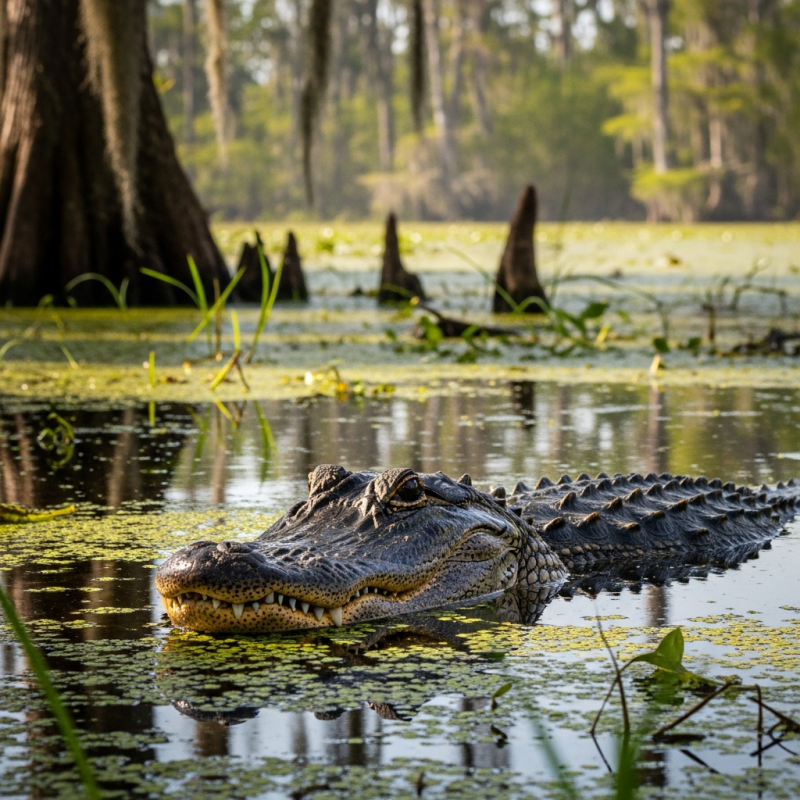
Soft cotton tee, unisex sizes
Buy ShirtBeyond its ecological importance, the American Alligator holds cultural weight as a symbol of American wildlife conservation. It appears in regional folklore, serves as a mascot for sports teams, and features prominently in Southern cuisine and crafts, reflecting its deep-rooted presence in local heritage.
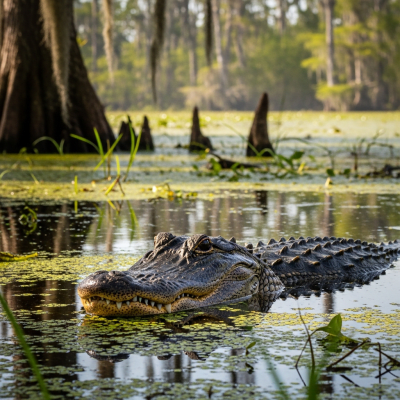
American Alligators inhabit freshwater wetlands such as swamps, marshes, rivers, and lakes across the southeastern United States. Their native range includes states like Florida, Louisiana, Georgia, and the Carolinas, where they play a keystone role in maintaining wetland ecosystems.
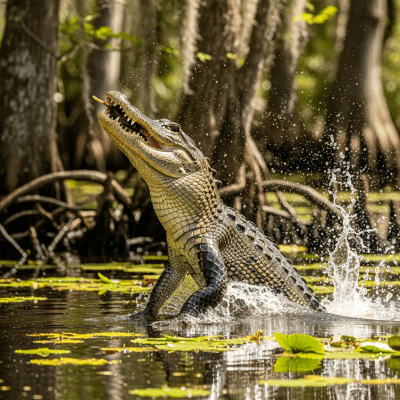
Reaching sexual maturity at 10 to 12 years old and lengths of 1.8 to 2.1 meters, American Alligators engage in breeding behaviors typical of crocodilians. Females build nests for their eggs in wetland vegetation. Hatchlings emerge with distinctive yellow banding and grow steadily, with lifespans averaging 35 to 50 years in the wild and potentially longer in captivity.
Once threatened by habitat loss and overhunting, the American Alligator has rebounded due to effective conservation and regulated harvesting programs. While not currently endangered, it remains vulnerable to pollution, illegal hunting, and wetland degradation, necessitating ongoing protection efforts.
American Alligators impact human communities through regulated commercial harvesting of their meat and hides, which support local economies and crafts. Ecotourism, including guided viewing and hunting, also contributes economically. While generally avoiding humans, alligators require respectful coexistence to prevent conflicts and ensure safety.