Triangle Palm
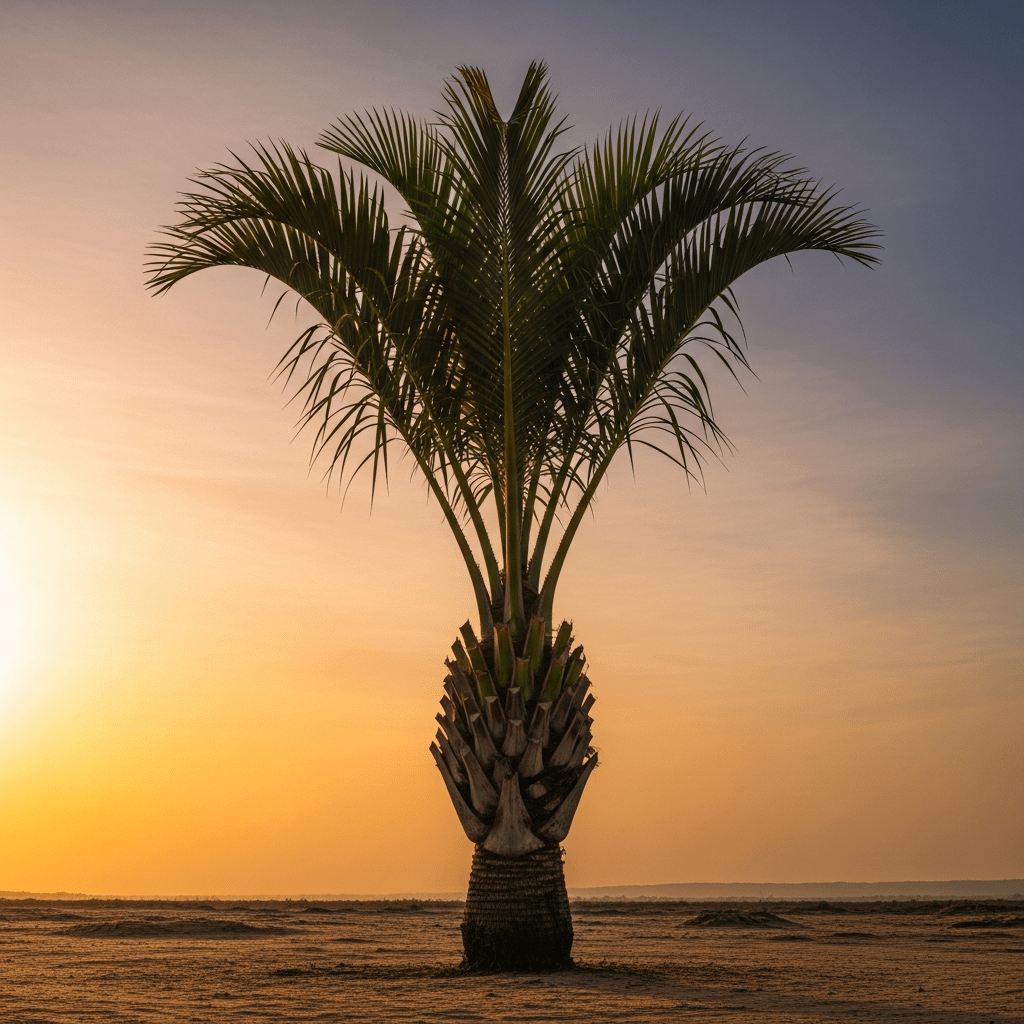
The Triangle Palm (Dypsis decaryi) is a striking ornamental palm native to Madagascar, instantly recognized by its unique triangular leaf base arrangement and elegant, arching foliage.
The Triangle Palm (Dypsis decaryi) is a striking ornamental palm native to Madagascar, instantly recognized by its unique triangular leaf base arrangement and elegant, arching foliage.
Endemic to the Andohahela region of southern Madagascar, the Triangle Palm was first formally described in 1917 by botanist Henri Lucien Jumelle. Its species name honors Raymond Decary, a French botanist who contributed to its discovery. In the wild, it thrives in dry, rocky soils, and all cultivated specimens worldwide originate from these natural populations via seed propagation.
Belonging to the family Arecaceae, the Triangle Palm is scientifically classified as Dypsis decaryi. It resides within the subfamily Arecoideae and tribe Areceae, sharing its lineage with other true palms. While its common name suggests a geometric novelty, its placement in the genus Dypsis is supported by both morphological and molecular evidence, distinguishing it from palm-like plants outside the Arecaceae family.
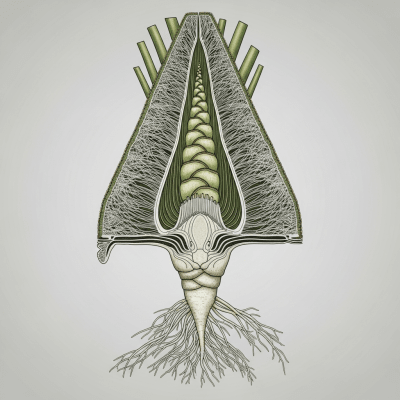
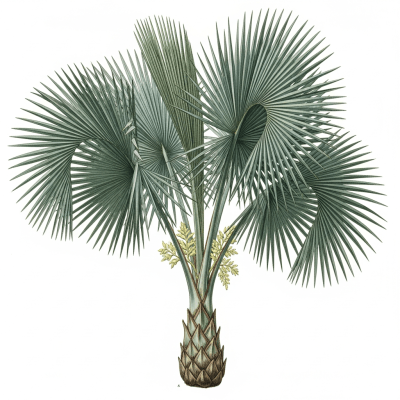
The Triangle Palm grows as a solitary, medium-sized tree, typically reaching heights of 8–15 meters. Its slender, gray trunk is ringed with leaf scars and measures about 25–35 cm in diameter. The most captivating feature is the three-ranked arrangement of leaf bases, forming a distinct triangular cross-section at the crown. The arching, pinnate leaves stretch 2–3 meters long, with leaflets arranged in a single plane, creating a lush, architectural silhouette. Small yellowish flowers emerge among the leaves, followed by ovoid drupes that ripen from yellow to purple-black.
Primarily cultivated for its ornamental appeal, the Triangle Palm is a favorite in landscaping and public gardens across subtropical and tropical regions. Its drought tolerance and adaptability to urban environments make it a resilient choice for specimen planting. While it is not used for food or industrial products, its visual impact and moderate growth rate have secured its place as a signature palm in designed spaces.
Bring this kind into your world illustrated posters, mugs, and shirts.
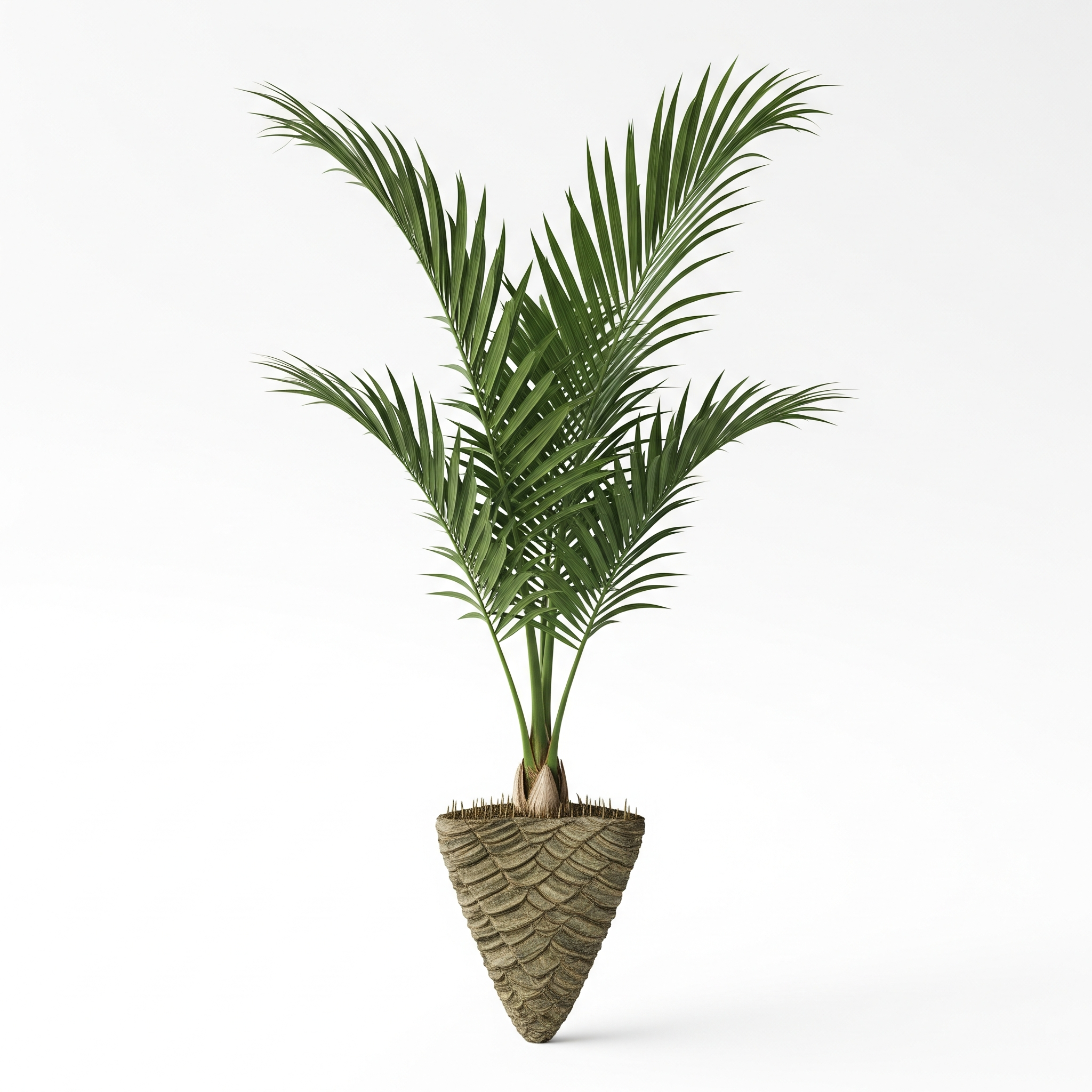
Archival print, museum-grade paper
Buy Poster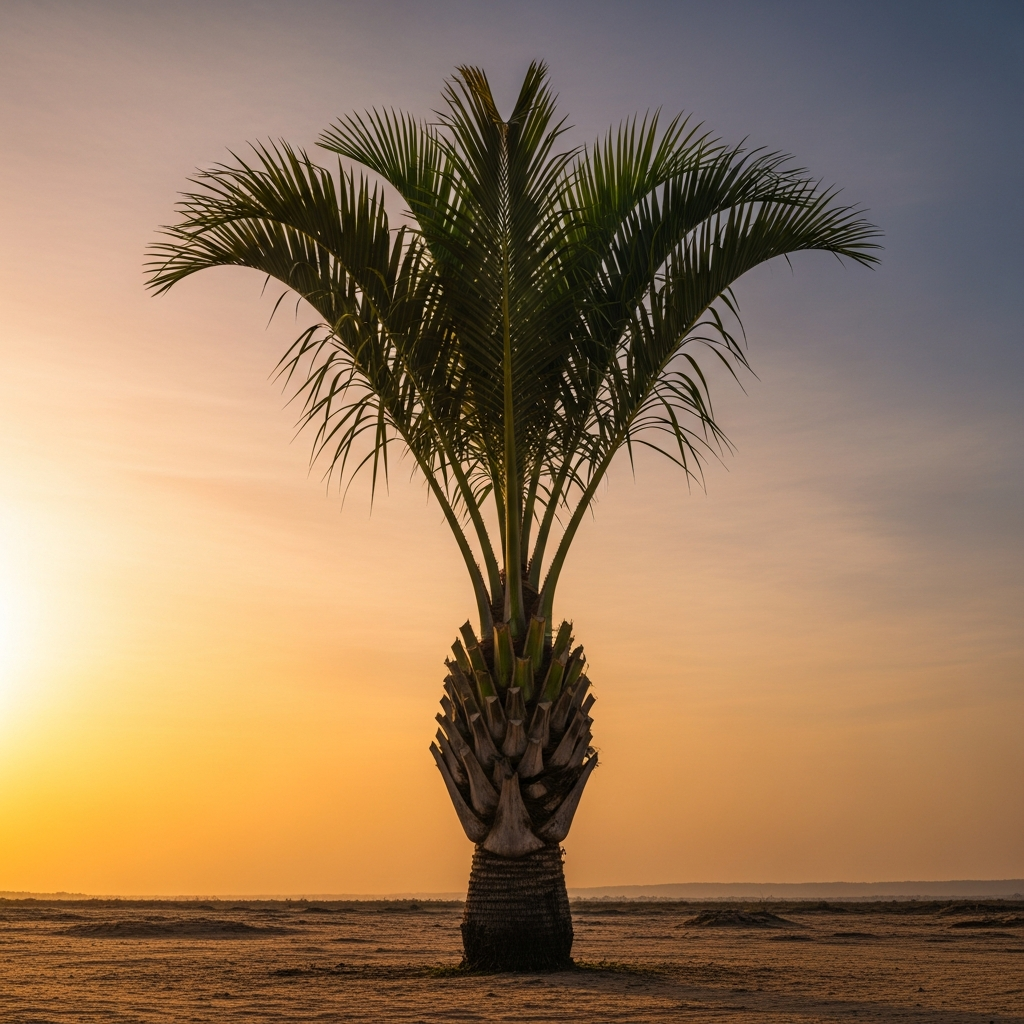
Stoneware mug, dishwasher safe
Buy Mug
Soft cotton tee, unisex sizes
Buy ShirtIn its native Madagascar, the Triangle Palm does not hold notable cultural or religious status. Globally, however, it is celebrated for its architectural form, often featured in botanical gardens and modern landscapes as a symbol of elegance and exotic beauty.
While the Triangle Palm itself is a single species (Dypsis decaryi), it belongs to the genus Dypsis, which includes over 140 species, many of which are endemic to Madagascar. The palm family (Arecaceae) is vast, comprising more than 180 genera and approximately 2,600 species worldwide, ranging from towering coconut palms to compact rattan and fan palms.
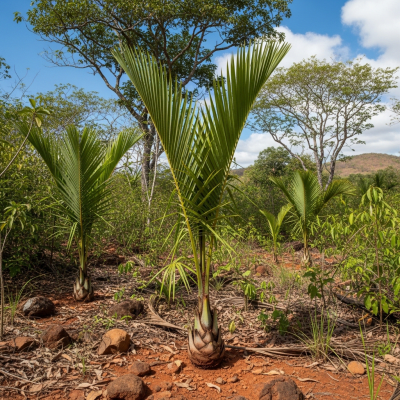

In the wild, the Triangle Palm is confined to the dry, rocky slopes of the Andohahela region in southern Madagascar. Its natural habitat features well-drained soils and a subtropical climate. Through cultivation, it has been introduced to gardens and landscapes in warm regions around the world, especially in areas free from frost.
Triangle Palms prefer full sun and well-drained, rocky soils. They are moderately fast-growing and tolerate drought, making them suitable for low-maintenance landscapes. Avoid overwatering and poorly drained soils to prevent root rot. Protection from frost is essential, as temperatures below 5°C can cause damage. Propagation is typically by seed, and young plants benefit from regular watering until established.
The Triangle Palm's economic value lies almost exclusively in ornamental horticulture. It is widely traded as a specimen tree for landscaping in subtropical and tropical regions. There are no known commercial uses for its fruit, wood, or other parts beyond its decorative appeal.
In its native habitat, the Triangle Palm contributes to local biodiversity and provides habitat for small fauna. In cultivation, it is valued for its drought tolerance and ability to thrive in urban environments. However, overcollection of wild seeds for horticultural trade can pose risks to natural populations, highlighting the need for responsible sourcing.
The Triangle Palm does not produce edible fruit and is not known for utilitarian fibers or oils. Its sole utility is ornamental, prized for its unique form and visual impact in landscape design.
As a species with a restricted native range, the Triangle Palm faces threats from habitat loss and overcollection for horticultural purposes. Conservation efforts focus on protecting wild populations in Madagascar and promoting sustainable seed sourcing. Its IUCN status reflects concern for its limited distribution, underscoring the importance of habitat preservation.