Royal Palm
The Royal Palm (Roystonea regia) is a majestic, towering palm native to the Caribbean and parts of the Americas, celebrated worldwide for its stately trunk and graceful crown of feathery leaves.
The Royal Palm (Roystonea regia) is a majestic, towering palm native to the Caribbean and parts of the Americas, celebrated worldwide for its stately trunk and graceful crown of feathery leaves.
First described in 1816 by Kunth and later classified by O.F. Cook, the Royal Palm originates from Cuba, southern Florida, Puerto Rico, the Bahamas, and neighboring regions of Central America. Its genus, Roystonea, honors General Roy Stone, reflecting both natural heritage and historical recognition. The species remains wild and has not been developed into cultivars, maintaining its authentic presence across its native landscapes.
The Royal Palm belongs to the family Arecaceae, the true palms, within the genus Roystonea. Its accepted scientific name is Roystonea regia (Kunth) O.F.Cook, with synonyms such as Oreodoxa regia and Roystonea elata. This places it among the monocotyledonous flowering plants, distinguished by unbranched stems and a crown of large, pinnate leaves.
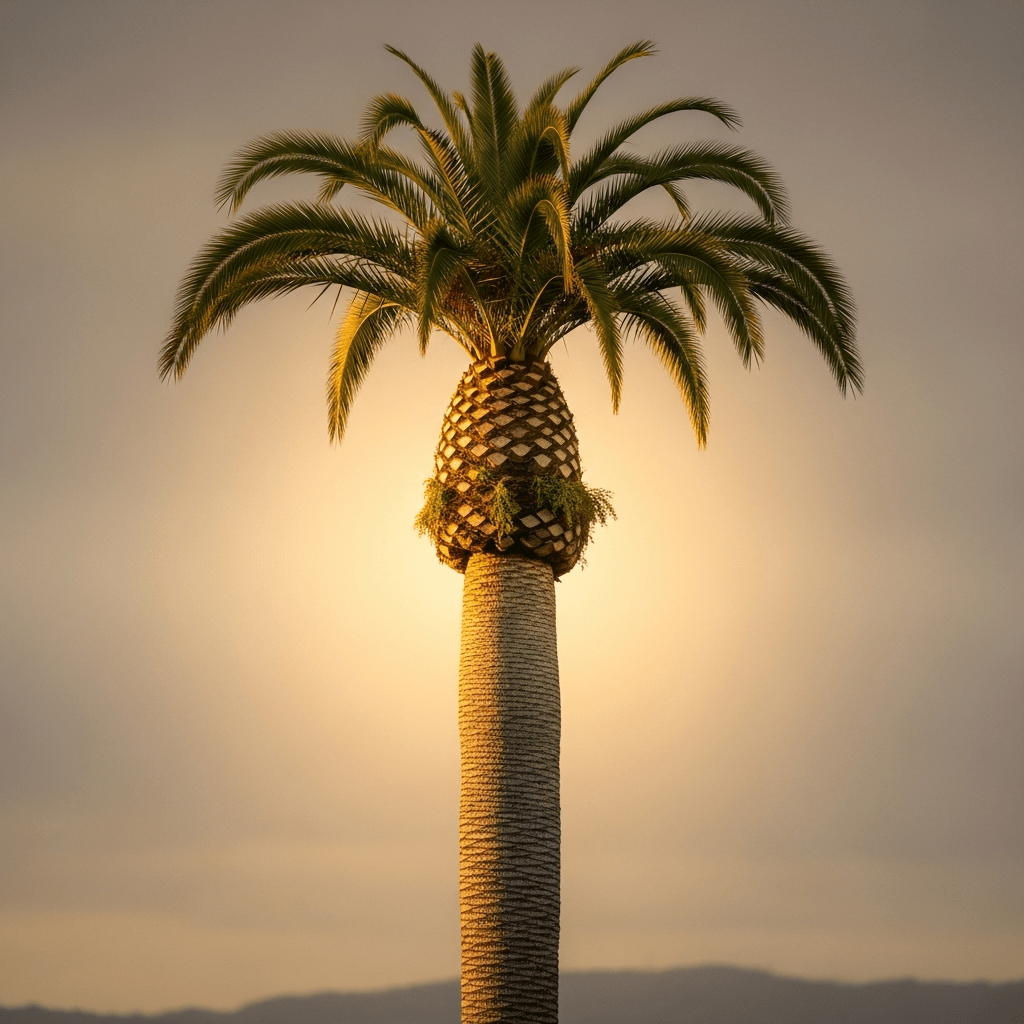
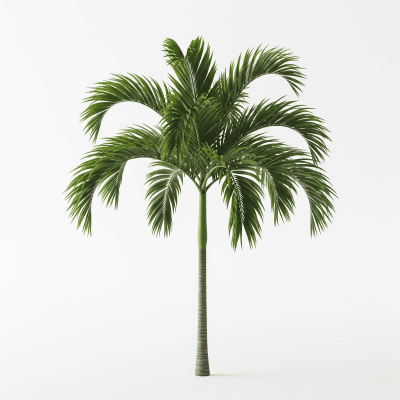
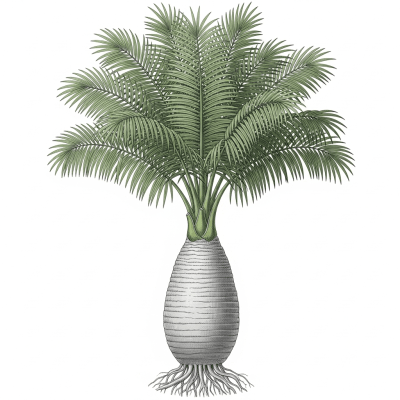
The Royal Palm is instantly recognizable by its smooth, pale gray trunk, which swells at the base and tapers elegantly upward. Atop the trunk sits a lush, green crownshaft formed by leaf bases, from which arch long, feathery pinnate leaves reaching up to 4–5 meters. Its overall height can soar to 20–30 meters, creating a dramatic silhouette. The tree produces large, branched inflorescences with small white flowers, followed by ovoid, purple-black fruits about 1–2 cm in length.
Primarily cultivated for its ornamental value, the Royal Palm graces avenues, parks, and gardens in tropical and subtropical climates. Its rapid growth and adaptability make it a favorite for urban landscaping. In its native range, seeds are sometimes used as animal feed and the wood finds limited use in construction or crafts, though its main appeal remains aesthetic and symbolic.
Bring this kind into your world illustrated posters, mugs, and shirts.
Archival print, museum-grade paper
Buy Poster
Stoneware mug, dishwasher safe
Buy Mug
Soft cotton tee, unisex sizes
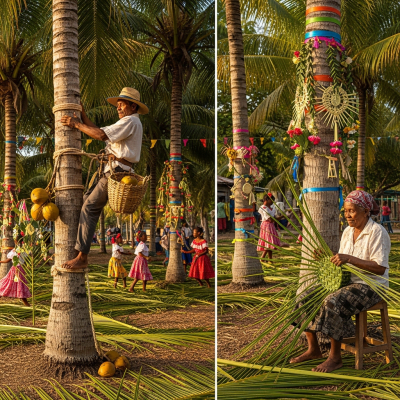
Buy ShirtIn Cuba, the Royal Palm is revered as a national symbol, frequently depicted in art, literature, and public spaces. Its stately form embodies prestige and natural beauty, and it features prominently in the cultural identity of Caribbean societies. The palm’s image is often associated with tropical elegance and historical heritage.
The genus Roystonea includes several species, but Roystonea regia is the most widely recognized and cultivated. The palm family (Arecaceae) itself encompasses over 180 genera and approximately 2,600 species, ranging from diminutive understory palms to towering giants like the Royal Palm. Diversity within the family is reflected in leaf shapes, trunk forms, and ecological roles across the tropics.
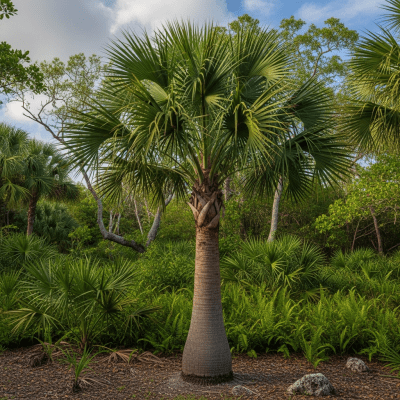

Royal Palms are native to moist lowland regions of Cuba, southern Florida, Puerto Rico, the Bahamas, Mexico, Belize, Honduras, the Cayman Islands, and parts of Central America. They thrive in tropical and subtropical climates, favoring well-drained soils and areas with ample rainfall. Their adaptability has led to widespread cultivation in warm climates worldwide, from urban landscapes to botanical gardens.
To cultivate Royal Palms successfully, plant them in moist, well-drained soil and ensure full sun exposure. They grow rapidly under optimal conditions and tolerate a range of soils, making them suitable for both urban and landscaped settings. Regular watering during establishment is important, but mature palms are relatively drought-tolerant. Protection from lethal yellowing disease and fungal pathogens is recommended, especially in regions where these threats are present.
The Royal Palm's primary economic role is as an ornamental tree, enhancing the beauty and prestige of public parks, streetscapes, and private gardens. While its seeds are occasionally used as animal feed and its wood for minor construction or crafts, it is not a major source of food, oil, or fiber. Its commercial value lies in landscaping and cultural symbolism rather than agricultural production.
Royal Palms contribute to urban greening, offering shade, aesthetic appeal, and habitat for wildlife in cities and parks. Their adaptability supports biodiversity in cultivated landscapes. However, susceptibility to lethal yellowing disease can lead to population declines in affected areas, impacting local ecosystems and urban tree cover. Responsible cultivation and disease management help maintain their positive environmental role.
While the Royal Palm does not produce edible fruit for humans, its seeds are sometimes used as animal feed. The wood has limited utility in crafts and minor construction. Unlike some other palms, it is not a source of commercial oil or fiber, and its primary value remains ornamental.
There is currently no IUCN Red List assessment for Roystonea regia, and it is not considered threatened across its native range. Its widespread cultivation and adaptability contribute to its stable status, though disease outbreaks such as lethal yellowing can pose localized risks. Conservation efforts focus on maintaining healthy populations and monitoring for emerging threats.