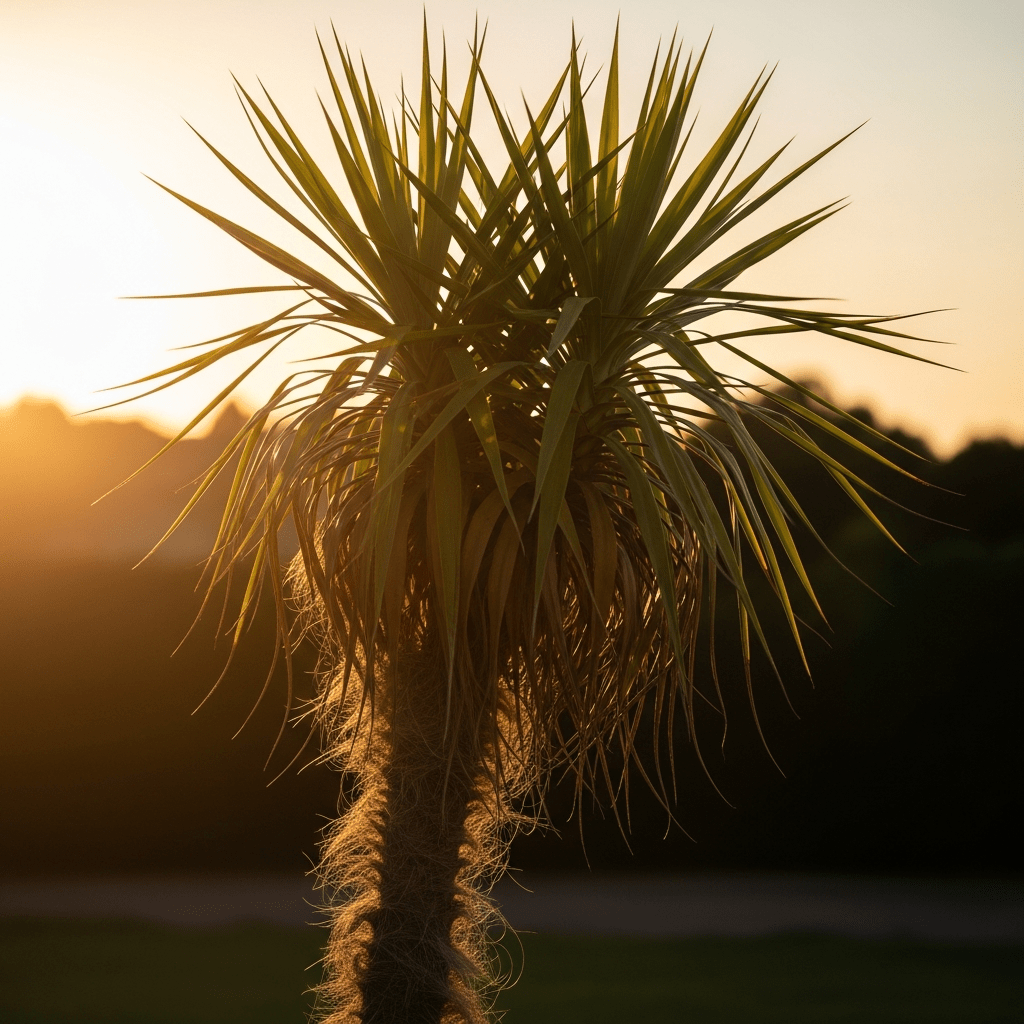
Rattan Palm
The rattan palm is a climbing member of the palm family (Arecaceae), renowned for its long, flexible stems that are the world’s primary source of rattan—a vital material for furniture, basketry, and handicrafts.
The rattan palm is a climbing member of the palm family (Arecaceae), renowned for its long, flexible stems that are the world’s primary source of rattan—a vital material for furniture, basketry, and handicrafts.
Native to the humid tropics of Asia, rattan palms flourish in Southeast Asian forests, especially across Indonesia, Malaysia, the Philippines, and Thailand. First formally described by Linnaeus in 1753, these palms have evolved naturally without a single point of domestication or breeding, and their lineage spans several genera. Their greatest diversity is found in the wild, where ongoing research continues to clarify their complex evolutionary relationships.
Rattan palms belong to the family Arecaceae, sharing this group with all true palms. Most species are classified within the genus Calamus, though related genera such as Daemonorops, Ceratolobus, and Plectocomia are sometimes included. They are monocotyledonous flowering plants, distinct for their climbing habit and solid, jointed stems, and are part of the subfamily Calamoideae within the broader palm taxonomy.
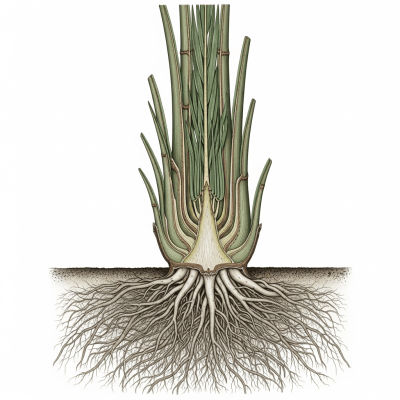
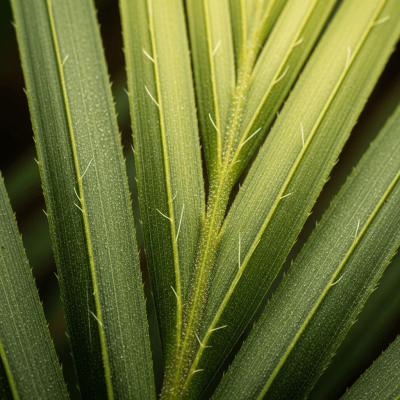
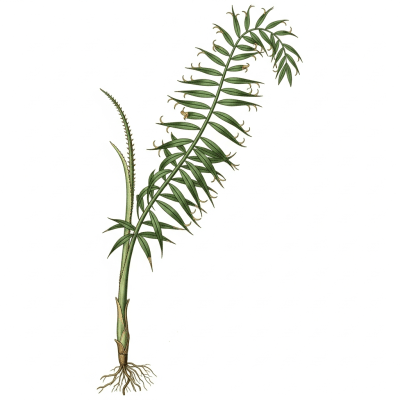
Rattan palms are striking for their slender, whip-like stems that can reach astonishing lengths—some species grow up to 200 meters. The stems are solid, jointed, and often armored with spines or hooks, enabling them to scramble and climb through dense forest canopies. Their leaves are pinnate, with spiny petioles and leaflets, and many species feature flagella or cirri—long, flexible extensions that anchor the palm to surrounding vegetation. The fruits are small, scaly, and typically contain a single seed.
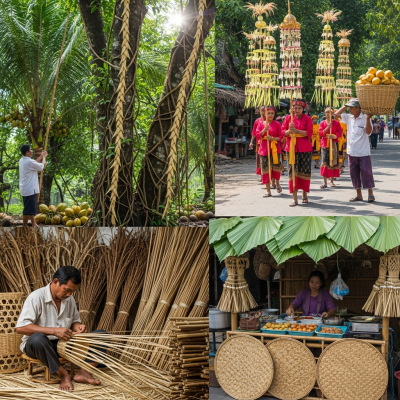
Rattan palms are ecological climbers, using their hooked stems and flagella to ascend trees and access sunlight in crowded forests. For humans, their stems are harvested and processed into rattan cane, a prized material for making furniture, baskets, and crafts. While the edible palm heart is present in some species, it is rarely collected due to conservation concerns. Rattan palms also play a role in traditional medicine and ritual practices in their native regions.
Bring this kind into your world illustrated posters, mugs, and shirts.

Archival print, museum-grade paper
Buy Poster
Stoneware mug, dishwasher safe
Buy Mug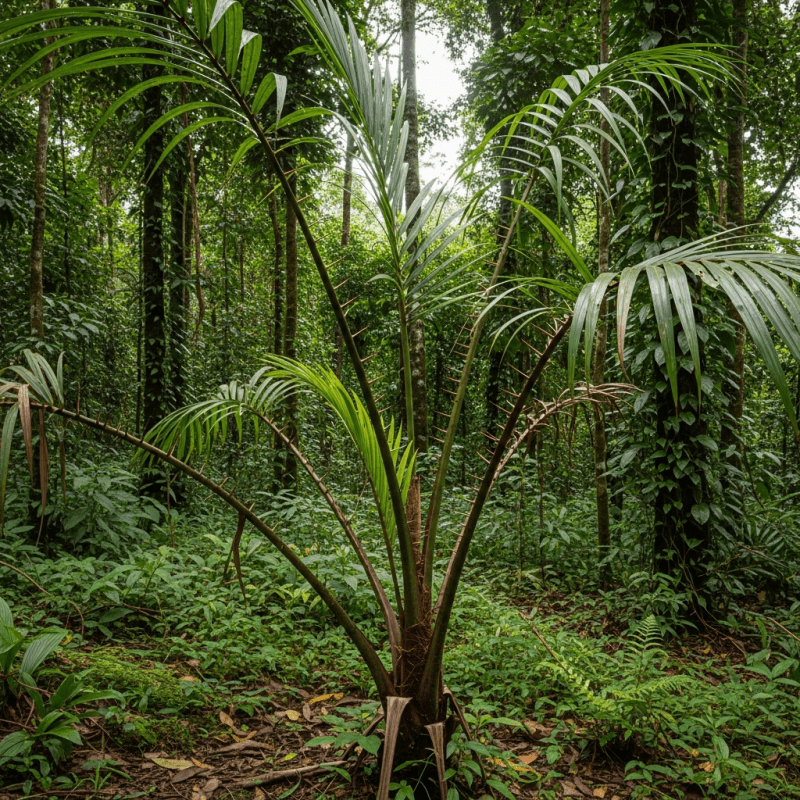
Soft cotton tee, unisex sizes
Buy ShirtRattan palms are deeply woven into the cultural and economic fabric of Southeast Asia. The rattan trade supports millions of livelihoods, shaping local economies and artisanal traditions. Rattan cane’s flexibility and strength have made it a staple in furniture-making worldwide. In some cultures, rattan is used in traditional medicine and rituals, symbolizing resilience and adaptability.
There are over 400 recognized species of rattan palms, most within the genus Calamus. Other notable genera include Daemonorops, Ceratolobus, and Plectocomia. Species diversity is greatest in Southeast Asia, with Indonesia and Malaysia hosting the richest variety. Taxonomic boundaries remain fluid as molecular research refines the relationships among these genera.

Rattan palms thrive in humid, lowland tropical forests across Southeast Asia, from Indonesia and Malaysia to the Philippines, Thailand, and surrounding regions. They are shade-tolerant, often scrambling through dense vegetation and climbing trees to reach light. While their natural range is primarily Asian, a few species extend into subtropical zones, but cultivation outside their native habitat is rare.
Most rattan palms are wild-harvested, but some species are cultivated for commercial use. They prefer shaded, humid environments with rich, well-drained soils. Rattan palms are sensitive to drought and fire but can regenerate rapidly through vegetative growth. Successful cultivation requires mimicking their natural forest conditions, with careful management to prevent overharvesting and promote sustainable yields.
Rattan palms are the backbone of the global rattan industry, providing raw material for furniture, basketry, handicrafts, and construction. Their flexible canes are exported worldwide, supporting millions of jobs throughout Southeast Asia. Rattan’s light weight and durability make it a preferred choice for both traditional and modern designs. Limited use in traditional medicine and rituals adds to their economic and cultural value.
Rattan palms play a vital ecological role by climbing through forest canopies, contributing to forest structure and biodiversity. However, unsustainable harvesting and habitat loss threaten some species and forest ecosystems. Sustainable management and cultivation can help balance economic benefits with conservation, preserving both rattan resources and the forests they inhabit.
While specific pests and diseases vary by region and species, rattan palms are generally vulnerable to fungal infections, stem borers, and environmental stresses such as drought and fire. Effective management includes maintaining healthy forest conditions, monitoring for signs of infestation, and avoiding overharvesting, which can weaken plant resilience.
The primary utilitarian part of the rattan palm is its stem, harvested as rattan cane for furniture, basketry, and crafts. The apical meristem, or "palm heart," is edible in some species but rarely collected due to conservation concerns. Rattan is also used in traditional medicine and rituals, though culinary uses are minimal.
Many rattan palm species face threats from overharvesting and habitat loss, with some listed as vulnerable or endangered by the IUCN. Conservation efforts focus on promoting sustainable harvesting, establishing plantations, and protecting forest habitats. Ongoing research and monitoring are essential to safeguard the diversity and future of rattan palms.