
Pygmy Date Palm
The Pygmy Date Palm (Phoenix roebelenii) is a compact, slow-growing ornamental palm prized for its graceful, feathery foliage and suitability for both indoor and outdoor landscaping.
The Pygmy Date Palm (Phoenix roebelenii) is a compact, slow-growing ornamental palm prized for its graceful, feathery foliage and suitability for both indoor and outdoor landscaping.
Native to riverine habitats in Laos, Vietnam, and southern China (Yunnan), the Pygmy Date Palm was first formally described by O'Brien in 1889. Its introduction to horticulture dates to the late 19th century, with most cultivated specimens derived from wild-collected seeds or vegetative propagation. The species has no known cultivars or breeding lines and remains closely tied to its Southeast Asian origins.
Belonging to the botanical family Arecaceae, the Pygmy Date Palm is classified within the genus Phoenix, which includes several date palm species. Its accepted scientific name is Phoenix roebelenii O'Brien. The family Arecaceae encompasses all true palms, distinguished by their unbranched stems and large, often pinnate leaves.
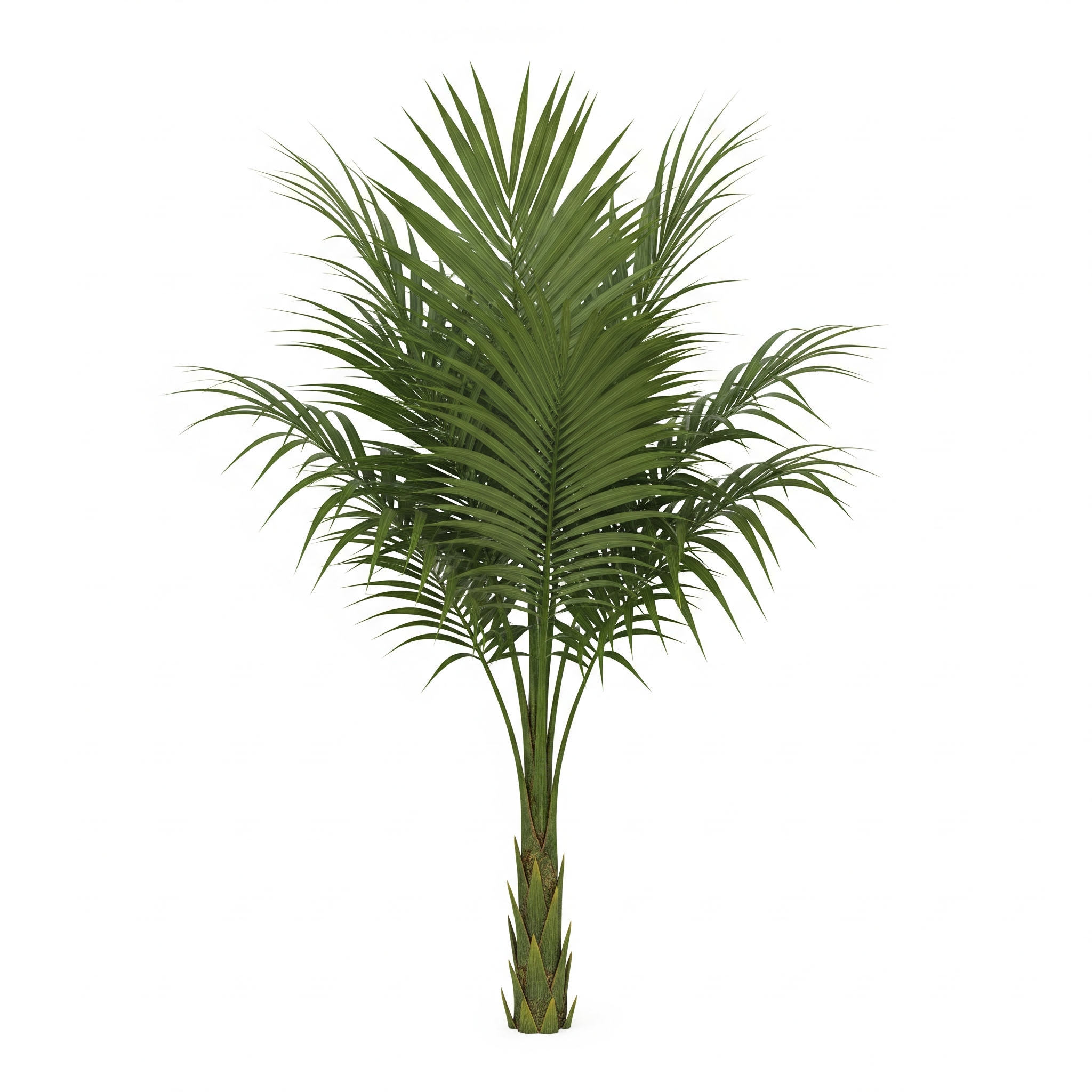
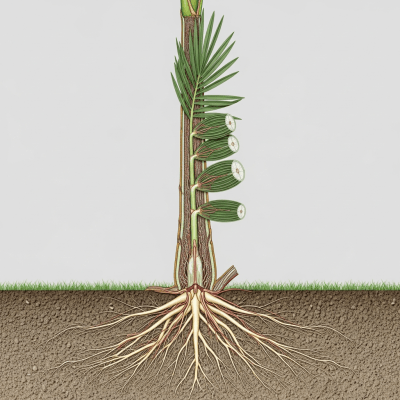
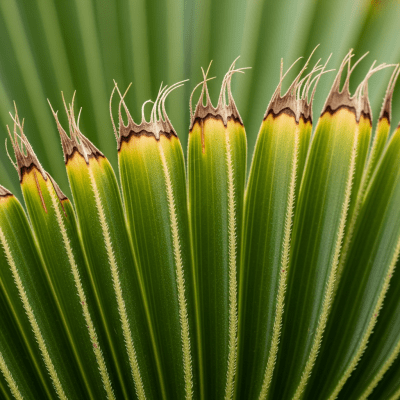
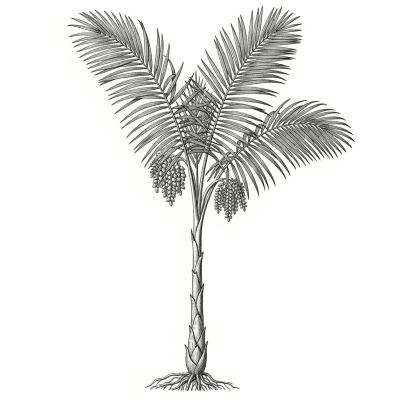
The Pygmy Date Palm is a small, elegant palm typically reaching 2–3 meters in height, with a slender trunk about 8–10 cm in diameter. Its arching, pinnate leaves can grow up to 120 cm long, each bearing 100–150 narrow, dark green leaflets. The trunk may be solitary or occasionally cluster, and is covered with persistent leaf bases. The palm produces small yellowish flowers and oblong black fruits, each about 1–1.5 cm long. Its overall form is airy and delicate, making it a favorite for decorative use.
Primarily cultivated for ornamental purposes, the Pygmy Date Palm is highly adaptable to container growth, patios, and indoor environments. Its manageable size and slow growth make it ideal for small gardens, shaded courtyards, and interior spaces. While the fruit is technically edible, it is very small and rarely consumed. The palm is tolerant of partial shade, a range of soils, and brief cold spells, though it prefers moist, well-drained conditions.
Bring this kind into your world illustrated posters, mugs, and shirts.
Archival print, museum-grade paper
Buy Poster
Stoneware mug, dishwasher safe
Buy Mug
Soft cotton tee, unisex sizes
Buy ShirtRenowned for its elegant appearance, the Pygmy Date Palm is widely celebrated in horticultural circles and popular in landscape design across tropical and subtropical regions. Its compact stature and lush foliage have made it a symbol of refined greenery in homes, hotels, and public gardens, especially where space is limited. While it does not play a major role in traditional art or myth, its aesthetic value has earned it a place in modern decorative culture.
The palm family (Arecaceae) is extraordinarily diverse, comprising over 180 genera and approximately 2,600 species worldwide. The genus Phoenix includes several notable date palms, such as the edible Date Palm (Phoenix dactylifera) and the Canary Island Date Palm (Phoenix canariensis). The Pygmy Date Palm stands out for its compact size and ornamental appeal among its relatives.
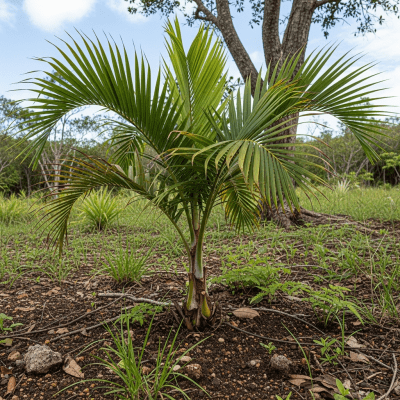
Wild populations of Pygmy Date Palm are found along rivers and moist lowland areas in Laos, Vietnam, and southern China (Yunnan). In cultivation, it is now widespread across tropical and subtropical regions, thriving in gardens, parks, and indoor spaces from Southeast Asia to the Americas and Europe. Its adaptability allows it to flourish in both humid and moderately dry climates, provided soils are well-drained.
To cultivate a healthy Pygmy Date Palm, provide moist, well-drained soil and partial shade, especially in hot climates. The palm tolerates a range of soils and can withstand brief cold spells down to −2°C once established. Water regularly but avoid waterlogged conditions to prevent root rot. Slow growth means patience is required—mature size may take 5–10 years. Commonly grown in containers, it benefits from occasional feeding and protection from scale insects and spider mites.
The Pygmy Date Palm's primary economic value lies in horticulture and landscaping. It is widely sold in nurseries and garden centers for use in decorative plantings, patios, and interior design. Unlike other date palms, it does not contribute significantly to food or industrial markets, as its fruit is not commercially harvested. Its popularity continues to grow due to its manageable size and aesthetic appeal.
As an ornamental species, the Pygmy Date Palm has a limited direct ecological impact. In its native habitat, it contributes to riverine ecosystem structure and provides shelter for small wildlife. In cultivation, it offers greenery and air purification benefits in urban environments. Care should be taken to avoid overwatering and root rot, which can affect soil health in garden settings.
Common threats to the Pygmy Date Palm include scale insects, spider mites, and root rot caused by poorly drained soils. Regular inspection and prompt treatment with horticultural oils or insecticidal soap can help manage pests. Ensuring proper drainage and avoiding excessive watering are key strategies to prevent disease and maintain plant health.
The fruit of the Pygmy Date Palm is a small, oblong drupe that is technically edible but not palatable or commercially significant. The palm does not produce notable oils, fibers, or other utilitarian products. Its principal value is ornamental, with no major edible or industrial parts in use.
The Pygmy Date Palm is not currently listed as threatened or endangered. Wild populations remain stable in their native range, and the species is widely cultivated globally. No major conservation actions are required, though maintaining genetic diversity in wild populations and responsible horticultural practices are encouraged.