
Paurotis Palm
The Paurotis Palm (Acoelorrhaphe wrightii) is a medium-sized, clumping palm native to southern Florida, Mexico, Central America, and the Caribbean, prized for its ornamental beauty and ecological value in wetland landscapes.
The Paurotis Palm (Acoelorrhaphe wrightii) is a medium-sized, clumping palm native to southern Florida, Mexico, Central America, and the Caribbean, prized for its ornamental beauty and ecological value in wetland landscapes.
First described by Hermann Wendland in 1879, the Paurotis Palm traces its origins to the swamps and seasonally flooded regions of southern Florida, southeastern Mexico, Belize, Guatemala, Honduras, and Cuba. Its wild populations thrive naturally in these subtropical and tropical areas, where the palm has adapted to periodic inundation and forms dense thickets along wetland margins. The species has no documented cultivar lineage and is typically propagated from wild-collected specimens for horticultural use.
The Paurotis Palm belongs to the botanical family Arecaceae, the true palm family, within the order Arecales. Its accepted scientific name is Acoelorrhaphe wrightii H.Wendl., with several synonyms including Paurotis wrightii and Acoelorrhaphe intermedia. As a member of the palms, it shares the characteristic monocot structure and fan-shaped leaves typical of its family, setting it apart from palm-like plants outside Arecaceae.
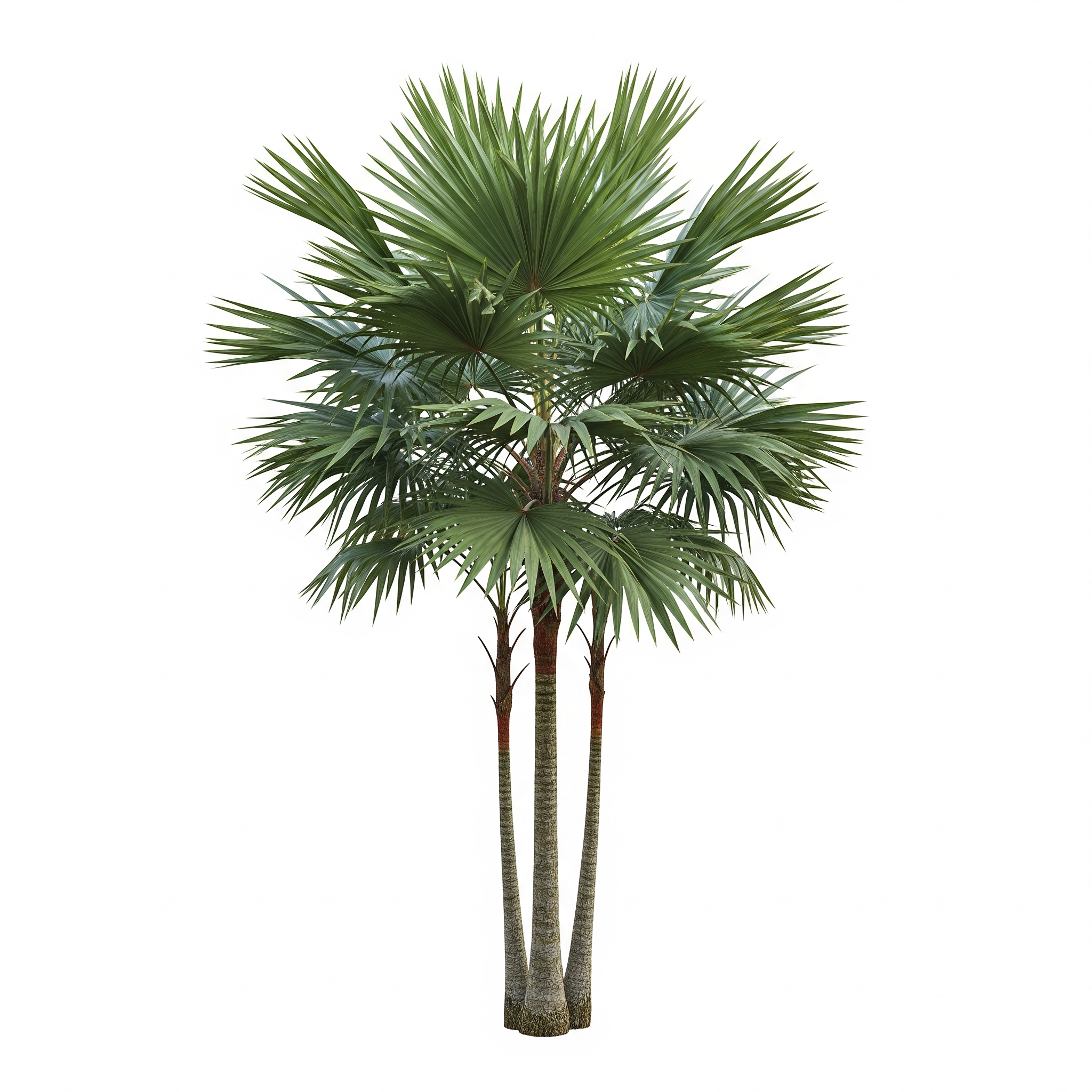
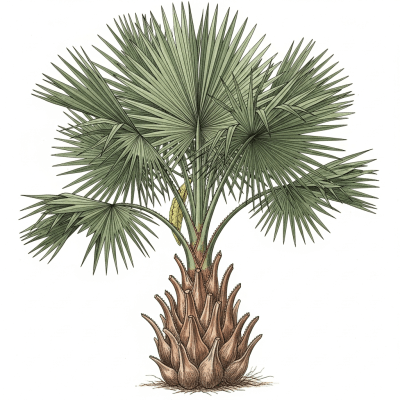
The Paurotis Palm forms striking, dense clumps of slender stems, each reaching 5–9 meters in height and about 10–15 cm in diameter. Its leaves are palmate—broad, fan-shaped, and up to 1 meter across—displaying a vivid green upper surface and a silvery underside. The orange petioles are armed with small teeth, adding a subtle texture. In spring, branched inflorescences bear clusters of small white flowers, followed by round orange to black drupes about 1 cm in diameter. The overall effect is lush, architectural, and distinctly tropical.
Primarily valued as an ornamental, the Paurotis Palm is widely planted in parks, gardens, and wetland restoration projects. Its ability to thrive in waterlogged soils makes it ideal for stabilizing banks and enhancing wildlife habitats, providing cover and nesting sites for birds. In landscaping, it serves as a dramatic specimen or a natural screen, especially in subtropical climates. While its fruits are not commercially harvested, the palm’s resilience to occasional drought and frost extends its utility beyond native wetlands.
Bring this kind into your world illustrated posters, mugs, and shirts.
Archival print, museum-grade paper
Buy Poster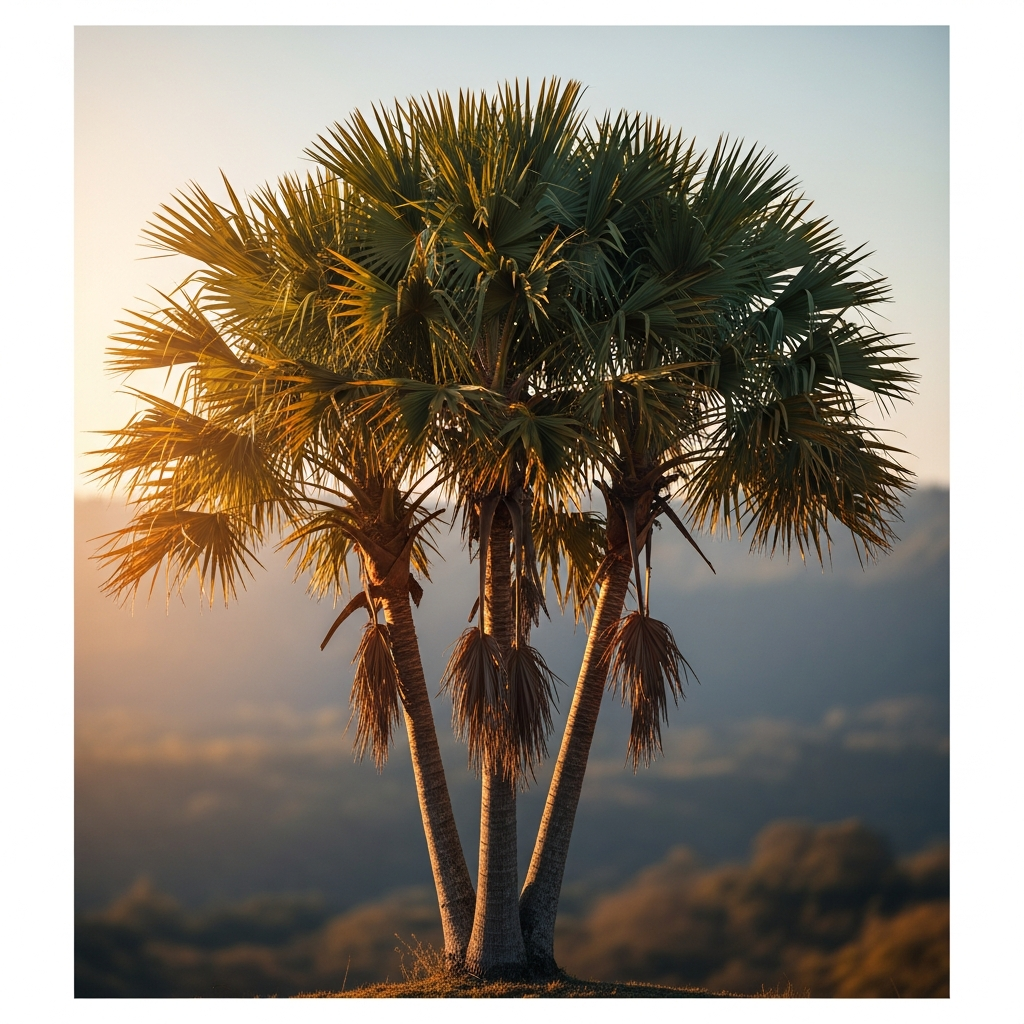
Stoneware mug, dishwasher safe
Buy Mug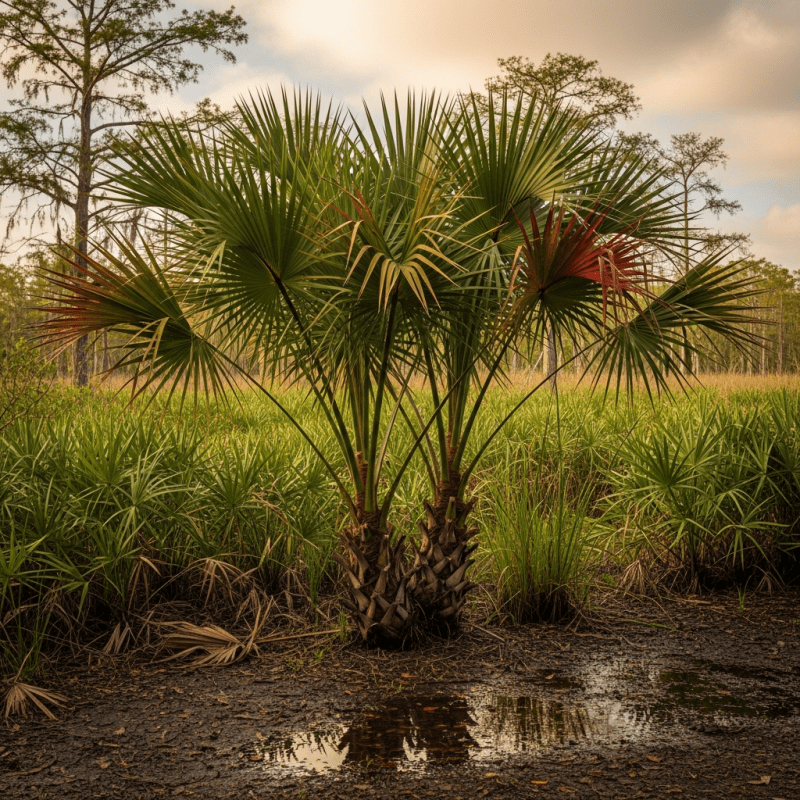
Soft cotton tee, unisex sizes
Buy ShirtIn Florida, the Paurotis Palm is often called the "Everglades Palm," reflecting its close association with the region’s iconic wetlands. Its presence in restoration projects underscores its ecological importance, and it is appreciated in landscape design for its unique beauty and wildlife value. Though not prominent in myth or art, its role in supporting native bird populations and enriching wetland ecosystems lends it quiet cultural significance in conservation and horticulture circles.
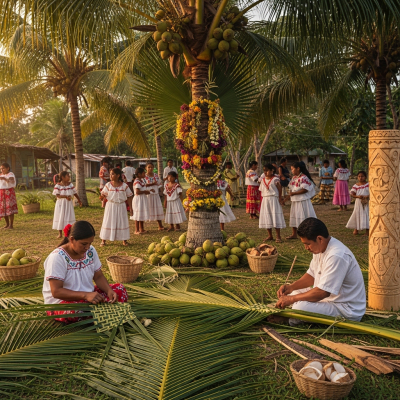
The palm family (Arecaceae) encompasses over 180 genera and approximately 2,600 species, ranging from towering coconuts (Cocos nucifera) and date palms (Phoenix dactylifera) to compact ornamentals like the Paurotis Palm (Acoelorrhaphe wrightii). This diversity spans continents and climates, with species adapted to rainforests, deserts, mountains, and wetlands.
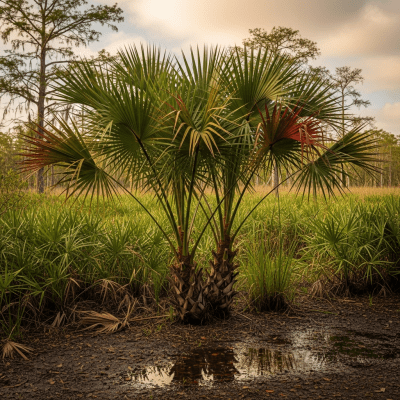


The Paurotis Palm is native to wet, seasonally flooded habitats in southern Florida, southeastern Mexico, Belize, Guatemala, Honduras, Cuba, and the Caribbean. It thrives in swamps, marshes, and along watercourses, where its roots withstand periodic inundation. Its adaptability also allows successful cultivation in subtropical and warm temperate regions worldwide, provided soils remain moist and drainage is adequate.
To cultivate Paurotis Palm, plant in moist, well-drained soils with full sun to partial shade. While it prefers wetlands and can tolerate periodic flooding, it is also resilient to drought and moderate salinity once established. Regular watering encourages lush growth, and occasional pruning of dead leaves maintains its tidy appearance. Protect young plants from severe frost and monitor for pests such as scale insects. Mature clumps may be divided for propagation.
The Paurotis Palm’s economic value lies chiefly in ornamental landscaping and ecological restoration. It is widely used in parks, gardens, and wetland rehabilitation, enhancing biodiversity and stabilizing soils. Unlike some palms, it is not harvested for timber, fruit, or fiber, and has limited commercial applications beyond its role as a landscape specimen and wildlife habitat enhancer.
Ecologically, the Paurotis Palm plays a vital role in wetland environments, providing shelter and nesting sites for birds and contributing to habitat complexity. Its dense clumps help stabilize soil and reduce erosion along water margins. In restoration projects, it aids in reestablishing native plant communities and supporting local fauna. As a non-invasive species, it poses minimal risk to surrounding ecosystems when cultivated responsibly.
Common threats to the Paurotis Palm include lethal yellowing disease—a serious condition affecting many palm species—and infestations by scale insects. Regular monitoring, prompt removal of affected fronds, and maintaining plant health through proper watering and soil management can help mitigate these risks. In areas prone to disease, sourcing disease-free plants and practicing good sanitation are recommended strategies.
The Paurotis Palm does not produce edible fruits or commercially valuable fibers. Its primary utilitarian role is as an ornamental plant and habitat provider in landscaping and restoration. The leaves, stems, and fruit are not harvested for food or craft, distinguishing it from other palms such as coconut or date palm.
While not currently listed as threatened, the Paurotis Palm’s natural populations are sensitive to habitat loss and wetland drainage. Conservation efforts focus on protecting native wetland habitats and promoting responsible cultivation for restoration projects. All known synonyms map to Acoelorrhaphe wrightii, and no major taxonomic ambiguities affect its status. Ongoing habitat protection is key to ensuring its continued survival in the wild.