Majesty Palm
The Majesty Palm (Ravenea rivularis) is a graceful, medium-sized palm native to Madagascar, prized worldwide as an ornamental houseplant for its lush, feathery fronds and adaptability to indoor environments.
The Majesty Palm (Ravenea rivularis) is a graceful, medium-sized palm native to Madagascar, prized worldwide as an ornamental houseplant for its lush, feathery fronds and adaptability to indoor environments.
Majesty Palm originates from the moist riverbanks and wetlands of southeastern Madagascar, where it thrives in humid, shaded habitats. It was formally described in 1913 by botanists Henri Lucien Jumelle and Joseph Marie Henry Alfred Perrier de la Bâthie. Unlike many cultivated palms, Majesty Palm is propagated directly from wild populations and commercial seed, with no known cultivars or breeding lines. Its journey from Madagascar to global popularity began with its introduction to horticulture as an attractive, resilient indoor plant.
Majesty Palm belongs to the family Arecaceae, the botanical group encompassing all true palms. Its scientific name is Ravenea rivularis, and it is classified as a solitary, monoecious species within the genus Ravenea. This places it firmly within the palm taxonomy, distinct from palm-like plants and unrelated species often confused in horticultural trade.
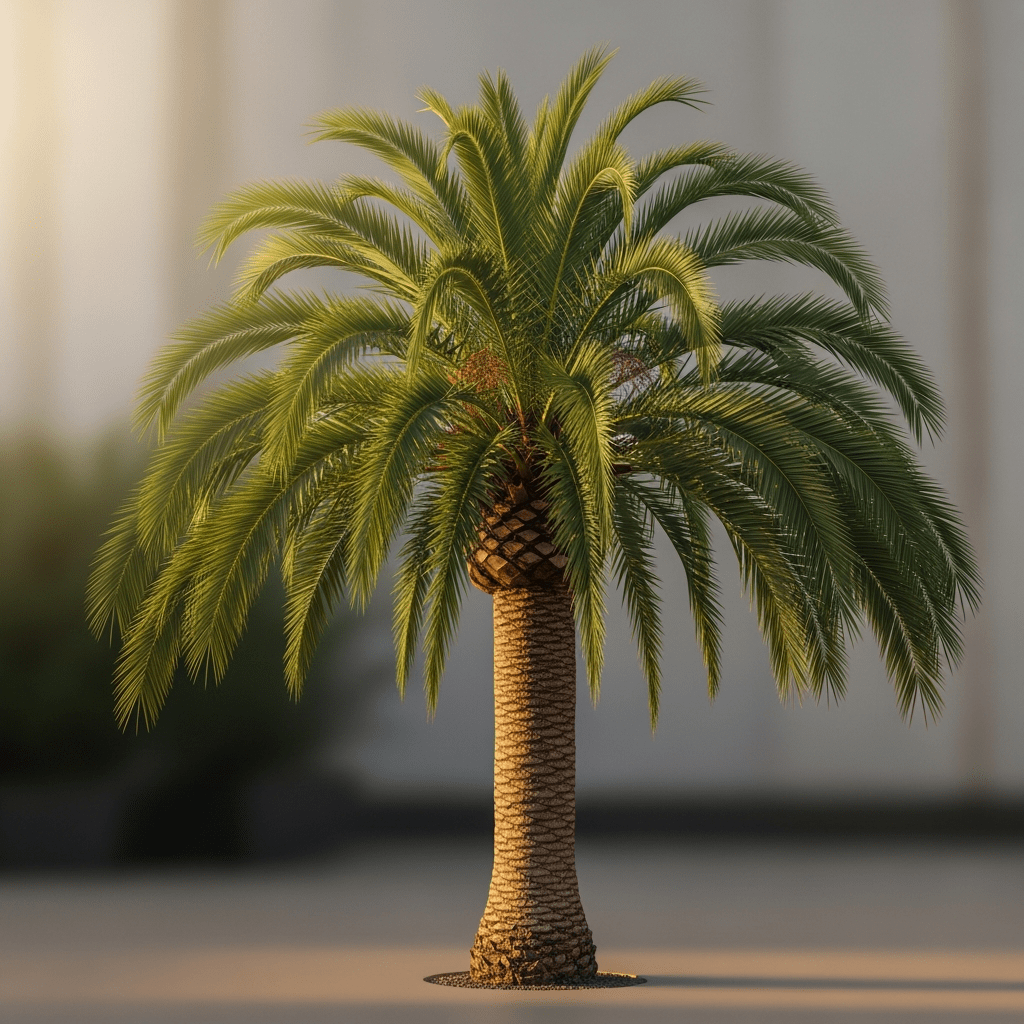
In its native habitat, Majesty Palm can reach heights of up to 30 meters, though cultivated specimens typically grow to 1–3 meters. It features a slender, smooth gray trunk marked by leaf scars, crowned with arching, pinnate leaves that can extend up to 2–3 meters in length. Each frond is composed of over a hundred narrow, bright green leaflets, creating a soft, feathery canopy. The palm produces small, yellowish flowers on interfoliar inflorescences, followed by orange-red, single-seeded drupes about 1–1.5 cm in diameter.
Majesty Palm is celebrated for its adaptability to indoor conditions, making it a favorite for interior landscaping and decorative use. Its moderate to fast growth rate, tolerance of container life, and air-purifying qualities enhance its appeal for homes and offices. While it thrives in moist, well-drained soils and high humidity, it requires regular watering and indirect light, and is sensitive to drought and dry air. The plant is almost exclusively used ornamentally, with no significant culinary or industrial applications.
Bring this kind into your world illustrated posters, mugs, and shirts.
Archival print, museum-grade paper
Buy Poster
Stoneware mug, dishwasher safe
Buy Mug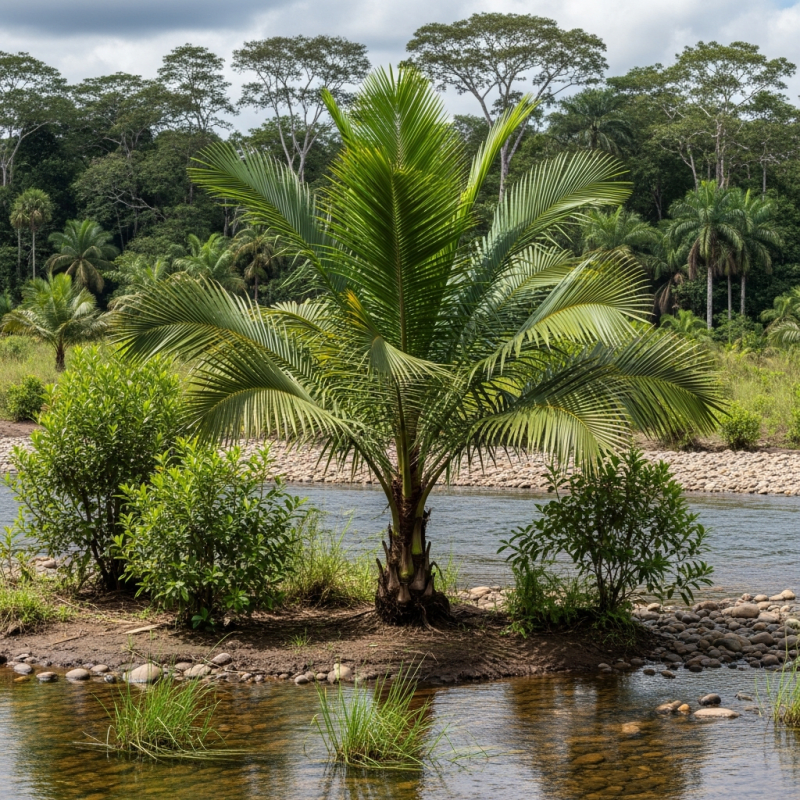
Soft cotton tee, unisex sizes
Buy ShirtMajesty Palm holds a place of esteem in modern horticulture and interior design, valued for its elegant form and ability to bring a tropical ambiance indoors. Its popularity as a houseplant has made it a symbol of lush, tranquil spaces, though it does not have deep historical or religious significance. The palm's aesthetic appeal and versatility have made it a staple in decorative plant collections worldwide.
Majesty Palm is one of approximately 2,600 palm species in the family Arecaceae, which includes a vast range of forms from towering coconut palms (Cocos nucifera) to compact date palms (Phoenix dactylifera). The genus Ravenea itself contains several species, but Ravenea rivularis is the most widely cultivated for ornamental use. Palms overall exhibit remarkable diversity in size, leaf shape, and habitat preferences.
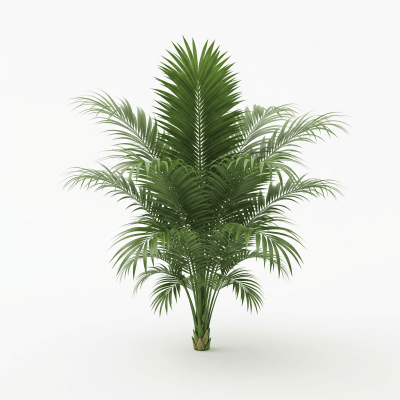
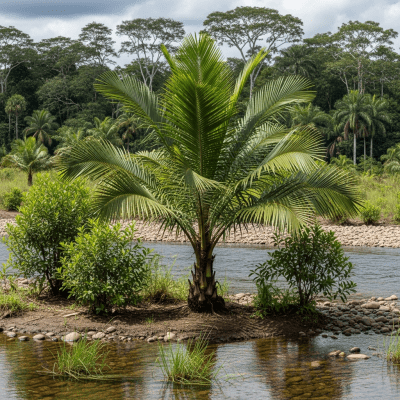

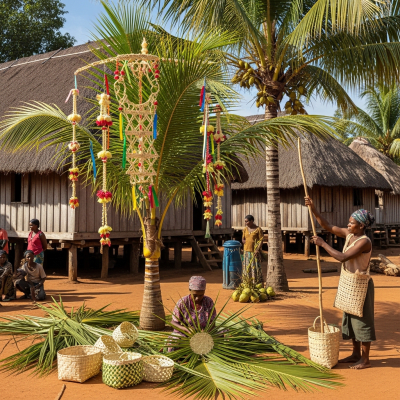
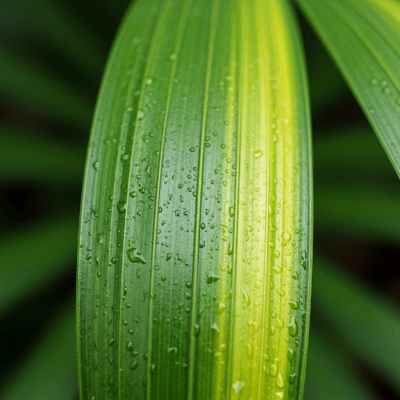
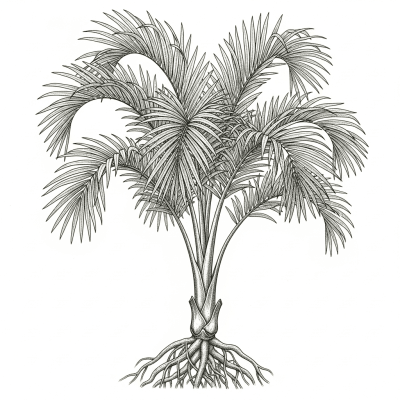
Majesty Palm is endemic to southeastern Madagascar, thriving along riverbanks and in moist, shaded lowland habitats. Its natural environment is characterized by high humidity, regular water availability, and rich, well-drained soils. While its wild distribution is limited, the species is now grown worldwide as a houseplant, adapting to indoor conditions far from its native range.
To cultivate Majesty Palm successfully, provide moist, well-drained soil, high humidity, and indirect light. Regular watering is essential, but avoid waterlogged conditions to prevent root rot. Indoor specimens benefit from misting and placement away from dry drafts. Fertilize lightly during the growing season and monitor for pests such as spider mites. The palm does not tolerate drought or low humidity, making attentive care crucial for healthy growth.
Majesty Palm's economic value lies primarily in the ornamental plant trade. It is widely sold for interior landscaping, patio decoration, and as a houseplant, appreciated for its beauty and air-purifying qualities. There are no significant commercial uses in agriculture or industry, and its propagation is focused on meeting demand for decorative greenery.
In its native habitat, Majesty Palm contributes to the ecology of Madagascar's riverbanks, providing shade and stabilizing soil. As an ornamental, its environmental impact is generally positive, offering air purification and aesthetic benefits indoors. However, wild populations may be vulnerable to habitat loss, and responsible sourcing is important to avoid depletion of natural stands.
Common threats to Majesty Palm include spider mites, root rot, and nutrient deficiencies, especially in dry or low-light indoor environments. Preventive care involves maintaining high humidity, proper watering, and regular inspection for pests. Prompt treatment with insecticidal soap and careful soil management can help mitigate these issues and promote healthy growth.
Majesty Palm does not produce edible fruits or utilitarian fibers. Its single-seeded orange-red drupes are not consumed, and the plant is grown exclusively for its ornamental value. Unlike some other palms, it has no documented culinary, industrial, or material uses.
While Majesty Palm is not currently listed as threatened, its wild populations in Madagascar may face risks from habitat loss and environmental changes. Conservation efforts focus on protecting native riverbank habitats and ensuring sustainable propagation for horticultural use. Responsible cultivation and sourcing help safeguard the species for future generations.