Kentia Palm
The Kentia Palm (Howea forsteriana) is a graceful, shade-tolerant palm native to Lord Howe Island, Australia, celebrated worldwide for its elegant fronds and exceptional adaptability as an indoor ornamental plant.
The Kentia Palm (Howea forsteriana) is a graceful, shade-tolerant palm native to Lord Howe Island, Australia, celebrated worldwide for its elegant fronds and exceptional adaptability as an indoor ornamental plant.
Endemic to the remote Lord Howe Island off Australia's east coast, the Kentia Palm was first formally described by botanist Odoardo Beccari in 1877. Its wild populations remain confined to this subtropical island, and all cultivated Kentia Palms originate from seed collected there or from established stock, with strict export quotas and phytosanitary controls in place to protect the species.
The Kentia Palm belongs to the family Arecaceae, the true palms, within the genus Howea. Its accepted scientific name is Howea forsteriana Becc. It is closely related to Howea belmoreana (Belmore Palm), both native to Lord Howe Island, but in horticulture, "Kentia Palm" refers exclusively to H. forsteriana.
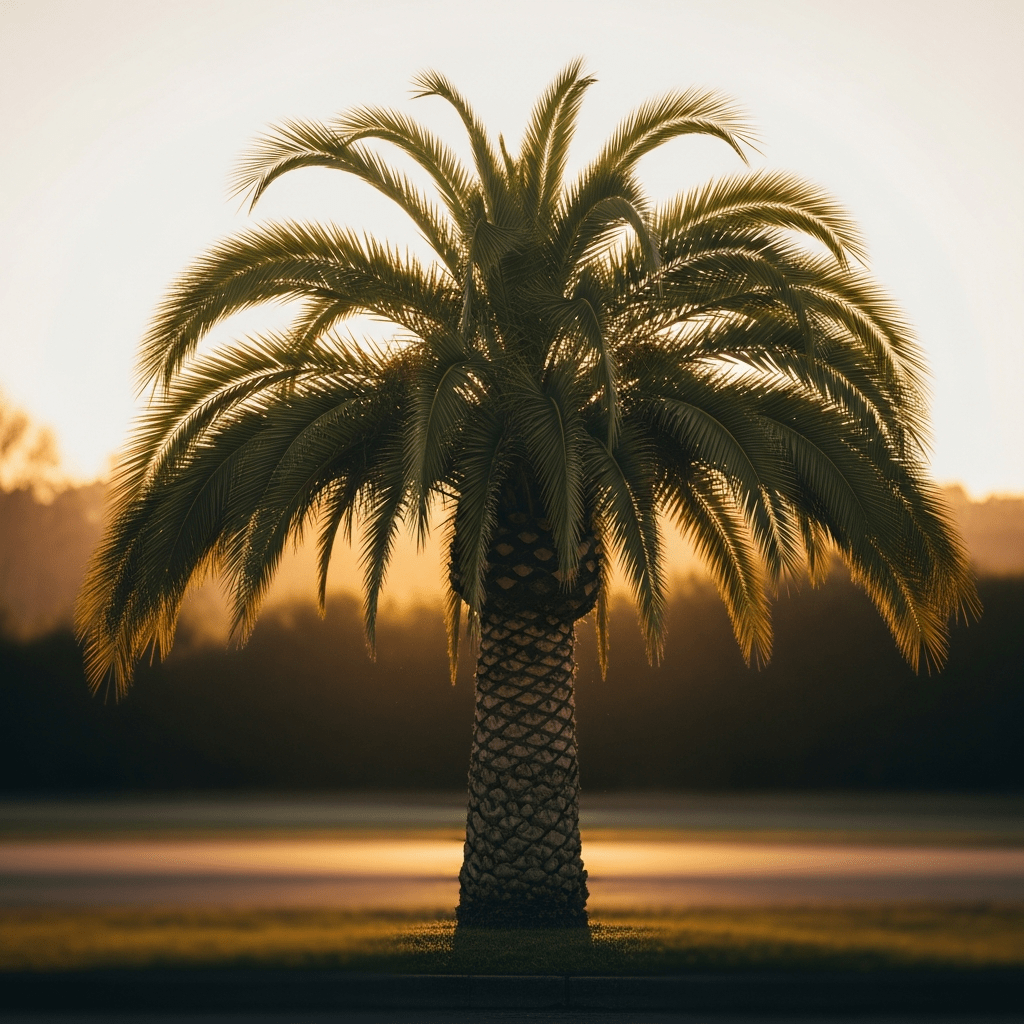
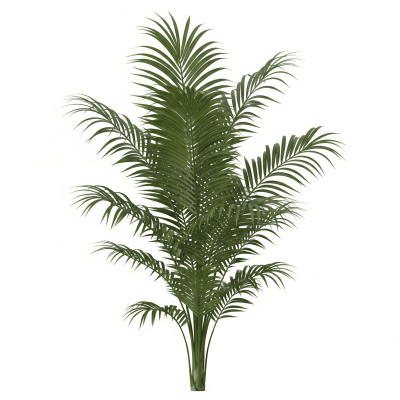
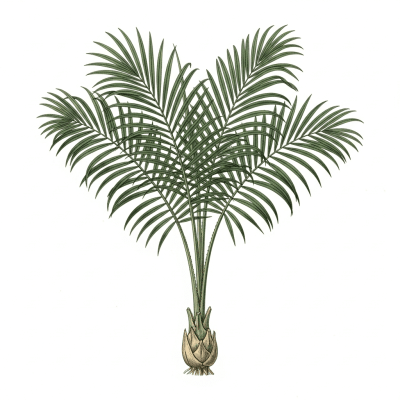
Kentia Palms feature a solitary, slender trunk marked by subtle rings and a soft gray hue, typically reaching up to 10–12 meters in their native habitat, though indoor specimens are much smaller. Their hallmark is the crown of long, arching, pinnate leaves—each frond stretching up to 3 meters—with leaflets arranged in a gentle, drooping cascade. The palm produces small, white to cream flowers, followed by oval, reddish-brown fruits about 1.5 cm long. The overall effect is one of understated elegance and lush greenery.
Renowned for its resilience and low-maintenance nature, the Kentia Palm thrives in low light and tolerates drought and dry indoor air, making it a favorite for homes, offices, and public spaces. Its slow to moderate growth and air-purifying qualities further enhance its appeal for interior design and landscaping in subtropical climates. The species is not used for food or fiber; its primary role is ornamental.
Bring this kind into your world illustrated posters, mugs, and shirts.
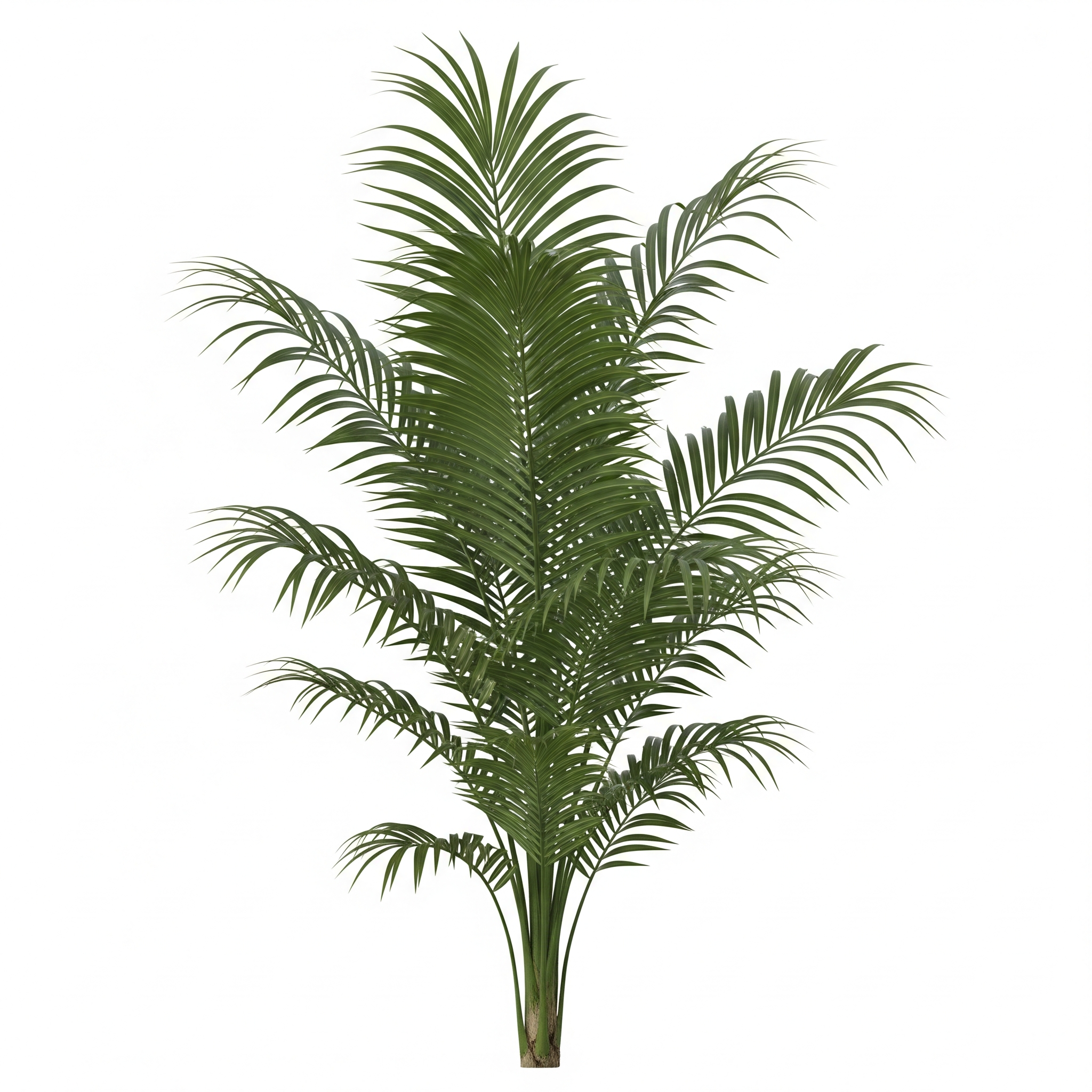
Archival print, museum-grade paper
Buy Poster
Stoneware mug, dishwasher safe
Buy Mug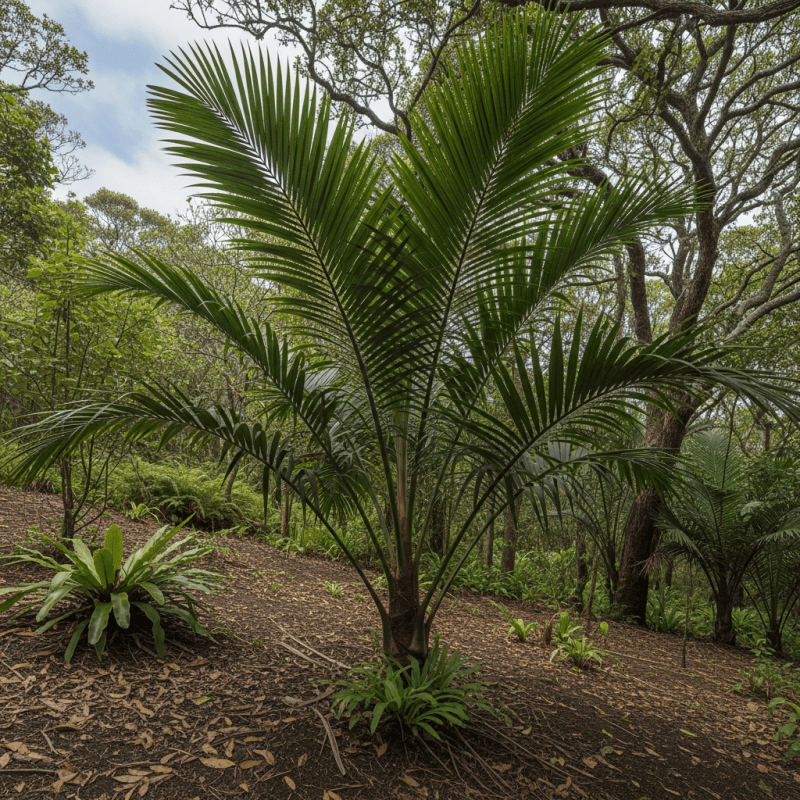
Soft cotton tee, unisex sizes
Buy ShirtSymbolizing elegance and tranquility, the Kentia Palm has graced stately homes, hotels, and public buildings since the Victorian era, when it became a coveted feature in European interiors. Today, it remains a major export from Lord Howe Island, protected by strict quotas to ensure sustainable harvest. Its presence in design and horticulture reflects both aesthetic refinement and a connection to rare, wild origins.
The Kentia Palm (Howea forsteriana) is one of two species in the genus Howea, both endemic to Lord Howe Island. The palm family Arecaceae encompasses over 180 genera and approximately 2,600 species globally, ranging from towering coconut palms to compact ornamental varieties. Kentia Palm stands out for its unique adaptation to indoor environments and its restricted natural range.
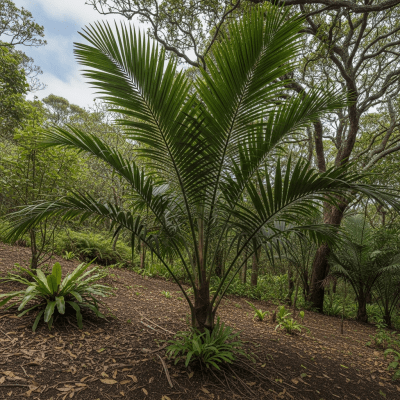

Kentia Palms are native exclusively to Lord Howe Island, a subtropical outpost in the Tasman Sea. In the wild, they grow in shaded forest understories and coastal areas with well-drained soils. Globally, they are cultivated as ornamentals in subtropical regions and indoors wherever conditions allow, but wild populations remain limited to their island home.
Kentia Palms are prized for their ease of care. They prefer well-drained soil and regular, moderate watering, but tolerate drought and low humidity. Indoors, they thrive in indirect light and benefit from occasional misting. Overwatering should be avoided to prevent root rot. Fertilize sparingly, and watch for pests such as scale insects or spider mites. With slow to moderate growth, they require minimal pruning and adapt well to container life.
The Kentia Palm's economic value lies almost exclusively in its ornamental use. It is a major export from Lord Howe Island, where strict regulations govern seed collection to protect wild populations. The palm is highly sought after for interior landscaping in homes, hotels, and public buildings, contributing to the island's horticultural trade and global reputation for premium ornamental plants.
In its native habitat, the Kentia Palm contributes to the unique biodiversity of Lord Howe Island's forests. Globally, its cultivation has minimal environmental impact, as it is grown primarily in controlled settings and does not become invasive. Conservation measures on Lord Howe Island help maintain wild populations and prevent overharvesting, supporting both ecological balance and sustainable trade.
Common threats to Kentia Palms include root rot—often caused by overwatering—and infestations of scale insects or spider mites, especially in indoor settings. Good drainage, careful watering, and regular inspection help prevent these issues. If pests appear, gentle washing or horticultural oils can be effective management strategies.
Kentia Palms do not provide edible fruits, oils, or fibers. Their value is strictly ornamental, with no documented culinary or utilitarian uses. The palm's graceful fronds and air-purifying qualities are its main contributions to human environments.
Wild Kentia Palm populations are protected by strict export quotas and phytosanitary controls on Lord Howe Island, ensuring sustainable harvest and preventing depletion. While not currently listed as threatened, ongoing conservation efforts and habitat protection are vital due to the species' limited natural range and global demand.