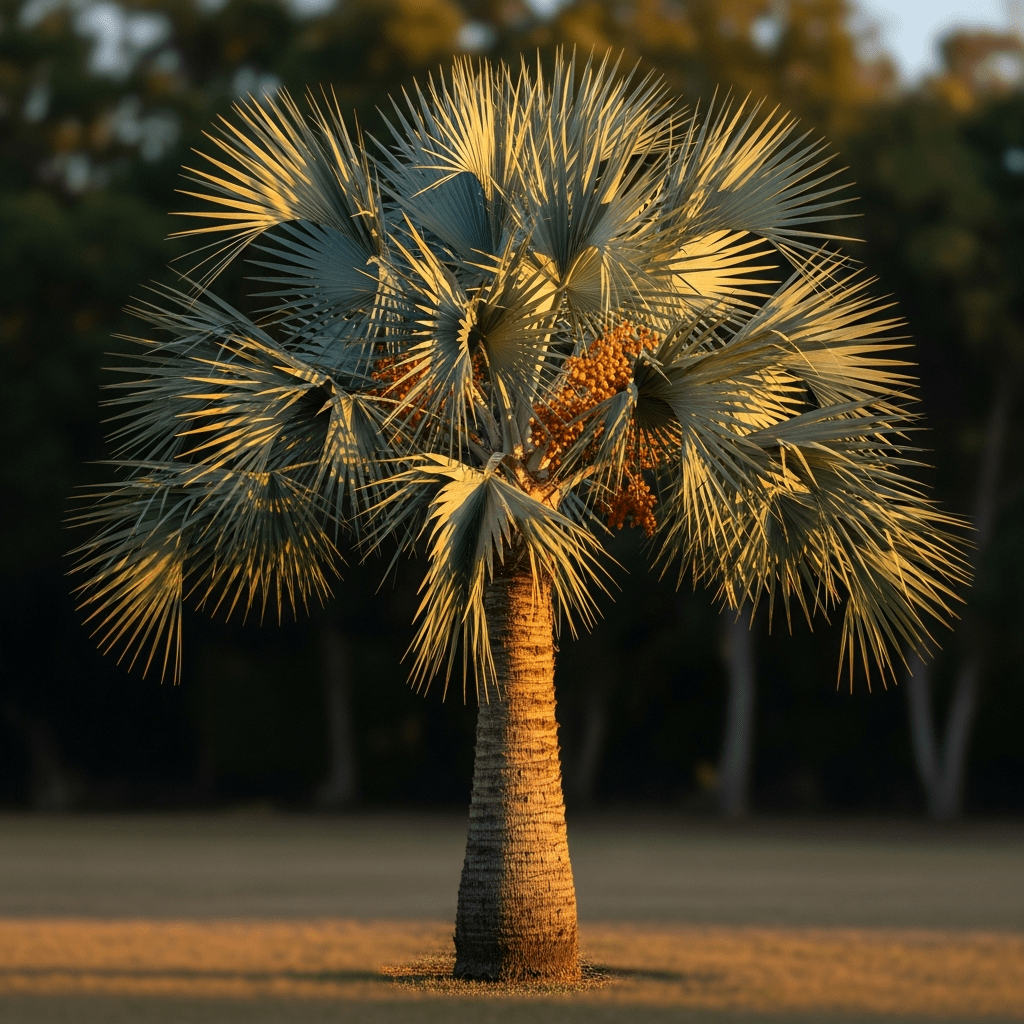
Jelly Palm
The Jelly Palm (Butia capitata) is a medium-sized, feather-leaved palm native to South America, celebrated for its sweet, aromatic fruit and graceful, cold-tolerant form.
The Jelly Palm (Butia capitata) is a medium-sized, feather-leaved palm native to South America, celebrated for its sweet, aromatic fruit and graceful, cold-tolerant form.
Originating in the grasslands and open woodlands of southern Brazil, Uruguay, and northern Argentina, the Jelly Palm was first described by Carl Friedrich Philipp von Martius and later revised by Odoardo Beccari. Its history is deeply rooted in local landscapes, where it has long been appreciated for both its edible fruit and ornamental beauty. Unlike many cultivated palms, the Jelly Palm is a wild species with a legacy of regional use and adaptation.
The Jelly Palm belongs to the family Arecaceae, the true palms, and is classified botanically as Butia capitata (Mart.) Becc. Within the palm family, it is part of the genus Butia, which comprises several feather-leaved species. Synonyms such as Butia odorata and Cocos capitata reflect ongoing taxonomic debate, but its distinctive morphology and South American origins firmly place it among the classic feather palms.
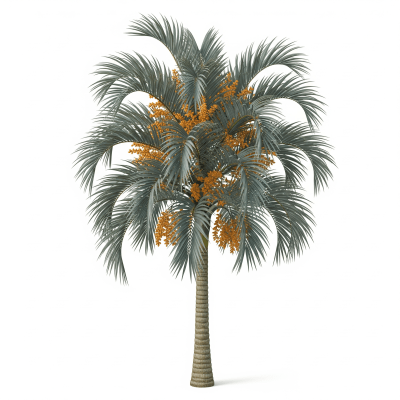
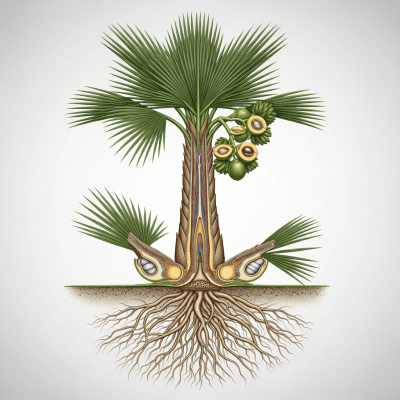
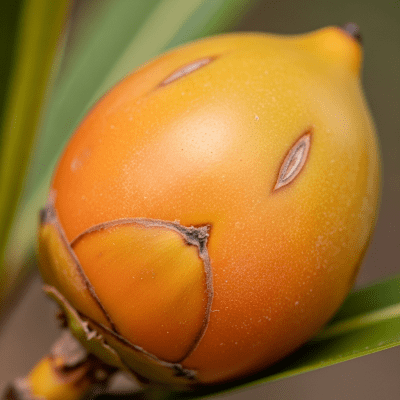
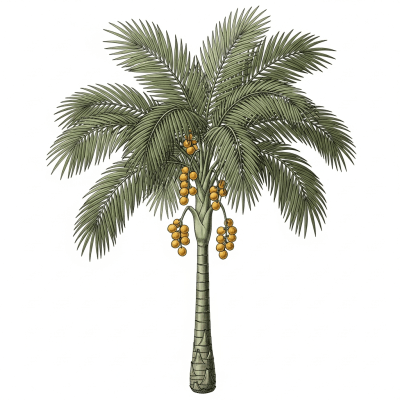
The Jelly Palm is instantly recognizable by its stout, solitary trunk (typically 30–60 cm in diameter) and arching, blue-green pinnate fronds that can reach up to 2–3 meters in length. Mature specimens grow to 4–8 meters tall, forming a robust silhouette. In summer, branched inflorescences produce clusters of small yellowish flowers, followed by globose to ovoid orange-yellow fruits, each 2–3 cm in diameter. The fruit’s fibrous, sweet pulp and the palm’s elegant foliage make it a favorite for both edible and ornamental purposes.
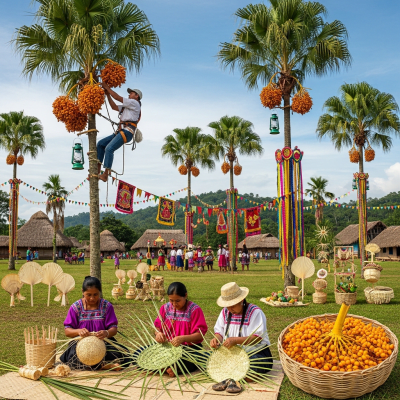
Jelly Palms are valued for their dual role: as a source of edible fruit and as a resilient, attractive landscaping plant. The sweet, tangy fruit is consumed fresh, made into jellies, jams, and preserves, or fermented into wine and liqueur. In gardens and parks, the palm’s cold tolerance (down to -10°C) and drought resistance make it a popular choice for subtropical and warm temperate climates. Its slow to moderate growth and manageable size suit both public spaces and private gardens.
Bring this kind into your world illustrated posters, mugs, and shirts.
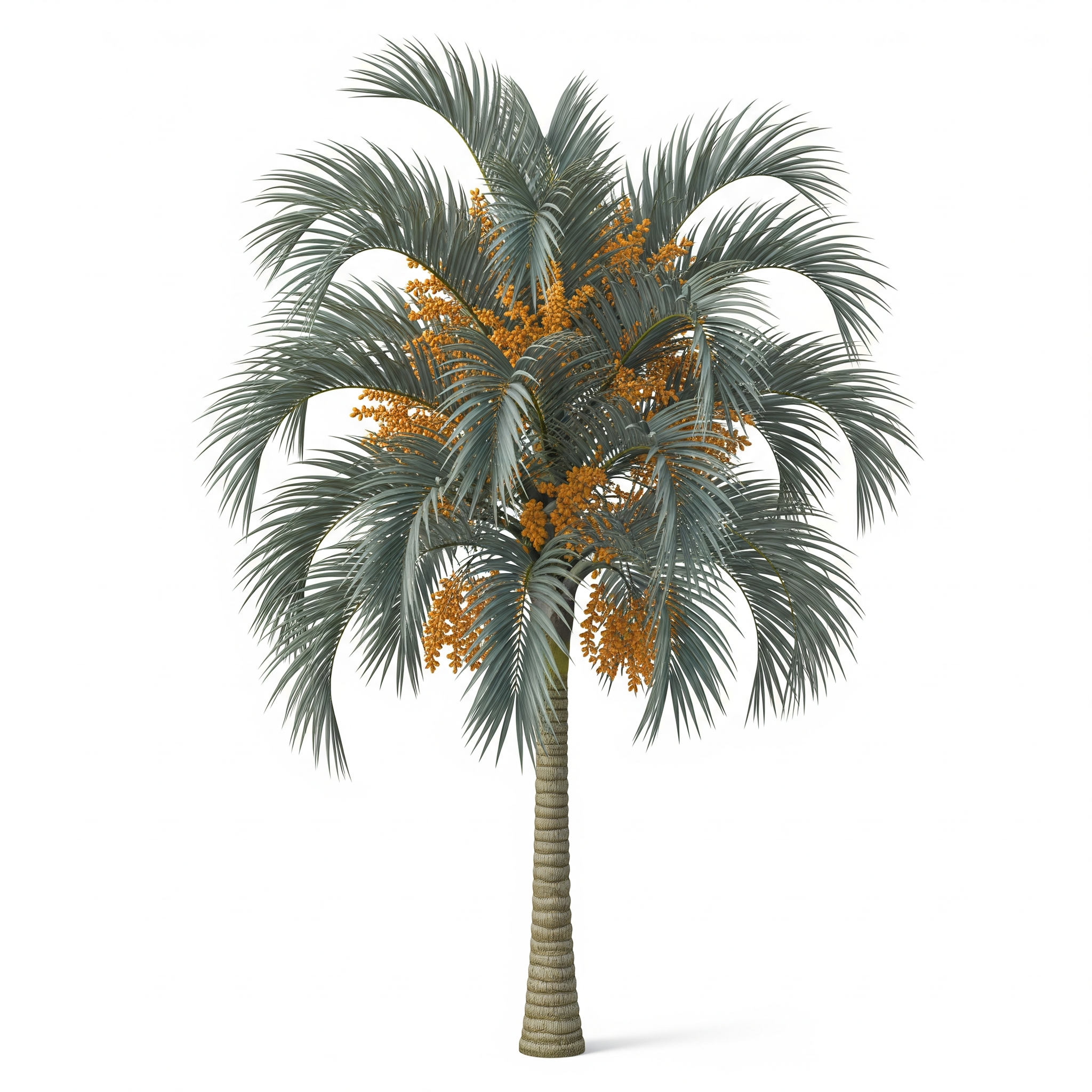
Archival print, museum-grade paper
Buy Poster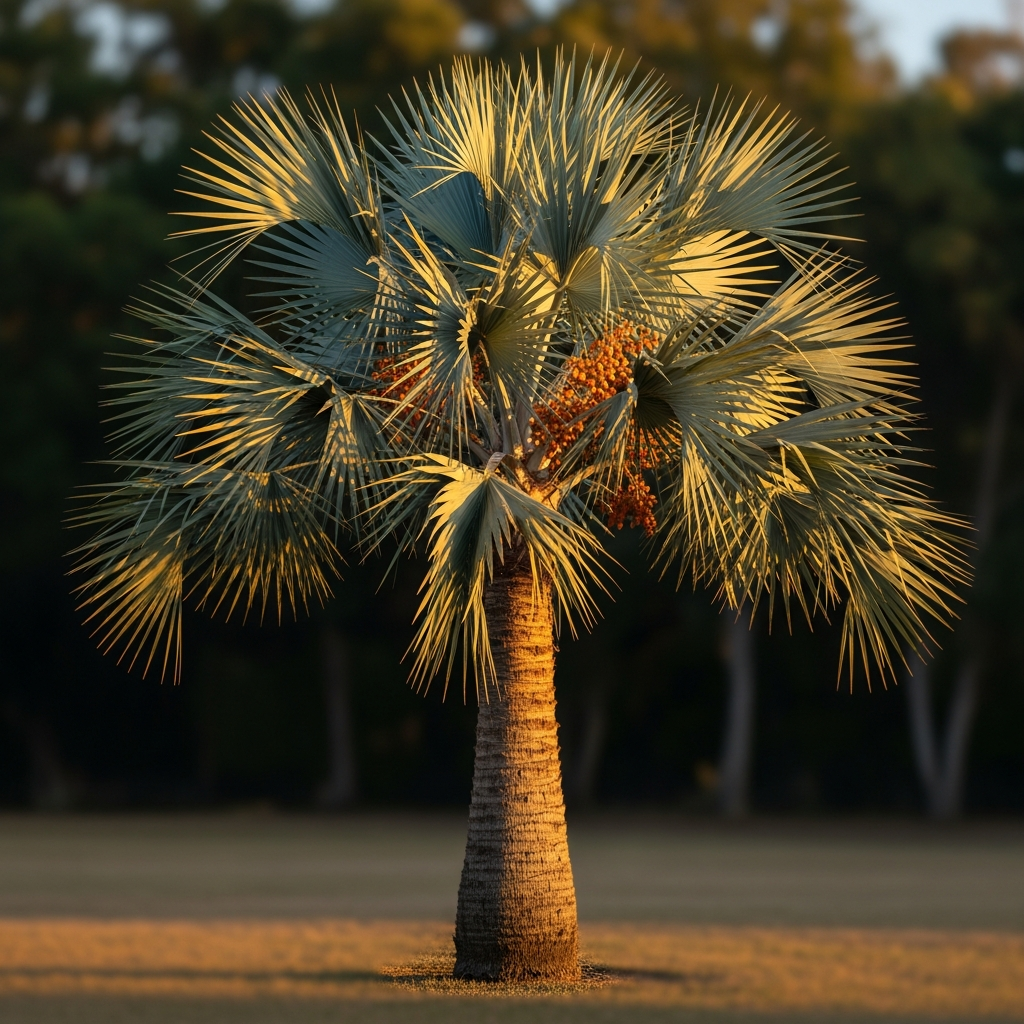
Stoneware mug, dishwasher safe
Buy Mug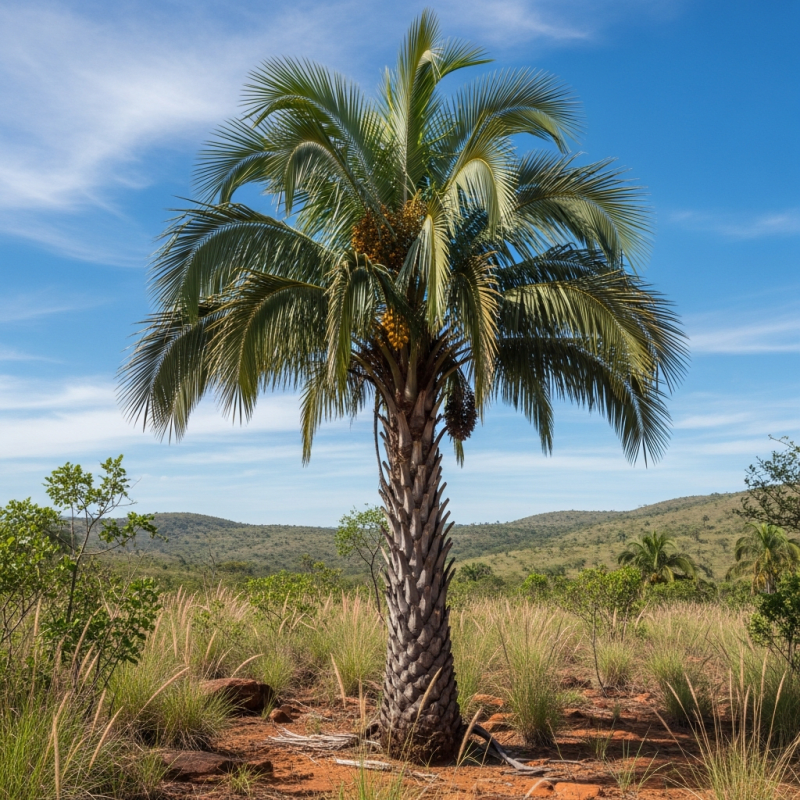
Soft cotton tee, unisex sizes
Buy ShirtLocally, the Jelly Palm’s fruit is a cherished ingredient in traditional preserves and beverages, contributing to regional culinary heritage. Its ornamental appeal has led to widespread planting in urban landscapes, where it symbolizes resilience and beauty. In South America, names like "Yatay" and "Palma Jataí" reflect its cultural integration, while in the United States, it is known as the "Pindo Palm" and is a familiar sight in southern gardens.
The genus Butia includes several species of feather-leaved palms native to South America, with Butia capitata being the most widely cultivated. Taxonomic distinctions within the genus remain under debate, particularly between B. capitata and B. odorata. Across the palm family, diversity is immense: Arecaceae encompasses over 180 genera and approximately 2,600 species, ranging from towering coconuts to compact ornamentals.
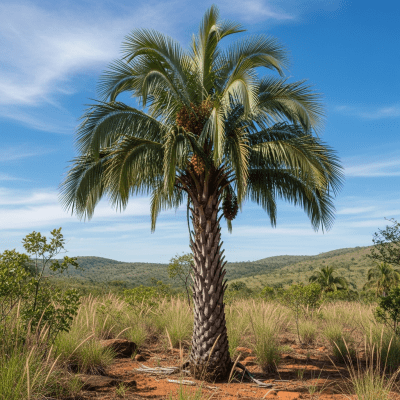
Jelly Palms thrive in open grasslands and woodlands of southern Brazil, Uruguay, and northern Argentina. Their adaptability to subtropical climates and tolerance of mild frost have enabled their spread to warm temperate regions worldwide, especially as ornamentals in parks and private gardens. In their native habitat, they are often found in well-drained soils and sunny exposures, forming part of the local ecosystem.
To cultivate Jelly Palms successfully, provide full sun and well-drained soil. They grow slowly to moderately, requiring patience for full maturity. Regular watering during establishment is beneficial, but mature palms are drought-tolerant. Protect young plants from severe freezes, though established specimens can withstand mild frost. Minimal pruning is needed, and occasional fertilization supports healthy growth and fruiting.
Jelly Palms hold economic value primarily at a local scale. Their fruit is harvested for fresh consumption and processing into jellies, jams, and fermented beverages, supporting cottage industries and regional markets. In landscaping, their cold tolerance and ornamental qualities drive demand in the horticultural trade, especially in areas unsuitable for more tropical palms. Large-scale commercial cultivation is limited, but their versatility sustains ongoing interest.
As a resilient palm adapted to diverse climates, the Jelly Palm contributes positively to urban and rural landscapes by providing shade, habitat, and aesthetic value. Its drought and frost tolerance reduce the need for intensive irrigation or protection, making it environmentally sustainable in suitable regions. In its native range, it supports local fauna by offering fruit and shelter, though widespread cultivation outside its habitat is generally non-invasive.
Jelly Palms are moderately resistant to most pests and diseases but can be affected by lethal yellowing and various fungal pathogens. Good cultural practices—such as avoiding overwatering, ensuring proper drainage, and monitoring for symptoms—help maintain plant health. Prompt removal of affected fronds and use of fungicides where necessary are standard management strategies.
The most celebrated part of the Jelly Palm is its fruit: orange-yellow, sweet, and aromatic, ideal for fresh eating, preserves, and fermentation. The pulp is rich in flavor and often made into jellies, jams, and wine. While the trunk and leaves are primarily ornamental, the palm’s robust form and attractive fronds also make it useful for landscaping and garden design.
Currently, the Jelly Palm is not listed as threatened and remains common in its native range and in cultivation. However, ongoing habitat changes and taxonomic uncertainties—such as the distinction between B. capitata and B. odorata—may affect future assessments. Conservation efforts focus on preserving natural populations and clarifying species boundaries to support biodiversity and sustainable use.