
Fishtail Palm
The Fishtail Palm (Caryota mitis) is a striking Southeast Asian palm recognized for its jagged, fishtail-shaped leaflets and versatile uses in ornamental landscaping and traditional culture.
The Fishtail Palm (Caryota mitis) is a striking Southeast Asian palm recognized for its jagged, fishtail-shaped leaflets and versatile uses in ornamental landscaping and traditional culture.
Native to the lush tropics of Southeast Asia—including India, Myanmar, Thailand, Malaysia, Indonesia, and the Philippines—the Fishtail Palm was first formally described by botanist João de Loureiro in 1790. It is a naturally occurring wild species, with no specific breeder or institution linked to its discovery. Its spread throughout the region is attributed to both natural dispersal and human appreciation for its unique form and utility.
The Fishtail Palm belongs to the genus Caryota within the family Arecaceae, which encompasses all true palms. Its accepted scientific name is Caryota mitis Lour., and it is closely related to other clustering palms in its genus. The family Arecaceae is distinguished by its monocotyledonous flowering plants, with the Fishtail Palm standing out for its bipinnate leaf structure and suckering growth habit.
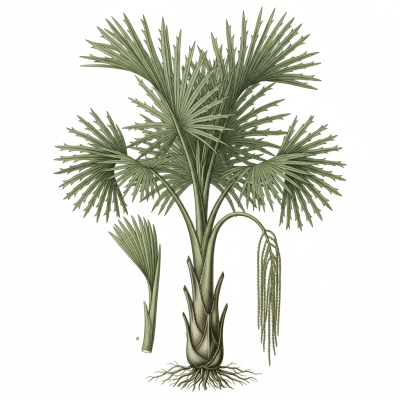
This palm is celebrated for its dramatic foliage: leaves are bipinnate, arching up to 3–6 meters long, with leaflets that resemble the tail of a fish—jagged, triangular, and deeply notched. Mature clumps can reach 6–12 meters in height, with slender trunks typically 15–30 cm in diameter. The plant grows in dense clusters, creating a lush, tropical effect. Its inflorescences are pendulous and axillary, producing small, purple-black fruits that contain calcium oxalate crystals, making them visually intriguing but not edible.
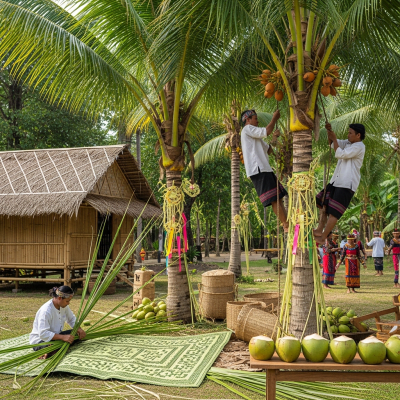
The Fishtail Palm is widely cultivated for its ornamental value, thriving in gardens, parks, and as a striking houseplant in warm climates. Its trunk pith yields sago starch, a traditional food source in parts of Southeast Asia. Leaf fibers are occasionally harvested for making ropes and brushes. The palm is also used as a boundary marker and features in local ceremonies, reflecting its integration into both practical and cultural spheres.
Bring this kind into your world illustrated posters, mugs, and shirts.
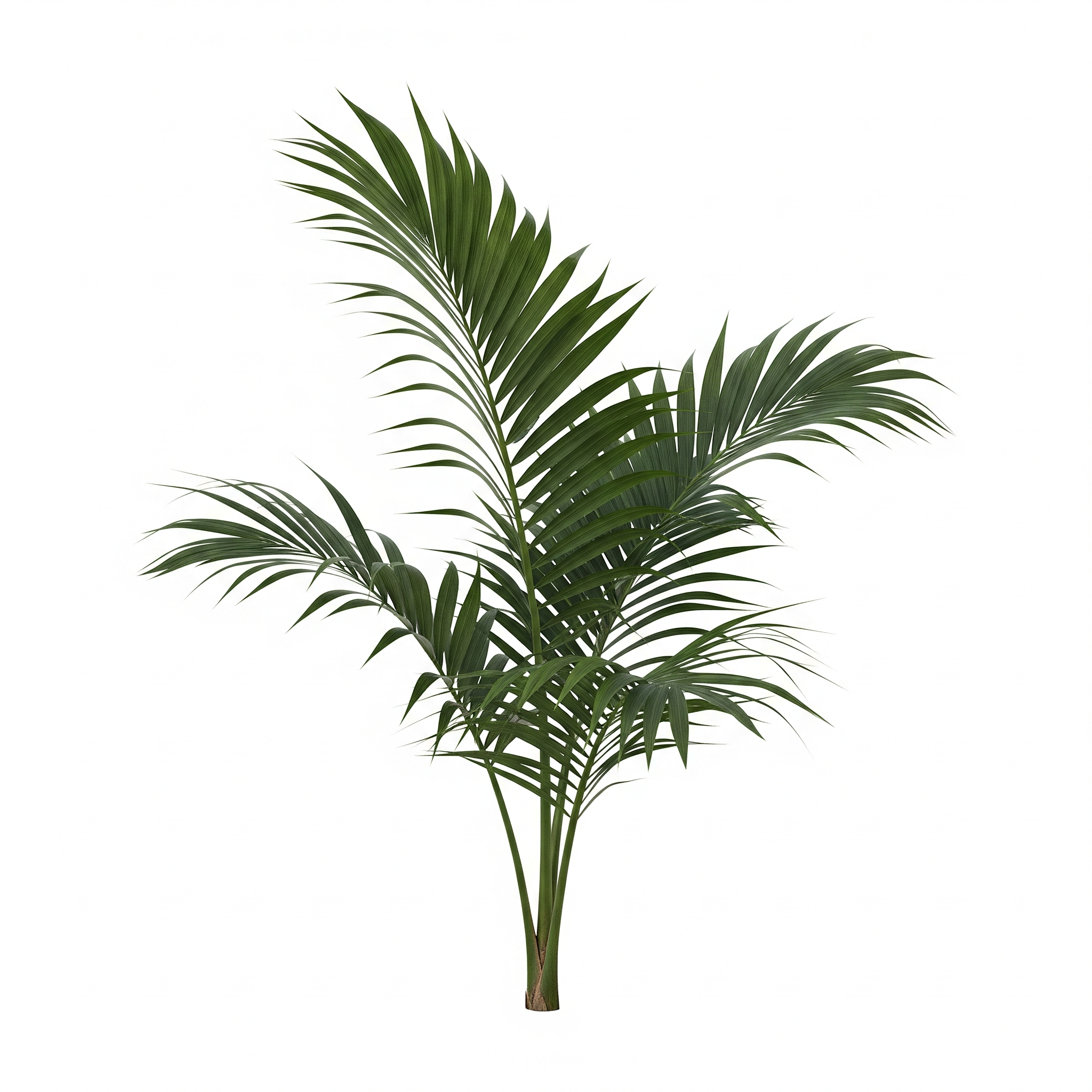
Archival print, museum-grade paper
Buy Poster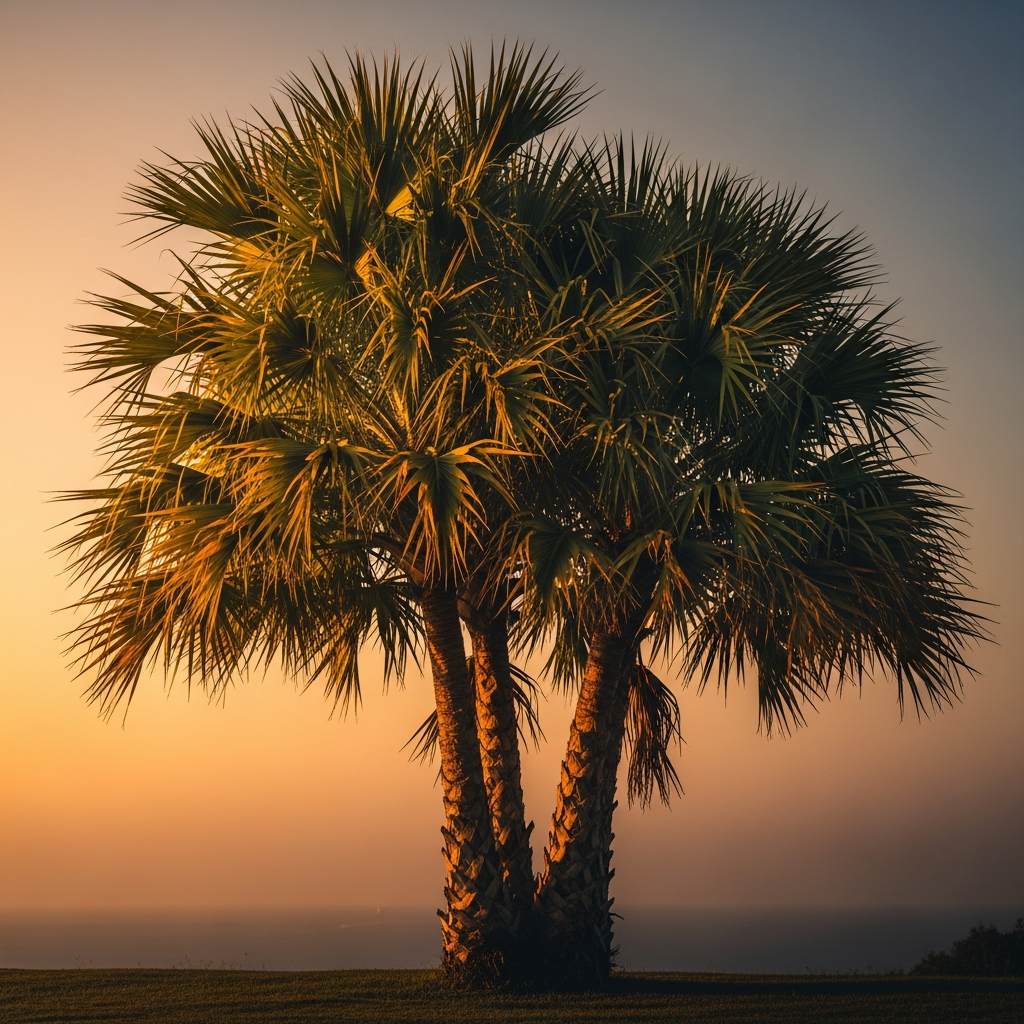
Stoneware mug, dishwasher safe
Buy Mug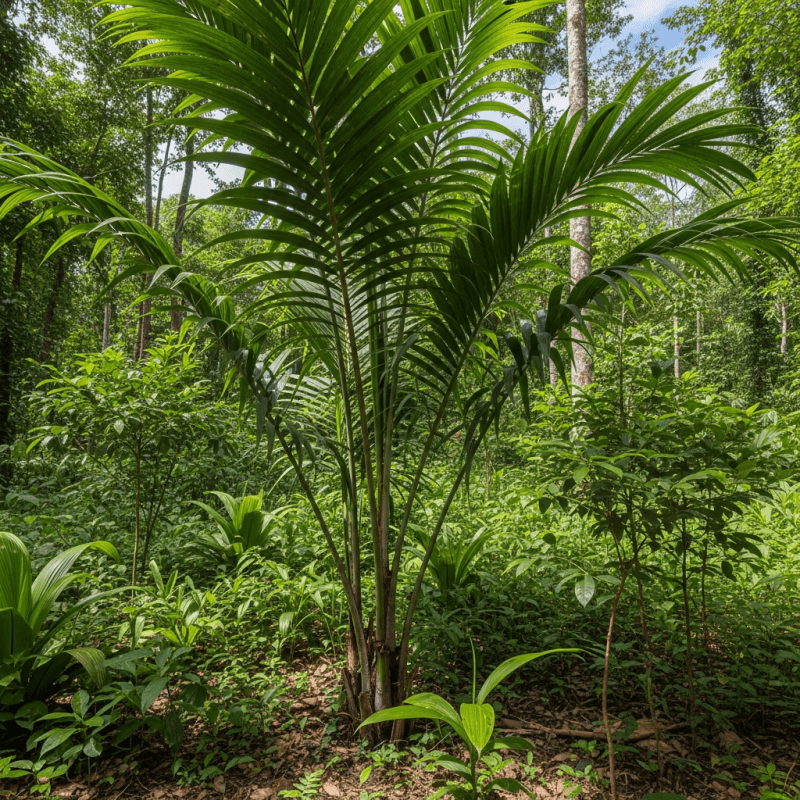
Soft cotton tee, unisex sizes
Buy ShirtIn Southeast Asian traditions, the Fishtail Palm is valued not only for its beauty but also for its role in ceremonies and as a symbolic boundary plant. Its presence in gardens and temples signifies both protection and prosperity, and it is sometimes included in ritual offerings. While not as widely mythologized as some other palms, its distinctive form and utility have earned it a respected place in regional horticulture and custom.
The genus Caryota includes several species of fishtail palms, with Caryota mitis being the most widely cultivated for ornamental purposes. Other notable species, such as Caryota urens, are more commonly used for large-scale sago production. Within the broader palm family (Arecaceae), there are over 2,600 species, ranging from towering coconut palms to compact, clustering varieties like the Fishtail Palm.
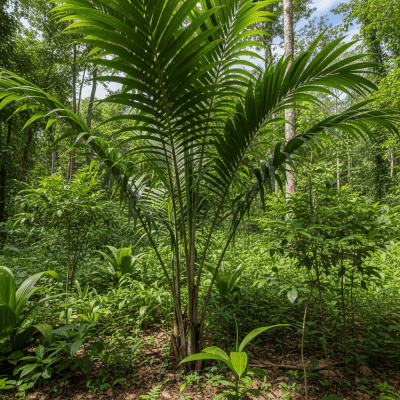

Fishtail Palms are native to humid, tropical forests across Southeast Asia, flourishing in countries such as India, Myanmar, Thailand, Malaysia, Indonesia, and the Philippines. They prefer moist, well-drained soils and are commonly found in lowland rainforests, secondary growth, and cultivated landscapes. Their adaptability has led to widespread cultivation in tropical and subtropical regions worldwide.
To cultivate Fishtail Palms successfully, provide a warm, humid environment with temperatures above 5°C. They thrive in moist, well-drained soils and benefit from regular watering, especially during dry periods. Partial shade to full sun is suitable, though young plants prefer some protection from intense sunlight. Avoid cold drafts and frost, as the palm is sensitive to low temperatures. Routine pruning of old fronds and monitoring for pests will keep plants healthy and attractive.
The Fishtail Palm holds economic value primarily as an ornamental plant, popular in landscaping and interior design for its dramatic foliage. In some regions, its trunk pith is harvested for sago starch, a local food staple. Leaf fibers are occasionally used in the production of ropes and brushes, though these uses are secondary to its role in the ornamental plant trade.
As a clustering palm, Caryota mitis contributes to the structural diversity of tropical forests, providing habitat and shade. Its adaptability allows it to thrive in disturbed areas, aiding in soil stabilization and ecosystem recovery. However, its fruit is toxic to many animals and humans, limiting its role in food webs. In cultivation, it poses minimal ecological risk when managed responsibly.
The primary threat to Fishtail Palms is lethal yellowing disease, a serious condition that can cause rapid decline and death. Preventive care includes maintaining healthy soils, avoiding stress, and monitoring for early signs of disease. Cold sensitivity is another concern; protect plants from temperatures below 5°C to prevent damage. Routine inspection and prompt removal of affected fronds help manage minor pest issues.
The trunk pith of the Fishtail Palm is a source of edible sago starch, consumed locally in Southeast Asia. Leaf fibers are sometimes harvested for making ropes and brushes. The fruit, while visually appealing, is not edible due to its irritant properties and should be handled with care. No oil or major commercial food products are derived from this species.
Caryota mitis is not currently listed as threatened and remains widespread across its native range. Its adaptability to cultivation and tolerance of various soils contribute to its stable status. However, habitat loss and disease (notably lethal yellowing) can impact local populations. Conservation efforts focus on preserving tropical forest habitats and monitoring for emerging threats.