Fan Palm
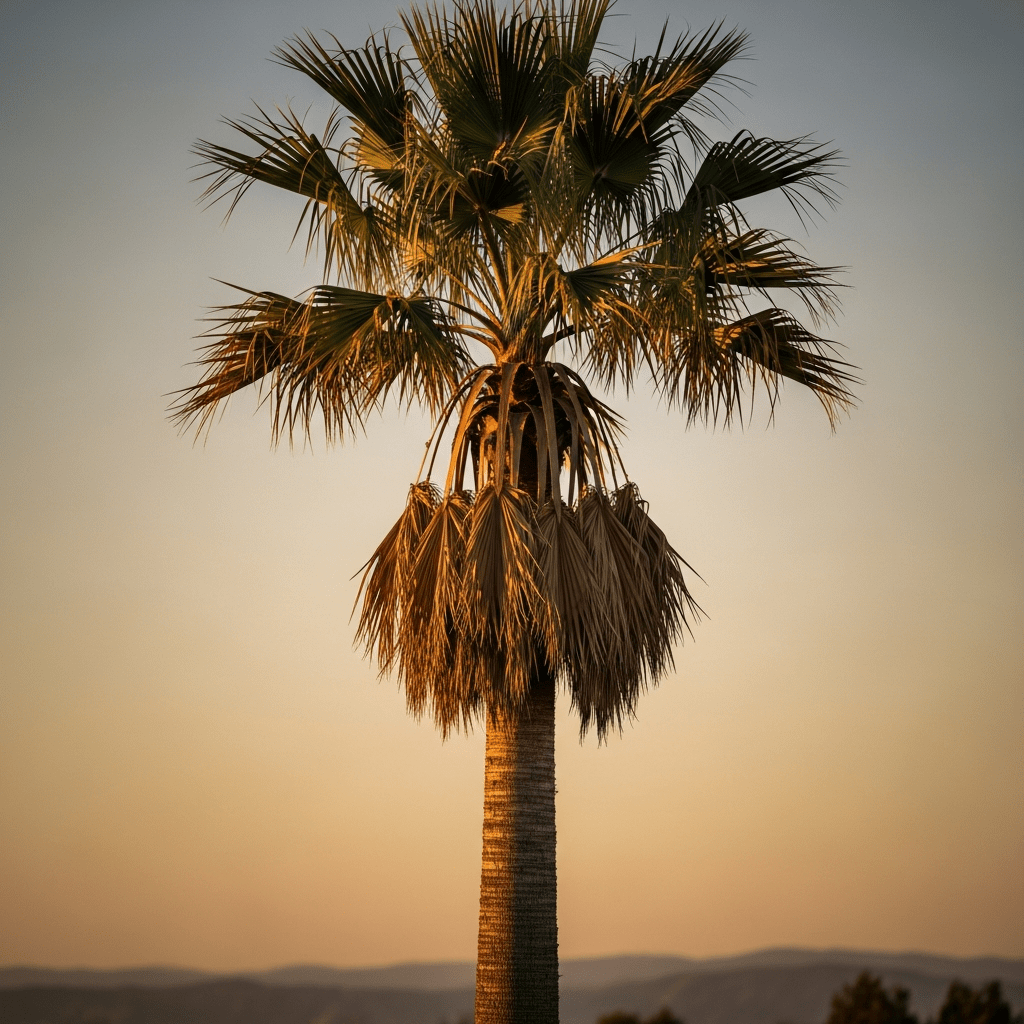
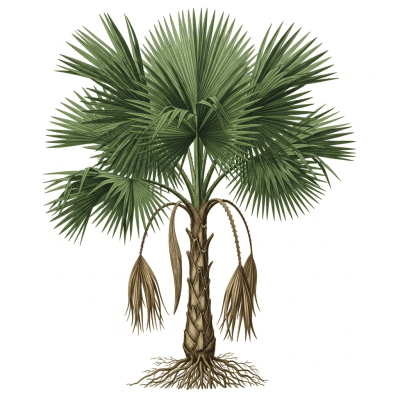
The Fan Palm is a tall, fast-growing palm tree distinguished by its dramatic fan-shaped leaves and slender trunk, most commonly referring to Washingtonia robusta, a popular ornamental species native to northwestern Mexico.
The Fan Palm is a tall, fast-growing palm tree distinguished by its dramatic fan-shaped leaves and slender trunk, most commonly referring to Washingtonia robusta, a popular ornamental species native to northwestern Mexico.
Washingtonia robusta, the species most often called Fan Palm, originates from the Baja California peninsula and Sonora, Mexico. First described by Hermann Wendland in 1879, it is a wild species that has become widely cultivated for landscaping since the late nineteenth century. Its natural range is arid and subtropical, but its adaptability has led to global introduction in warm climates.
The Fan Palm belongs to the family Arecaceae, within the genus Washingtonia. It is classified as Washingtonia robusta H.Wendl. in botanical nomenclature. The family Arecaceae encompasses all true palms, and the term "fan palm" more broadly describes palms with palmate leaves, though Washingtonia robusta is the primary horticultural referent. Its closest relatives include Washingtonia filifera, with which it can hybridize.
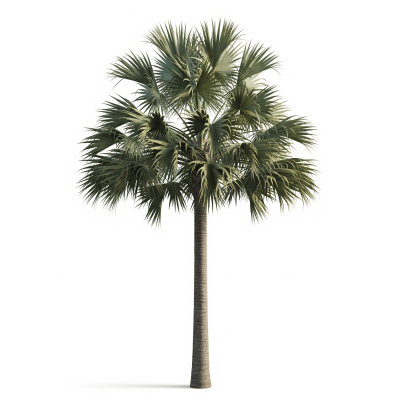
Fan Palms are visually striking, with slender, gray trunks marked by leaf scars and often swollen at the base. Mature trees can soar to heights of 25–30 meters, crowned by a canopy of large, bright green, fan-shaped leaves up to 1 meter across. The long petioles are lined with small spines, adding texture. In spring, the tree produces dramatic, branched panicles of cream-colored flowers, followed by clusters of small, black drupes.
Primarily valued for ornamental landscaping, Fan Palms thrive in urban and garden environments, lending a tropical silhouette to streetscapes and parks. Their rapid growth, drought tolerance, and resistance to wind and pollution make them ideal for city planting. While the fruit is edible, it is rarely consumed and has minimal commercial use; propagation is almost exclusively by seed.
Bring this kind into your world illustrated posters, mugs, and shirts.
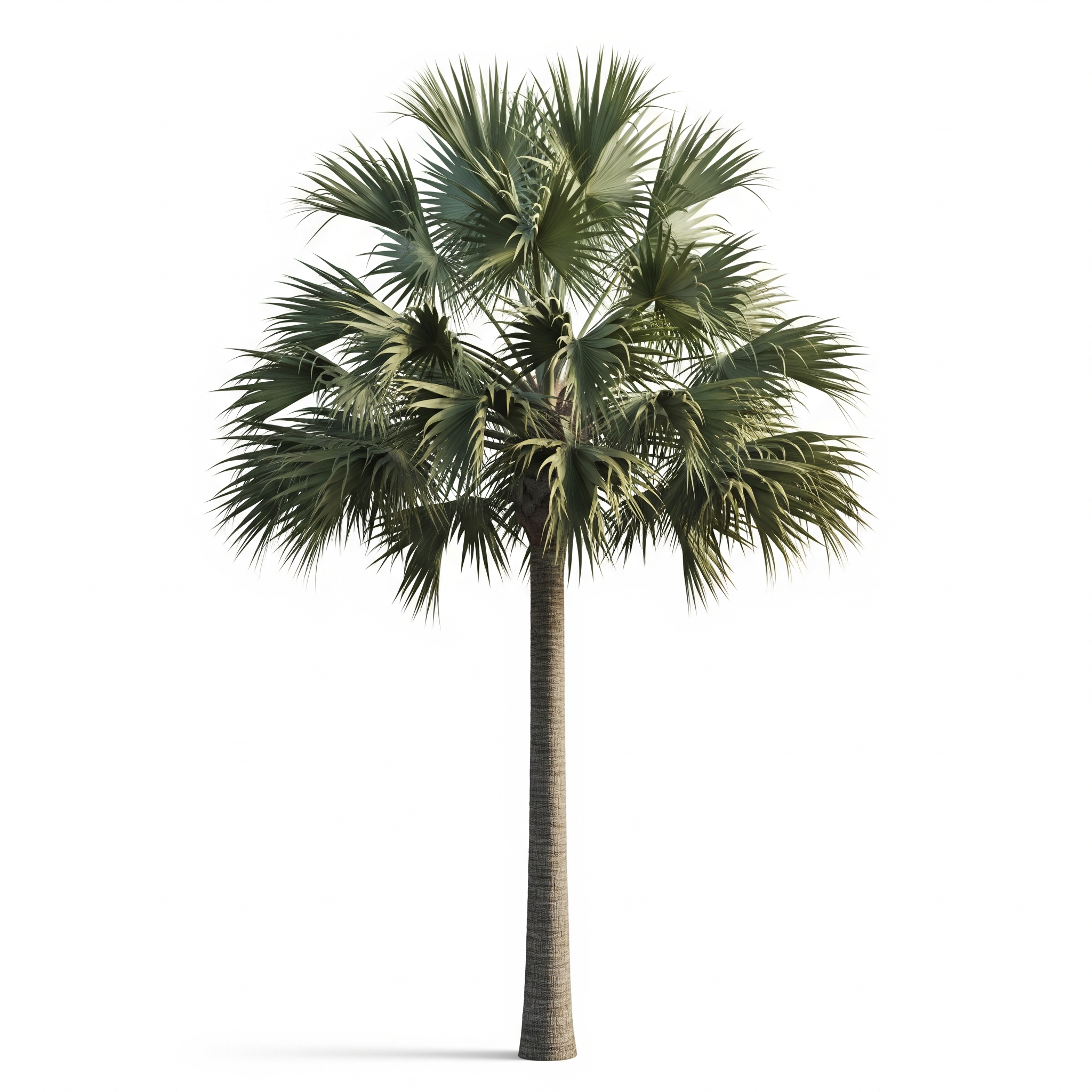
Archival print, museum-grade paper
Buy Poster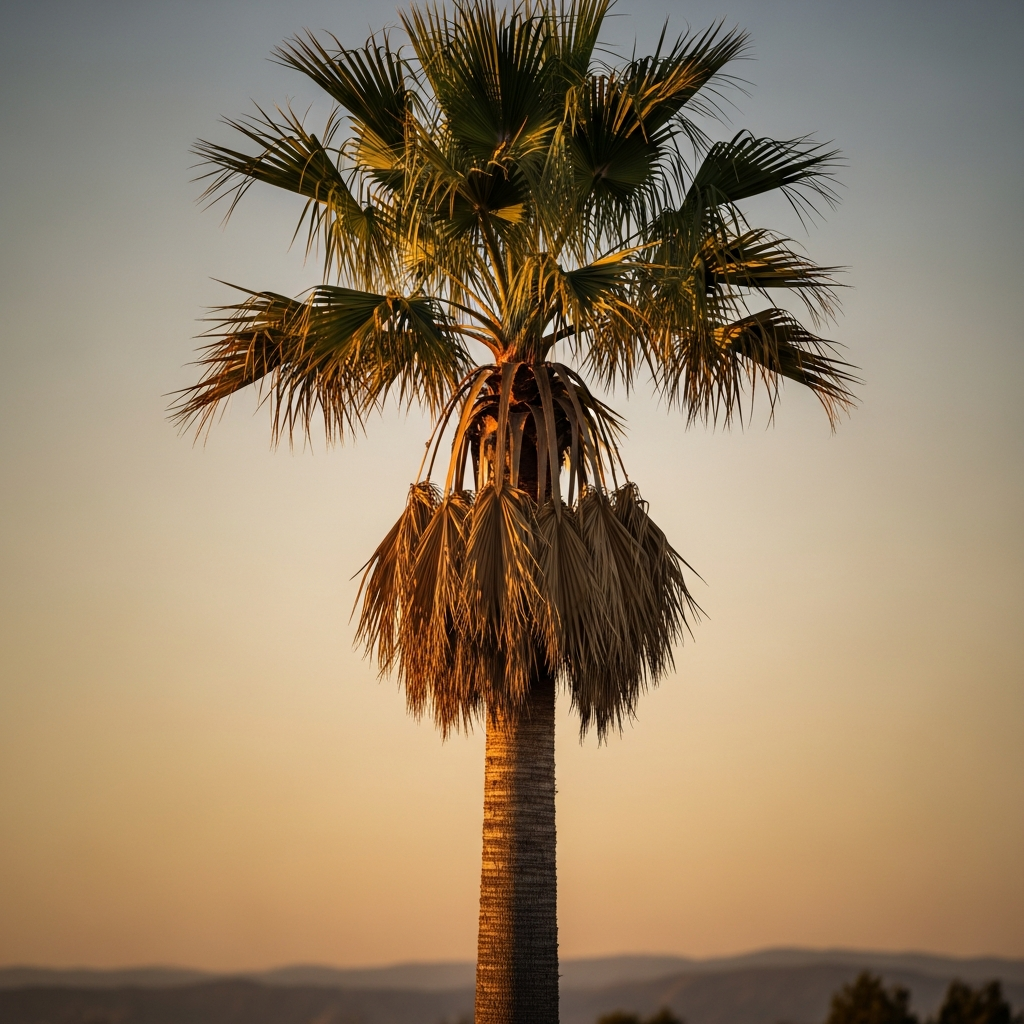
Stoneware mug, dishwasher safe
Buy Mug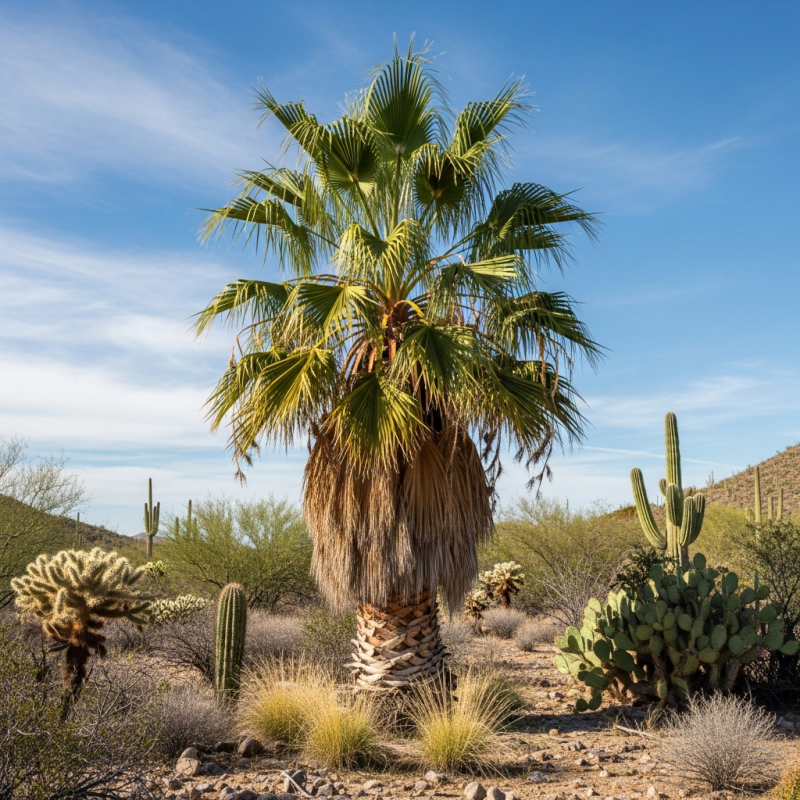
Soft cotton tee, unisex sizes
Buy ShirtThe Fan Palm is an iconic element of Mediterranean and subtropical landscape design, instantly recognizable in skylines from Los Angeles to the Mediterranean coast. Historically, indigenous peoples used its fruit as a minor food source. Today, the palm’s elegant form symbolizes warmth, leisure, and urban sophistication, frequently featured in art, film, and tourism imagery.
While "fan palm" can refer to any palm with palmate leaves, Washingtonia robusta is the most widely cultivated species in this group. Other notable fan-leaved palms include Washingtonia filifera (California fan palm), Livistona species, and Chamaerops humilis. The genus Washingtonia comprises only two main species, but hybridization between them adds to their horticultural diversity.
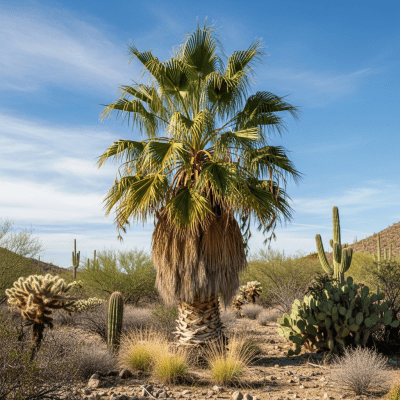

Fan Palms are native to arid and subtropical regions of northwestern Mexico, particularly the Baja California peninsula and Sonora. Due to their adaptability, they are now found in warm climates worldwide, thriving in Mediterranean, subtropical, and desert urban landscapes. Their tolerance for drought and brief cold spells enables successful cultivation in USDA zones 9–11.
Fan Palms prefer well-drained soils and regular watering, though they become drought-tolerant once established. They thrive in full sun and are hardy to USDA zones 9–11, tolerating brief cold snaps. Propagation is by seed, which germinates readily in warm, moist conditions. Routine care includes removal of dead fronds and monitoring for fungal diseases in humid climates.
The economic value of Fan Palms lies almost entirely in ornamental landscaping and urban greening. Their rapid growth, striking appearance, and resilience make them a staple in city planning and garden design across warm regions. There is minimal commercial use for fruit or timber, and no significant agricultural industry is associated with the species.
Fan Palms contribute to urban biodiversity, providing habitat and shade in city environments. Their drought tolerance and pollution resistance support sustainable landscaping. However, in some regions, escaped cultivation can lead to naturalization, and care should be taken to prevent invasive spread. The species is not known to pose major ecological challenges in its introduced range.
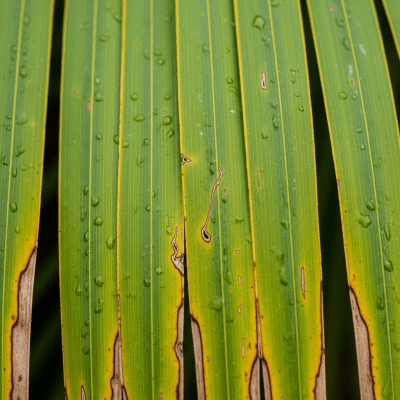
Common threats to Fan Palm health include Fusarium wilt and pink rot, particularly in humid climates. Management strategies involve proper sanitation, removal of infected material, and avoiding overwatering. The species is generally robust against pests and tolerates urban stresses well, but regular monitoring helps prevent disease outbreaks.
The small black fruit of the Fan Palm is edible but rarely harvested, having served as a minor food source for indigenous peoples. The tree’s primary utility is ornamental; its leaves and trunk are not widely used for fiber or construction, and there is no significant oil or timber yield.
Washingtonia robusta is not currently listed as threatened and remains common both in its native range and in cultivation. There are no major conservation concerns for the species, though habitat preservation in its native regions supports overall palm diversity. Monitoring for disease and maintaining genetic diversity in cultivated populations are recommended best practices.