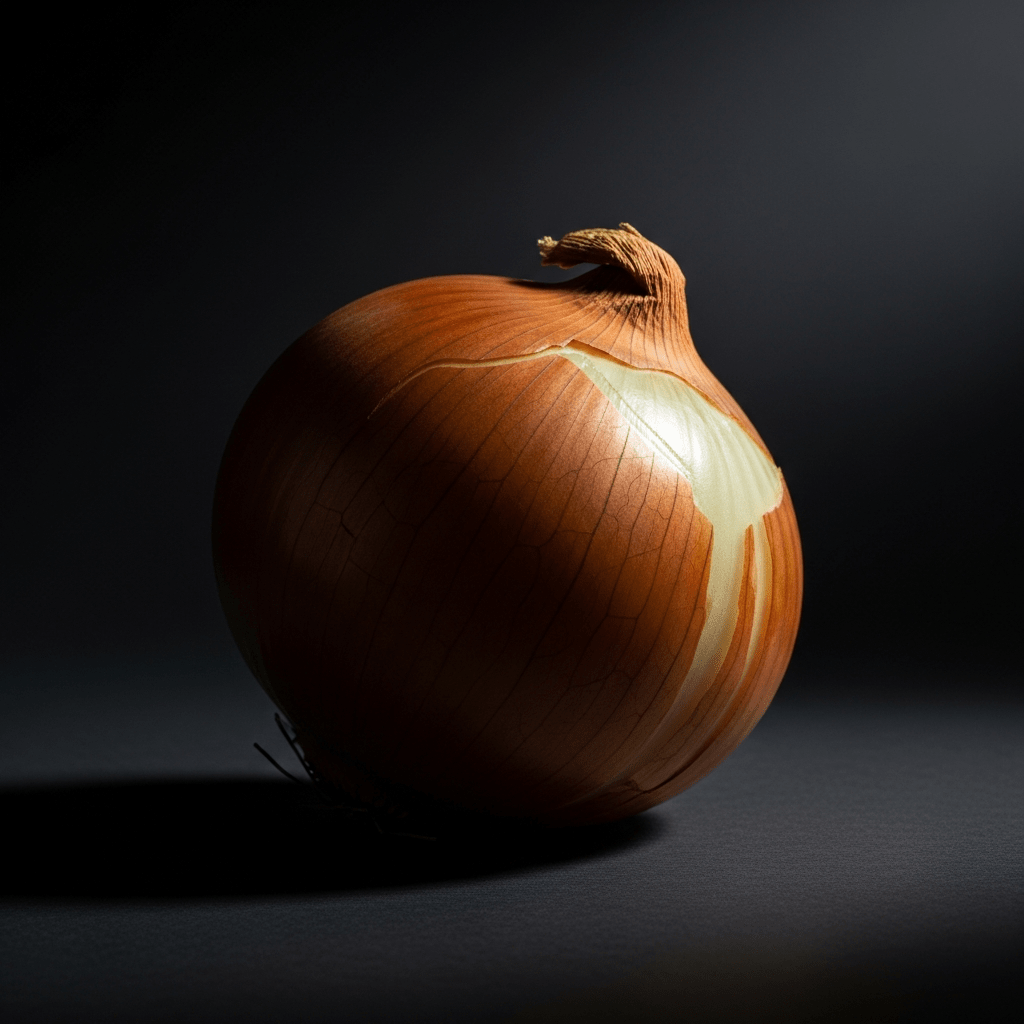
Yellow Onion
The yellow onion is the most widely cultivated and consumed onion type globally, distinguished by its brown to yellow papery skin and pungent white flesh, prized for its versatility and long shelf life.
The yellow onion is the most widely cultivated and consumed onion type globally, distinguished by its brown to yellow papery skin and pungent white flesh, prized for its versatility and long shelf life.
Originating from Central Asia and the Iran/Pakistan region, the yellow onion represents a broad market class developed over centuries. It encompasses numerous cultivars bred worldwide for improved storage, yield, and disease resistance, rather than stemming from a single breeder or lineage.
Yellow onions belong to the species Allium cepa, the common onion, and form a major market class within this species. They are classified botanically as globe-shaped bulb onions and commercially as storage and cooking onions, alongside other types like red and white onions.
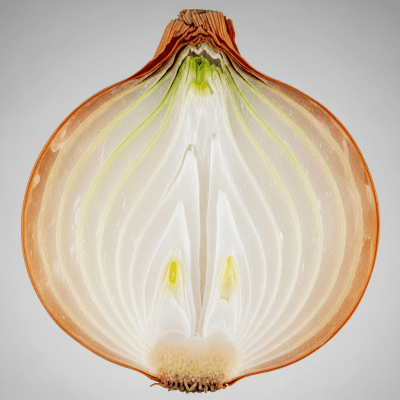
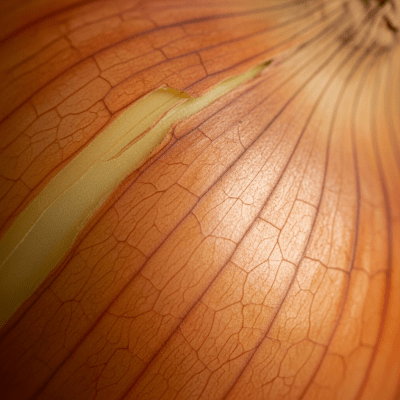
Yellow onions typically have medium to large, globe-shaped bulbs covered with dry, papery skins ranging from pale yellow to deep brown. Inside, their flesh is firm and white, offering a pungent aroma and sharp flavor when raw.
Functioning as a staple ingredient worldwide, yellow onions are valued for their strong pungency that mellows and sweetens upon cooking. They serve as the default onion for sautéing, caramelizing, roasting, and inclusion in soups, stews, and processed foods, making them indispensable in kitchens.
Bring this kind into your world illustrated posters, mugs, and shirts.

Archival print, museum-grade paper
Buy Poster
Stoneware mug, dishwasher safe
Buy Mug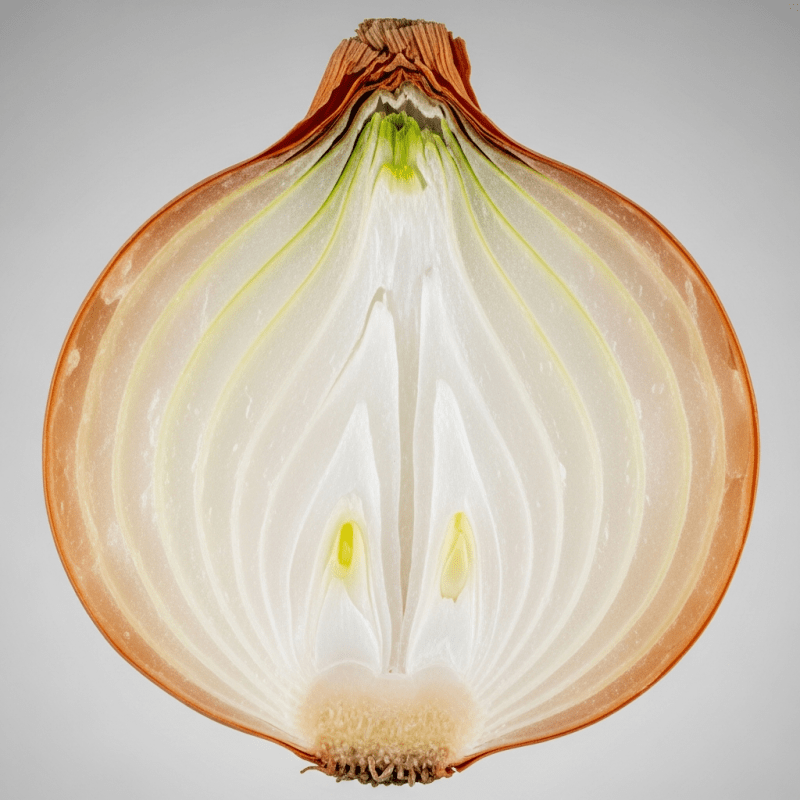
Soft cotton tee, unisex sizes
Buy ShirtYellow onions hold a central place in global culinary traditions and food culture, often symbolizing foundational cooking flavors. Regional variants like the Spanish onion and Protected Geographical Indication types such as Spain's Cebolla de Fuentes de Ebro highlight their cultural and economic importance.
👁️ Flavor Profile: Yellow onions are known for their strong pungency due to high sulfur content, delivering a sharp, robust flavor when raw. Cooking transforms their taste, mellowing sharpness into a sweet, rich depth favored in many dishes.
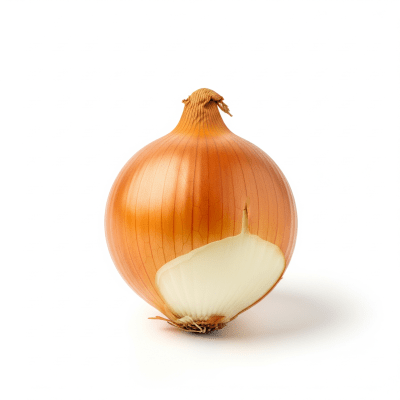
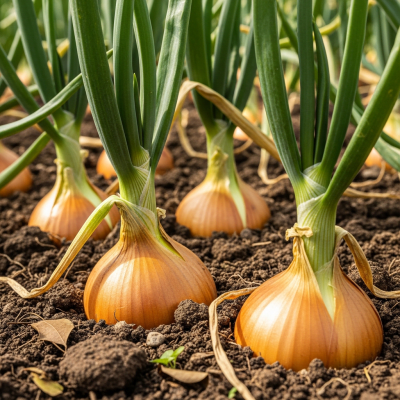
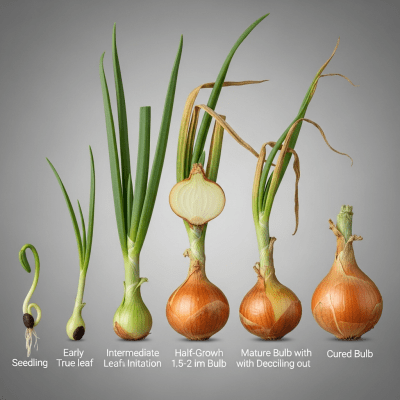
🌱 Agronomy: Yellow onions exhibit variable photoperiod sensitivity, with cultivars adapted to short-day, long-day, or intermediate day lengths depending on latitude. They produce medium to large globe-shaped bulbs, typically 5 to 10 cm in diameter. These onions are prized for moderate to high disease resistance and can be stored for 3 to 6 months post-harvest. Their adaptability to diverse soils and suitability for mechanized harvesting make them a reliable crop worldwide.
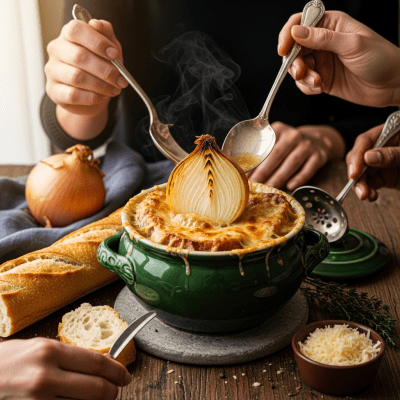
🍛 Culinary Uses: Yellow onions are the kitchen workhorse, used raw or cooked in countless recipes. They excel in sautéing, caramelizing, roasting, and form the flavor base for soups, stews, sauces, and processed foods. Their pungency softens with heat, adding sweetness and complexity to dishes across global cuisines.
🛡️ Storage and Preservation: To maximize shelf life, yellow onions should be stored in a cool, dry, well-ventilated area away from direct sunlight. Under optimal conditions, they can last from three up to six months. Avoid refrigeration before use, as moisture can promote spoilage and sprouting.
📎 Market and Distribution: Yellow onions dominate commercial markets in North America, Europe, and parts of Asia. They are widely traded fresh and processed, including dehydrated powders and frozen products. Packaging often emphasizes durability for long-term storage and bulk distribution, reflecting their role as the primary onion type in global supply chains.