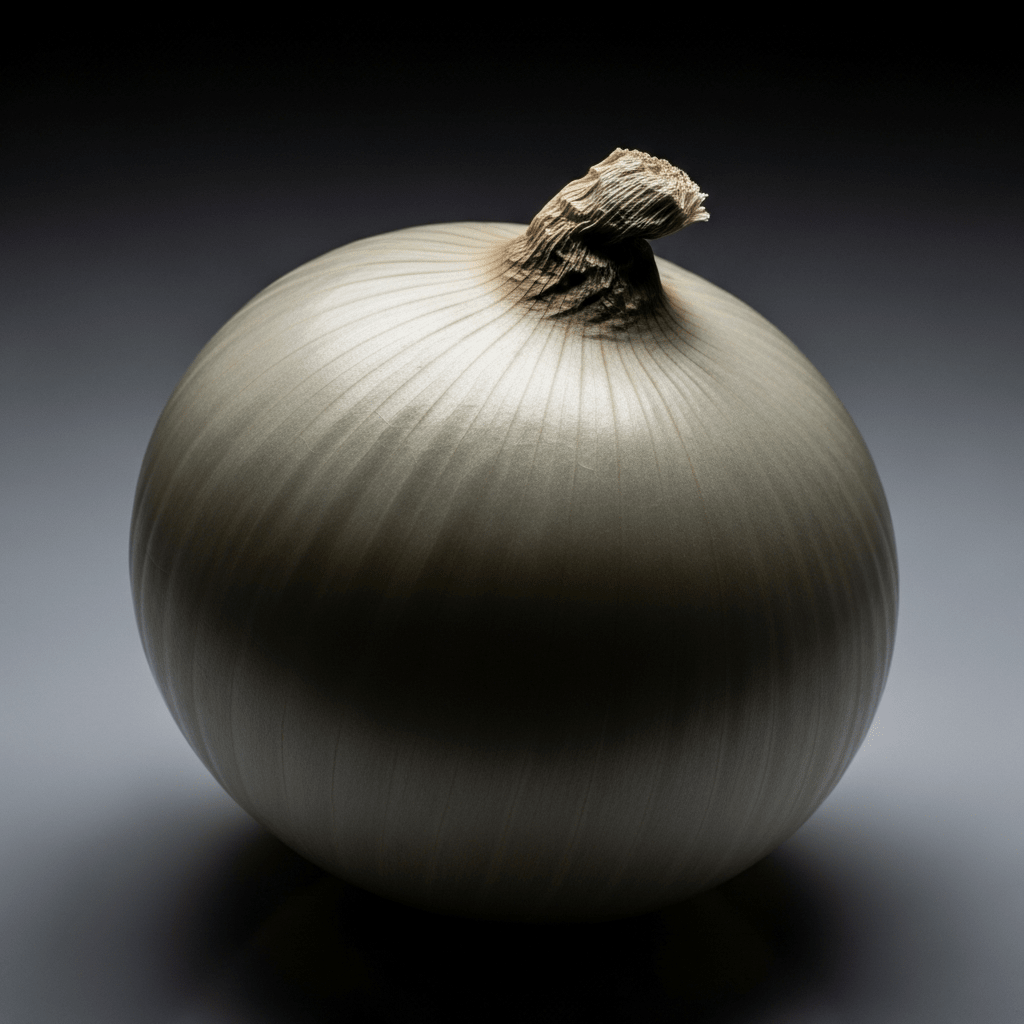
White Onion
The white onion is a widely cultivated variety of Allium cepa, recognized for its crisp white flesh and sharp, pungent flavor that sets it apart from yellow and sweet onions.
The white onion is a widely cultivated variety of Allium cepa, recognized for its crisp white flesh and sharp, pungent flavor that sets it apart from yellow and sweet onions.
White onions do not stem from a single cultivar but represent a market class developed over time through selection of varieties bearing white skin and flesh. Their cultivation dates back to at least the 19th century across Europe and the Americas, evolving from diverse Allium cepa landraces and open-pollinated populations that naturally exhibited the white bulb trait.
Belonging to the species Allium cepa, white onions form a distinct market class within the broader onion family. They are grouped alongside yellow, red, and sweet onions, differentiated primarily by their white outer skin and flesh, as well as their characteristic pungency and culinary uses.
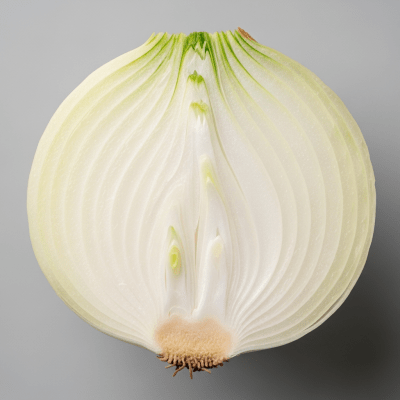
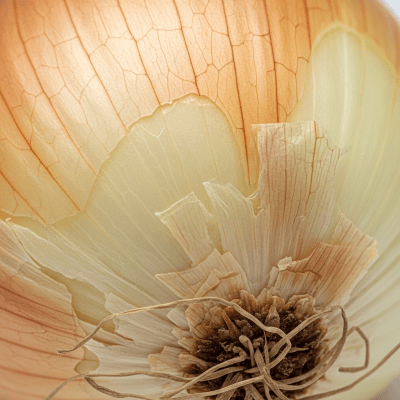
White onions typically have medium to large, globe-shaped bulbs covered in smooth, thin, white papery skin. Their inner layers are firm and pure white, offering a crisp texture that is visually striking and appealing in fresh preparations.
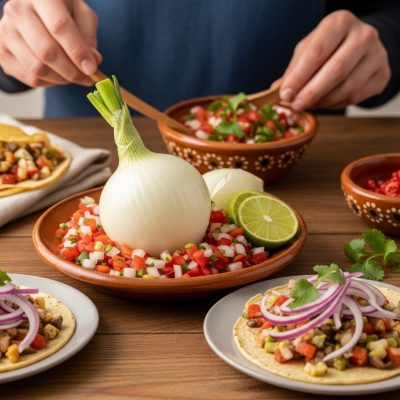
Valued for their sharp, clean flavor and crisp texture, white onions are especially favored in raw culinary applications such as salsas, guacamole, salads, and garnishes. They also serve well in pickling and as a flavorful base in cooked dishes where a pronounced onion taste is desired.
Bring this kind into your world illustrated posters, mugs, and shirts.
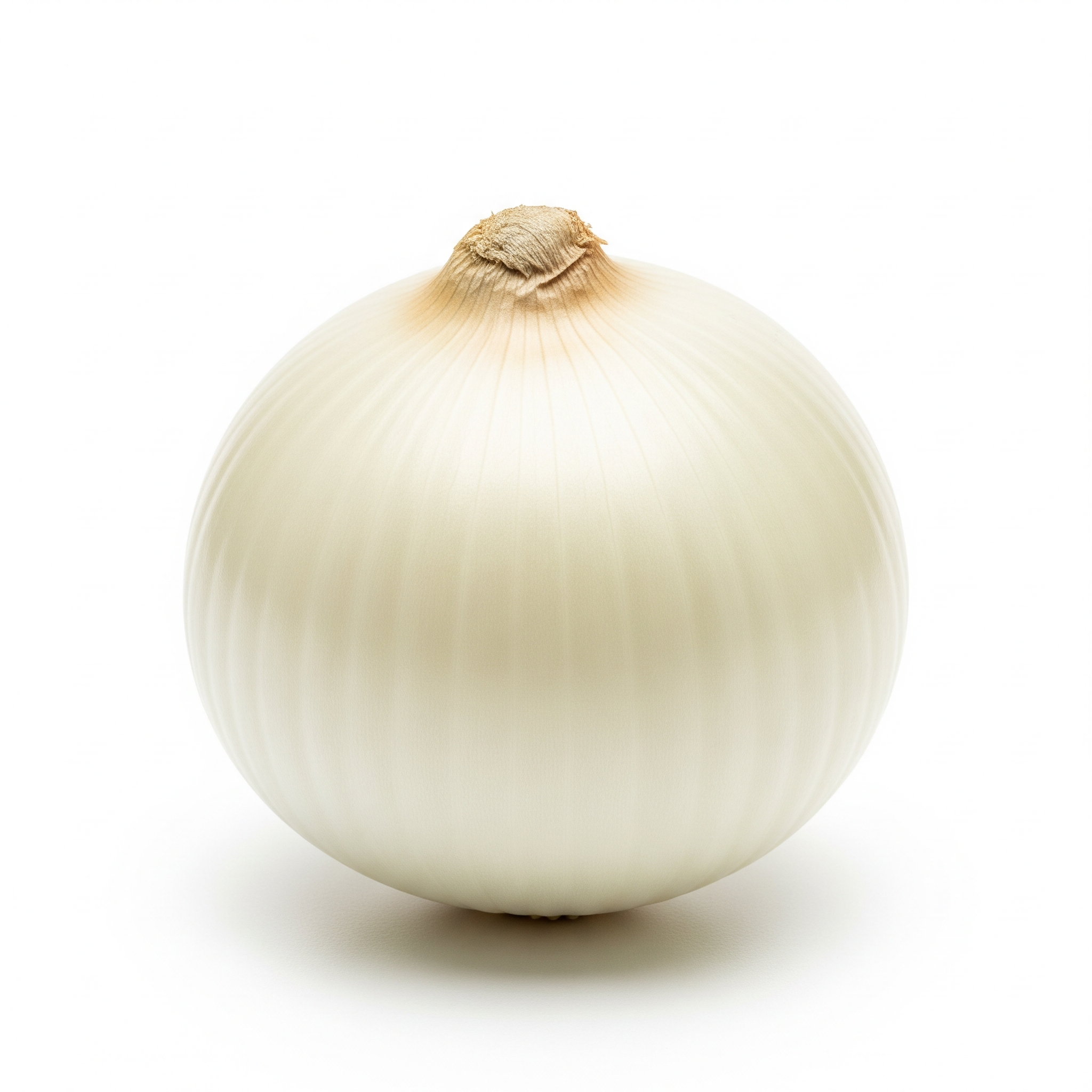
Archival print, museum-grade paper
Buy Poster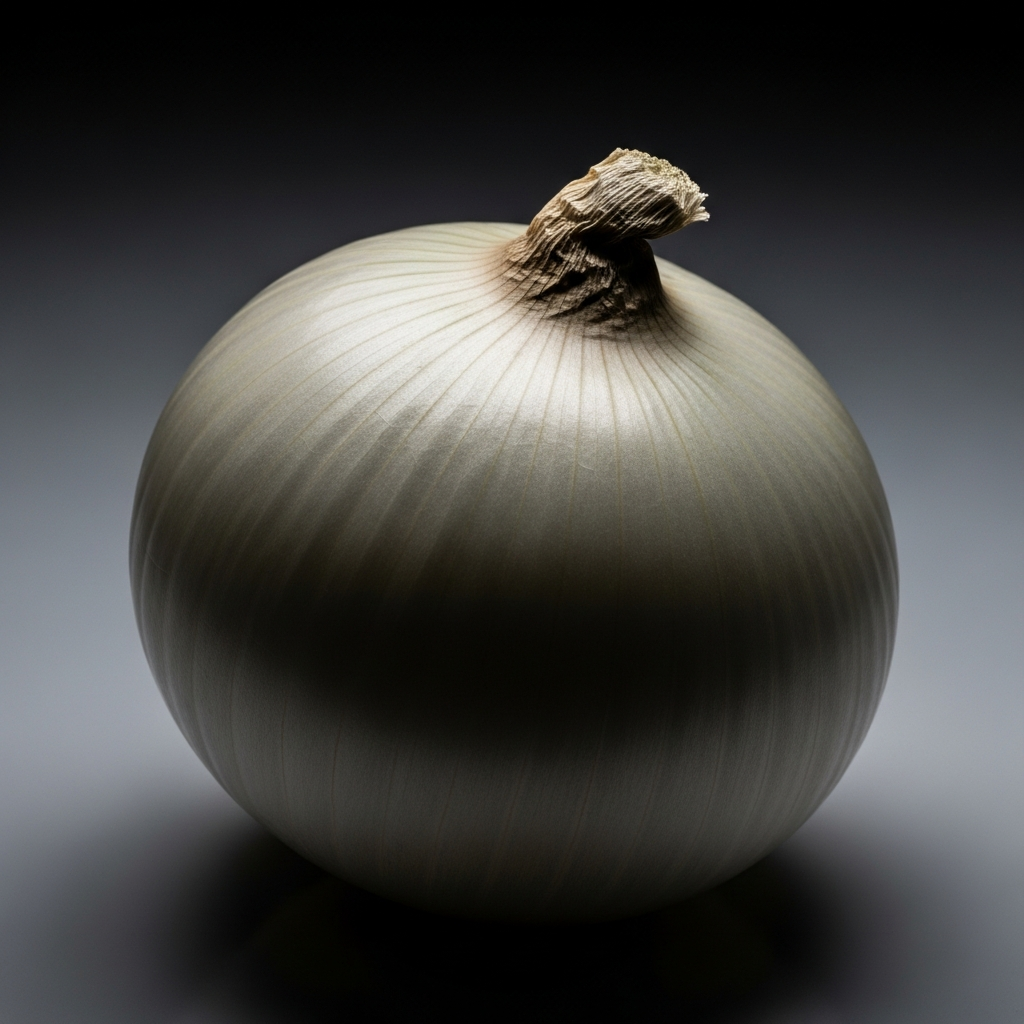
Stoneware mug, dishwasher safe
Buy Mug
Soft cotton tee, unisex sizes
Buy ShirtWhite onions hold a prominent place in Mexican and Southwestern cuisines, where their bright flavor and texture complement fresh dishes. Known regionally by names like "cebolla blanca" and "safed pyaaz," they are integral to traditional recipes and local food culture, symbolizing freshness and culinary vibrancy.
White onions are characterized by a strong pungency that delivers a sharp, clean bite. Their flavor is more intense than yellow or sweet onions, making them ideal for dishes that benefit from a pronounced onion presence. This pungency arises from sulfur compounds typical of Allium cepa varieties.
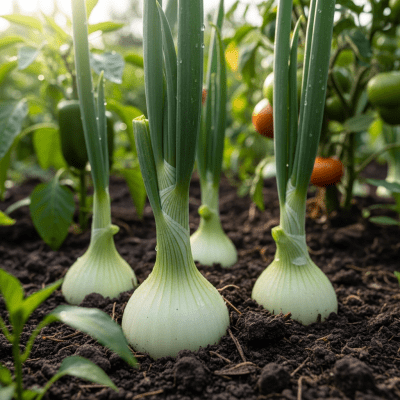

White onions mature within 90 to 120 days, depending on the variety and growing conditions. They thrive best in well-drained soils with moderate fertilization. While yields are comparable to other onion types, white onions are more vulnerable to bruising and fungal diseases such as Fusarium and downy mildew. Their thinner skins and higher moisture content limit their storage life to between one and three months.
Renowned for their crisp texture and sharp flavor, white onions are a staple in fresh culinary applications like salsas, guacamole, and salads, particularly in Mexican and Southwestern dishes. They are also used in pickling and as a flavorful base in cooked recipes where a strong onion taste is desired.
Due to their thin skins and higher moisture, white onions have a relatively short shelf life, typically lasting from one to three months when stored in cool, dry, and well-ventilated conditions. They are more prone to bruising and fungal infections post-harvest, so gentle handling and prompt use are recommended.
White onions are primarily marketed fresh and sometimes processed for dehydration. Their shorter storage life means they are usually sold locally or regionally rather than shipped for long-term storage or export. Major production regions include North America, Europe, and Latin America, with specific cultivars like "California White" and "Texas Early White" recognized in the market.