Walla Walla Onion
The Walla Walla onion is a celebrated sweet onion variety known for its exceptionally mild flavor, large globe-shaped bulbs, and high sugar content, primarily grown in Washington State's Walla Walla Valley.
The Walla Walla onion is a celebrated sweet onion variety known for its exceptionally mild flavor, large globe-shaped bulbs, and high sugar content, primarily grown in Washington State's Walla Walla Valley.
Originating in the late 19th century, the Walla Walla onion traces back to seeds brought from Corsica by French immigrant Peter Pieri around 1880. Local growers in the Walla Walla Valley selectively cultivated these onions for sweetness, size, and cold hardiness, shaping the variety known today.
As a cultivar of Allium cepa, the Walla Walla onion belongs to the common onion family and is classified among sweet onions prized for their mild flavor and culinary versatility. It stands out as a long-day onion variety adapted to temperate climates.
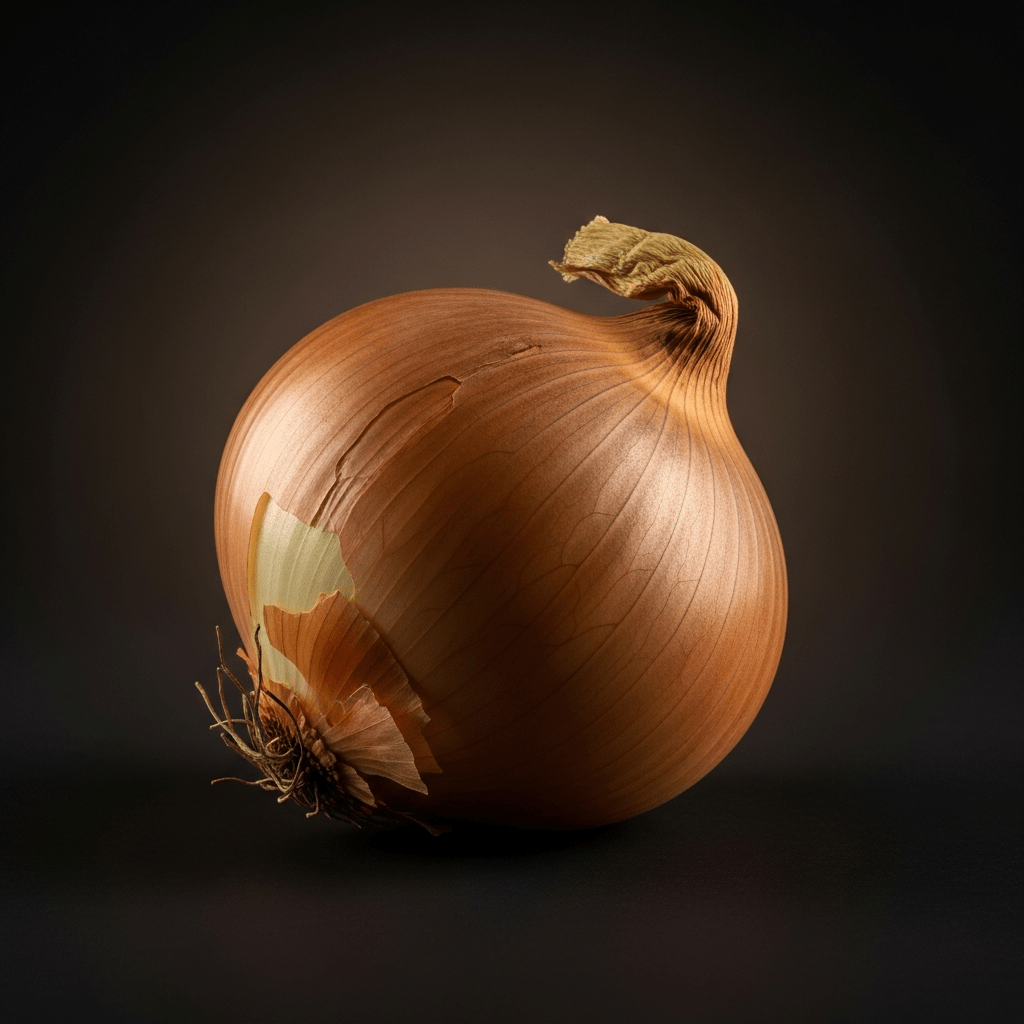
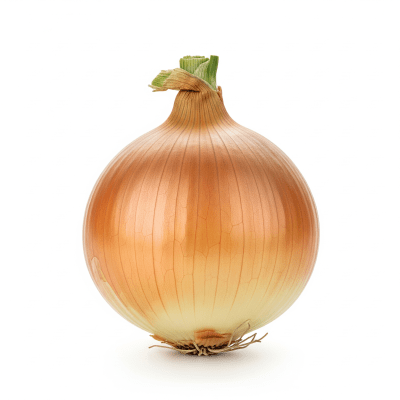
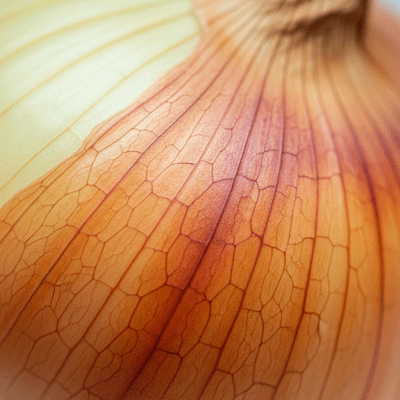
The Walla Walla onion features large, globe-shaped bulbs ranging from 7 to 10 centimeters in diameter. Its outer skin varies from pale yellow to light brown, while the inner flesh is crisp and white. The thin, tender skin contributes to its delicate texture.
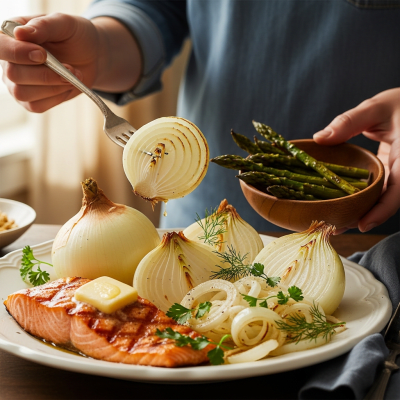
Primarily valued for fresh consumption, the Walla Walla onion is enjoyed raw in salads, sandwiches, and salsas due to its mild sweetness and crisp texture. It also performs well when grilled, roasted, or lightly sautéed but is less suited for prolonged cooking or storage.
Bring this kind into your world illustrated posters, mugs, and shirts.
Archival print, museum-grade paper
Buy Poster
Stoneware mug, dishwasher safe
Buy Mug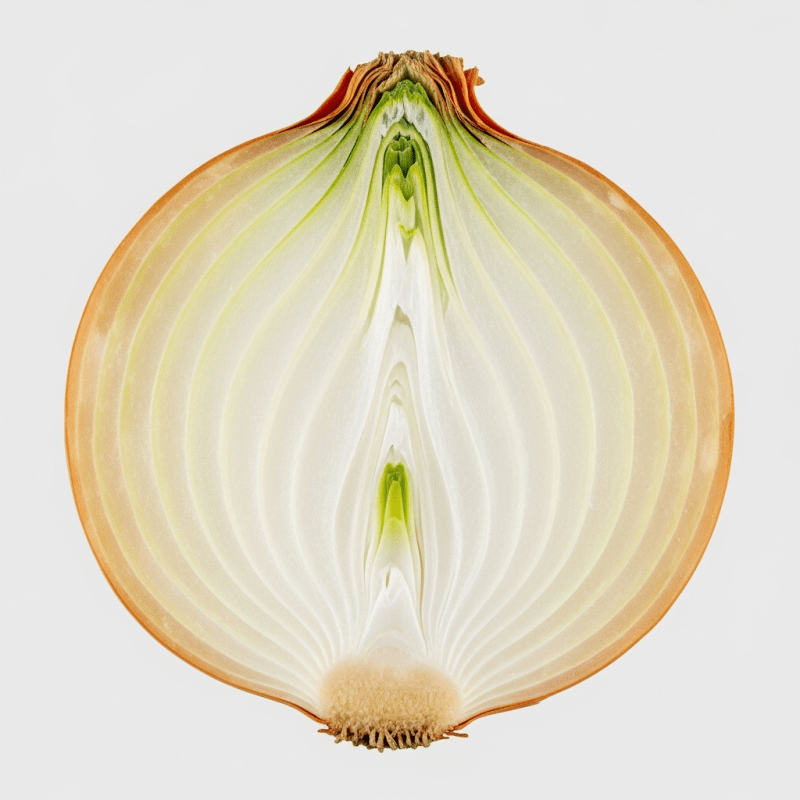
Soft cotton tee, unisex sizes
Buy ShirtThe Walla Walla onion holds a special place as a regional specialty in Washington State, with its name protected by law to ensure authenticity. It symbolizes local agricultural heritage and is celebrated annually through festivals that honor its unique qualities and community importance.
The Walla Walla onion offers a mild pungency balanced by a high level of natural sweetness, with sugar content ranging between 6 and 8%. This combination creates a crisp, juicy bite with minimal sharpness, making it especially appealing for fresh eating.

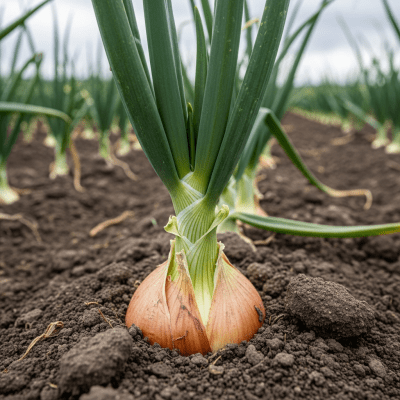
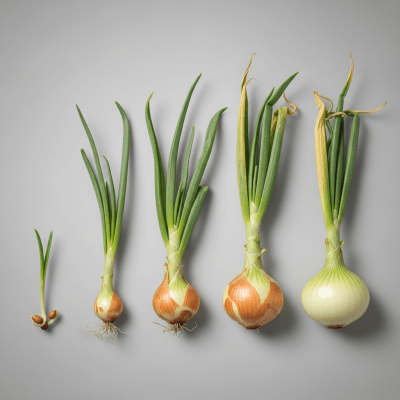
This long-day onion thrives in the cool, moist climate of the Walla Walla Valley. It is planted in fall or early spring and harvested from late June through August. While hardy against cold, it has limited resistance to fungal diseases due to its thin skin. Its storage life typically ranges from one to three months under proper conditions.
Walla Walla onions are prized for fresh use in salads, sandwiches, and salsas where their sweetness shines. They also excel when grilled, roasted, or lightly sautéed, adding a gentle sweetness without overpowering other ingredients. However, they are less ideal for long cooking or canning due to their delicate nature.
Best stored in a cool, dry, and well-ventilated environment, Walla Walla onions have a relatively short shelf life of one to three months. Their thin, tender skins make them vulnerable to damage and spoilage, so careful handling and prompt use are recommended to preserve their quality.
Marketed as a premium sweet onion, the Walla Walla onion is sold primarily within its regional growing season, often loose or in specialty packaging. Its name is protected by regional designation laws, ensuring that only onions grown in the Walla Walla Valley can bear the label. Production remains concentrated in southeastern Washington State, with limited distribution beyond this area.