Vidalia Onion
The Vidalia onion is a renowned sweet onion variety prized for its exceptionally mild flavor and low pungency, grown exclusively in a designated region of southeastern Georgia, USA.
The Vidalia onion is a renowned sweet onion variety prized for its exceptionally mild flavor and low pungency, grown exclusively in a designated region of southeastern Georgia, USA.
Originating in the early 1930s in Toombs County, Georgia, the Vidalia onion was discovered when local farmers noticed that onions grown in the area's sandy, low-sulfur soils developed a uniquely sweet taste. This discovery led to the commercial use of the Vidalia name in 1931, and in 1989, the onion gained federal protection as a Protected Geographical Indication (PGI) under the Vidalia Onion Act, ensuring its cultivation remains limited to a specific 20-county region in southeastern Georgia.
The Vidalia onion belongs to the species Allium cepa and represents a market class of sweet onions rather than a single cultivar. It includes several approved cultivars such as 'Granex' and 'Sweet Dixie', all recognized for their mild flavor and sweetness. This classification situates Vidalia onions within the broader family of common onions, distinguished primarily by their geographic origin and flavor profile.
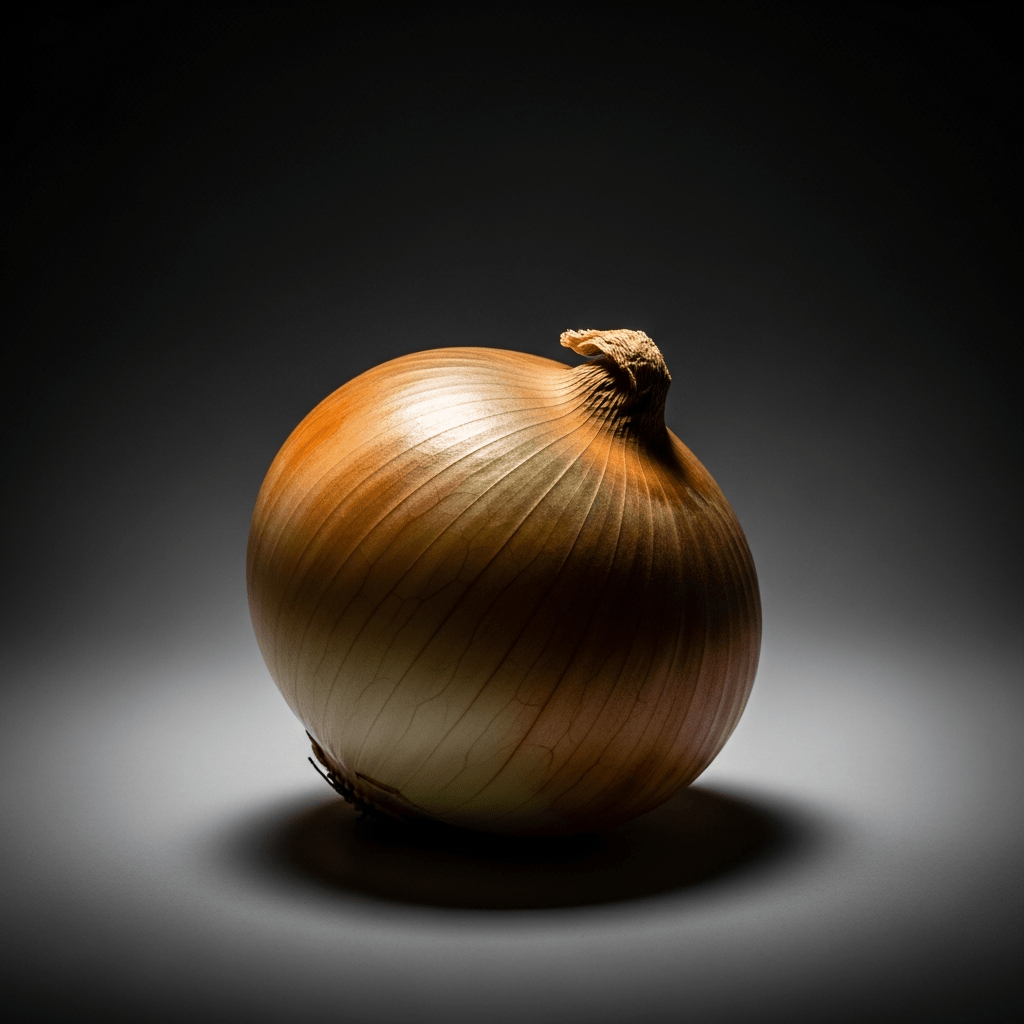
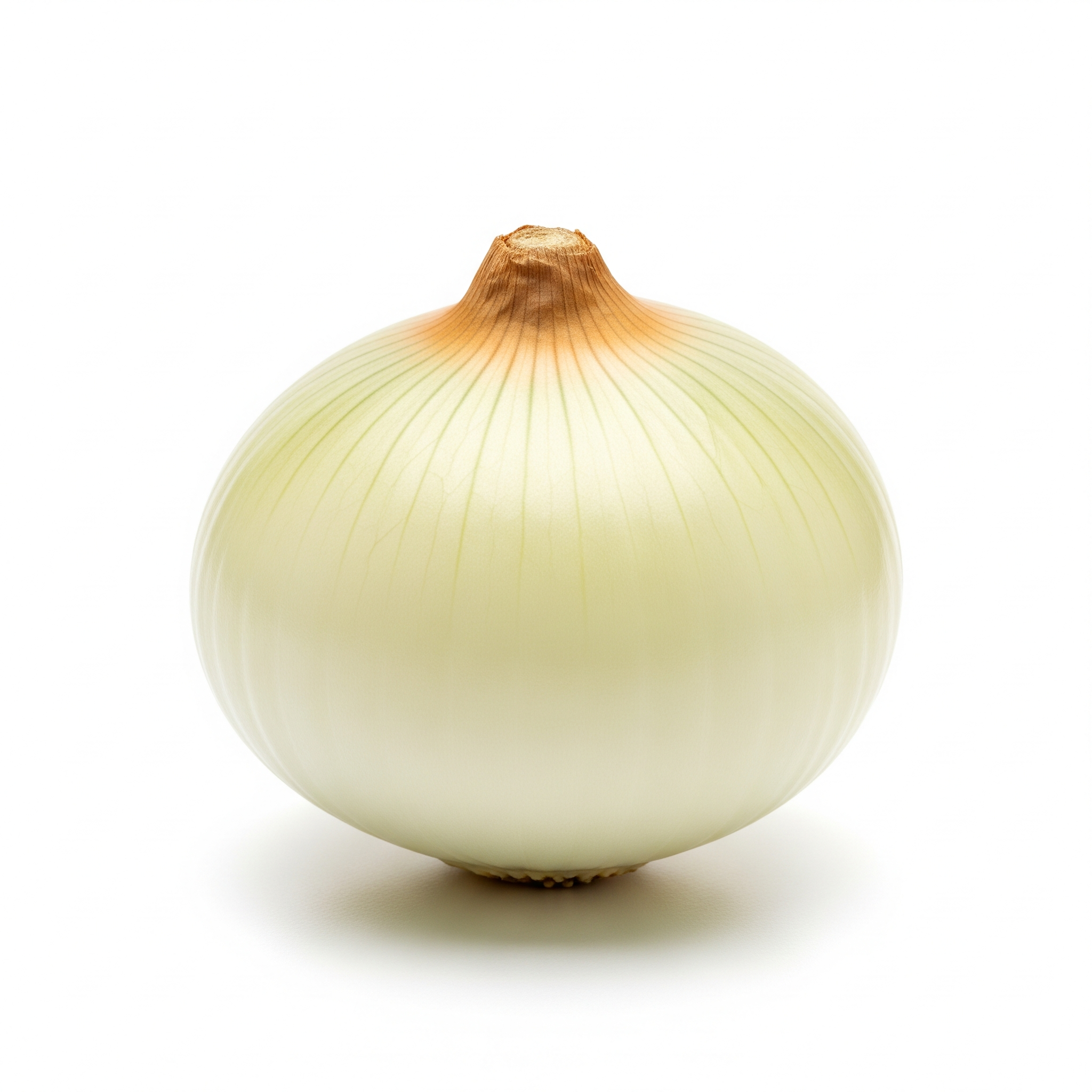
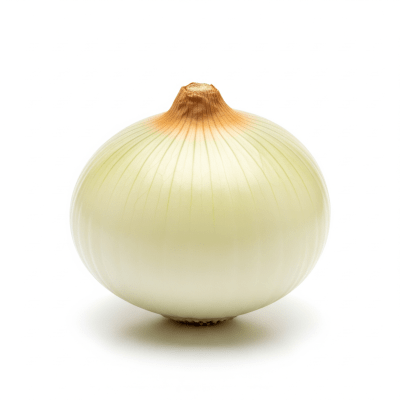
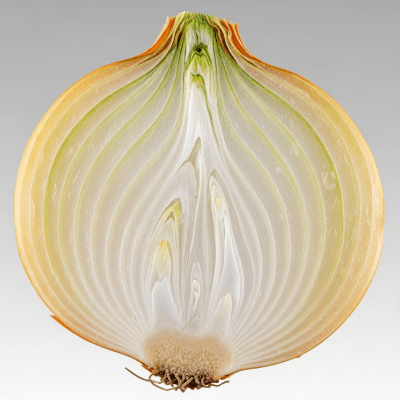
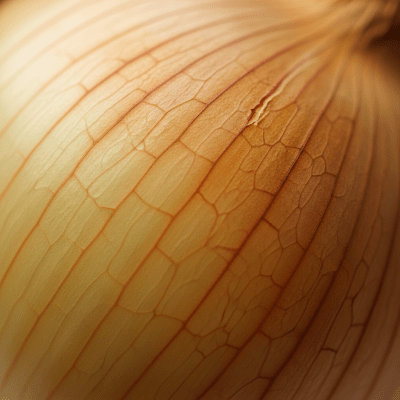
Vidalia onions typically have a flattened-globe shape with pale yellow to white papery skin and white flesh. The bulbs range from medium to large size, measuring approximately 7.6 to 10.2 centimeters in diameter. Their delicate outer layers and distinctive shape contribute to their recognizable and appealing form.
Grown as a winter crop, Vidalia onions are planted in the fall and harvested in late spring. Their low sulfur content results in a mild, sweet flavor with minimal pungency, making them ideal for fresh consumption. While they have a moderate storage life of one to two months, they require careful handling due to susceptibility to fungal diseases in humid conditions. Vidalia onions function primarily as a fresh market product prized for their unique taste and texture.
Bring this kind into your world illustrated posters, mugs, and shirts.
Archival print, museum-grade paper
Buy Poster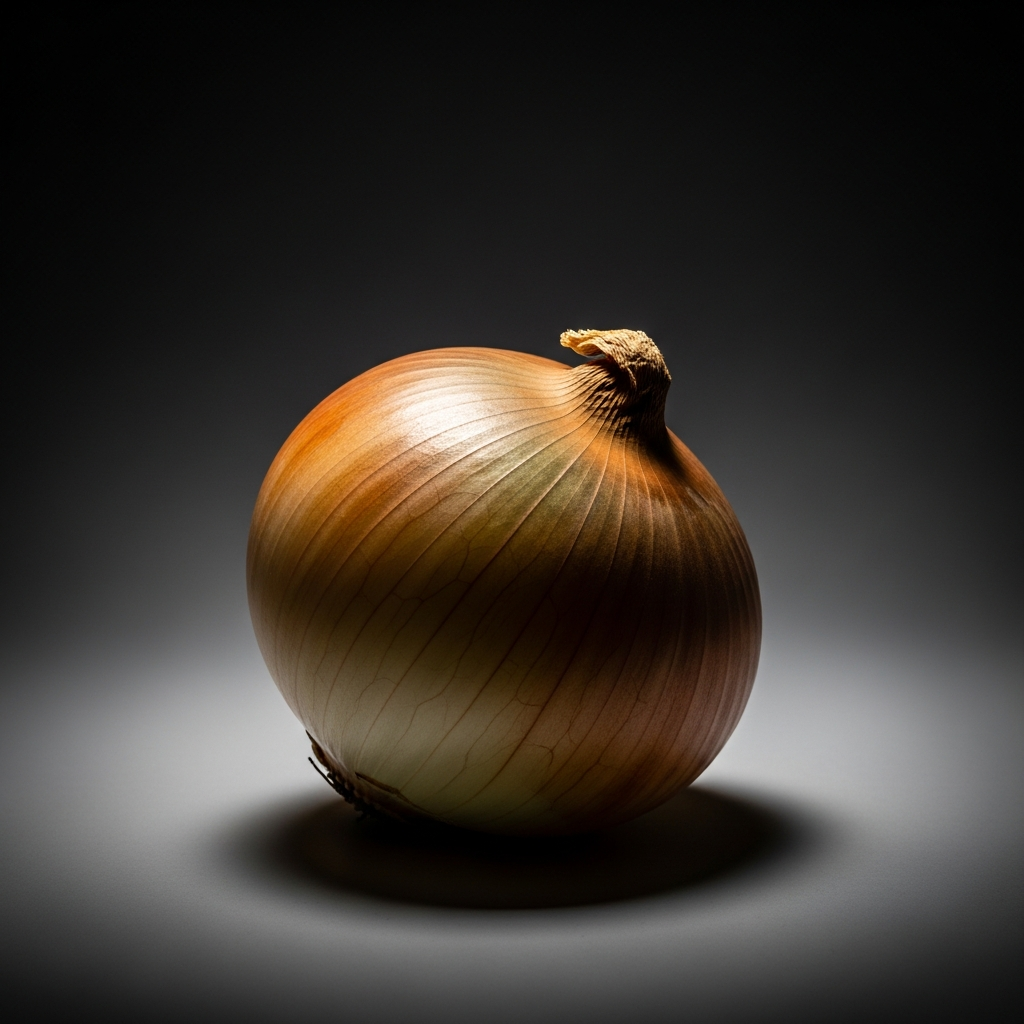
Stoneware mug, dishwasher safe
Buy Mug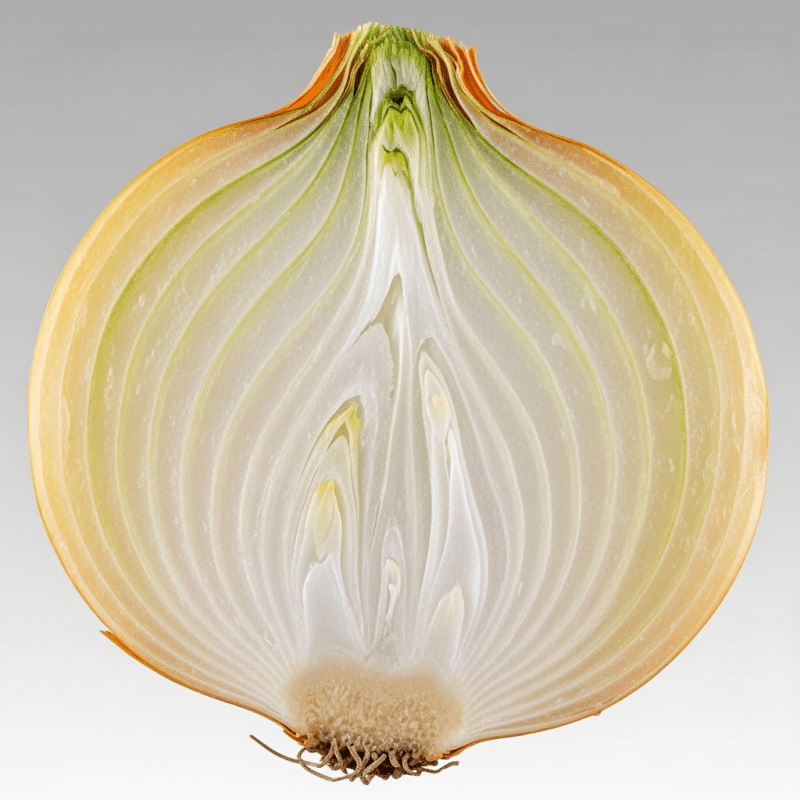
Soft cotton tee, unisex sizes
Buy ShirtVidalia onions hold a special place in regional culture, celebrated through annual festivals and marketing campaigns that highlight their unique qualities and heritage. Their federal PGI status underscores their importance as a symbol of southeastern Georgia's agricultural identity, and they are often featured in local cuisine and cultural events, reinforcing their role beyond mere produce to a regional icon.
Vidalia onions are characterized by a high sweetness level and mild pungency, attributed to their notably low sulfur content. This combination yields a delicate, gentle flavor that lacks the sharpness common to many other onion varieties, making them especially favored for raw consumption and dishes where a subtle onion presence is desired.
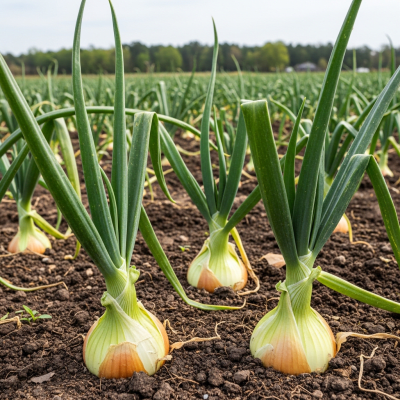
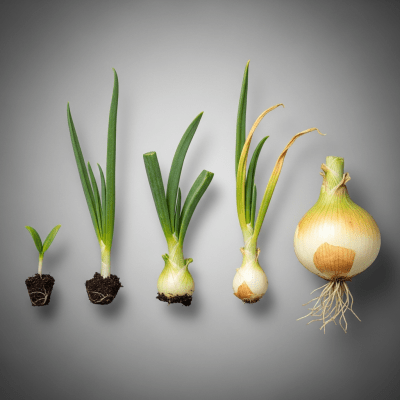
Vidalia onions are short-day onions, requiring shorter daylight hours to initiate bulb formation. They are cultivated as a winter crop, planted in the fall and harvested in late spring. While they produce medium to large bulbs, their moderate storage life of one to two months necessitates timely marketing. These onions are susceptible to fungal diseases in humid environments, demanding careful crop management and post-harvest handling to maintain quality.
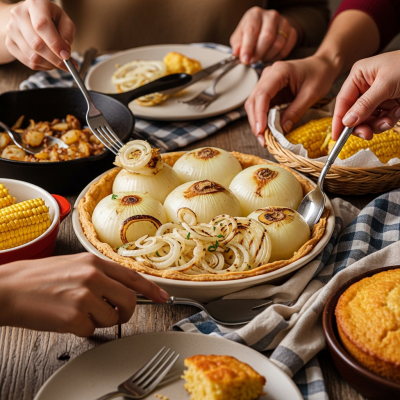
Celebrated for their sweetness and mildness, Vidalia onions are commonly eaten raw in salads, sandwiches, and salsas. They also enhance cooked dishes and are popular in specialty products like relishes and onion rings. Their gentle flavor profile makes them versatile in both fresh and cooked culinary applications, prized especially where a less pungent onion taste is preferred.
To preserve their quality, Vidalia onions should be stored in a cool, dry, and well-ventilated environment. Their moderate shelf life ranges from one to two months, shorter than many storage onion varieties. Proper handling is essential to prevent fungal infections, especially in humid conditions, and they are generally not suited for long-term storage or dehydration.
Vidalia onions occupy a premium fresh market niche, supported by federal PGI protection that restricts their production to southeastern Georgia. They are marketed with strong regional branding, annual festivals, and promotional campaigns that emphasize their unique qualities. Typically sold fresh, Vidalia onions are not commonly processed for long-term storage or dehydration, maintaining their reputation as a specialty sweet onion in both domestic and international markets.