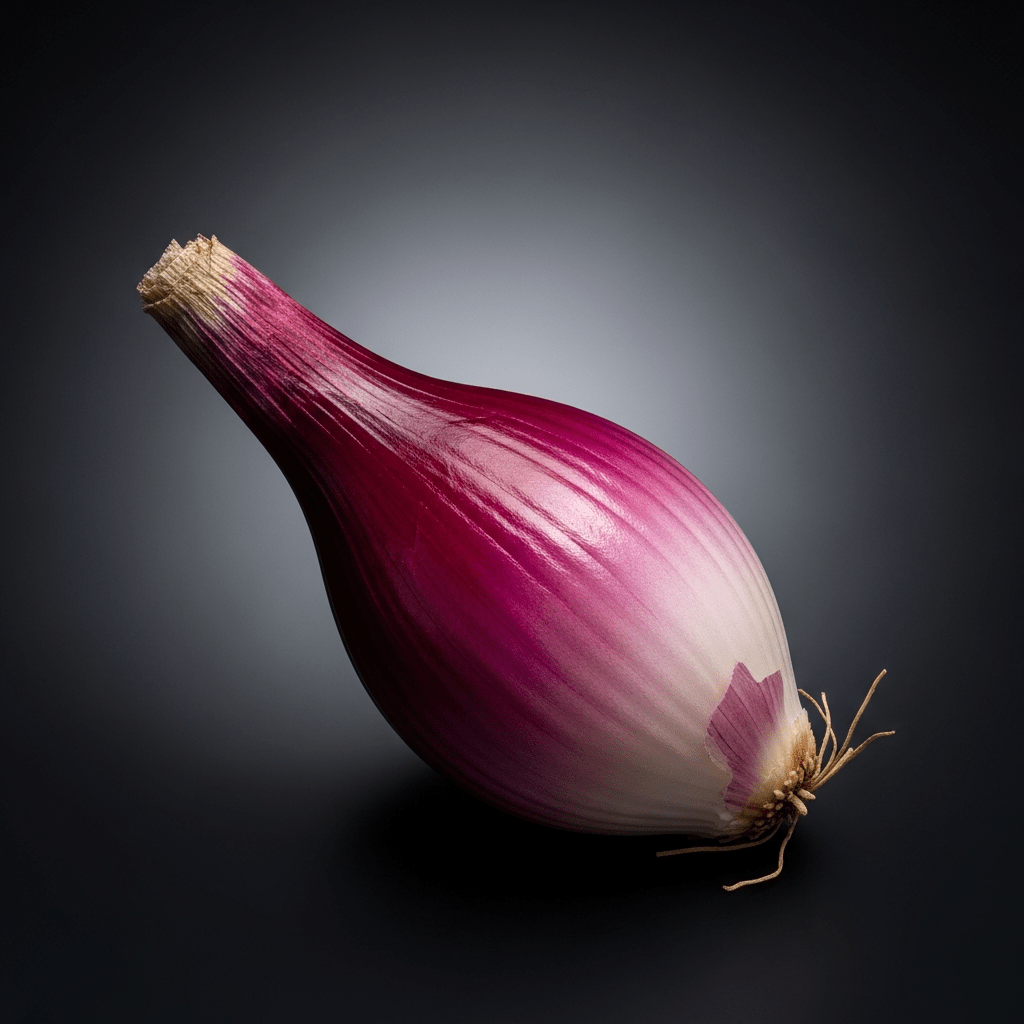
Tropea Onion
The Tropea onion is a distinctive red onion variety known for its elongated bulbs, vibrant purple-red skin, and exceptionally sweet, mild flavor, prized both fresh and cooked.
The Tropea onion is a distinctive red onion variety known for its elongated bulbs, vibrant purple-red skin, and exceptionally sweet, mild flavor, prized both fresh and cooked.
Originating from Calabria, Italy, the Tropea onion has been cultivated for centuries around the coastal town of Tropea. Its heritage is linked to ancient Phoenician traders, and since 2008 it enjoys protection under the European Union’s PGI designation "Cipolla Rossa di Tropea Calabria," preserving its regional authenticity.
Classified botanically as Allium cepa, the Tropea onion is a landrace cultivar within the red onion group. It belongs to the common onion species, distinguished by its elongated bulb shape and sweet flavor profile, setting it apart from other red onion varieties.
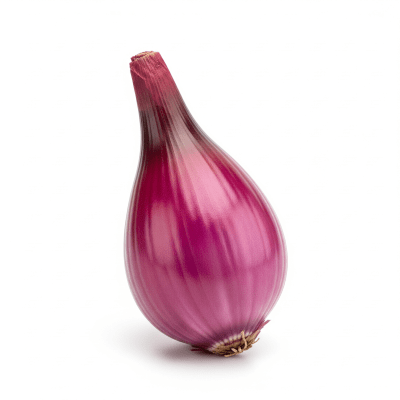
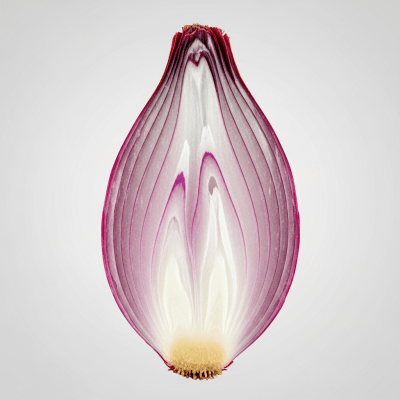
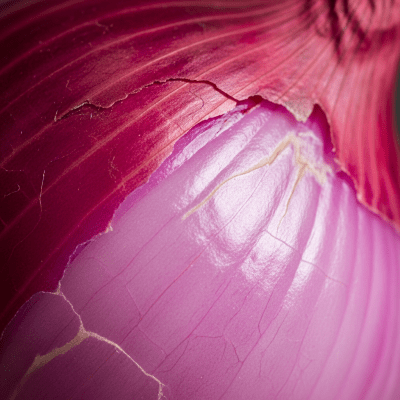
The Tropea onion features elongated, torpedo-shaped bulbs measuring 8 to 10 centimeters in length. Its thin outer skin shines with bright purple-red hues, while the inner flesh ranges from white to pale pink, tender and juicy to the touch.
Valued for its mild pungency and high sweetness, the Tropea onion is versatile in culinary use. It is commonly eaten raw in salads and sandwiches, caramelized, roasted, or pickled, and serves as a flavorful ingredient in traditional Calabrian recipes.
Bring this kind into your world illustrated posters, mugs, and shirts.
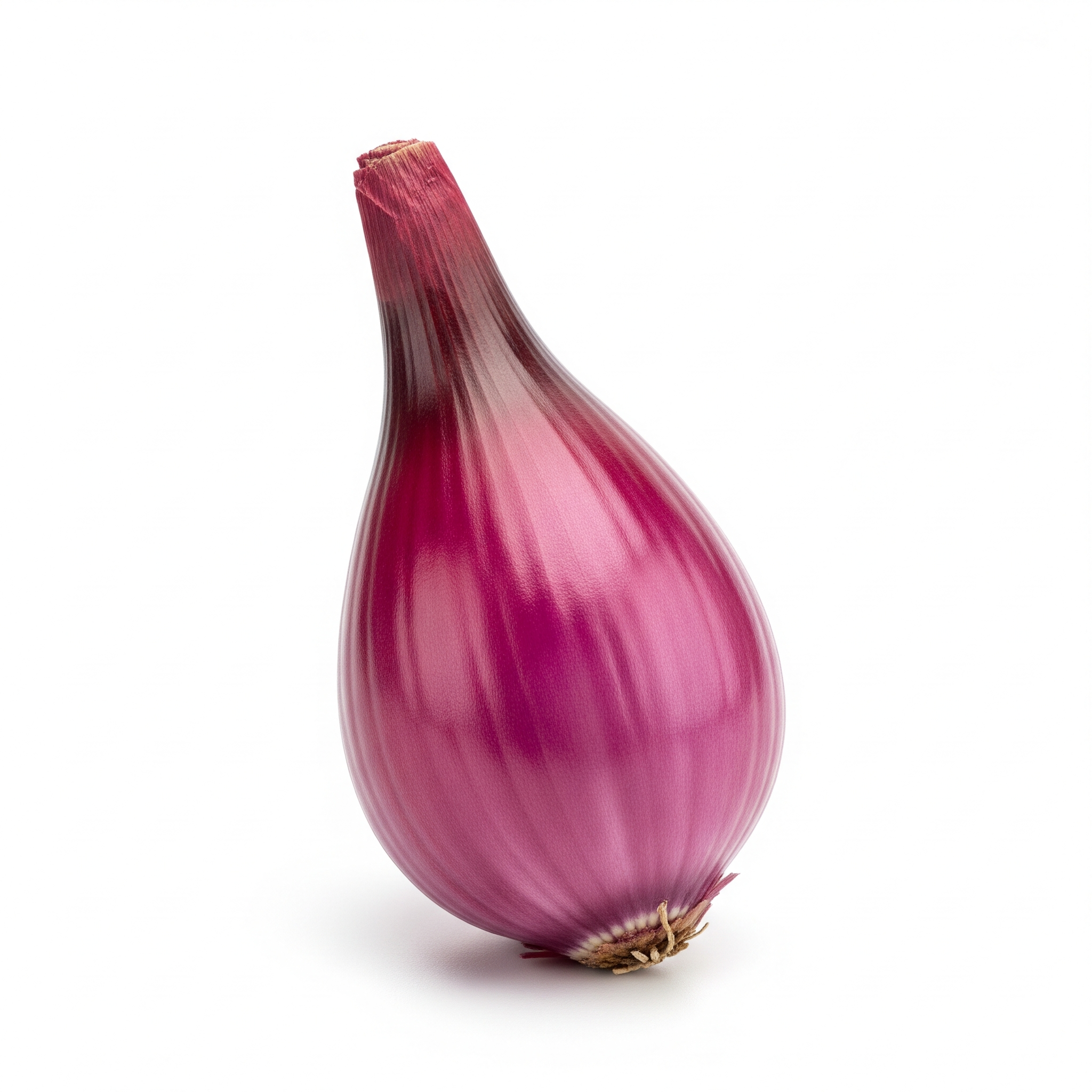
Archival print, museum-grade paper
Buy Poster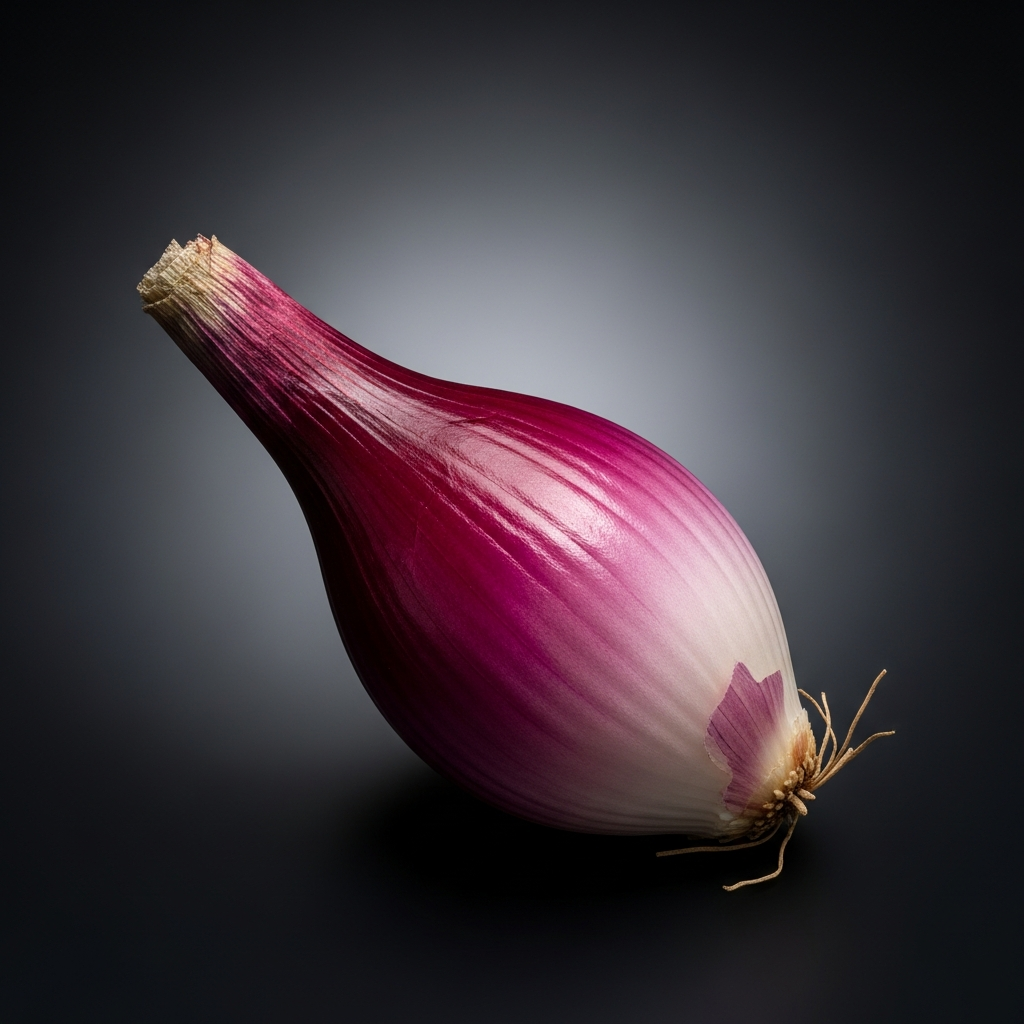
Stoneware mug, dishwasher safe
Buy Mug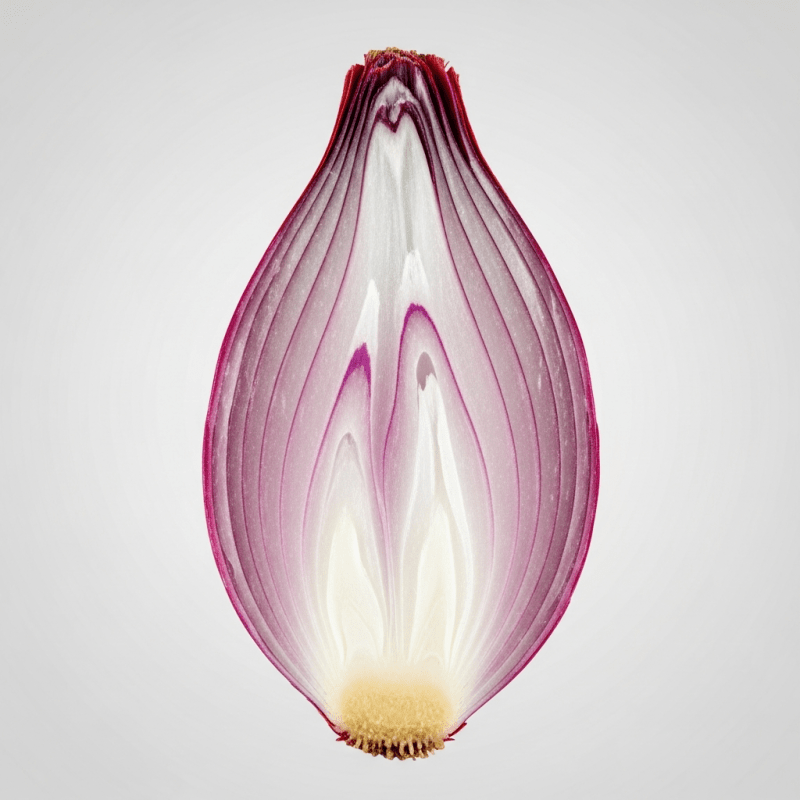
Soft cotton tee, unisex sizes
Buy ShirtDeeply embedded in Calabrian culture, the Tropea onion is celebrated in regional festivals and culinary traditions. Its Protected Geographical Indication status underscores its cultural and economic importance, symbolizing local heritage and artisanal farming practices.
Tropea onions offer a notably sweet and mild flavor, characterized by low pungency. This is attributed to their reduced sulfur compound content, which tempers the sharpness typical of many onions, making them especially palatable raw or lightly cooked.
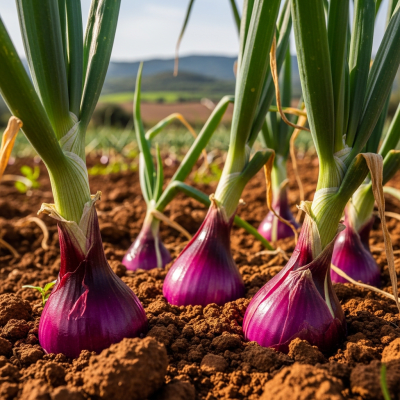
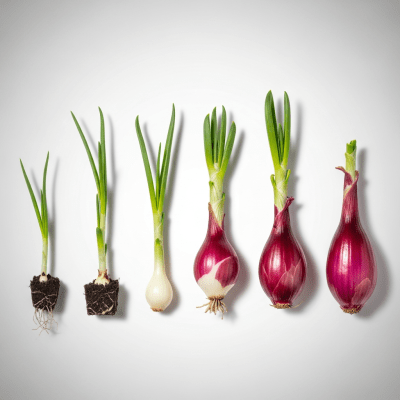
These onions mature over 4 to 5 months, with sowing from late summer to autumn and harvesting in spring to early summer. Adapted to the sandy, well-drained soils and mild coastal climate of Calabria, Tropea onions yield 25 to 35 tons per hectare under optimal conditions. They have moderate storage life of about three weeks and are susceptible to common onion pests and fungal diseases.
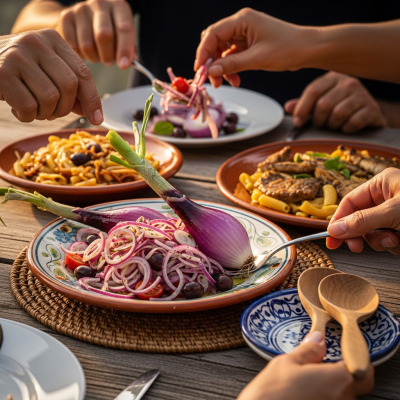
Tropea onions are ideal for raw consumption in salads, sandwiches, and as garnishes due to their crisp texture and sweetness. They also excel when caramelized, roasted, or pickled, and are integral to traditional Calabrian dishes. Additionally, they are used in specialty products like jams and preserves.
Best consumed fresh to enjoy their delicate flavor and texture, Tropea onions can be stored for several weeks under cool, dry, and well-ventilated conditions. Their thin skin and mild pungency mean they have a shorter shelf life compared to storage onions, so prompt use is recommended.
Commercially, Tropea onions are marketed under strict PGI regulations limiting the name to those grown in Calabria. They are exported widely across Europe, maintaining a strong presence in Italian cuisine markets and regional festivals. Packaging emphasizes origin authenticity, supporting their premium status.