
Texas Sweet Onion
Texas Sweet onion is a group of Allium cepa cultivars known for their mild, sweet flavor and pale yellow skin, prized for fresh consumption and large bulb size.
Texas Sweet onion is a group of Allium cepa cultivars known for their mild, sweet flavor and pale yellow skin, prized for fresh consumption and large bulb size.
Originating in Texas, USA, Texas Sweet onions were developed through breeding programs at Texas A&M University. The flagship cultivar, '1015Y', was released in 1983 by Dr. Leonard Pike after careful selection for sweetness, disease resistance, and adaptability to the Texas climate. Its name reflects the recommended planting date of October 15 and its yellow skin color.
Texas Sweet onion belongs to the species Allium cepa and is classified commercially as a sweet onion cultivar group. It fits within the broader family Amaryllidaceae and genus Allium, distinguished by its low pungency and sweet taste compared to other onion types.
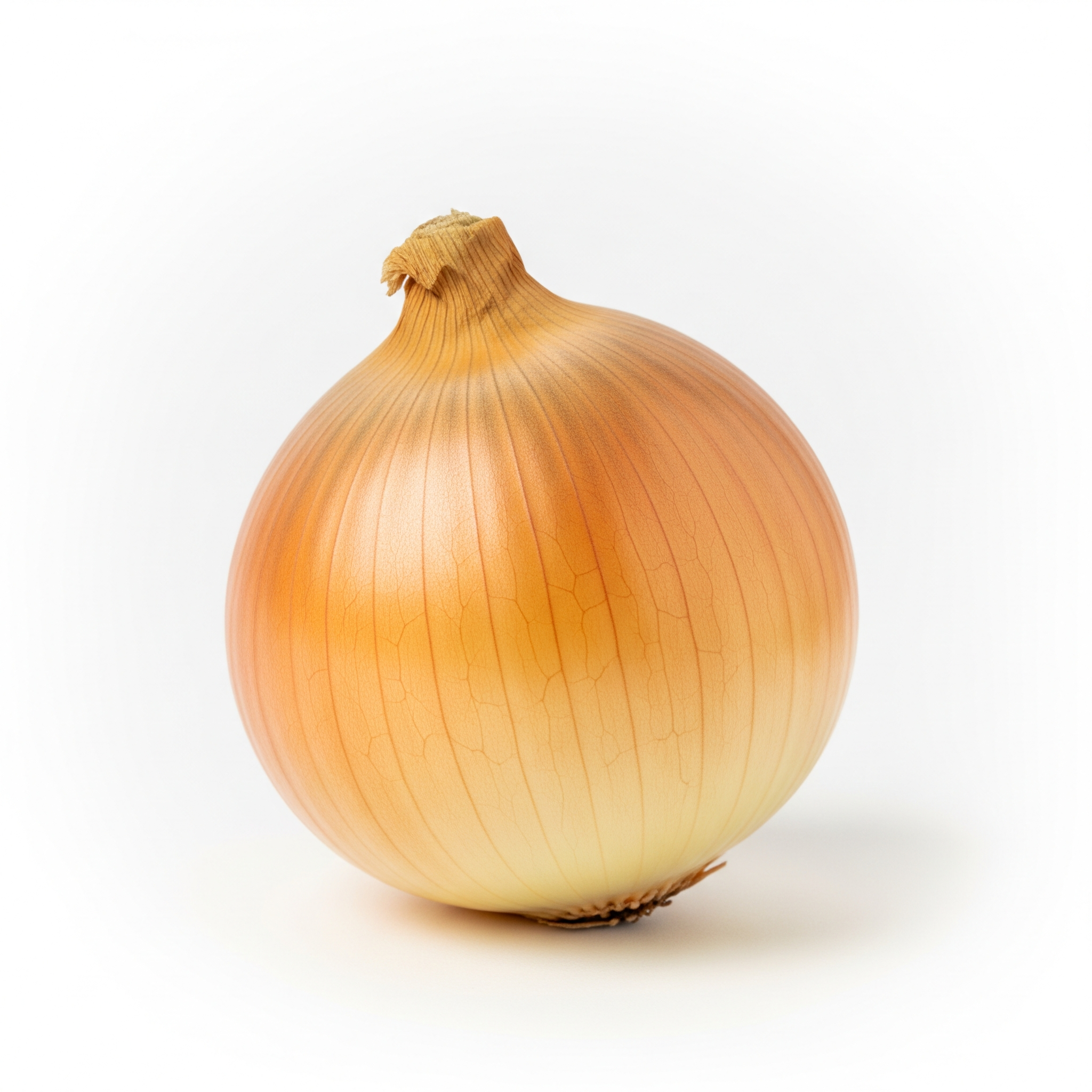
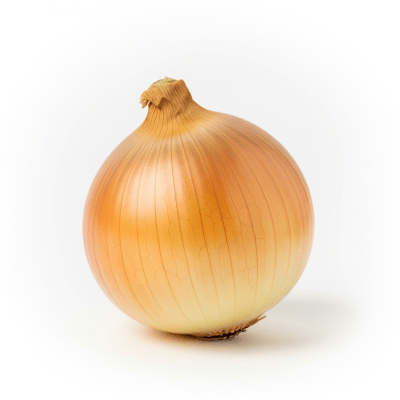
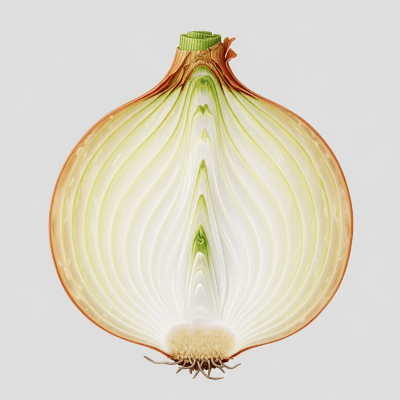
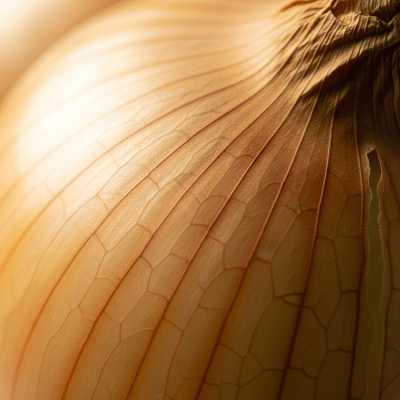
These onions typically form large, globe-shaped bulbs with thin, pale yellow to straw-colored outer skins. Inside, the flesh is white, juicy, and crisp, contributing to their mild sensory appeal. Their size often exceeds one pound per bulb, making them notably substantial among sweet onions.
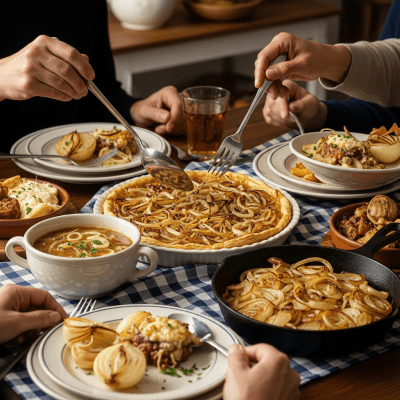
Texas Sweet onions are primarily valued for their mild flavor and low pungency, making them ideal for raw consumption. They are often used fresh in salads, sandwiches, and salsas, but also lend themselves well to grilling and roasting where a gentle onion flavor is preferred. Their delicate skins and high moisture content limit their suitability for long-term storage or processing.
Bring this kind into your world illustrated posters, mugs, and shirts.
Archival print, museum-grade paper
Buy Poster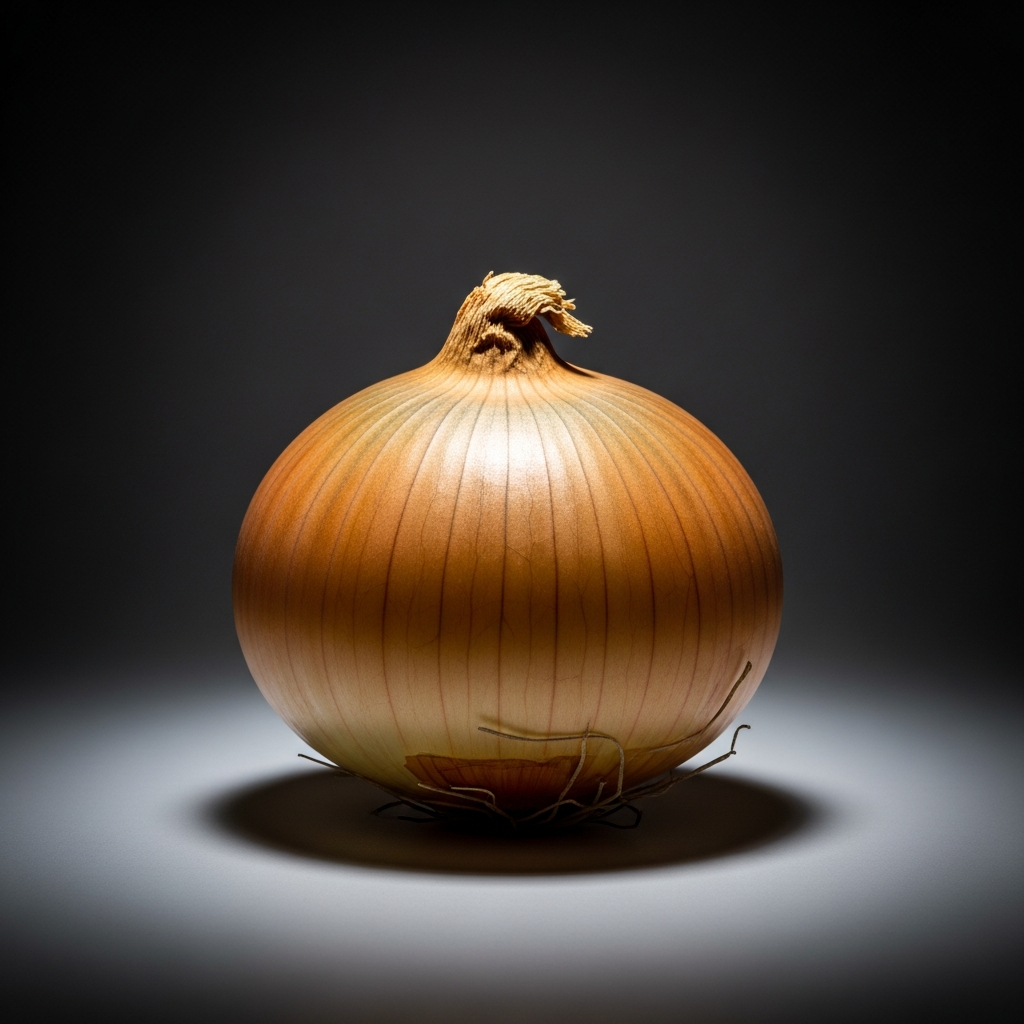
Stoneware mug, dishwasher safe
Buy Mug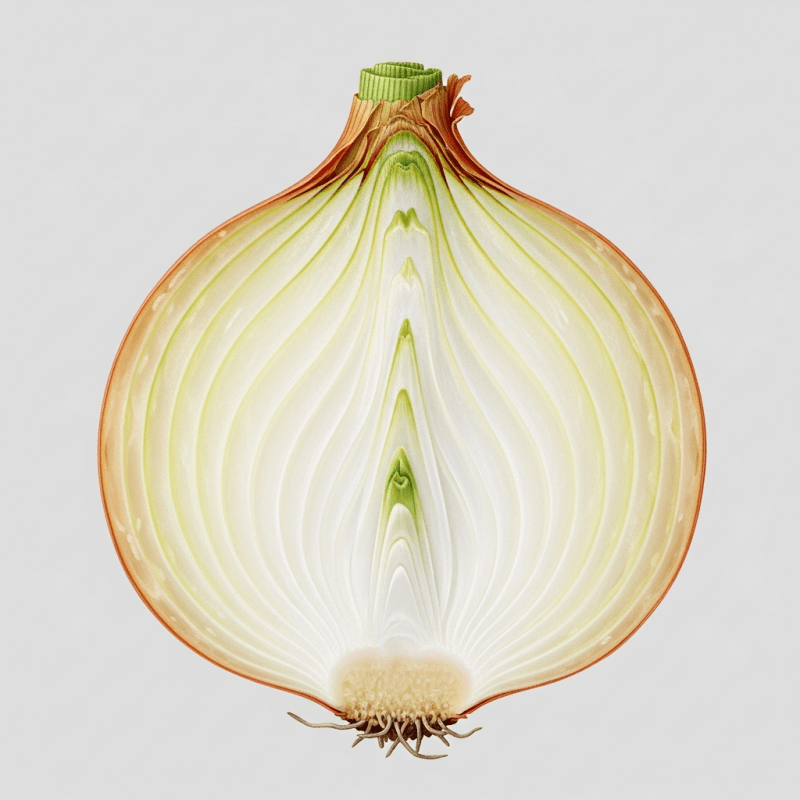
Soft cotton tee, unisex sizes
Buy ShirtAs a regional agricultural staple, Texas Sweet onions hold cultural importance in Texas cuisine and farming heritage. The '1015Y' cultivar, in particular, symbolizes local pride and is celebrated during harvest seasons, reflecting the state's commitment to sweet onion cultivation and culinary tradition.
Texas Sweet onions offer a high sweetness level paired with mild pungency, attributed to their low pyruvic acid content. This chemical trait minimizes the sharpness typical of many onions, resulting in a gentle, juicy flavor that enhances fresh dishes without overwhelming heat.
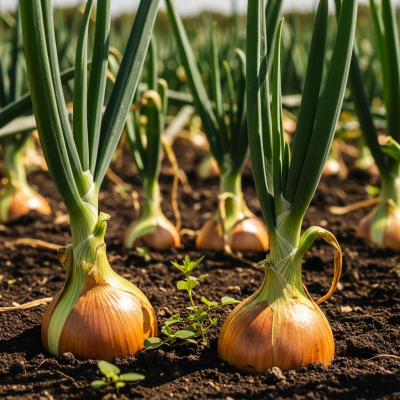
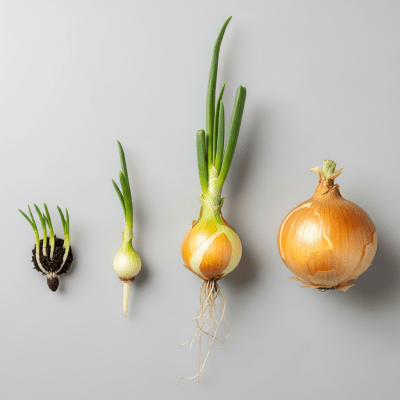
These onions are short-day varieties, requiring shorter daylight periods to initiate bulb formation, making them well-suited to the southern United States. They produce large yields under optimal conditions and exhibit improved resistance to pink root and other soil-borne diseases. However, their thin skins make them more susceptible to bruising and decay compared to storage onions.
Texas Sweet onions are favored raw in salads, sandwiches, and salsas, where their mild flavor shines. They also perform well when grilled or roasted, offering a subtle sweetness without the harsh bite of stronger onions. Their delicate nature discourages use in long-cooking or storage-heavy preparations.
Due to their thin skins and high moisture, Texas Sweet onions have a moderate storage life and are best kept in cool, dry conditions for short periods. They are not suited for long-term storage or processing, and should ideally be consumed soon after harvest to enjoy their peak flavor and texture.
Marketed primarily under the 'Texas Sweet' or '1015Y' labels, these onions are a significant agricultural product within Texas and the southern United States. They are distributed locally and nationally, often sold fresh in retail markets. Their delicate skins require careful handling and packaging to minimize bruising during transport.