Sweet Onion
Sweet onion is a distinctive class of Allium cepa known for its mild pungency and high sugar content, prized especially for raw consumption and dishes requiring a gentle, sweet flavor.
Sweet onion is a distinctive class of Allium cepa known for its mild pungency and high sugar content, prized especially for raw consumption and dishes requiring a gentle, sweet flavor.
Sweet onions do not stem from a single origin but represent a group of cultivars selected over time for their low sulfur and high sugar traits. Key varieties emerged regionally in the United States: Vidalia onions began cultivation in Georgia during the 1930s; Walla Walla onions trace back to Corsican seed introduced to Washington State in the late 19th century; Maui onions have been grown in Hawaii since the early 20th century; and Texas Sweet onions were developed by Texas A&M University in the mid-20th century. Each cultivar reflects unique local conditions and breeding efforts under the shared umbrella of sweetness and mildness.
Sweet onions belong to the species Allium cepa and form a commercial and culinary market class distinguished by low pungency and elevated sugar levels. This group includes several regionally recognized cultivars such as Vidalia, Walla Walla, Maui, Texas Sweet, and Oso Sweet, each cultivated for their characteristic mild flavor and juiciness, setting them apart from standard storage onions.
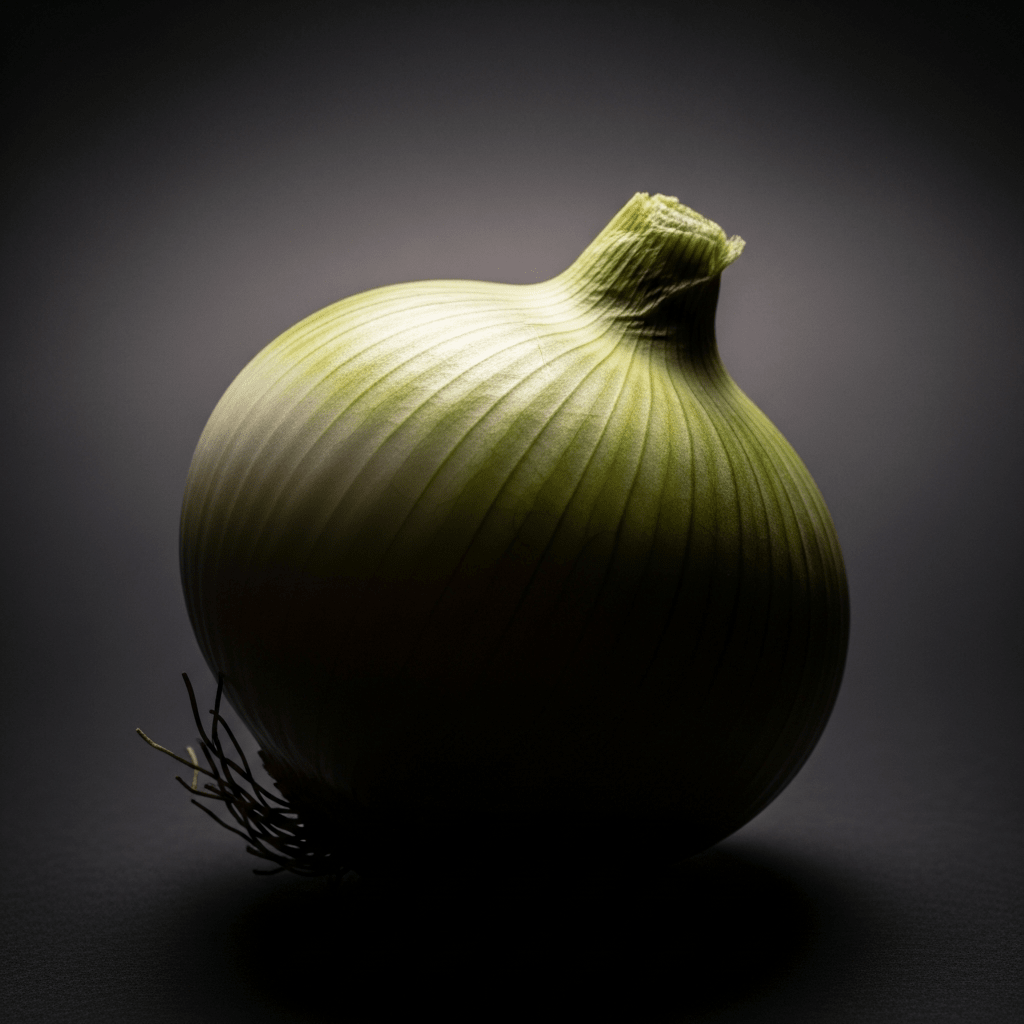
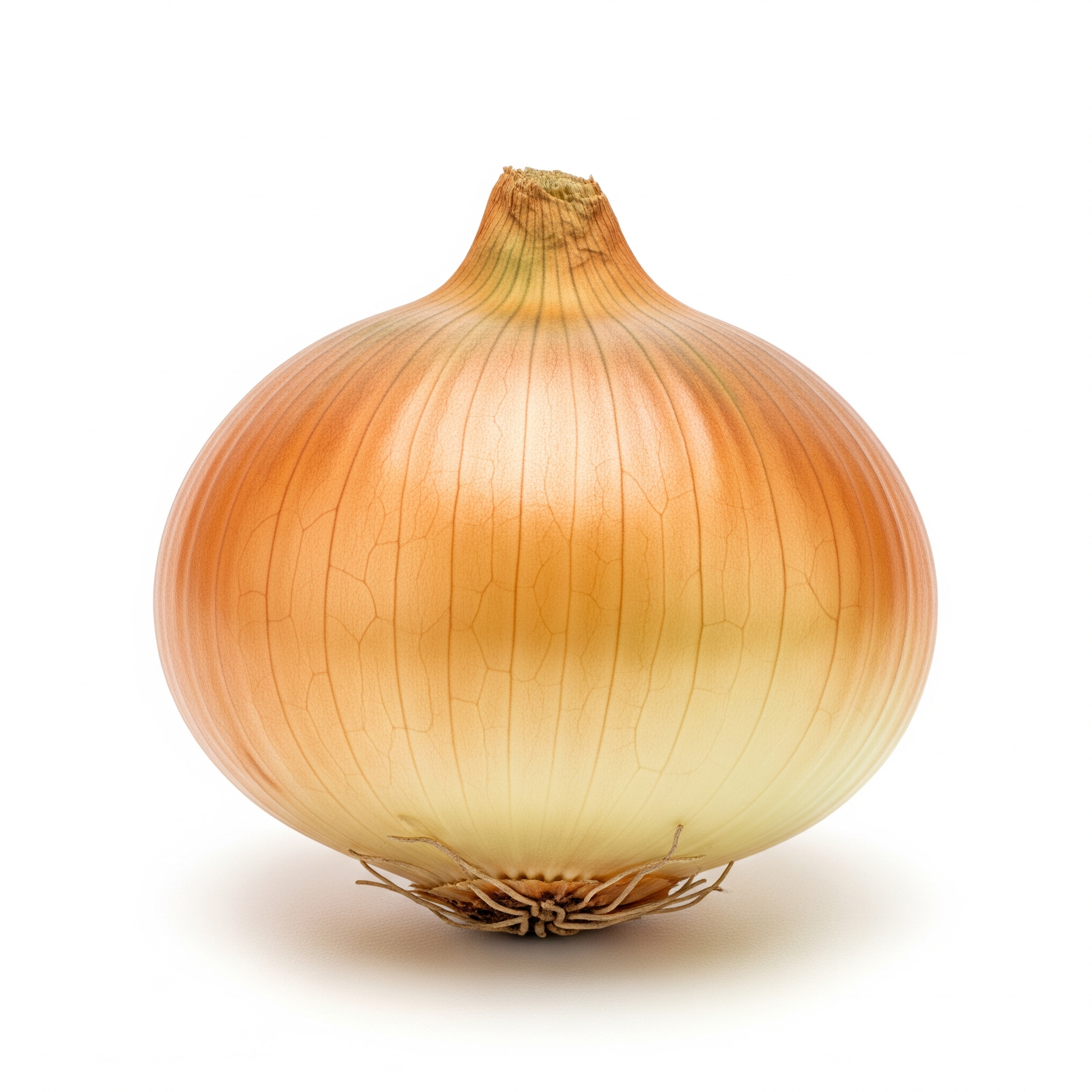
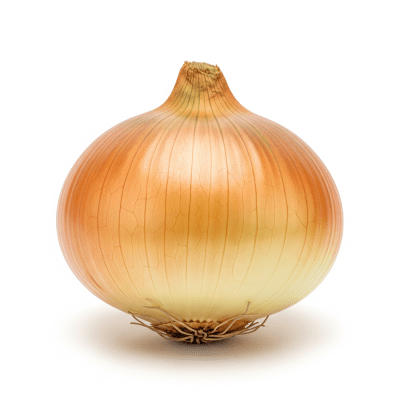
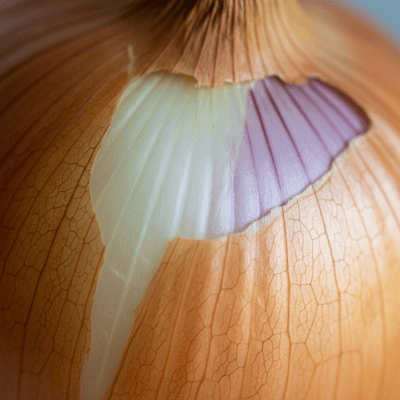
Typically globe-shaped, sweet onions feature thin, delicate skins that range in color from pale yellow and white to occasional shades of red. Their bulbs are larger and juicier than those of typical storage onions, with a crisp white flesh that complements their mild taste.
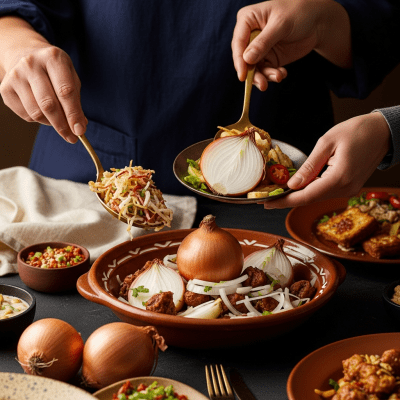
Sweet onions serve primarily as a fresh, raw ingredient due to their mildness and juiciness, making them ideal for salads, sandwiches, and salsas. Their high sugar content also lends itself well to grilling, roasting, and caramelizing, where the natural sweetness is enhanced. However, their delicate skins and moisture-rich bulbs make them less suitable for long-term storage and more prone to bruising and rot.
Bring this kind into your world illustrated posters, mugs, and shirts.
Archival print, museum-grade paper
Buy Poster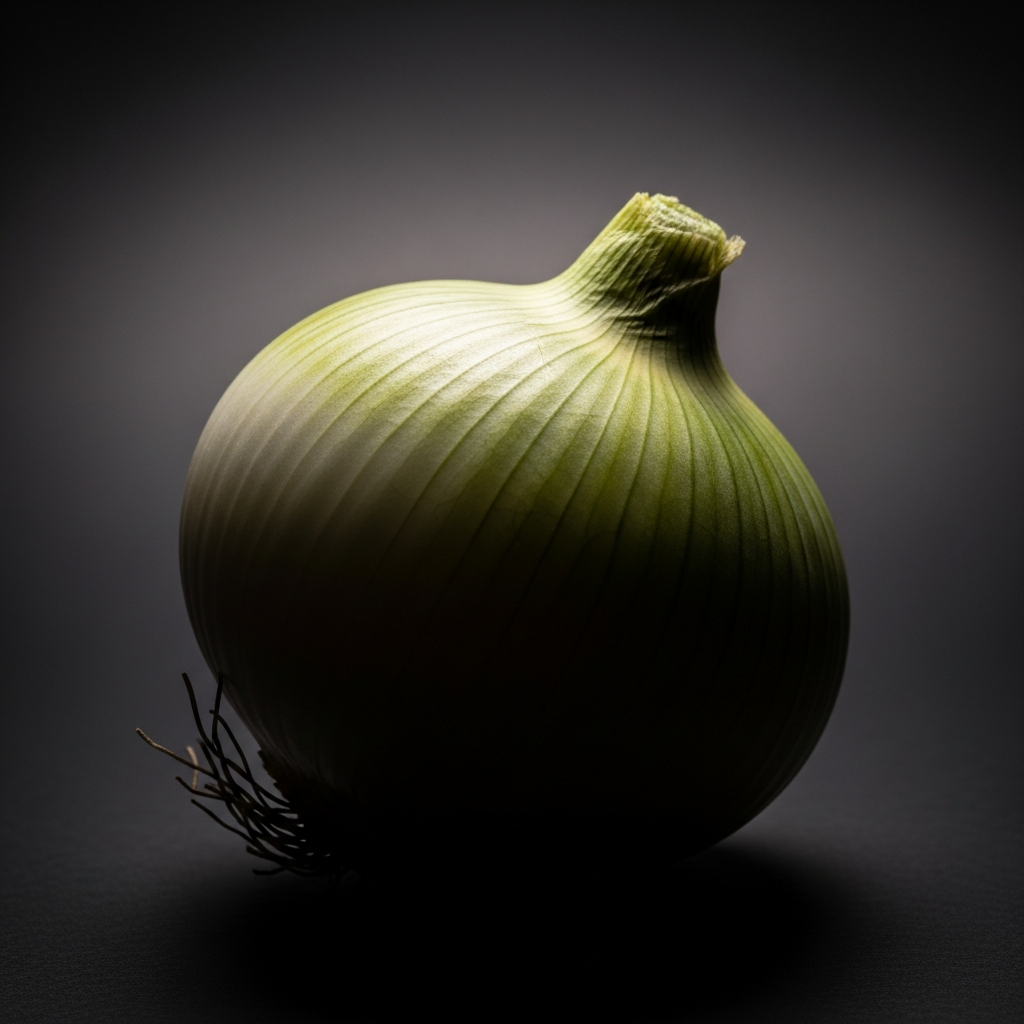
Stoneware mug, dishwasher safe
Buy Mug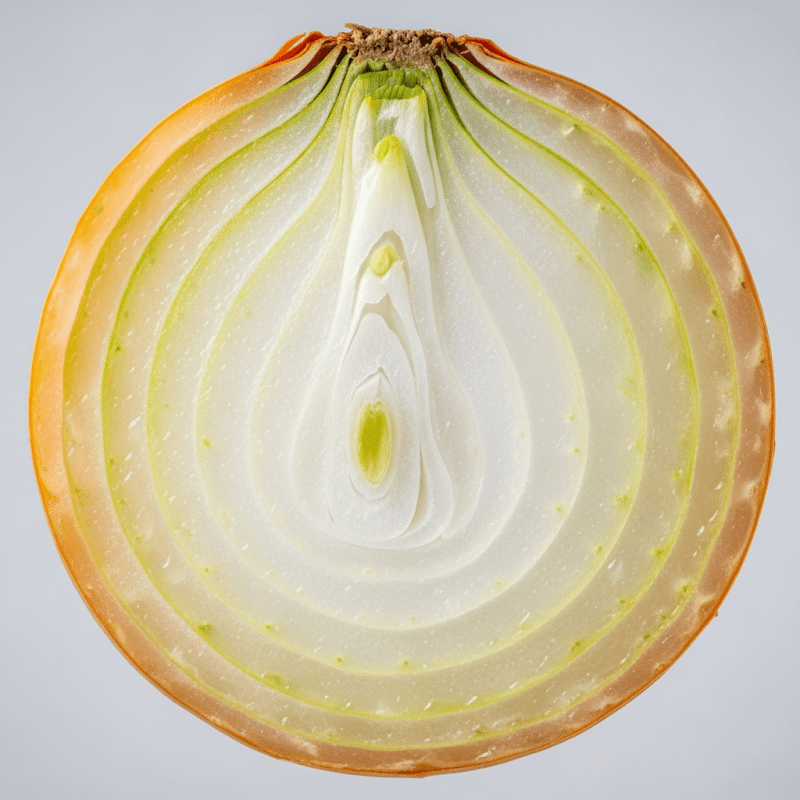
Soft cotton tee, unisex sizes
Buy ShirtSweet onions hold a special place in regional American culture, often celebrated through festivals and culinary traditions. Varieties like the Vidalia and Walla Walla onions have earned Protected Geographical Indication status, underscoring their cultural and economic importance. These onions symbolize local pride and contribute to regional identity through their unique flavors and heritage.
Sweet onions are characterized by a mild pungency and high sweetness, attributed to low levels of sulfur compounds and elevated sugar content. This combination yields a gentle, juicy flavor that is far less sharp than standard onions, making them especially suitable for raw use and dishes that benefit from a subtle onion presence.

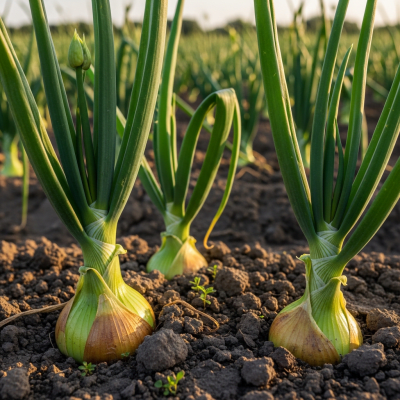
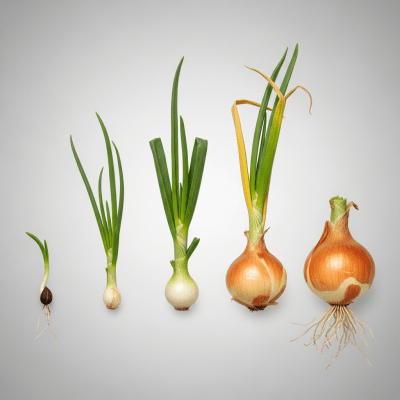
Sweet onions require specific growing conditions to maintain their signature mildness, including soils low in sulfur and consistent irrigation. They are generally more susceptible to rot and bruising than storage onions due to their thin skins and high moisture content. Their shelf life ranges from approximately two weeks to two months, and disease resistance varies by cultivar.
Commonly enjoyed raw in salads, sandwiches, and salsas, sweet onions also excel when grilled, roasted, or caramelized, as their high sugar content enhances flavor development. Their mildness allows them to complement dishes without overpowering other ingredients, making them a versatile choice in both fresh and cooked preparations.
Due to their thin skins and high moisture, sweet onions require careful storage in cool, dry, and well-ventilated environments to extend freshness. They typically keep for a few weeks up to two months, significantly less than storage onions. Avoiding bruising and excess humidity is crucial to prevent spoilage.
Sweet onions are marketed as premium specialty items, often under regional brands or Protected Geographical Indications such as Vidalia (Georgia), Walla Walla (Washington), and Maui (Hawaii). Their limited shelf life and seasonal availability contribute to their specialty status, with commercial distribution focused primarily within the United States, particularly in their regions of origin.