Stuttgarter Onion
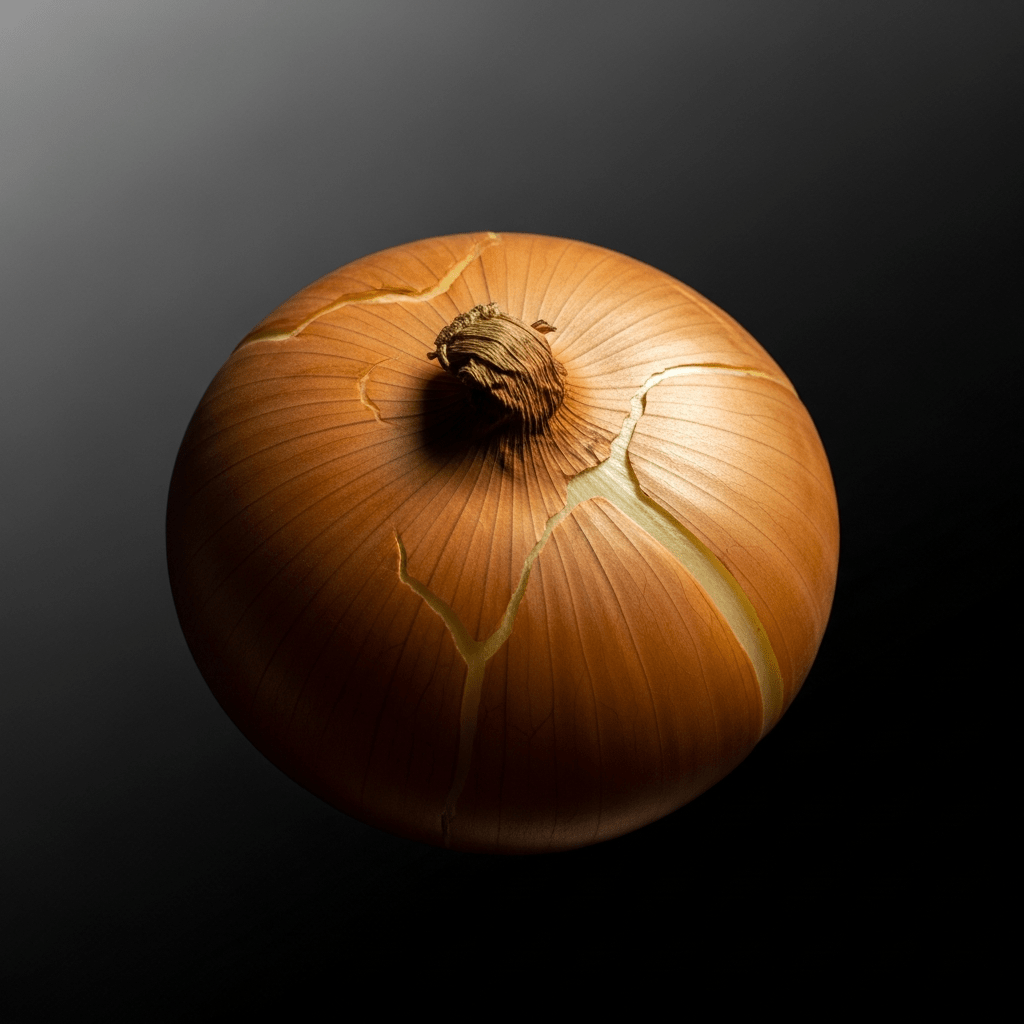
The Stuttgarter Onion is a traditional European storage onion variety known for its flat, globe-shaped bulbs, yellow-brown skin, and strong pungent flavor, widely cultivated in Germany and Central Europe.
The Stuttgarter Onion is a traditional European storage onion variety known for its flat, globe-shaped bulbs, yellow-brown skin, and strong pungent flavor, widely cultivated in Germany and Central Europe.
Originating from the Stuttgart region in southern Germany, the Stuttgarter Onion has been cultivated since at least the 19th century. As an open-pollinated cultivar of Allium cepa, it represents a heritage variety deeply rooted in traditional European onion farming.
Classified within the species Allium cepa, the Stuttgarter Onion belongs to the group of yellow storage onions. It is recognized as a traditional cultivar with a lineage typical of European yellow onions, distinguished by its flattened-globe bulb shape and firm texture.
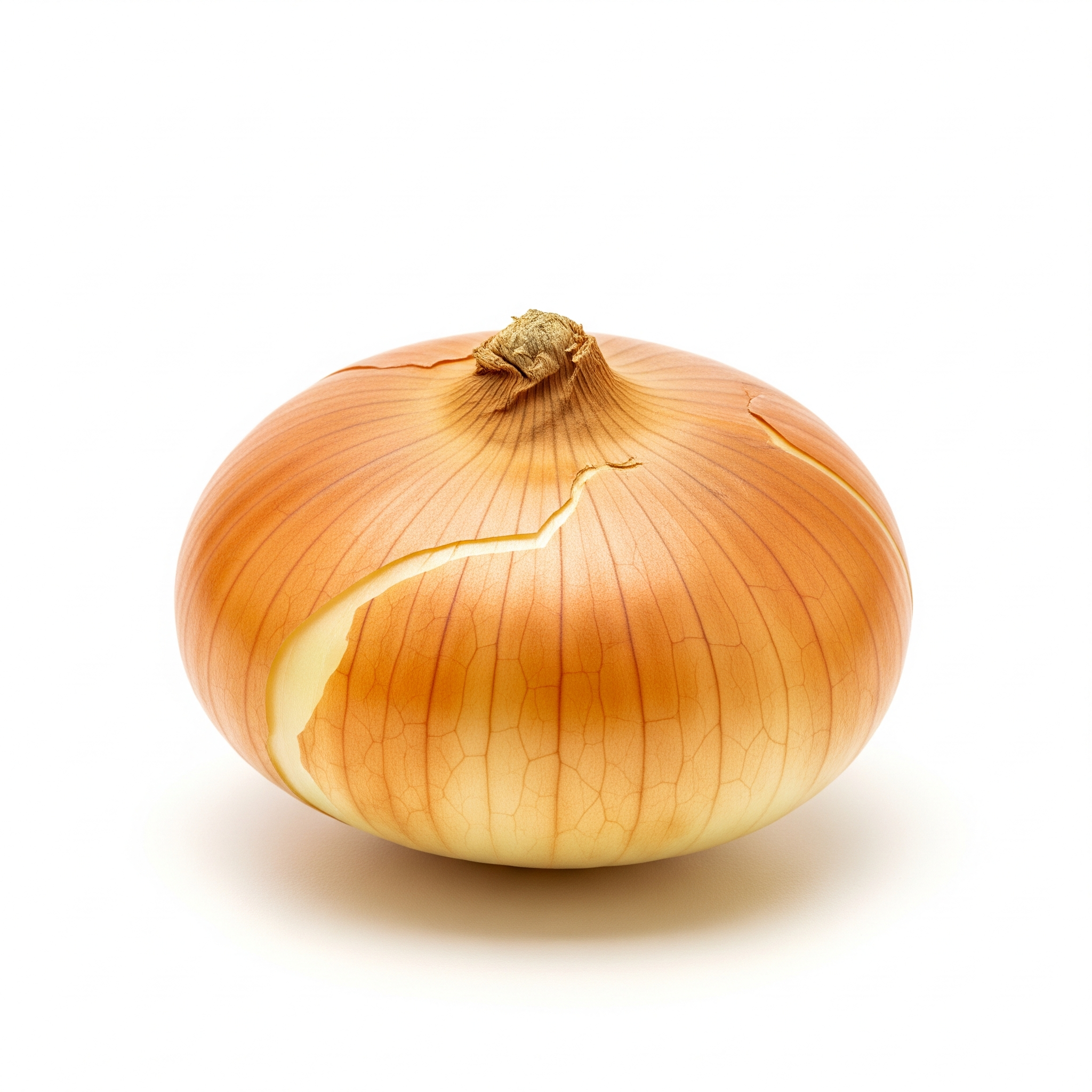
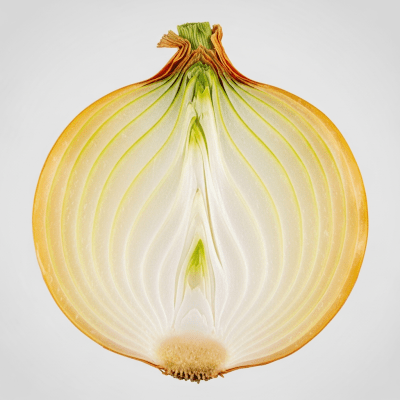
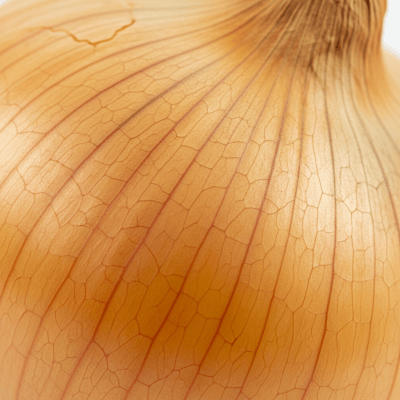
The Stuttgarter Onion features medium to large bulbs, typically 6 to 10 centimeters in diameter, with a distinctive flattened-globe shape. Its outer skin is a warm yellow-brown, while the inner flesh is crisp and white, offering a firm texture prized in cooking.
Primarily grown as a storage onion, the Stuttgarter is valued for its strong pungency and high dry matter content, which contribute to its excellent keeping qualities. It matures early to mid-season and is well-suited to temperate climates, especially in Central Europe.
Bring this kind into your world illustrated posters, mugs, and shirts.
Archival print, museum-grade paper
Buy Poster
Stoneware mug, dishwasher safe
Buy Mug
Soft cotton tee, unisex sizes
Buy ShirtAs a staple in German and Central European cuisine, the Stuttgarter Onion holds cultural importance as a reliable and traditional ingredient. Its long-standing cultivation reflects regional agricultural heritage and culinary customs, often featured in classic dishes and home gardens.
The Stuttgarter Onion is characterized by a strong pungency that delivers a sharp, robust flavor. Its high dry matter content enhances this intensity, making it a flavorful choice for cooking that demands a pronounced onion presence.
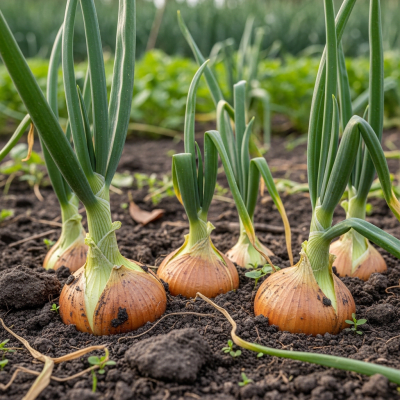

Well-adapted to temperate climates, the Stuttgarter Onion matures early to mid-season and produces high yields. It is known for its resistance to bolting but may be vulnerable to fungal diseases in wet conditions. Its bulbs store well for 6 to 8 months, supporting extended availability.
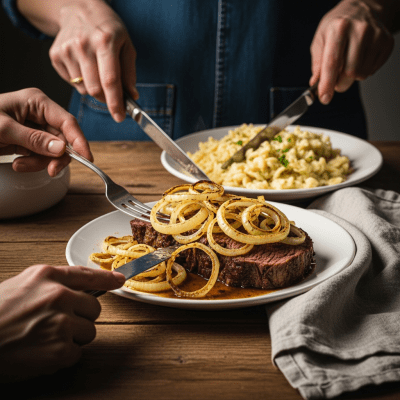
Primarily used as a storage onion, the Stuttgarter is favored for its firm texture and pungent flavor. It is commonly incorporated into soups, stews, and caramelized dishes, serving as a foundational ingredient in German and Central European cooking traditions.
To maximize shelf life, Stuttgarter Onions should be stored in cool, dry, and well-ventilated conditions. Under such care, bulbs maintain quality for 6 to 8 months, making them an excellent choice for long-term storage and year-round use.
Marketed fresh and as planting sets, the Stuttgarter Onion is a common variety among home gardeners and commercial growers in Germany and across Europe. Its reliable storability and strong flavor support steady demand, with distribution focused in temperate regions suited to its cultivation.