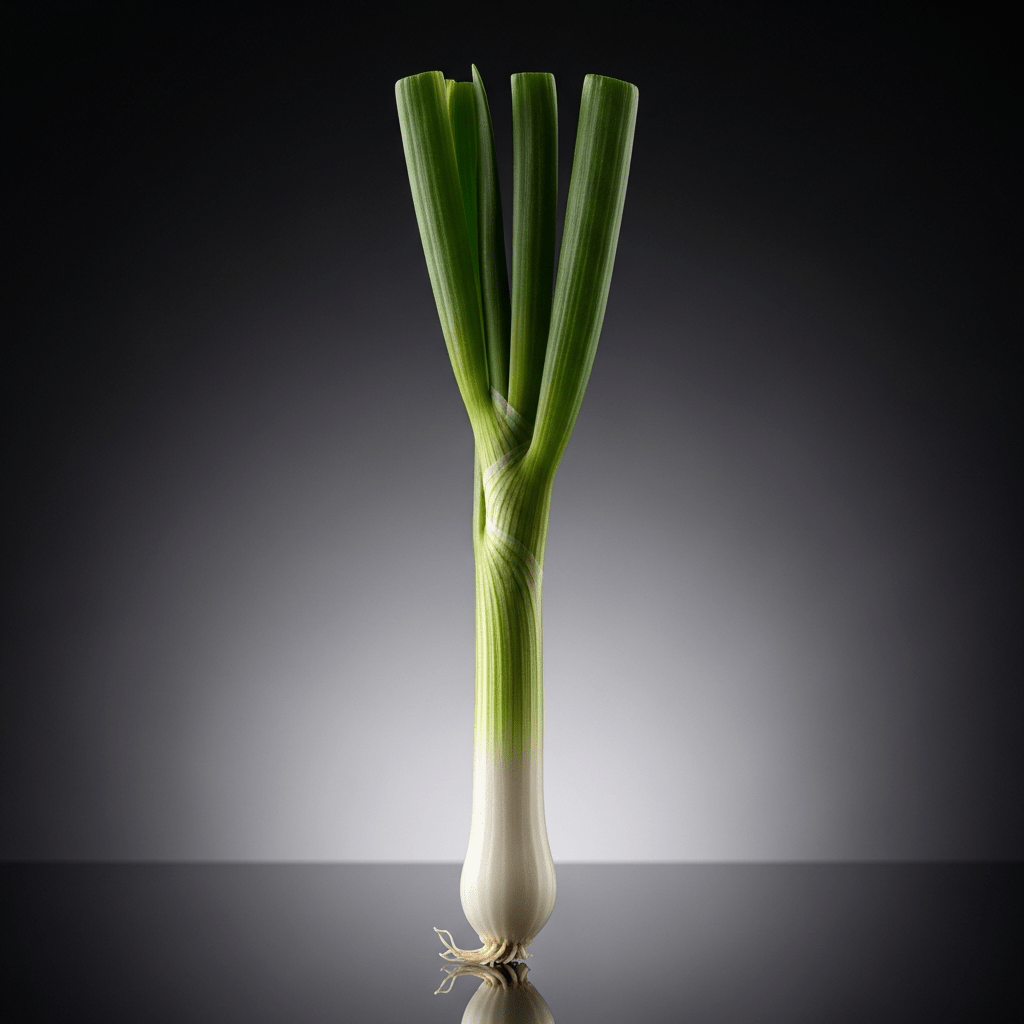
Spring Onion
Spring onion refers to young Allium cepa plants harvested before full bulb formation, featuring slender white bases and green hollow leaves, prized for their mild flavor and versatility in both raw and cooked dishes.
Spring onion refers to young Allium cepa plants harvested before full bulb formation, featuring slender white bases and green hollow leaves, prized for their mild flavor and versatility in both raw and cooked dishes.
Spring onions are not a distinct cultivar but represent an early growth stage of the common onion, Allium cepa. This practice of harvesting onions young predates modern breeding and is found worldwide, with no specific origin or breeder linked to its development.
Botanically, spring onions belong to the species Allium cepa, the same as mature bulb onions. They are defined by their developmental stage rather than a separate variety, often overlapping in terminology with green onions and scallions, though some distinctions exist across regions.
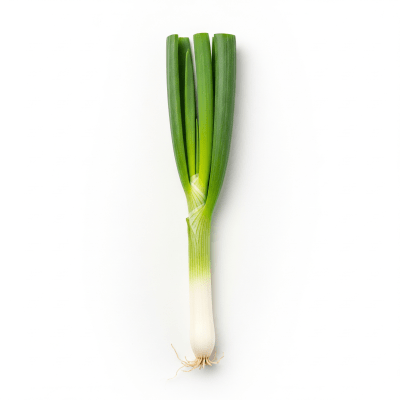
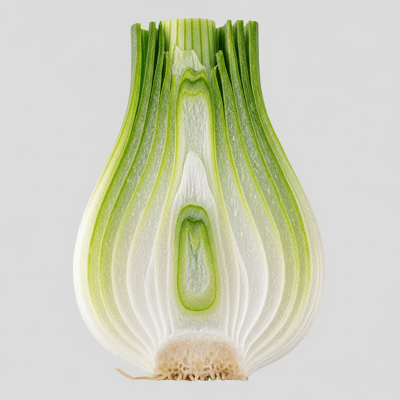
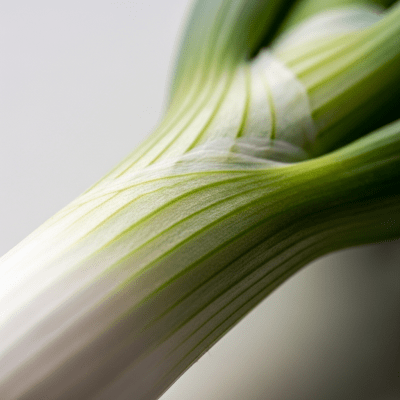
Spring onions have a small, elongated white bulb typically under 2 centimeters in diameter, with smooth white skin and crisp, hollow green leaves. Their slender form and fresh green tops distinguish them from fully matured bulb onions.
Harvested young, spring onions grow quickly and tolerate cool temperatures, making them suitable for dense planting and early harvests within 6 to 10 weeks. They are consumed fresh due to their short storage life and serve as a mild-flavored ingredient in various culinary traditions.
Bring this kind into your world illustrated posters, mugs, and shirts.
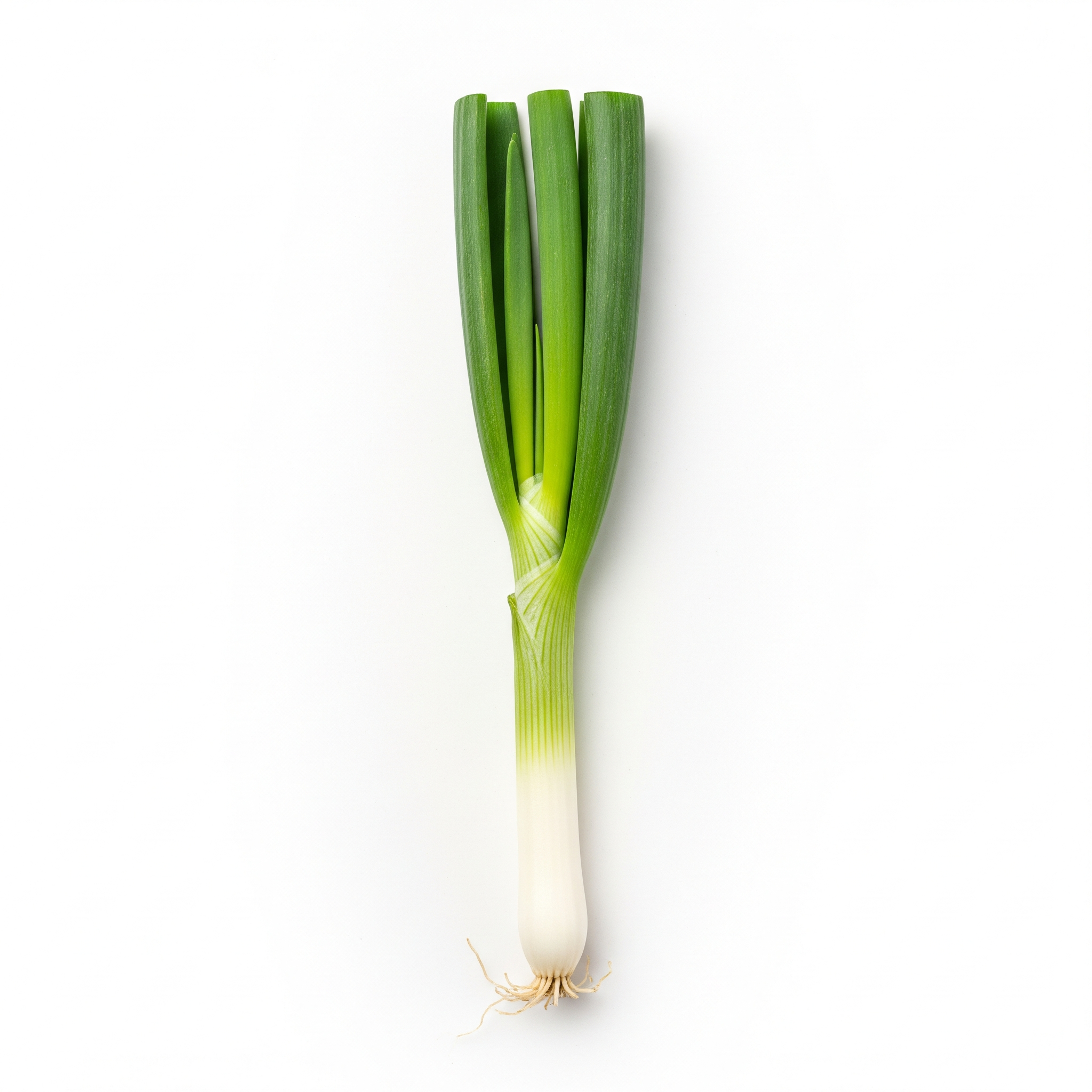
Archival print, museum-grade paper
Buy Poster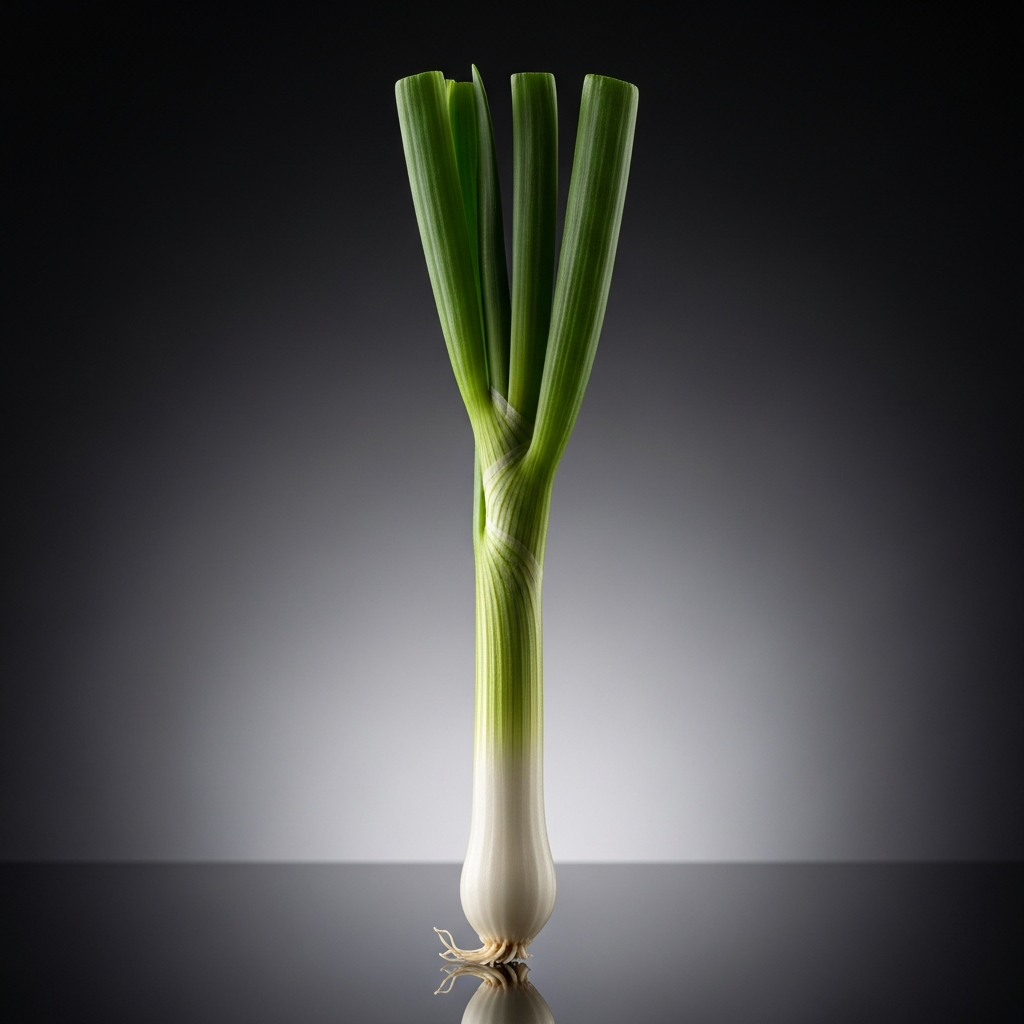
Stoneware mug, dishwasher safe
Buy Mug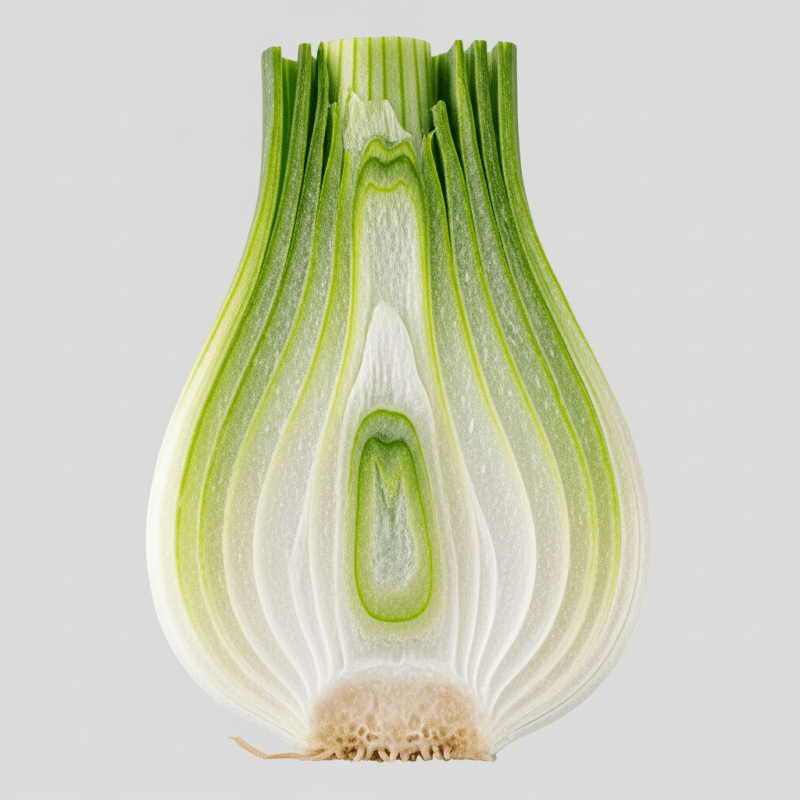
Soft cotton tee, unisex sizes
Buy ShirtSpring onions hold culinary importance across many cultures, especially in Asian, Mediterranean, and Latin American cuisines, where their fresh, mild flavor and crisp texture are celebrated. They appear frequently in traditional dishes, garnishes, and seasonal markets, symbolizing freshness and early harvest.
Spring onions offer a mild pungency with a subtle sweetness, characterized by low levels of sulfur compounds that give mature onions their sharpness. This gentle flavor makes them ideal for fresh applications where a delicate onion taste is desired.
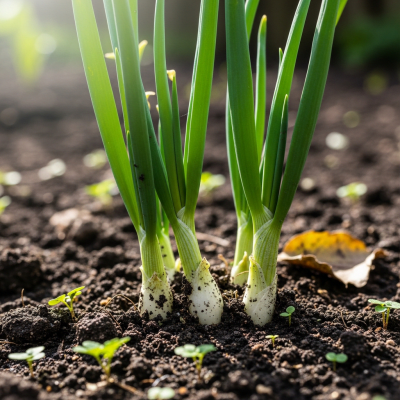
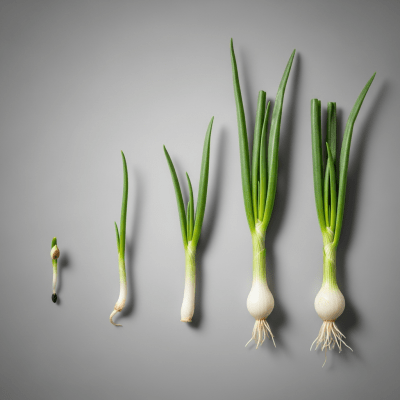
Spring onions mature rapidly, typically within 6 to 10 weeks after sowing. They thrive in a variety of soils and cooler climates, with no strict day-length sensitivity. Due to early harvest, yields are moderate, and their storage life is brief, usually less than a month. Disease susceptibility parallels that of standard onions, with no unique resistances documented.
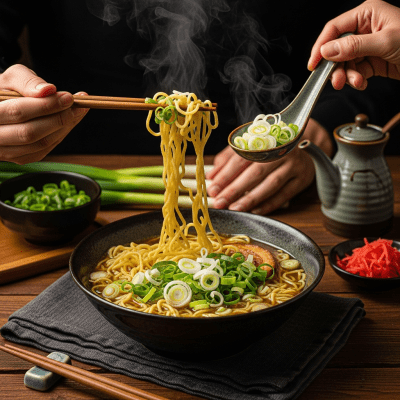
Widely used both raw and cooked, spring onions enhance salads, garnishes, stir-fries, soups, and savory dishes. Their tender white bases and fresh green tops add mild onion flavor and crisp texture, making them staples in Asian, Mediterranean, and Latin American kitchens.
Due to their high moisture content and delicate form, spring onions are best stored refrigerated and consumed within a week. Wrapping them loosely in a damp paper towel inside a plastic bag helps maintain freshness. They are not suited for long-term storage or drying like mature bulb onions.
Spring onions are marketed primarily as fresh produce, often bundled for retail sale. They are grown worldwide, with significant production in temperate regions. Their short shelf life and seasonal availability emphasize freshness, with limited processing or long-distance storage.