
Spanish Onion
The Spanish onion is a large, mild-flavored cultivar of Allium cepa, known for its low pungency and high moisture content, commonly used both raw and cooked in a variety of dishes.
The Spanish onion is a large, mild-flavored cultivar of Allium cepa, known for its low pungency and high moisture content, commonly used both raw and cooked in a variety of dishes.
Originating from selections of Allium cepa landraces in Spain, the Spanish onion was further developed in the United States and Europe during the early 20th century to enhance its mild flavor and large bulb size. While exact breeding records are scarce, its lineage traces to open-pollinated yellow and white onions selected for culinary appeal.
Spanish onions belong to the species Allium cepa and are typically classified within the mild or sweet onion market class. They are distinguished from other onions by their large globe-shaped bulbs and low pungency, fitting within the broader family Amaryllidaceae and genus Allium.
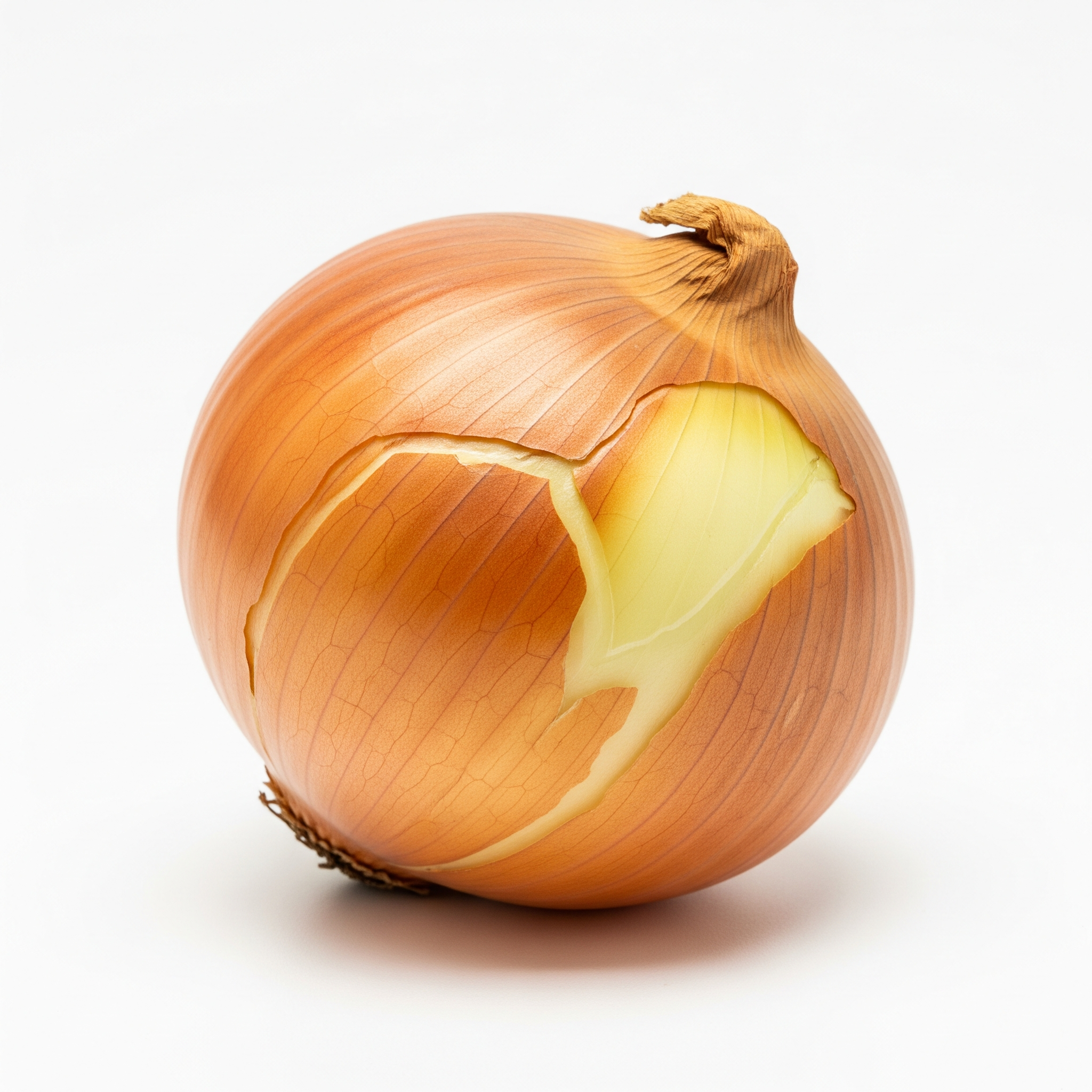
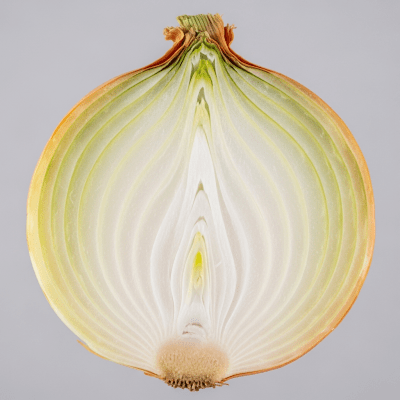
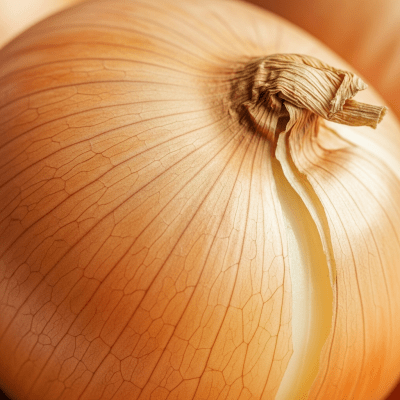
These onions feature large, globe-shaped bulbs often exceeding 10 centimeters in diameter. Their outer skin ranges from yellow to white, thin and papery, while the inner flesh is crisp and white. The high moisture content contributes to their juicy texture and delicate appearance.
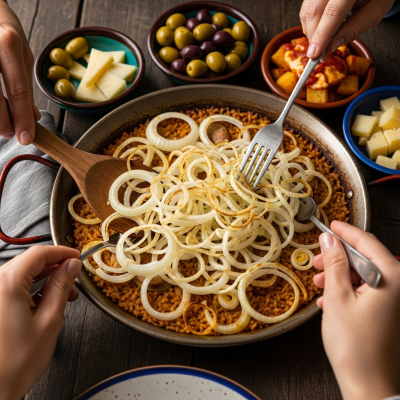
Spanish onions serve versatile culinary roles, prized for their mildness and crisp texture. They are commonly sliced or diced for raw applications such as salads, sandwiches, and salsas, and also perform well in cooked dishes including stir-fries, soups, and roasting. Their large size and mild flavor make them a preferred choice in food service and retail markets.
Bring this kind into your world illustrated posters, mugs, and shirts.
Archival print, museum-grade paper
Buy Poster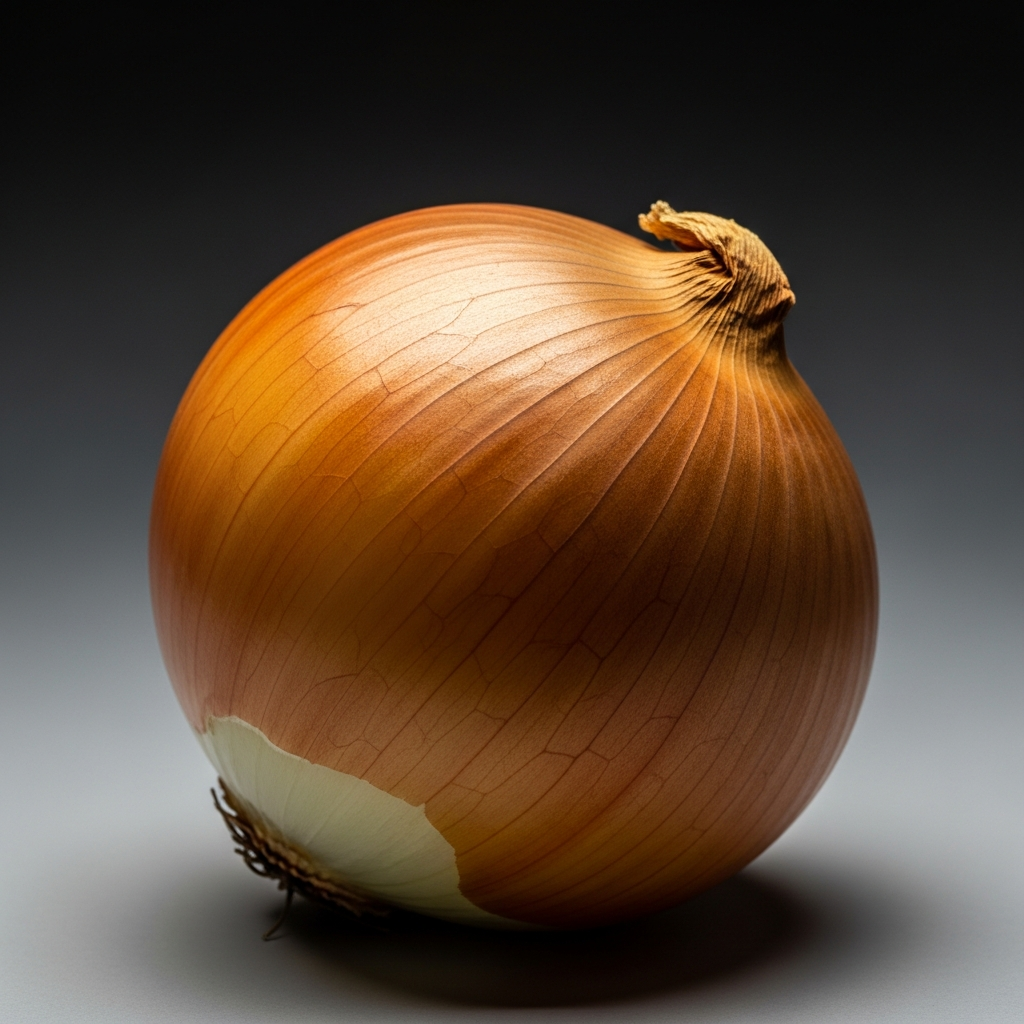
Stoneware mug, dishwasher safe
Buy Mug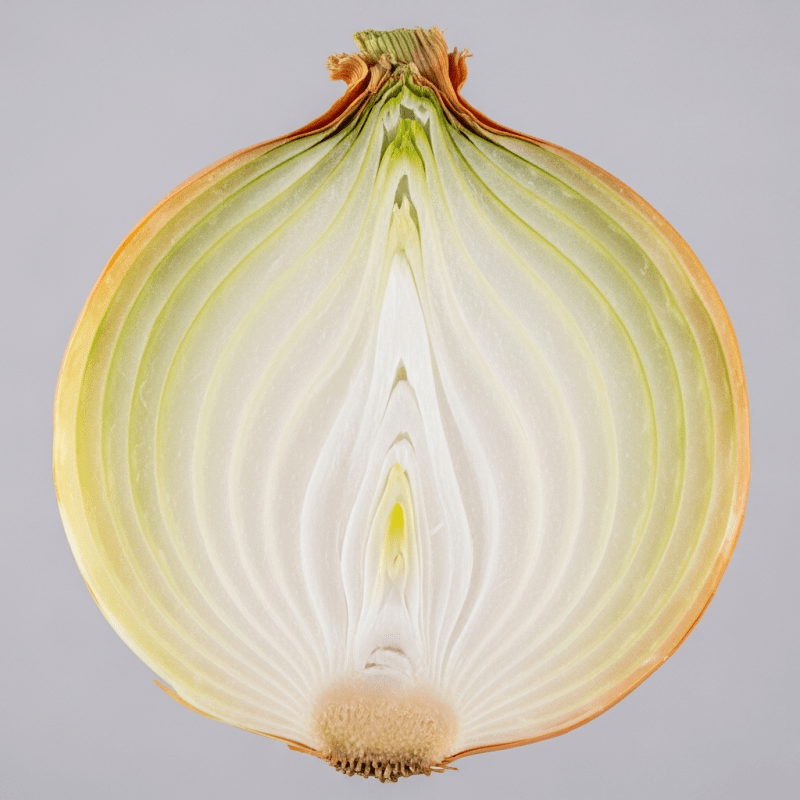
Soft cotton tee, unisex sizes
Buy ShirtWhile not tied to specific cultural myths or protected geographical indications, Spanish onions hold a valued place in culinary traditions across Spain, the United States, and Europe. Their mild flavor has made them a staple ingredient in many regional cuisines, symbolizing the preference for sweeter, less pungent onions in modern cooking.
Spanish onions are characterized by a mild pungency and low sulfur compound content, resulting in a gentle, sweet flavor with minimal sharpness. Their high moisture content enhances juiciness, making them especially pleasant for raw consumption.
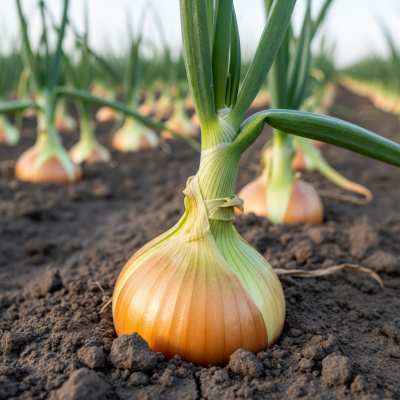
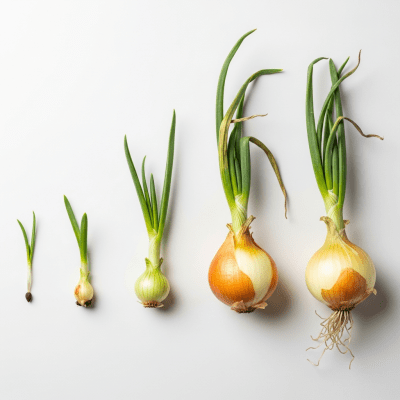
Spanish onions are generally grown as annuals with a growing season of five to six months, harvested in late spring to summer. They yield well under optimal conditions but require careful management due to moderate susceptibility to fungal diseases such as Botrytis and downy mildew. Their thinner skins and higher moisture reduce storage longevity compared to storage-type onions.
Ideal for raw use in salads, sandwiches, and salsas, Spanish onions also lend themselves well to cooking methods like stir-frying, roasting, and simmering in soups. Their mild flavor and large size make them a favorite for slicing and dicing in both home kitchens and commercial food service.
Due to their high moisture and thin skins, Spanish onions have a limited storage life and should be kept in cool, dry, and well-ventilated conditions. They are best used within a short period after harvest to prevent spoilage and rot, unlike storage onions which can last several months.
Spanish onions hold significant commercial value and are marketed both domestically and internationally. They often overlap with sweet onion varieties like Vidalia and Walla Walla but lack protected designation status. Major production regions include Spain, California, Texas, and parts of Europe, with distribution focused on fresh markets favoring their mild flavor and large bulb size.