Scallion
Scallions are immature onions characterized by their long, slender green stalks and minimal to no bulb formation, prized worldwide for their mild flavor and culinary versatility.
Scallions are immature onions characterized by their long, slender green stalks and minimal to no bulb formation, prized worldwide for their mild flavor and culinary versatility.
Scallions originate from the cultivation of Allium cepa harvested before full bulb development. This practice predates modern breeding and is widespread across cultures, with some cultivars specifically selected for minimal bulb growth to enhance the green stalks prized in cooking.
Scallions belong to the species Allium cepa, the common onion, but represent immature plants harvested early. They are part of the broader onion family (Amaryllidaceae) and are distinguished from mature bulb onions by their lack of a fully developed bulb. Though sometimes confused with related species like Allium fistulosum, scallions here refer specifically to immature Allium cepa forms.
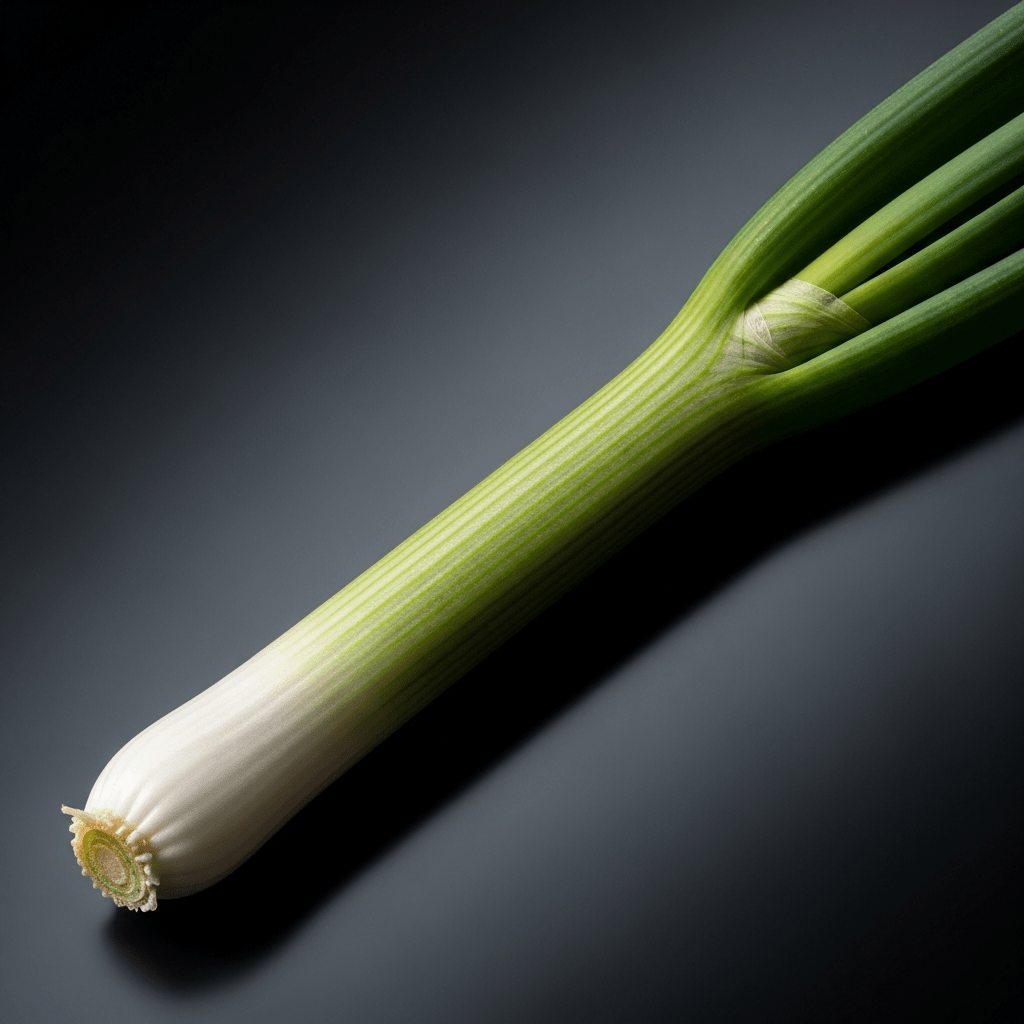
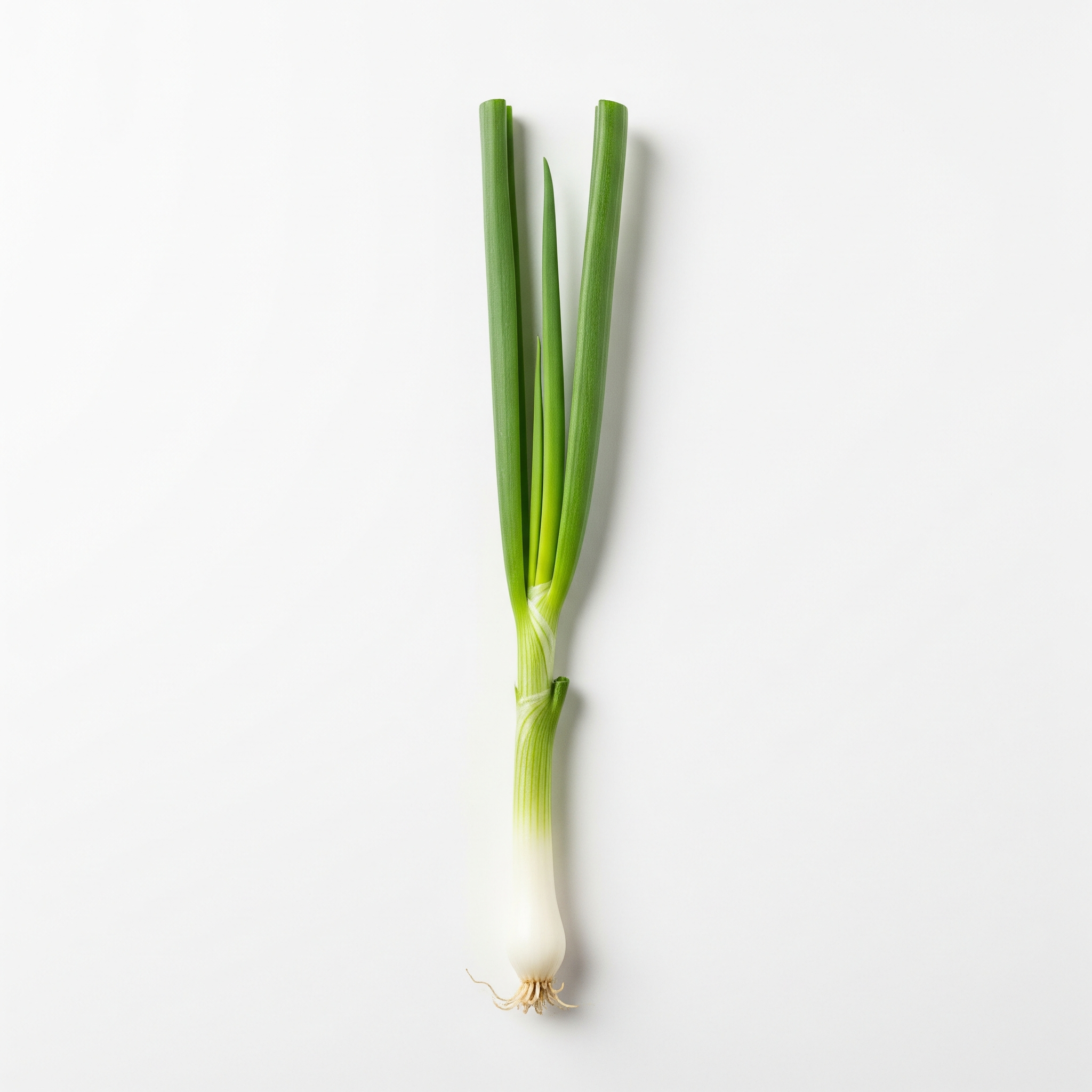
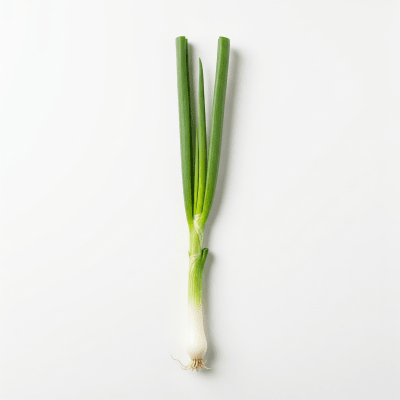
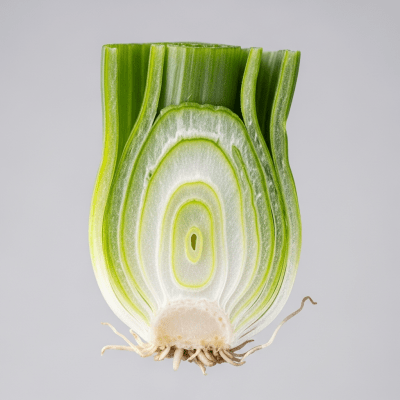
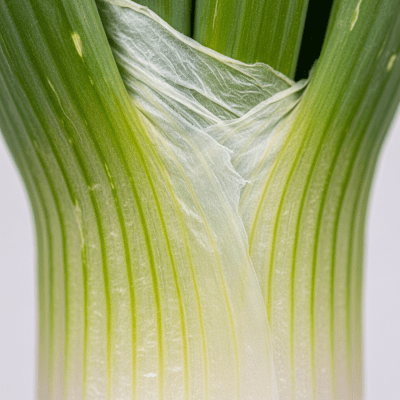
Scallions feature long, hollow, cylindrical green leaves with a white base that may be slightly swollen but does not form a true bulb. Their skin and flesh are white, and the overall form is slender and elongated rather than bulbous, making them visually distinct from mature onions.
Harvested typically 60 to 80 days after sowing, scallions are fast-growing annuals cultivated for their tender green stalks. They are grown from seed or sets and can be planted in succession for continuous harvest. Scallions have moderate resistance to common onion pests and diseases but do not store well post-harvest, making fresh consumption ideal.
Bring this kind into your world illustrated posters, mugs, and shirts.
Archival print, museum-grade paper
Buy Poster
Stoneware mug, dishwasher safe
Buy Mug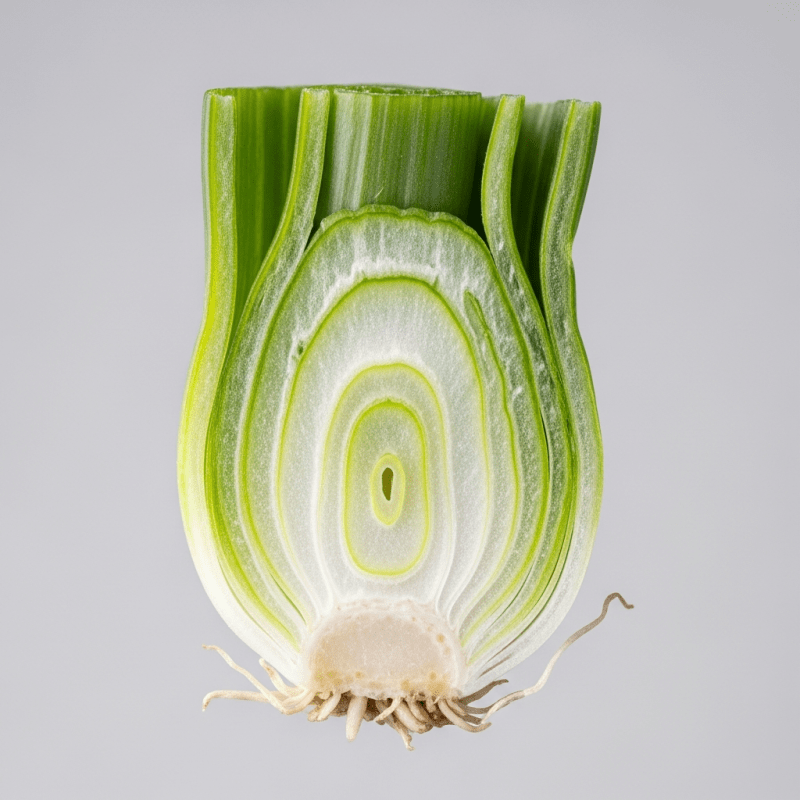
Soft cotton tee, unisex sizes
Buy ShirtScallions hold an important place in many global cuisines, especially in East Asian, Southeast Asian, and Latin American cultures, where their mild flavor and crisp texture are essential in traditional dishes. Their presence in culinary traditions reflects their role as a fresh, accessible vegetable and flavor enhancer.
Scallions offer a mild pungency balanced with medium sweetness, making their flavor gentle and approachable. Their taste is influenced by sulfur compounds typical of onions but less intense than mature bulbs, lending a fresh, crisp character ideal for raw or lightly cooked dishes.
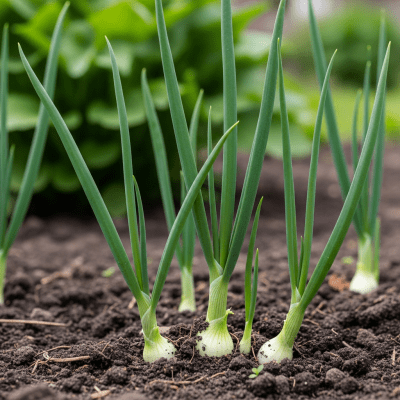
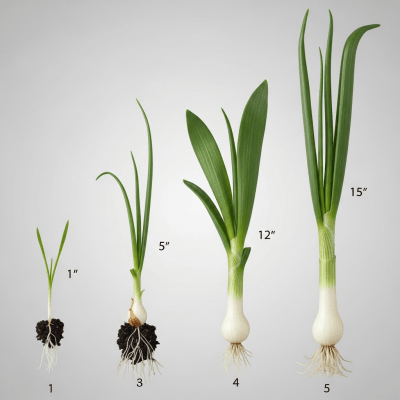
Scallions are cultivated as fast-growing annuals, typically maturing within 60 to 80 days. They can be grown from seed or sets in diverse climates and are often planted in succession for continuous harvest. While they show moderate resistance to common onion pests and diseases, their lack of a developed bulb means they have limited storage life and require fresh market turnover.
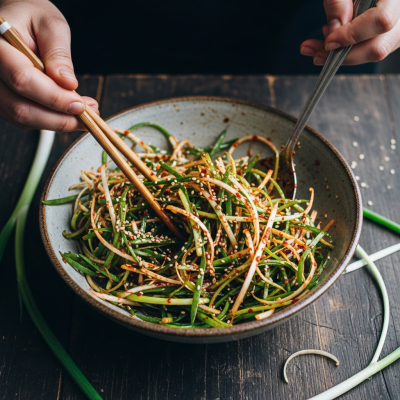
Both the white base and green tops of scallions are edible and widely used in salads, garnishes, stir-fries, soups, and as flavor enhancers. Their mild flavor and crisp texture make them a staple in East Asian, Southeast Asian, and Latin American cooking, where they are valued for adding freshness and subtle onion notes.
Scallions have a short shelf life and do not store well post-harvest. They are best kept refrigerated and consumed fresh within a few days to maintain their crispness and flavor. Prolonged storage leads to wilting and loss of quality, so rapid turnover from market to table is recommended.
Scallions are marketed fresh in bunches and are generally not processed or stored long-term. Their rapid growth and year-round cultivation in some regions make them a common, accessible vegetable in global markets. Packaging typically emphasizes freshness and ease of handling for retail and culinary use.