Red Onion
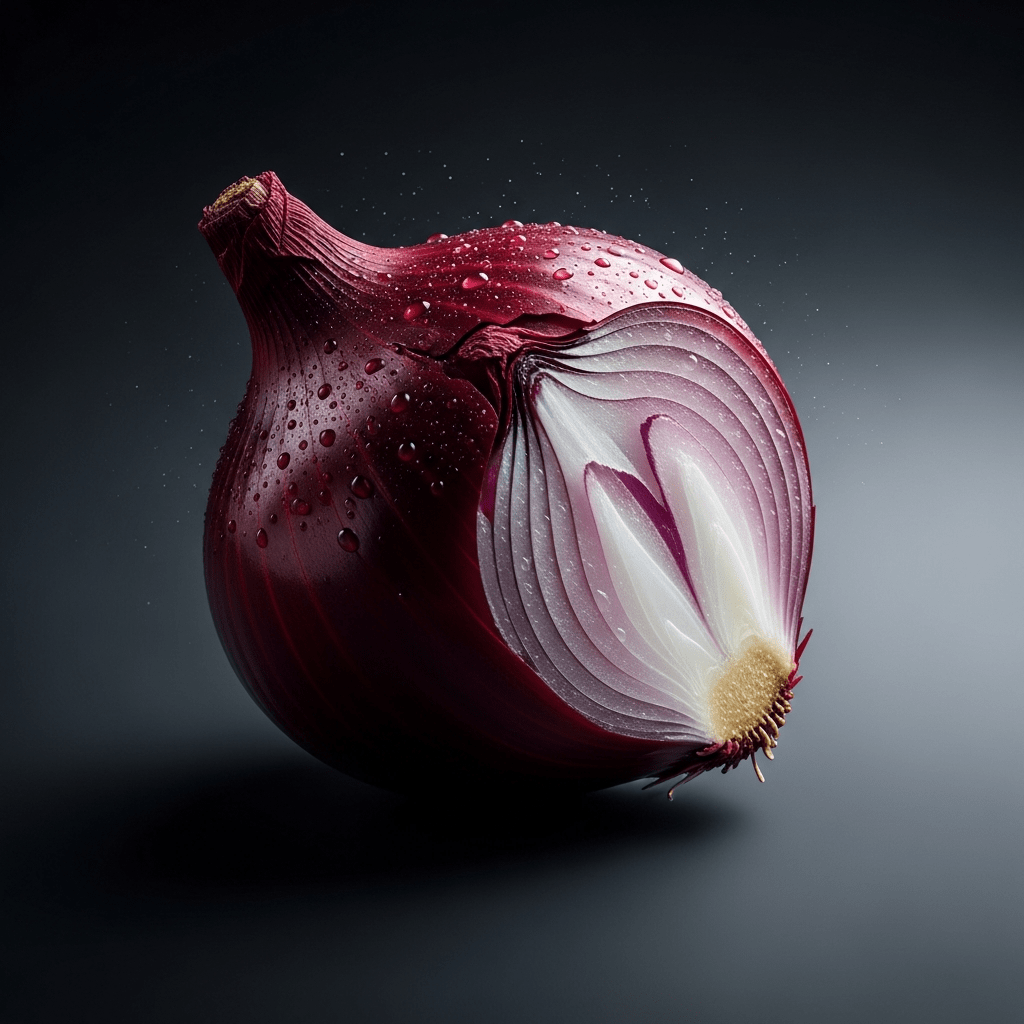
Red onion is a widely cultivated variety of Allium cepa, recognized for its distinctive purplish-red skin and mildly sweet, crisp white flesh tinged with red or purple.
Red onion is a widely cultivated variety of Allium cepa, recognized for its distinctive purplish-red skin and mildly sweet, crisp white flesh tinged with red or purple.
Red onions have a diffuse origin, having been cultivated for centuries across the Mediterranean, Middle East, and Asia. This market class includes numerous regional cultivars such as Italy's Cipolla Rossa di Tropea, India's Pusa Red, and the American Red Burgundy, each selected over time for their characteristic red pigmentation and mild flavor.
Belonging to the species Allium cepa, red onions form a market class encompassing many cultivars and landraces distinguished by their red or purple skin coloration. They are part of the broader onion family, which includes yellow, white, and sweet onions, as well as related Allium species like shallots and leeks.
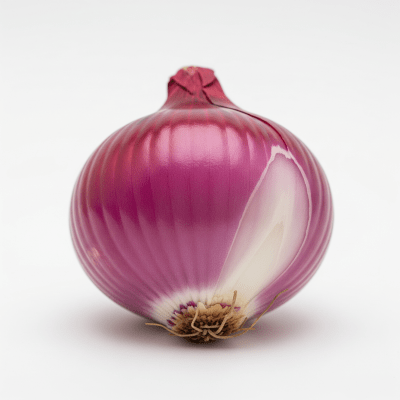
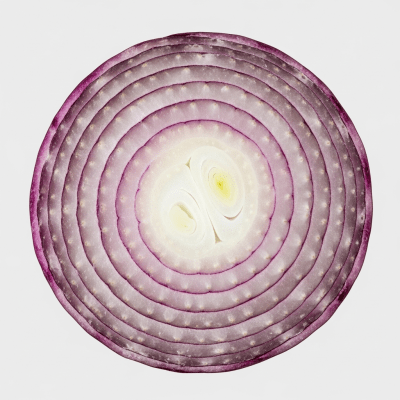
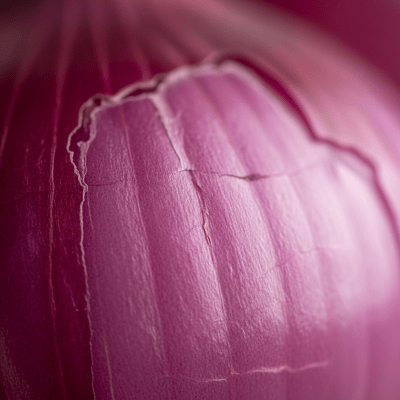
Red onions typically have medium to large, globe-shaped bulbs with dry, papery skins ranging from deep red to purple. Their inner flesh is white, often marked with concentric rings of red or purple due to anthocyanin pigments, offering a visually striking contrast.
Valued for both their mild, sweet flavor and vibrant color, red onions are versatile in culinary use. They are often consumed raw to showcase their crisp texture and appealing hues but can also be grilled, pickled, or lightly cooked. Extended cooking tends to fade their distinctive coloration.
Bring this kind into your world illustrated posters, mugs, and shirts.
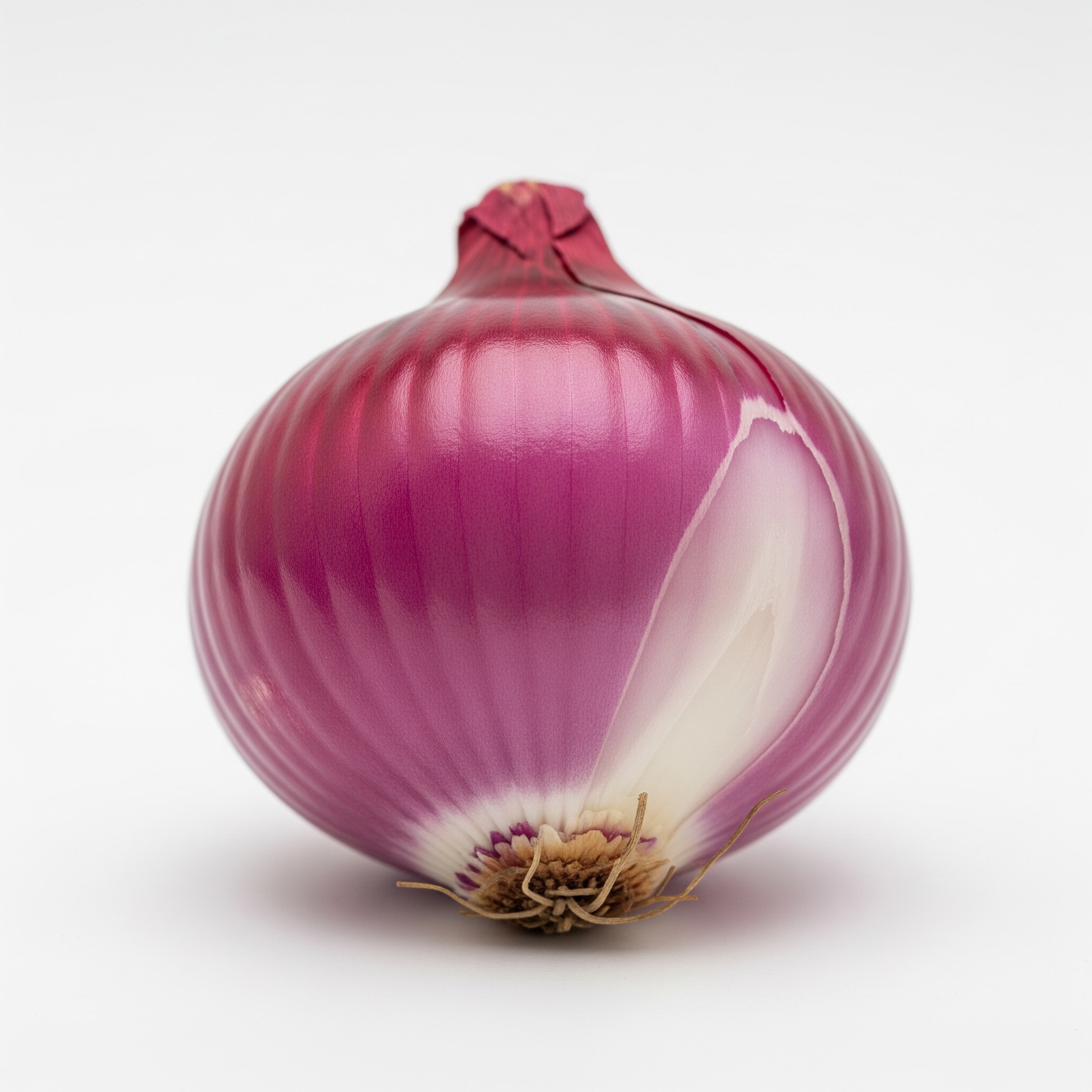
Archival print, museum-grade paper
Buy Poster
Stoneware mug, dishwasher safe
Buy Mug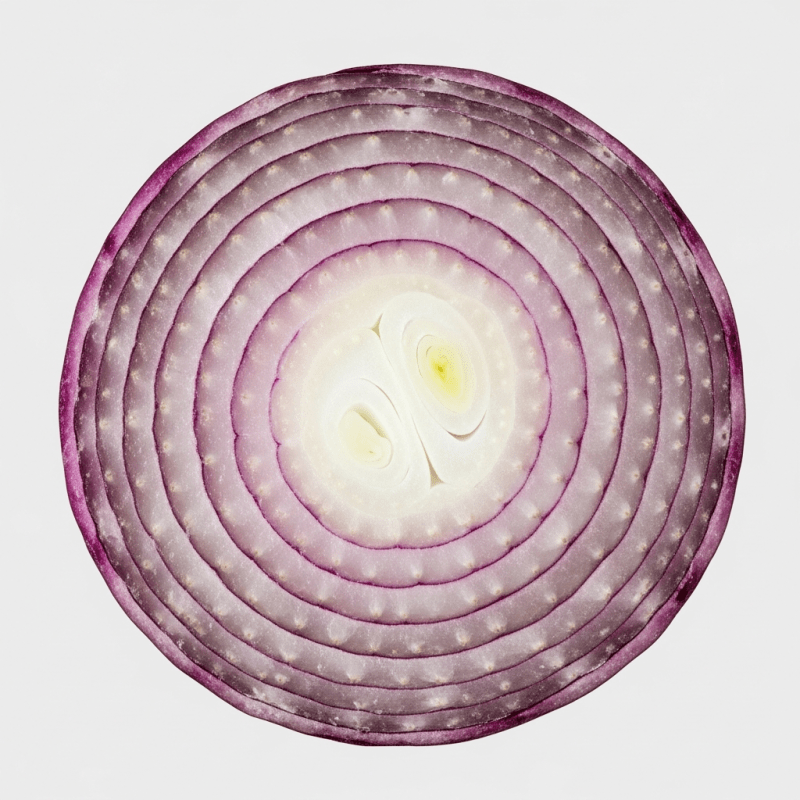
Soft cotton tee, unisex sizes
Buy ShirtRed onions hold cultural importance in various regions, featuring prominently in traditional dishes and local markets. Varieties like Italy's Cipolla Rossa di Tropea carry protected geographical status, symbolizing regional heritage and culinary identity. Their vivid color also makes them a popular subject in food art and presentation.
Red onions offer a mild pungency balanced by medium sweetness, making them less sharp than many other onion types. Their flavor is influenced by sulfur compounds that provide characteristic onion bite, complemented by anthocyanins that contribute subtle fruity notes and their signature color.
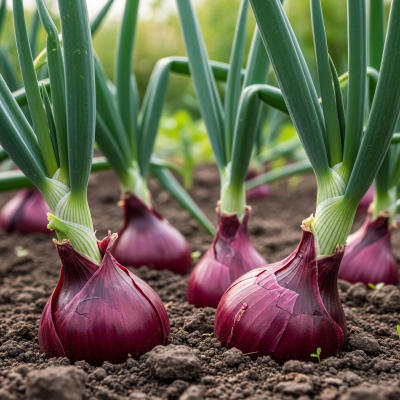
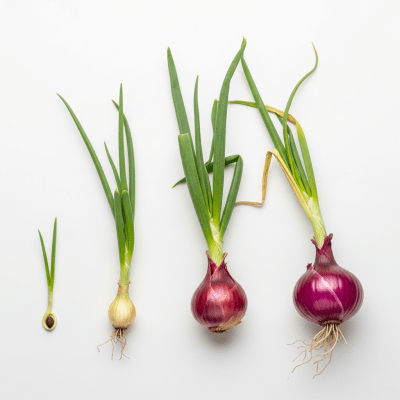
Red onions mature within 90 to 120 days and are typically grown as annuals from seed or sets. They thrive in well-drained soils under full sun and require careful management to prevent diseases like pink root and downy mildew. While yields are comparable to other bulb onions, some red cultivars have shorter storage life due to higher moisture and sugar content.
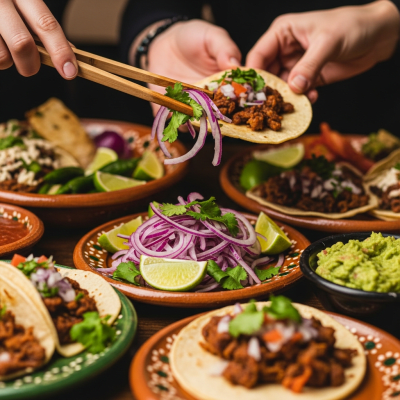
Red onions are prized for raw applications such as salads, sandwiches, salsas, and garnishes, where their color and crisp texture shine. They are also suitable for grilling and pickling, adding vibrant flavor and visual appeal. However, cooking them for extended periods can dull their color and soften their texture.
To preserve red onions, store them in a cool, dry, and well-ventilated environment away from moisture. Unlike some other onion types, red onions generally have a shorter shelf life due to their higher sugar and moisture content, so they are best used within a few weeks to maintain optimal freshness and flavor.
Red onions are marketed globally, with significant production in the United States, India, Turkey, Italy, and Spain. Some regional varieties, such as Cipolla Rossa di Tropea in Italy and Red Creole in the USA, enjoy protected status or local preference. They are available year-round in most markets, with peak availability aligned to local harvest seasons.