Red Creole Onion
The Red Creole onion is a short-day, red-skinned cultivar of Allium cepa known for its pungent flavor, firm flattened-globe bulbs, and adaptability to warm climates.
The Red Creole onion is a short-day, red-skinned cultivar of Allium cepa known for its pungent flavor, firm flattened-globe bulbs, and adaptability to warm climates.
Originating in the early 20th century United States, the Red Creole onion was developed through selection of red onion landraces suited to the Gulf Coast and southern regions' short-day photoperiods. Though exact breeder details are unclear, it emerged to thrive in warm southern climates, becoming a staple in local agriculture.
Classified within the species Allium cepa, the Red Creole onion belongs to the short-day group of red-skinned onions. It is recognized as a distinct market class alongside other red onions, characterized by its adaptation to southern U.S. latitudes and tropical zones.
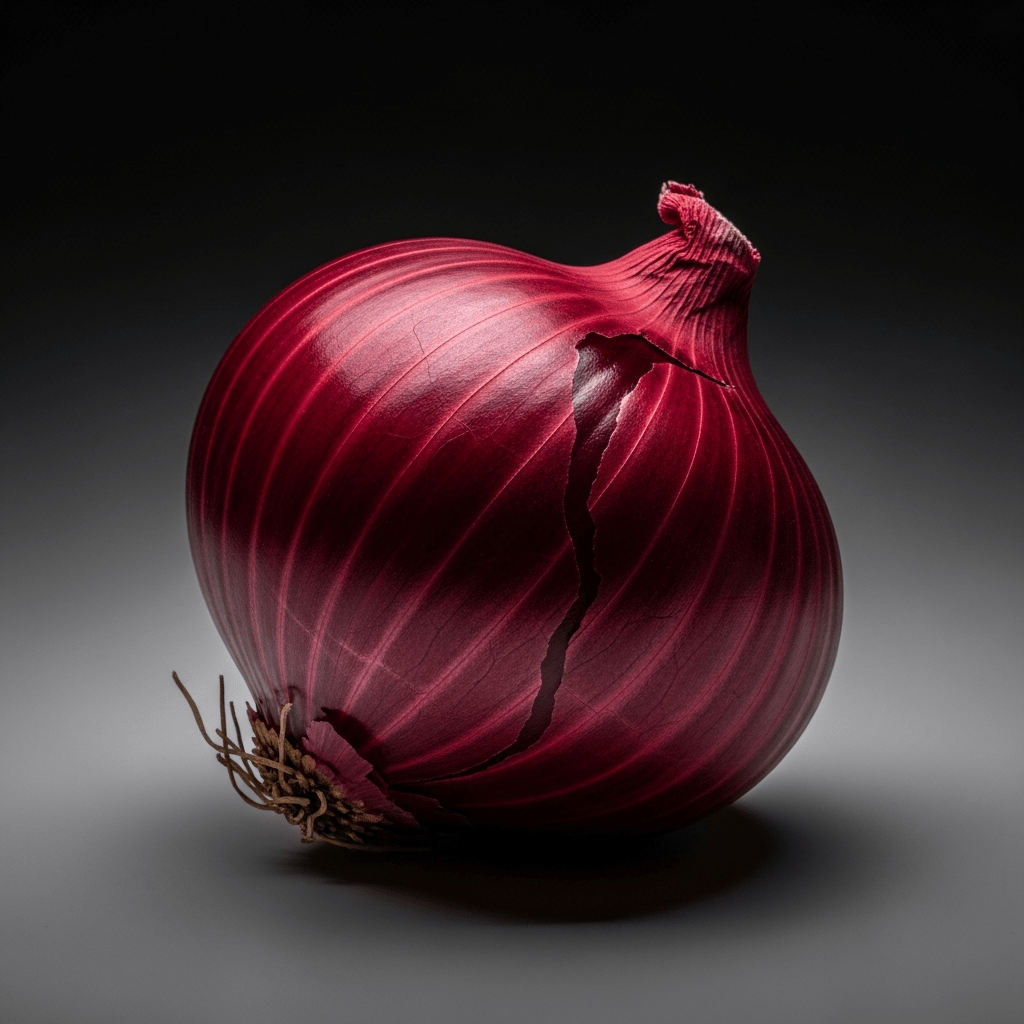
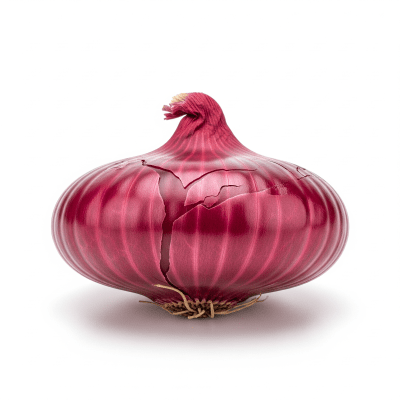
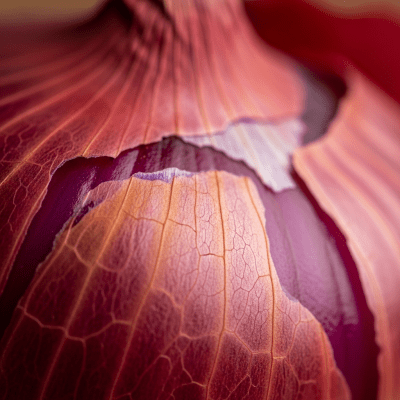
This onion features firm, flattened-globe shaped bulbs with a deep purplish-red outer skin. Its inner flesh is white, accented by striking red rings, creating a visually distinctive bulb prized for both appearance and texture.
Red Creole onions function primarily as a culinary ingredient, valued for their strong pungency and firm texture. They perform well in warm climates, maturing in about 110 to 120 days, and are moderately resistant to fungal diseases, though susceptible to pink root and Fusarium basal rot under stress.
Bring this kind into your world illustrated posters, mugs, and shirts.
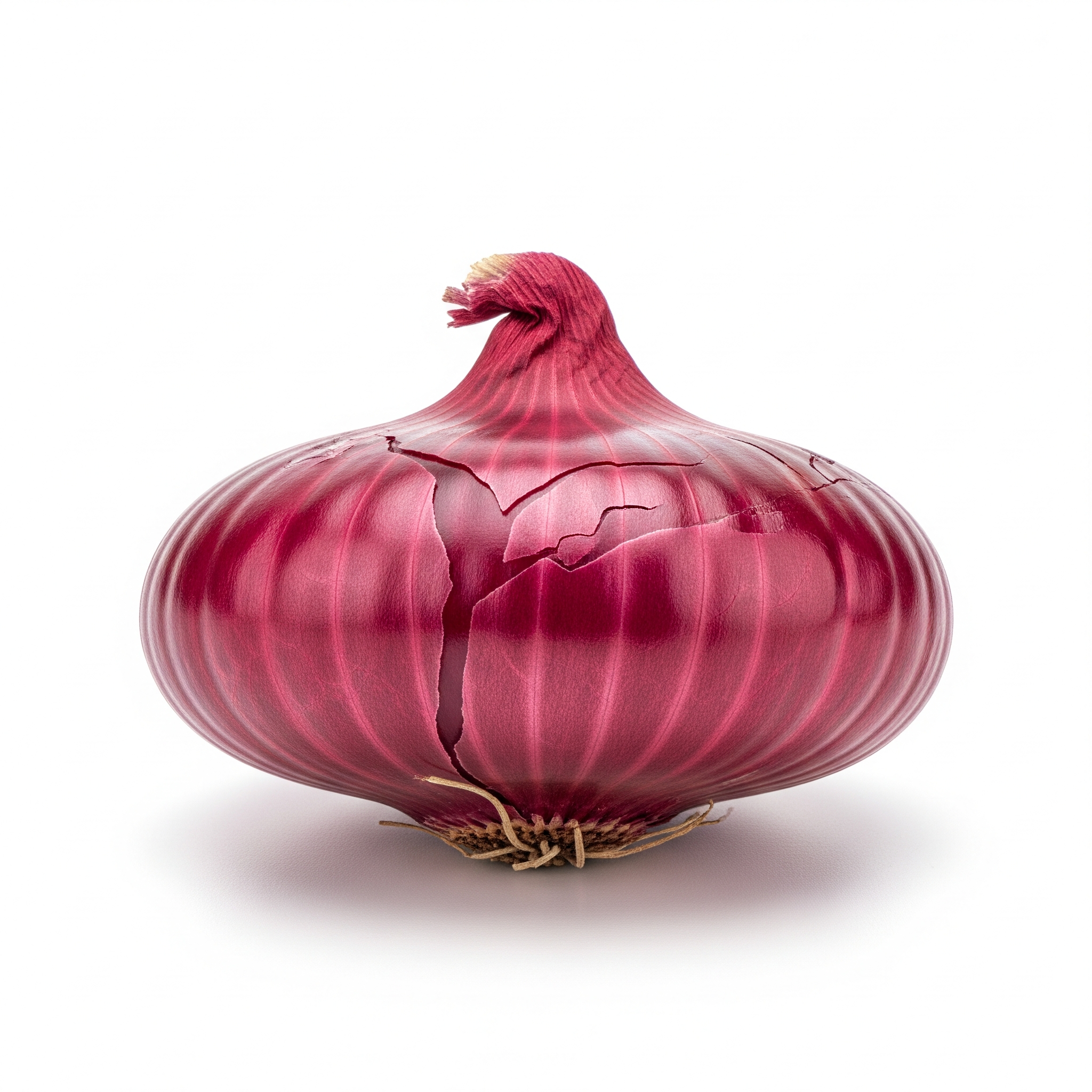
Archival print, museum-grade paper
Buy Poster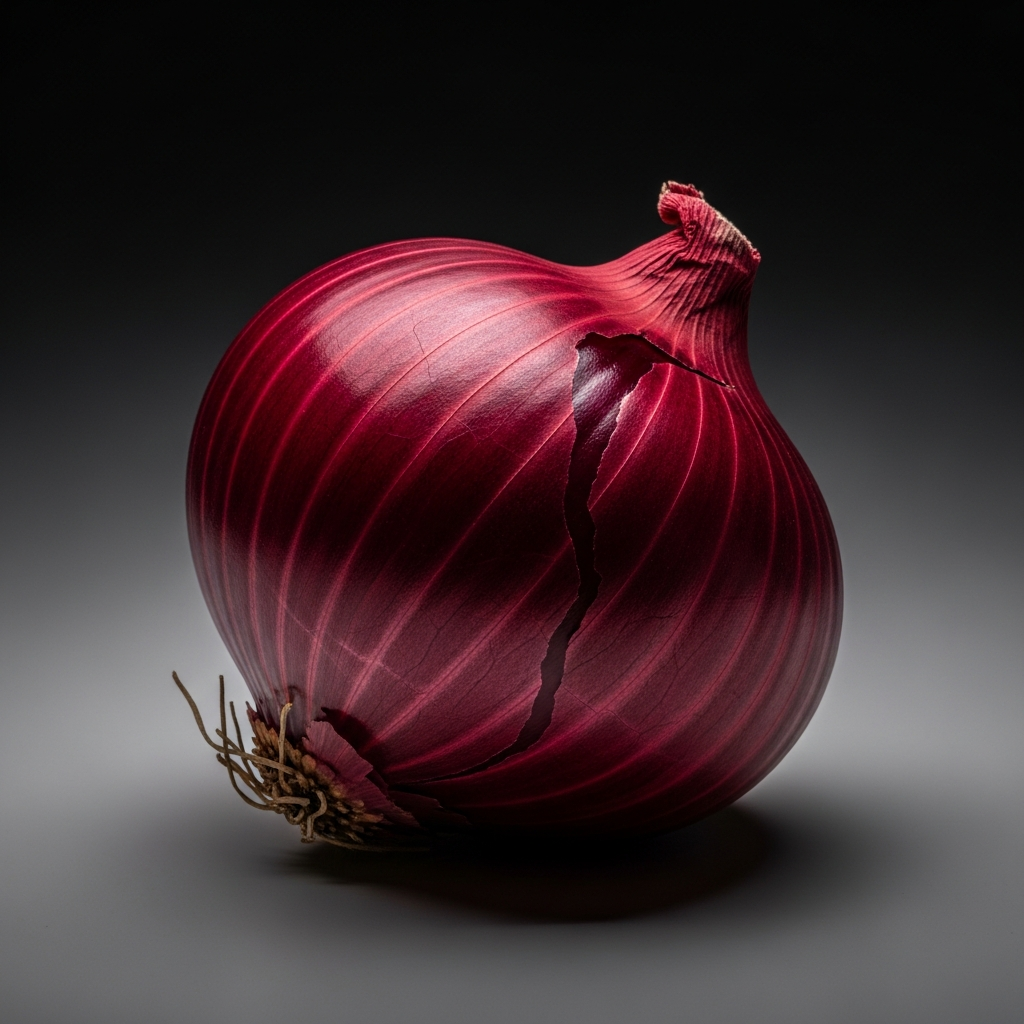
Stoneware mug, dishwasher safe
Buy Mug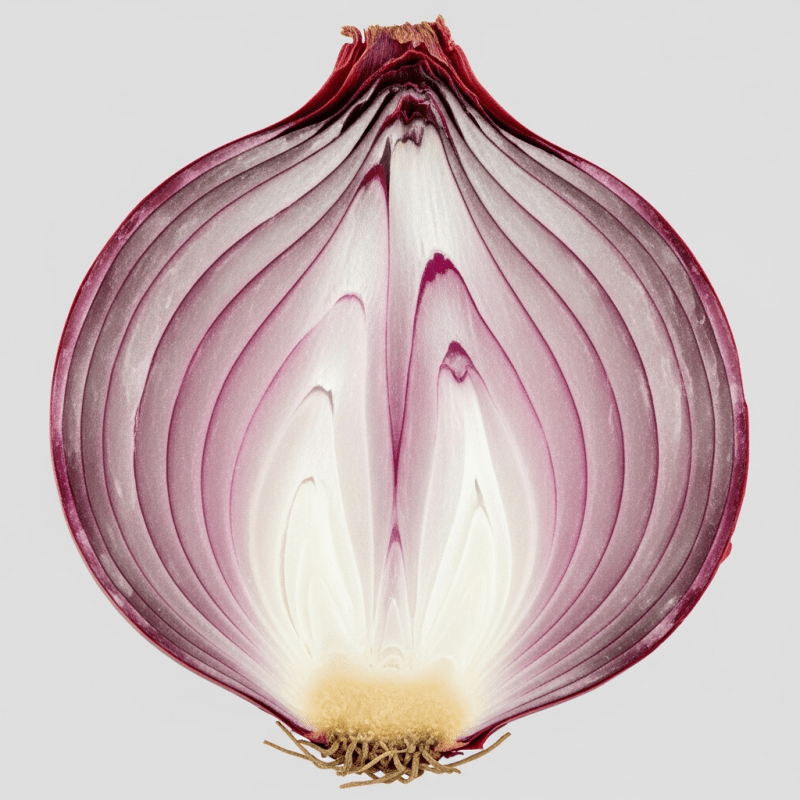
Soft cotton tee, unisex sizes
Buy ShirtEmbedded in the culinary traditions of the southern United States, especially Louisiana and Texas, the Red Creole onion is a key ingredient in Cajun and Creole cooking. Its robust flavor and vibrant color have made it a cultural staple in regional dishes and ethnic markets.
The Red Creole onion delivers a strong, pungent flavor that holds up well in cooking. Its sharpness is balanced by a firm texture, making it ideal for dishes requiring bold onion presence. The flavor is driven by sulfur compounds typical of pungent onions, contributing to its spicy bite.

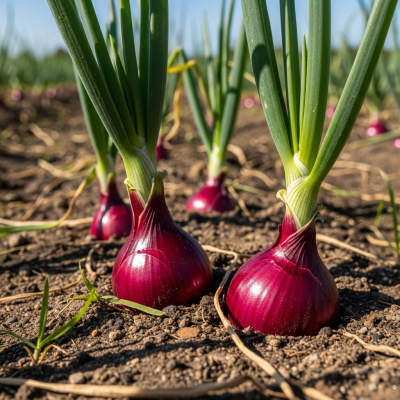
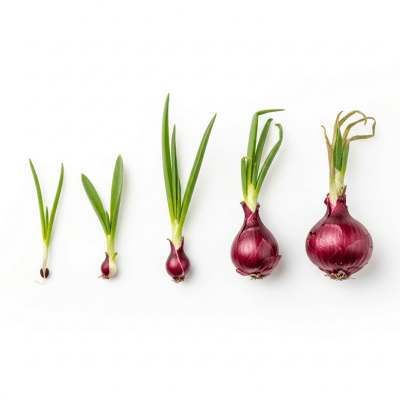
As a short-day onion, Red Creole requires approximately 10 to 12 hours of daylight to initiate bulb formation, making it suited for southern U.S. and tropical regions. It matures in 110 to 120 days, producing yields between 20 and 30 tons per hectare. While moderately tolerant to some fungal diseases, it remains vulnerable to pink root and Fusarium basal rot. Storage life ranges from 2 to 4 months under optimal conditions.
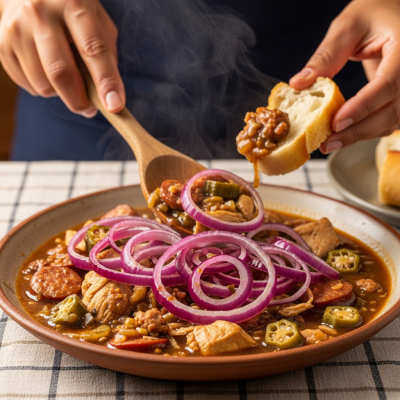
Widely used in Cajun, Creole, and Latin American cuisines, Red Creole onions add robust, spicy flavor to cooked dishes such as gumbos, stews, and sautés. They are also enjoyed raw in salads and salsas, where their vibrant color and sharp bite enhance presentation and taste.
Red Creole onions store best in cool, dry, and well-ventilated environments, maintaining quality for 2 to 4 months. Proper curing after harvest helps prevent spoilage and extends shelf life, making them suitable for local and regional distribution rather than long-term export.
Marketed both fresh and for short-term storage, Red Creole onions are popular in ethnic and regional markets across the southern United States, Central America, and the Caribbean. Their moderate shelf life favors local and regional trade, with packaging and distribution tailored to maintain their distinctive color and pungent flavor.